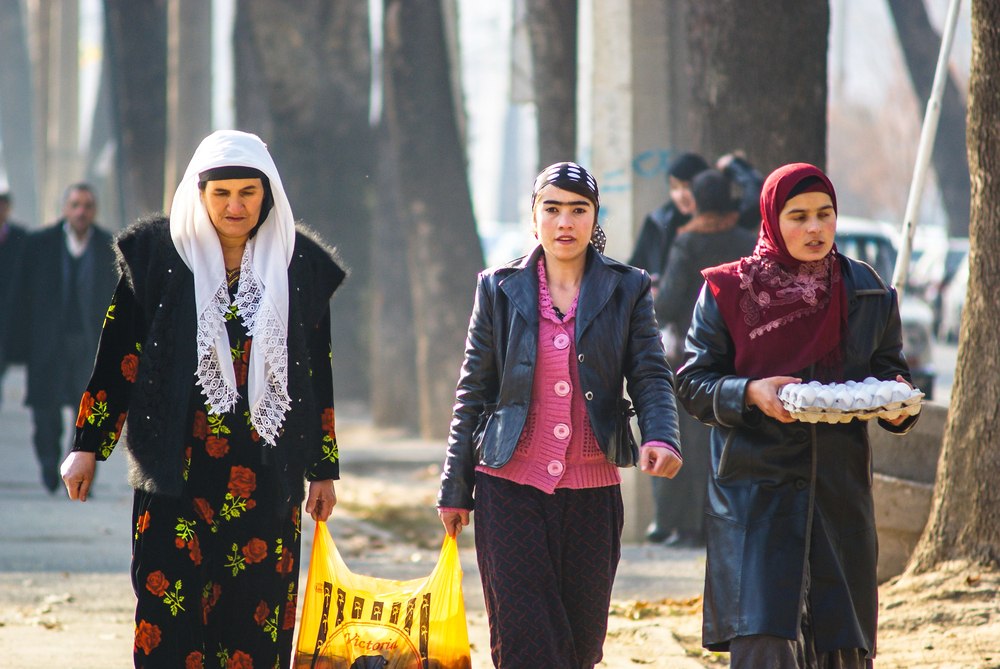
While its regional neighbors are increasingly undergoing urbanization, Tajikistan remains a predominantly rural country and the gap with the rest of Central Asia on this indicator is one of the most notable in the post-Soviet space.
The Lowest Rate in the Region
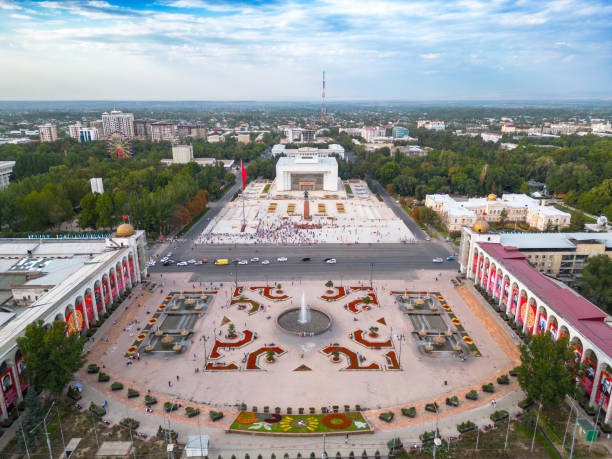
As of mid-2026, Tajikistan’s urban population stands at 27.98%, in other words, only slightly more than one in four residents of the country lives in a city. For comparison with the rest of the region: in Kazakhstan, the urban population is around 59%; in Turkmenistan, around 52%; in Uzbekistan, around 50%; and in neighboring Kyrgyzstan, roughly 38%. Against this backdrop, Tajikistan remains the country with the lowest level of urbanization in all of Central Asia and one of the few in the world where the rural population still makes up nearly three-quarters of the total.
Why This Happened
Tajikistan’s low pace of urbanization is largely explained by the structure of the country’s economy and the everyday life of a significant part of its population. Unlike states where industry, the services sector, and major urban agglomerations have long become the main centers of employment, Tajikistan still retains a notable dependence on agriculture. For many families, the village remains not only a place of residence but also the basis of income: people are engaged in farming, seasonal work, small local businesses, or rely on a household that provides the family with food and partial employment.
In Kyrgyzstan, rural areas also play an important role in the economy and settlement patterns, however, in Tajikistan this feature is more pronounced. The country remains one of the most rural in Central Asia in terms of settlement patterns and employment structure. Against this background, Uzbekistan and Turkmenistan present a different picture. In Uzbekistan, a significant share of the urban population is concentrated around major centers, primarily Tashkent, whose population has already exceeded 3 million.
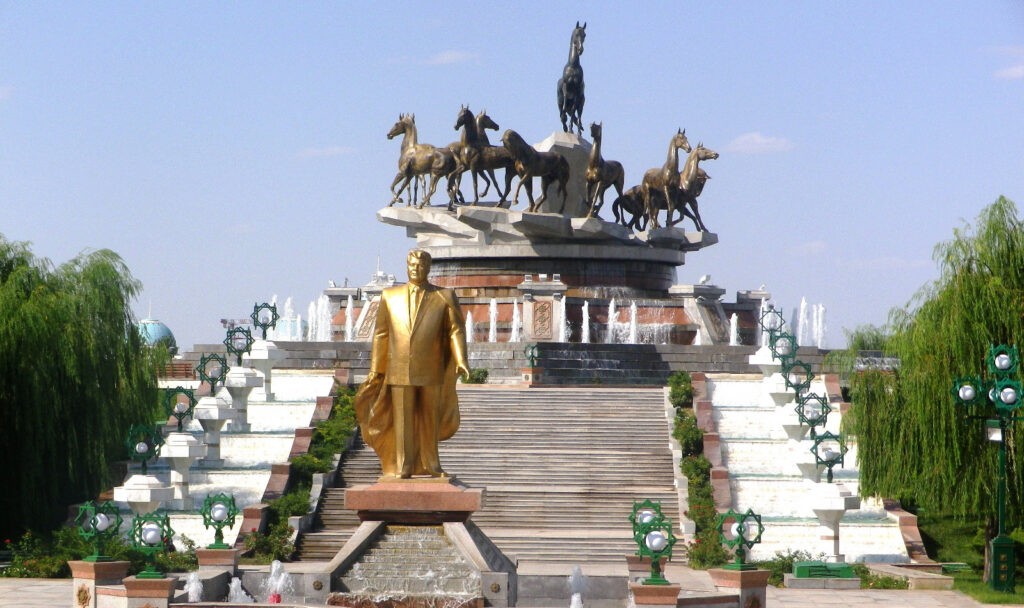
In Turkmenistan, Ashgabat plays an important role, as do territories linked to the oil and gas industry, where economic activity has traditionally been more closely tied to urban and industrial zones.
The Region Is Moving Toward Cities
Central Asia as a whole continues to urbanize rapidly, with cities continuing to hoover up people and capital. According to the Eurasian Development Bank, the region’s urban population is expected to increase from 39 million to 45 million by 2035, driven largely by internal migration as people move from rural areas in search of higher incomes and better infrastructure.
Today, nearly half of Central Asia’s population, about 49%, already lives in the region’s major urban centers, making urbanization one of the defining forces behind its economic transformation.
The expansion of cities, however, also brings mounting pressure on social infrastructure – from housing to schools and hospitals. For many urban centers, the challenge is no longer simply accommodating more residents but ensuring an acceptable quality of life. As a result, urbanization is increasingly viewed as a long-term test of governments’ capacity to plan sustainable urban development.
A similar conclusion appears in a United Nations report on global urbanization. Even countries where urban growth has been comparatively slow are expected to continue urbanizing over the coming decades. For Tajikistan, today’s low urbanization rate therefore appears less an exception than a delayed stage of a broader regional trend. The key question is no longer whether the country will urbanize, but how quickly that process will unfold and whether its cities will be prepared to absorb it.
Not Just Numbers But Risks
The Eurasian Development Bank also warns that rapid urbanization comes with significant costs. Uzbekistan and Tajikistan have already experienced electricity and water supply disruptions during peak demand periods, illustrating how infrastructure can struggle to keep pace with urban growth.
For Tajikistan, where urbanization remains at a comparatively early stage, these experiences offer a preview of the challenges likely to emerge as migration toward cities accelerates. The country’s relatively limited urban infrastructure means that future population growth could place even greater pressure on municipal services unless investment keeps pace.
The gap between Tajikistan’s urbanization rate of around 28% and Kazakhstan’s nearly 60% is reflects the divergent economic and demographic trajectories that have shaped Central Asia since the collapse of the Soviet Union. While Tajikistan’s predominantly rural character remains an important feature of its economic structure today, sustained population growth and regional development trends suggest that managing urban expansion will become an increasingly important policy challenge in the years ahead.