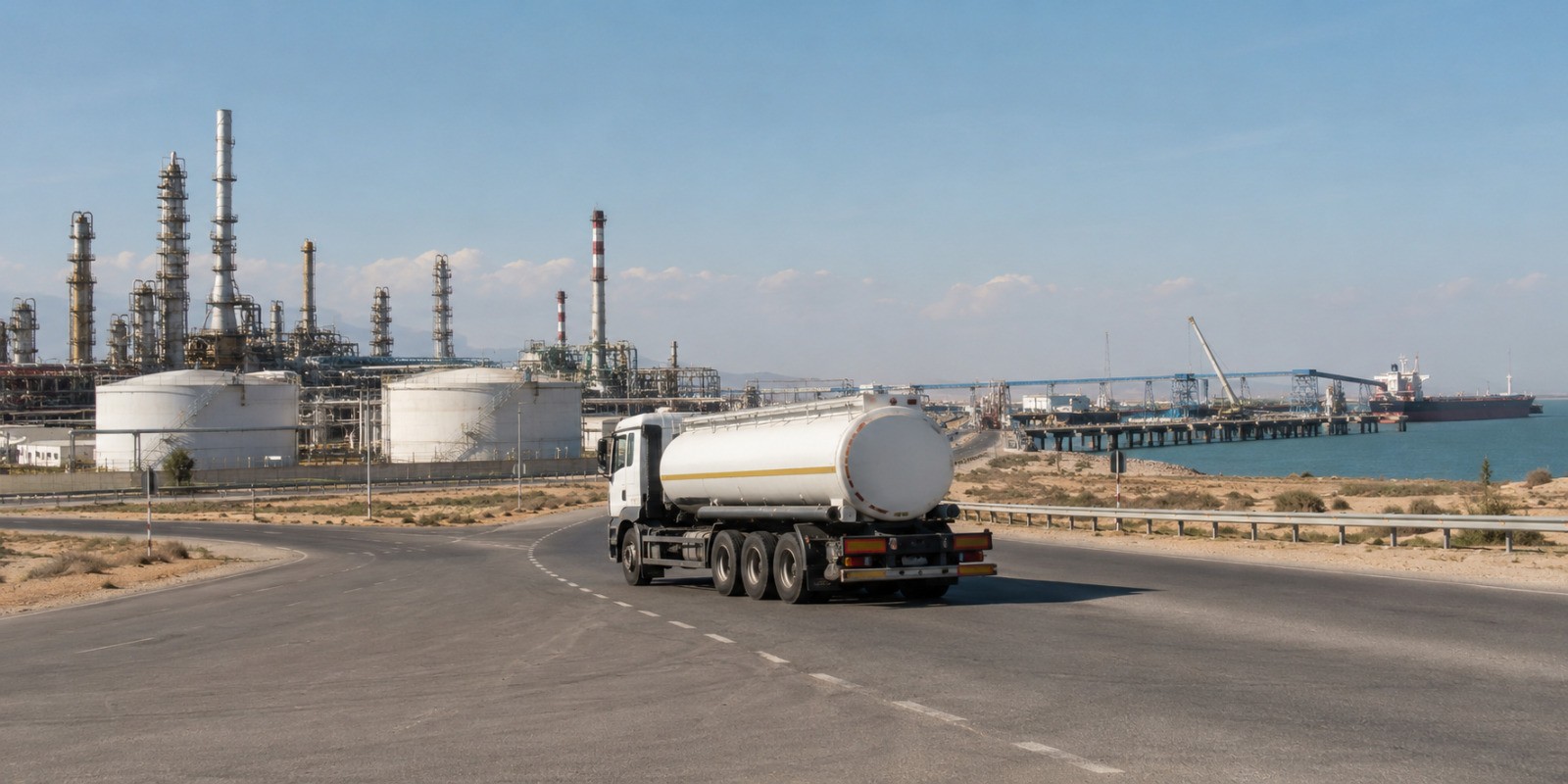
The summer of 2026 marked a turning point for energy security in Central Asia. In July, drone strikes temporarily halted crude oil receipts and loadings at the Caspian Pipeline Consortium’s (CPC) marine terminal in Novorossiysk. Although CPC resumed normal operations on July 27, the incident exposed the vulnerability of one of the region’s principal export routes to external security risks.
Russia, which for decades has been Central Asia’s principal supplier of refined petroleum products, has also faced prolonged pressure in its domestic fuel market. Reduced utilization at some refineries and rising domestic demand have created longer-term challenges. Restrictions on gasoline and diesel exports have added to the pressure, affecting the Russian economy and neighboring states that have traditionally relied on Russian supplies.
For three decades, Central Asia’s system for supplying refined fuels remained relatively stable. Russian refineries covered shortages in local markets, providing fuel that was both comparatively affordable and predictable in volume. The events of 2026, however, reaffirmed a basic principle of national security: during large-scale crises, governments tend to prioritize domestic stability over external trade commitments.
For Central Asian states, this has prompted a fundamental reassessment of long-established approaches to energy security. Any strategy dependent on a single external supplier ultimately becomes vulnerable to disruptions beyond its control, regardless of their origin. The current crisis has also revealed significant differences in how well prepared the region’s governments are to protect their domestic fuel markets.
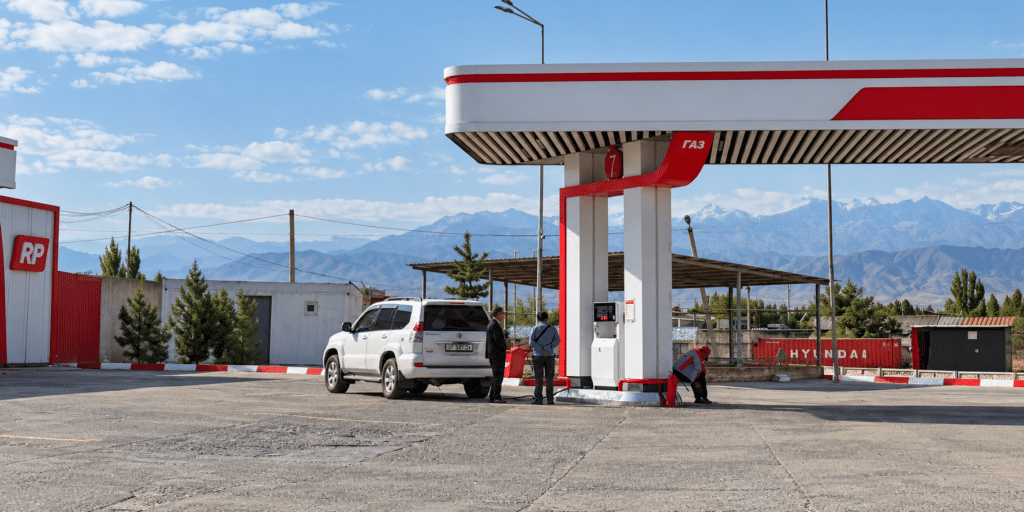
Kyrgyzstan has proved the most vulnerable. The country consumes around 1.6 million metric tons of fuel annually, with 90-95% of supplies imported from Russia. Faced with a sharp reduction in available supplies during May and June 2026, the Kyrgyz authorities were forced to begin urgent negotiations with alternative suppliers, including Kazakhstan, Uzbekistan, Turkmenistan, Azerbaijan, and Belarus.
Uzbekistan has been in a somewhat stronger position. Until recently, Russian companies dominated the country’s imported gasoline market. During the first five months of 2026, Uzbekistan spent more than $1 billion on imports of crude oil and petroleum products, while spending on motor gasoline imports increased by 85.1% compared with the same period a year earlier.
Tashkent has responded by prioritizing strategic fuel reserves. Ahead of the coming autumn and winter season, the government has begun building a 120,000-metric-ton reserve of motor gasoline.
Kazakhstan, meanwhile, enjoys a considerably higher degree of energy self-sufficiency thanks to its developed refining sector, centered on the modernized refineries in Atyrau, Pavlodar, and Shymkent. It is therefore unsurprising that Bishkek turned first to Astana when seeking emergency fuel supplies.
Kazakhstan’s potential to serve as a regional supplier nevertheless has clear limits. The country’s domestic fuel market periodically comes under structural pressure during the spring and autumn agricultural seasons and when planned maintenance is carried out at its refineries. As a result, Astana must balance support for its regional partners with maintaining stability at home.
Although Kazakhstan annually agrees with Russia on duty-free import quotas of up to 1.12 million metric tons of Russian petroleum products under the indicative fuel balance mechanism, the current crisis has produced an unusual paradox. During the summer of 2026, industry sources reported that Kazakhstan was prepared to supply around 50,000 metric tons of AI-92 and AI-95 gasoline to Russia to help stabilize fuel supplies. Negotiations were reported to be continuing at the time.
On July 7, Kazakhstan’s Ministry of Energy announced plans to extend the country’s ban on exports of petroleum products, including gasoline and diesel fuel, until May 22, 2027.
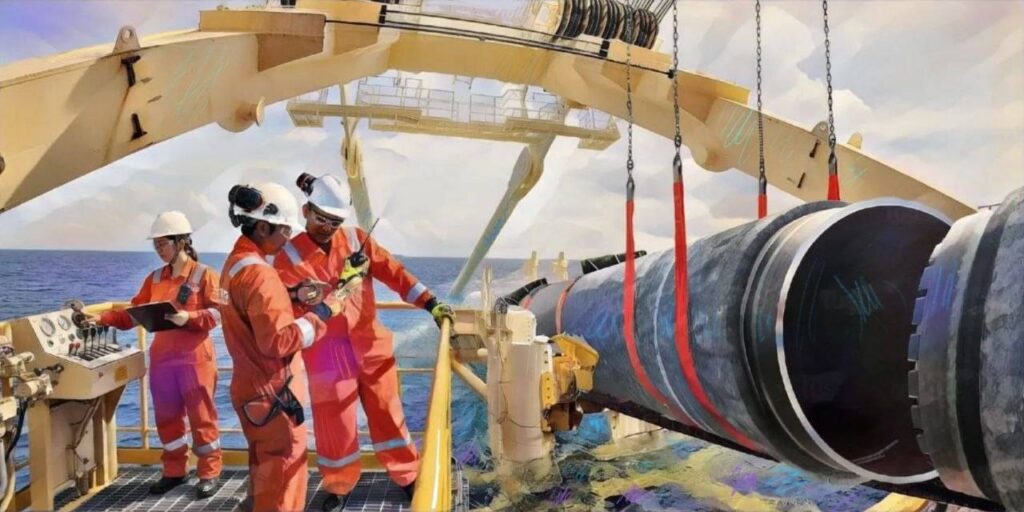
The events surrounding the Caspian Pipeline Consortium offered another illustration of the region’s vulnerabilities. After temporarily suspending crude oil receipts and loadings following drone attacks, CPC resumed operations on July 27. Even so, the relatively brief interruption sharply reduced Kazakhstan’s oil production and again highlighted the country’s dependence on a single export corridor, which normally carries more than 80% of Kazakhstan’s crude oil exports. Although the rapid resumption of operations reduced the immediate risks, it did not eliminate the structural vulnerability associated with relying so heavily on one route.
The fuel crisis of 2026 is encouraging Central Asian countries to develop a fundamentally different model of regional resilience. Governments are actively seeking additional suppliers by expanding cooperation with Caspian states, including Turkmenistan and Azerbaijan, while also looking toward China, whose refining sector has substantial surplus capacity.
China’s domestic crude oil demand is estimated at 750-800 million metric tons a year, while the country’s refining capacity is estimated at 900 million to 1 billion metric tons annually, creating significant scope for exports of refined petroleum products.
The crisis has also highlighted the need for closer regional coordination. Establishing mechanisms for the regular exchange of information and coordinating refinery maintenance schedules among Central Asian energy ministries could help prevent avoidable fuel shortages without creating cumbersome supranational institutions.
Kazakhstan, for example, plans to shut down the Shymkent refinery for scheduled maintenance in October. If Uzbekistan were to close the Bukhara refinery for maintenance during the same period, the region could simultaneously face tighter fuel supplies in two of its largest markets.
If neighboring governments had advance access to one another’s maintenance schedules and up-to-date supply and demand balances, they could stagger refinery shutdowns over time. That would make it possible to offset temporary reductions in supply through strategic reserves, reciprocal deliveries, and adjustments to import flows before shortages emerge.
Geopolitical instability and growing risks to traditional maritime shipping routes, particularly in the Middle East, are redirecting freight flows toward overland transport corridors. The stability of Central Asia’s fuel market is therefore becoming an increasingly important factor in the competitiveness of Eurasian trade routes, including the Middle Corridor.
Road freight is expanding, while Caspian port infrastructure at Aktau and Kuryk continues to grow. New cross-border dry ports also depend on reliable supplies of high-quality fuel. A serious shortage at filling stations or storage depots could delay freight traffic and disrupt delivery schedules.
Fuel market stability is therefore no longer just a domestic economic concern for Kazakhstan and neighboring countries. It also affects international energy and transport security.
The current crisis gives Kazakhstan an opportunity to play a larger role in regional energy stability. Doing so will require accelerated expansion of domestic refining capacity, including continued modernization of existing refineries and faster construction of a fourth refinery. Kazakhstan will also need adequate strategic fuel reserves.
The events of July showed that domestic reserves and refining capacity are insufficient without reliable export infrastructure. Even relatively short interruptions to CPC operations can reduce oil production and limit crude storage capacity. They can also disrupt the country’s overall energy balance.
The era in which countries could rely on a single supplier and one dominant export route is drawing to a close. A more resilient system will require diversified supplies and greater domestic refining capacity. Strategic reserves and closer coordination among Central Asian states will also be essential.
Kazakhstan’s role in that system will depend partly on the volume of oil it produces and on its ability to keep the domestic fuel market stable. Reducing infrastructure risks and supporting neighboring countries during disruptions would allow it to become a more reliable source of regional energy security as Central Asia moves away from dependence on single suppliers and export routes.