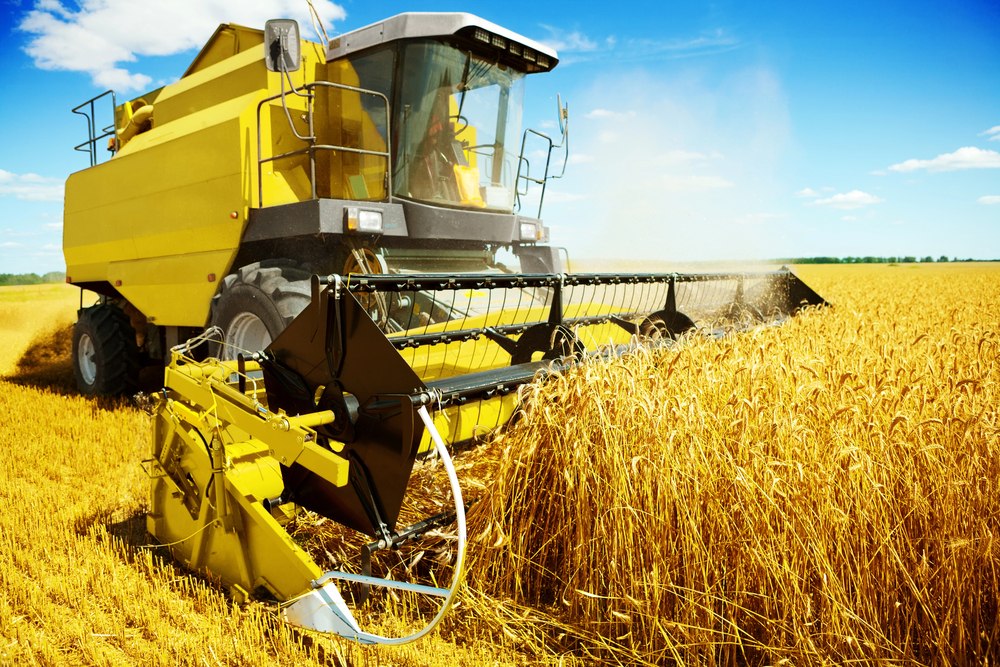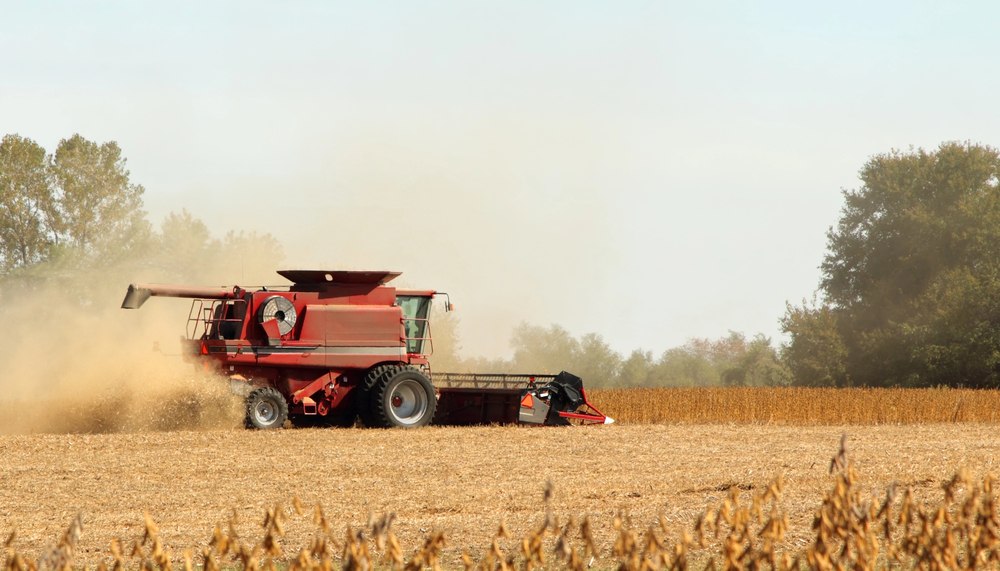
An unusually hot summer has led to an earlier grain harvest in Kazakhstan. Farmers have already collected 7.7 million tons of grain from roughly a third of the country’s grain-growing area, almost twice as much land as had been harvested at the same point last year. The first batches of wheat are also showing noticeably better quality – an important factor for Kazakhstan’s grain exports to Central Asia and other markets.
By this point in 2025, farmers had collected 3.9 million tons of grain, compared with 7.7 million tons this year.
The government said in mid-August that warm weather had brought the harvest forward, adding that newer farm machinery and modern farming technology had helped farmers increase the pace.
It is still too early to say whether Kazakhstan will repeat its record harvest of 2025. Last year, the country produced more than 27 million tons of grain, including 20.3 million tons of wheat.
Expectations for this year had been more cautious. Dry conditions in central and eastern Kazakhstan raised concerns about a smaller crop, and some industry experts suggested production could fall by 15%-20% from last year.
The early results, however, suggest the wheat may be of better quality. Of the soft wheat already delivered to grain elevators and tested, 78% has been classified as Grade 3 and another 14% as Grade 4. Grade 5 and ungraded wheat account for 7%.
Grade 3 wheat is suitable for flour and bread production. The early figures compare favorably with last year, when 53% of soft wheat was classified in Grades 1-3 and 35% as Grade 4.
Gluten levels, another measure of wheat quality, are also strong. Of the wheat tested, 56% has a gluten content above 28%, while another 19% is in the 25%-27% range.
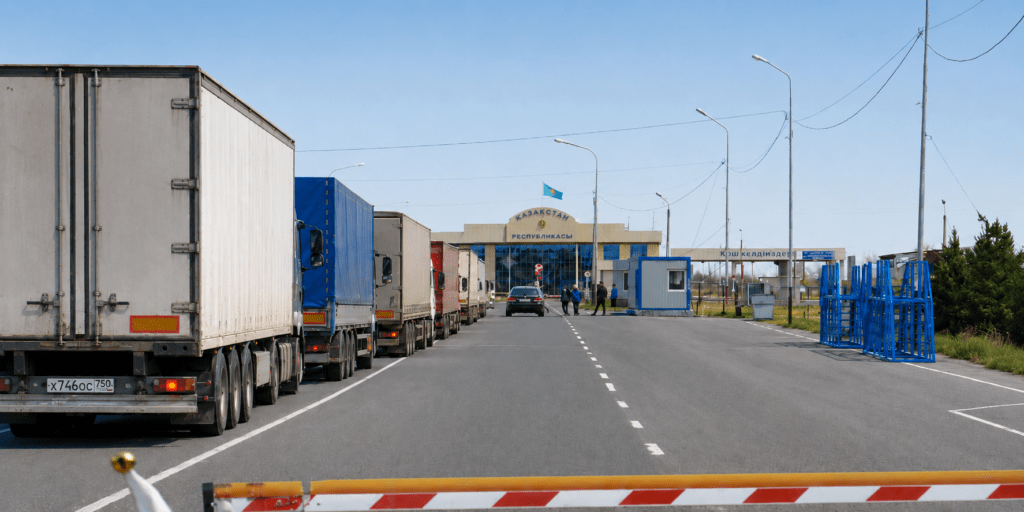
That promises to be a boon for exports. Kazakhstan is a major supplier of grain and flour to Central Asia, and also sells to Afghanistan, China, and other markets. A larger share of higher-quality wheat gives exporters more opportunities to sell into higher-value markets.
Kazakhstan is also changing what it grows. The government has been reducing the area planted with wheat and encouraging farmers to grow more oilseeds and other more profitable crops. In 2025, the oilseed harvest reached a record of nearly 5 million tons.
This year’s oilseed harvest is only just beginning, with 244,000 tons collected so far. According to the Ministry of Agriculture, 98% of grain and oilseed crops are currently in good or satisfactory condition.
With 35.5% of the grain-growing area harvested so far, the early results point to better wheat quality, but the final size of the crop will depend heavily on the harvest in Kazakhstan’s main grain-producing regions in the north.