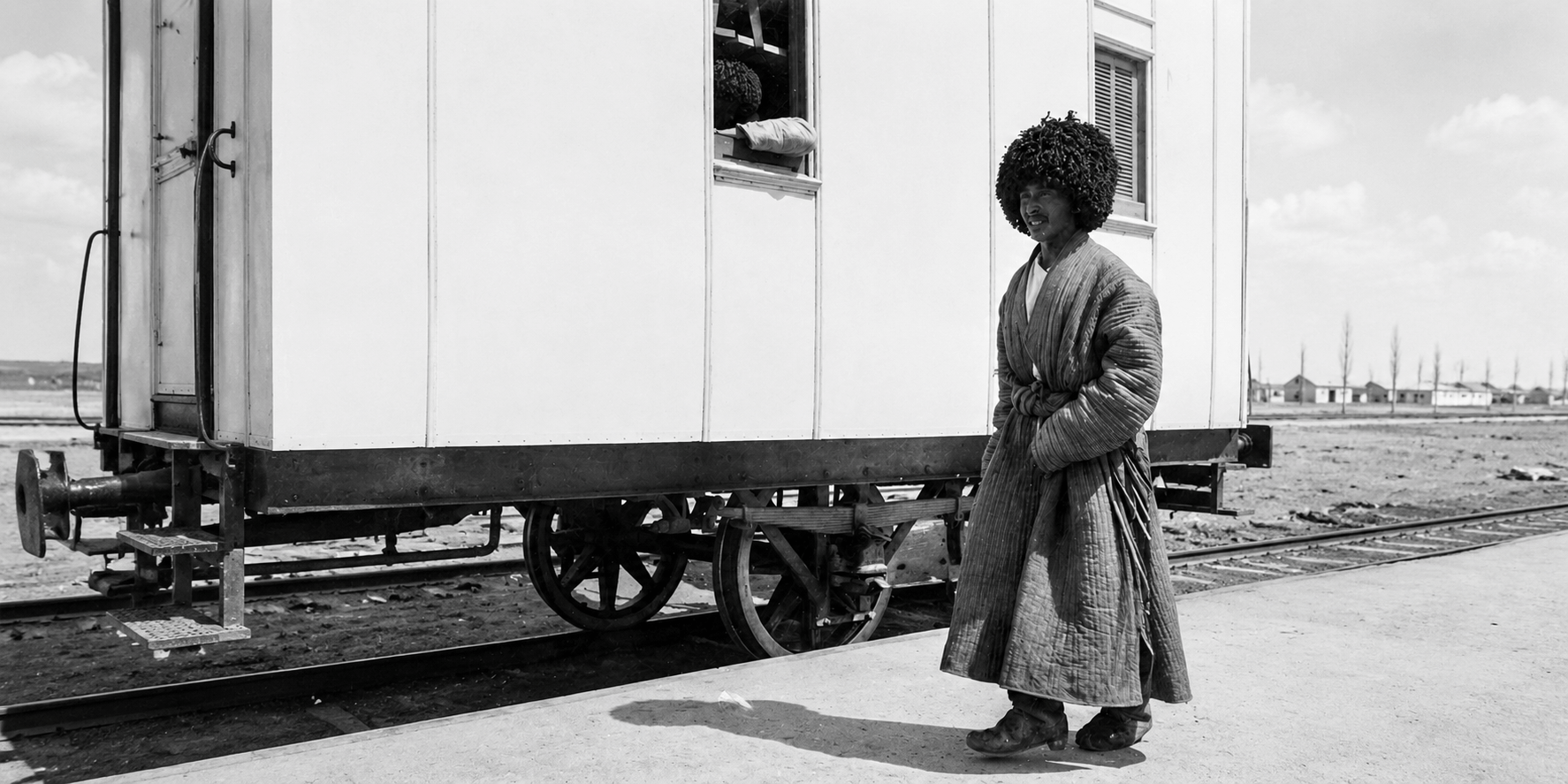
Turkmenistan’s Museum of Fine Arts is showcasing the work of Paul Nadar, a French photographer who documented daily life, ancient ruins and a Russian imperial railway during a three-month trip in Central Asia in the late 19th century.
People in traditional dress are seen in some of the photos in the museum exhibition, offering a glimpse of local society at a time when much of Central Asia was unfamiliar to many in Western Europe. One image shows a solitary figure beside the railway in the Karakum Desert, an expanse that covers much of modern Turkmenistan. Others depict people on horseback. Simple dwellings and a railway bridge over water are shown.
There are also photos of the ruins of a mosque, mausoleums, the citadel gate and other places in Merv, an oasis city on the Silk Road whose history stretches back several thousand years. Today, the remnants of Merv are in Turkmenistan and are on UNESCO’s world heritage list.
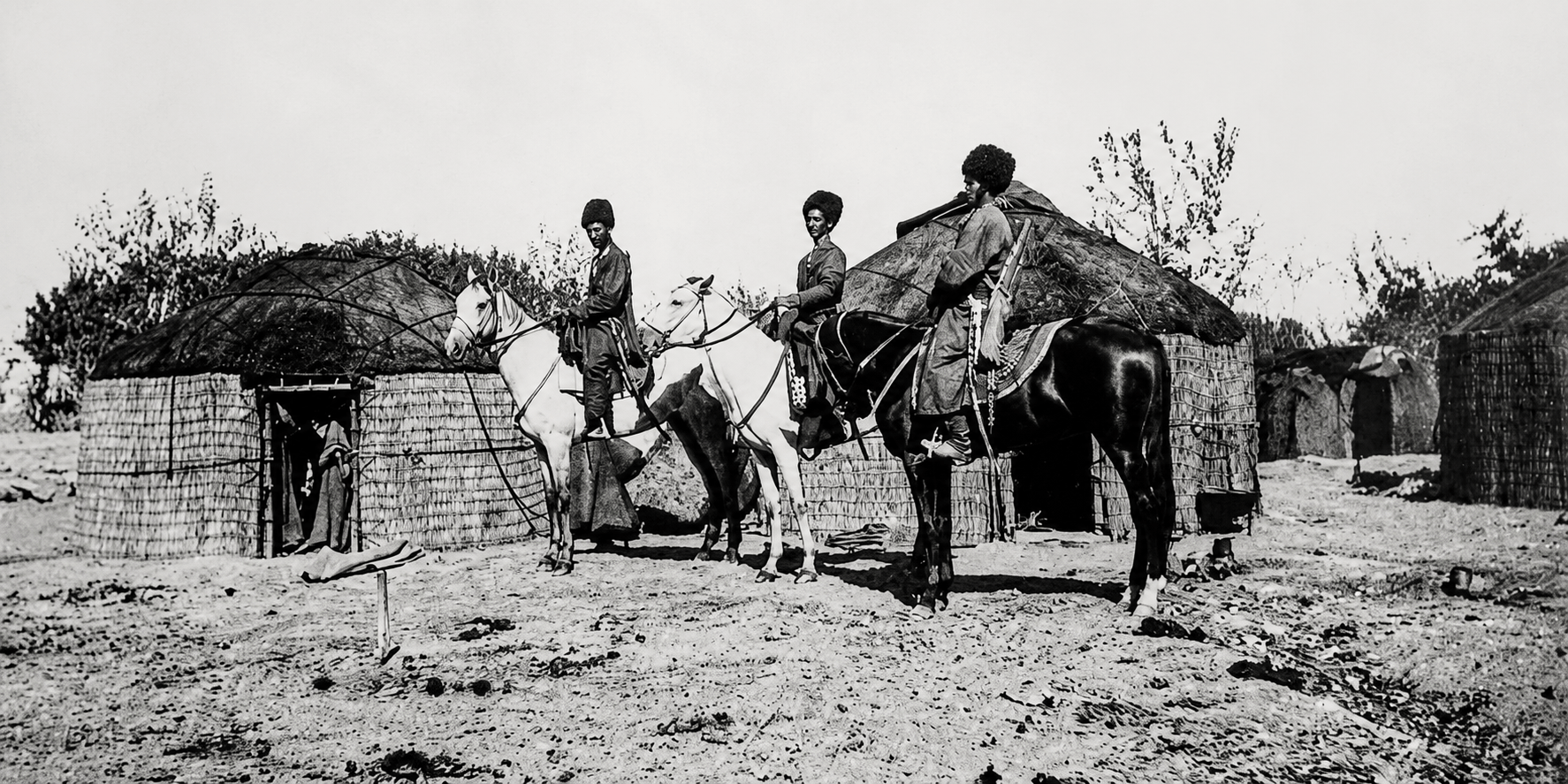
Paul Nadar, son of a prominent photographer widely known by the pseudonym Nadar, traveled in the region in 1890, according to the exhibition titled “Journey Through Turkmen Lands.”
“He was gathering materials for the First International Exhibition dedicated to the development of the Trans-Caspian Railway, which was scheduled to open in Tashkent,” reported Turkmenistan: Golden Age, a state media outlet. At that time, the publication said, the railway “symbolized modernization and the opening of Central Asia to Europe.”
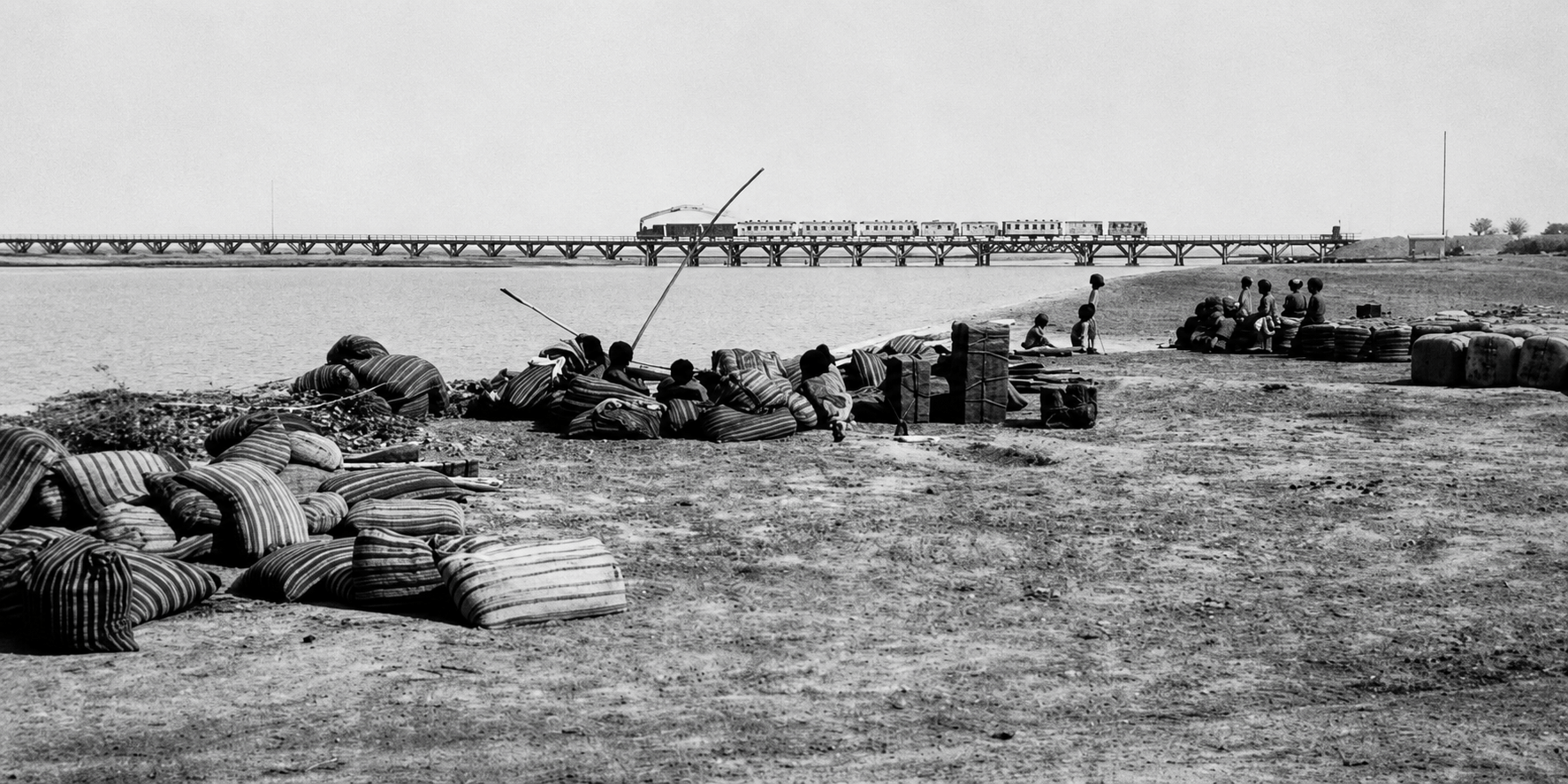
The railway primarily served Russian imperial interests. The Russian military built it in the late 19th century as it solidified control in Central Asia, roughly following old Silk Road trade routes. Today, those routes are the basis for east-west transport channels associated with the developing Middle Corridor network.
Paul Nadar used Kodak and Nadar Express Détective instant cameras to take over 1,800 photographs during his trip in the Turkistan region of the Russian empire, in what are today Turkmenistan and Uzbekistan, according to the Getty philanthropic institution, which has an album of photos from the trip. It said photos from Nadar’s journey were shown not only at the Tashkent exhibition in 1890, but also at several World’s Fairs during that decade. The images were available for purchase at Nadar’s studio in Paris, Getty said.
The photo exhibition in Ashgabat, which includes only a portion of Nadar’s work in Central Asia, opened last week and runs until June 23. It was organized with the help of the French embassy and cultural center in Ashgabat.