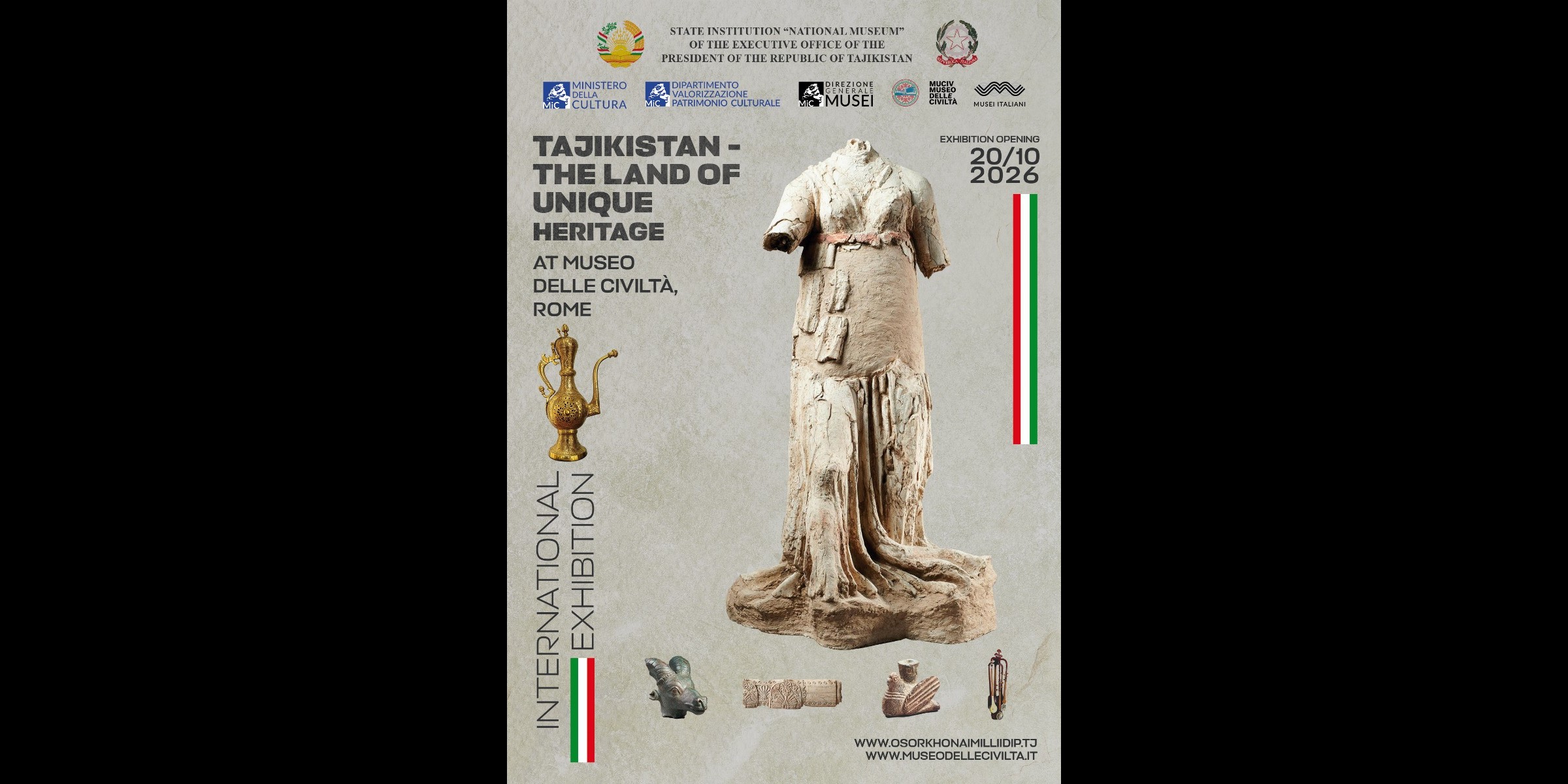
The National Museum of Tajikistan will present an exhibition in Rome later this year, displaying cultural and archaeological heritage spanning about 2,500 years.
The exhibition, titled Tajikistan – The Land of Unique Heritage, will open in Rome on October 20 and mark the 35th anniversary of Tajikistan’s independence from the Soviet Union, according to the National Museum. Tajikistan declared independence on September 9, 1991.
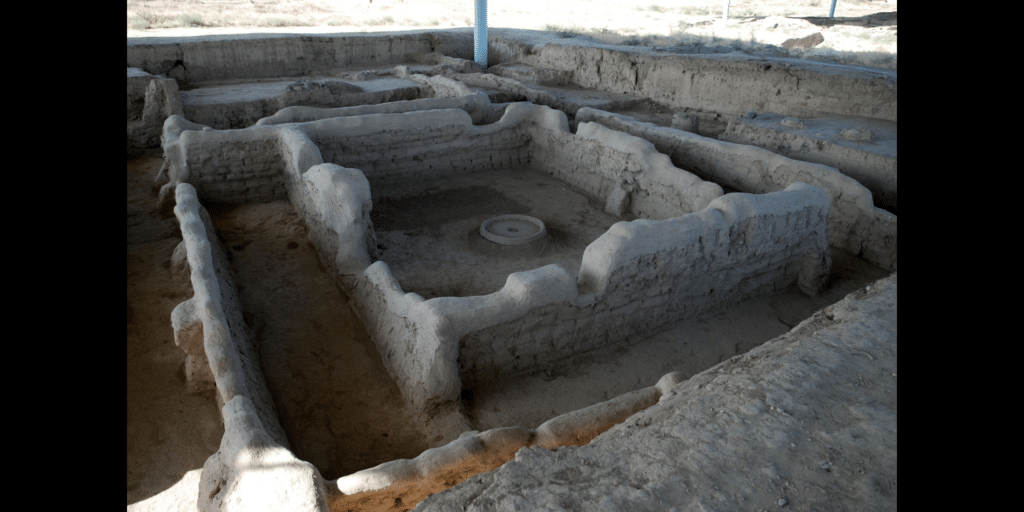
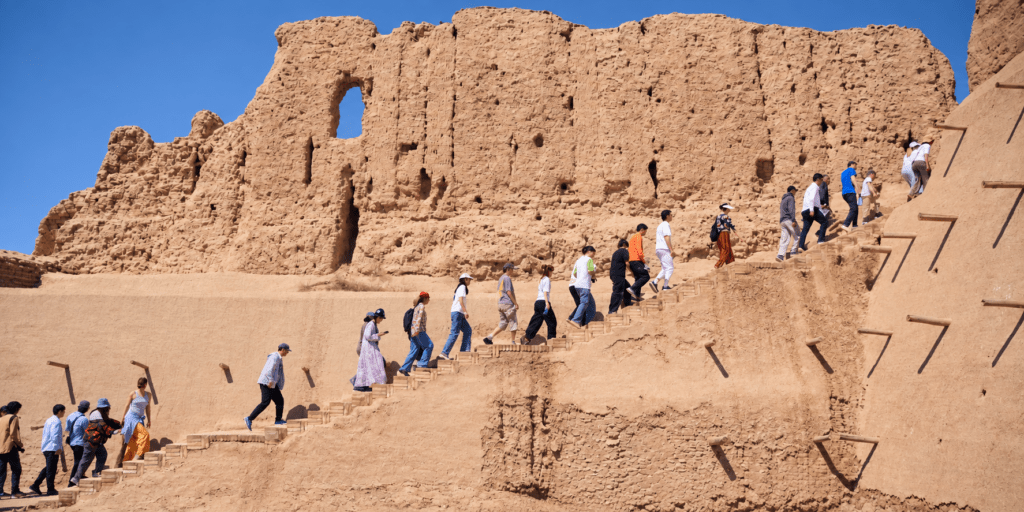
The show includes artifacts from Takht-i Sangin, an archaeological site in southern Tajikistan; the Ajina-Teppa Buddhist monastery, a seventh- to eighth-century site in the south where a large reclining Buddha statue was discovered; and Panjakent, the ruins of an ancient Sogdian city that was part of the Silk Road trade network and lies in northwestern Tajikistan.
“The exhibited artifacts span a chronological period from the 6th century BCE to the 20th century CE, illustrating the major stages in the formation and development of the civilization of the Tajik people,” the National Museum said.
Heritage from Tajikistan has previously gone on display in Europe. From October 2021 to January 2022, the show Tajikistan: The Land of Golden Rivers was held at the Musée Guimet. It featured heritage spanning the period from prehistory to the arrival of Islam in Central Asia in the early eighth century.
Rome recently hosted another exhibition of artifacts from Central Asia. From October 2025 to April this year, the Capitoline Museums presented Ancient Civilizations of Turkmenistan.
On display were “masterpieces from prehistoric Margiana, corresponding to the present-day Murghab River valley in southeastern Turkmenistan, and from ancient Parthia, in particular from Nisa,” a site in south-central Turkmenistan that is more than 2,000 years old, Italy’s foreign ministry said.