An international media rights group has welcomed the release from prison of two journalists in Tajikistan, while urging the government to free others who remain in jail.
Reporters Without Borders, or RSF, said Zavkibek Saidamini and Abdusattor Pirmukhammadzoda were freed on July 18 after four years in detention.
“They should never have been jailed, just like their colleagues, who must also be released,” RSF said.
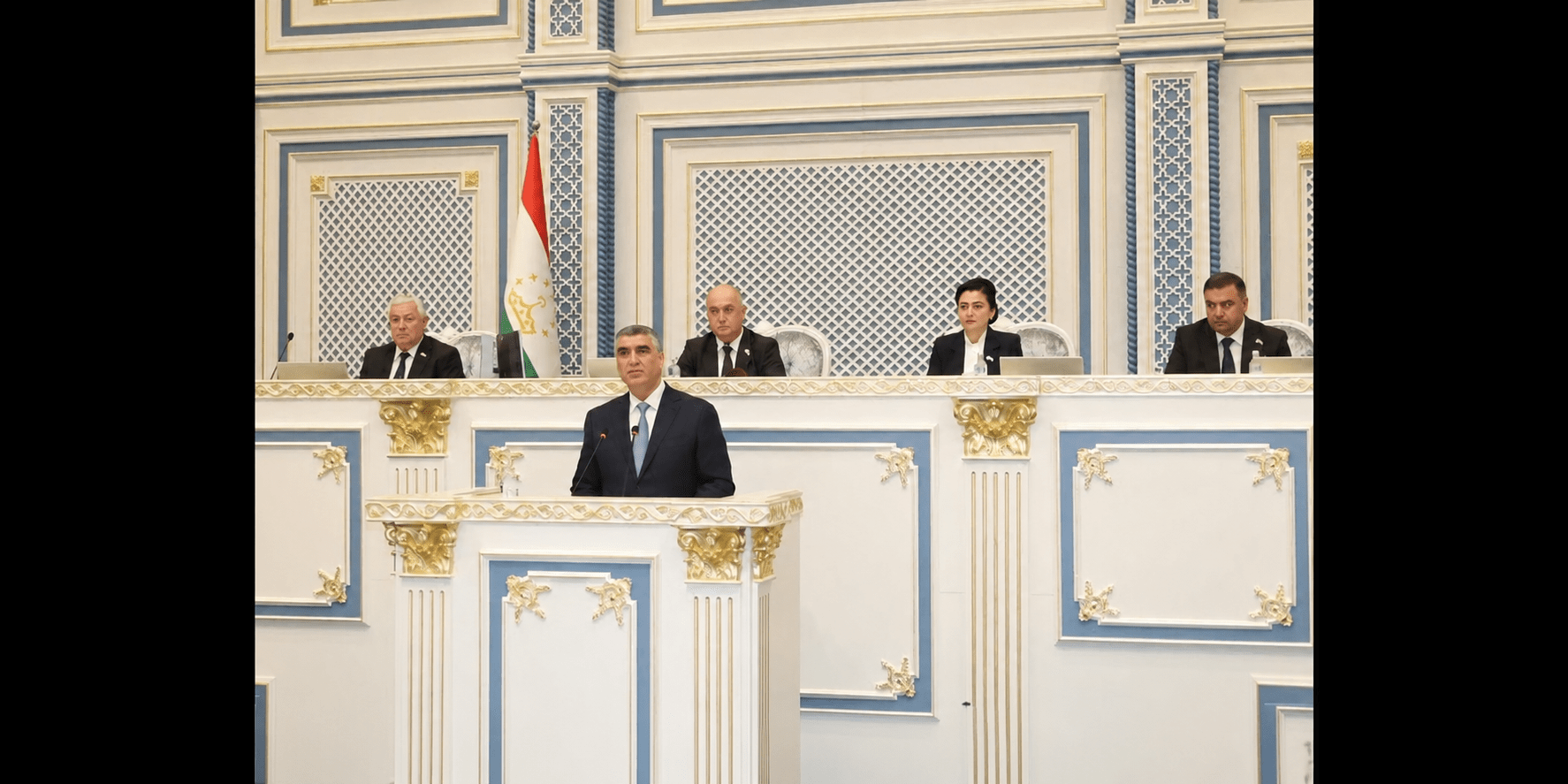
The two journalists were sentenced to seven years in prison in 2022 after being convicted of links to groups labeled as extremist, and were released under an amnesty law that was passed by Tajikistan’s parliament and signed by President Emomali Rahmon in June. Under the new law, thousands of people became eligible for early release or a reduction in the length of their prison sentence.
Saidamini and Pirmukhammadzoda, who had denied the charges against them, spoke about their experience in jail as well as their thoughts for the future in an interview with Asia-Plus, a news agency based in Tajikistan.
Saidamini, 43, said he had been suffering spine and leg problems in jail but hoped to return to journalism, working as a freelancer if state television channels are willing to hire him.
“In the past, we tried to speak about shortcomings,” Saidamini told Asia-Plus. “Our only aim was to help resolve problems in one state institution or another.”
Pirmukhammadzoda, who worked for many years at state radio, didn’t say whether he planned to return to journalism. In Facebook posts in 2022, he was critical of the government and the prosecution of journalists.
Tajik journalists who are still in jail include Abdullo Ghurbati, Khurshed Fozilov, Rukhshona Hakimova, and Ahmad Ibrohim, according to Asia-Plus. Blogger Daler Imomali is also in detention.
In April, the Committee to Protect Journalists submitted a report on what it called a significant deterioration in media freedom in Tajikistan to the United Nations Human Rights Council. It said that since 2022, nine journalists had been sentenced to jail terms of up to 20 years.
In announcing the amnesty law, Tajikistan’s presidency said it “allows persons who have committed crimes to be rehabilitated, return to their families and relatives, and engage in constructive work.”