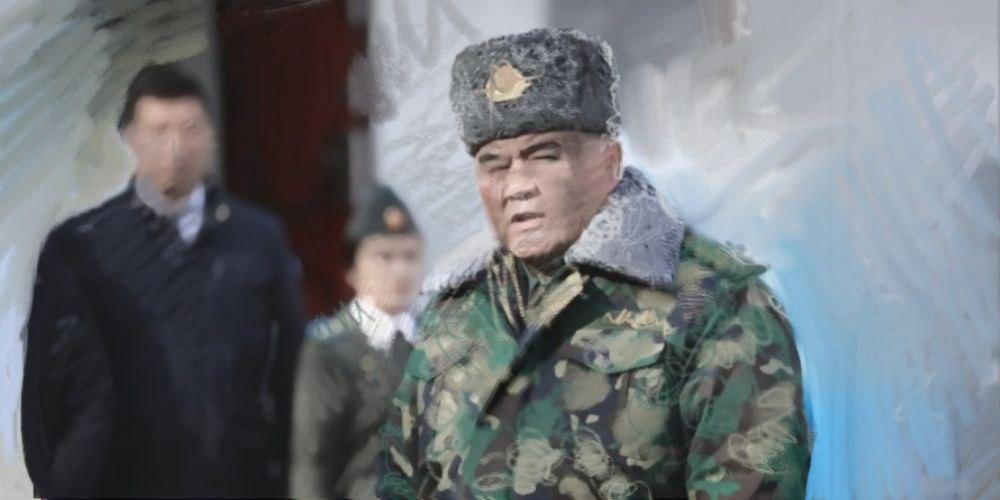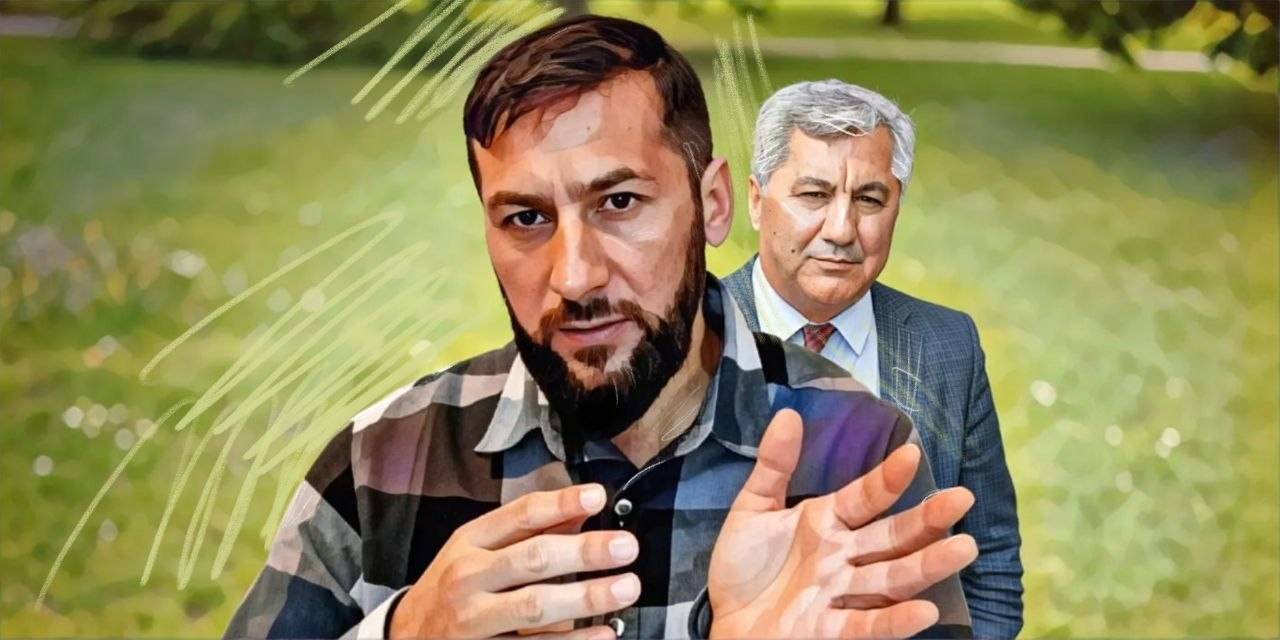
The Islamic Renaissance of Tajikistan (formerly the Islamic Renaissance Party of Tajikistan) has elected a new chairman after longtime leader Muhiddin Kabiri decided to step down. The IRP has been one of the most influential groups in Tajikistan since the country became independent in late 1991.
The organization subsequently became the principal target of a sustained government crackdown, which culminated in its activities being banned in Tajikistan and pressure being applied to members who fled the country.
The New Leader
Members of the IRP’s Supreme Presidium met in Vilnius, Lithuania, on September 19 to choose from three candidates: Abubakr Nuri, Abdukodir Shehov, and Islomiddin Saidov. Sixty-four percent of members voted for Saidov, the group’s first deputy chairman.
In late August 2026, the IRPT changed its name to simply the Islamic Renaissance of Tajikistan.
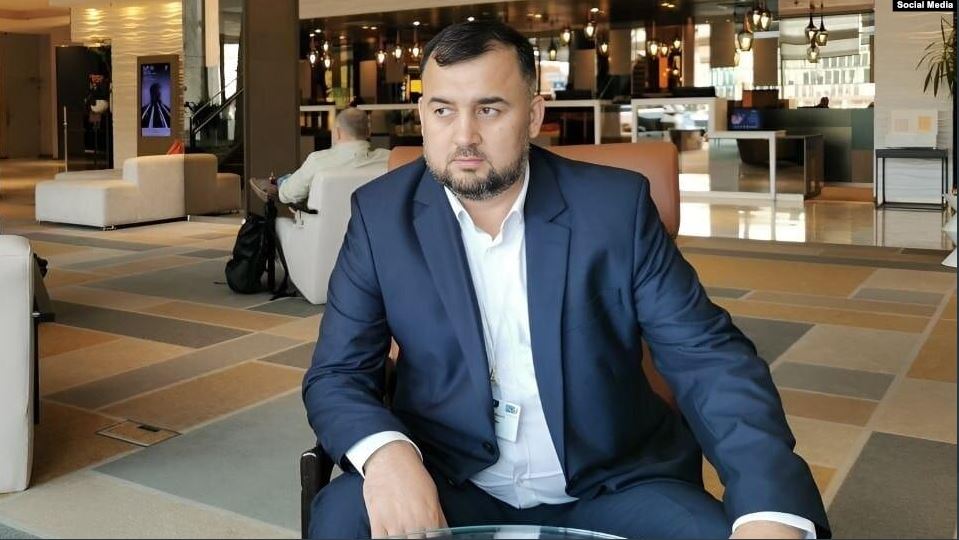
Saidov, who made that announcement, explained to the Tajik opposition’s Azda TV that the removal of the word “Party” and the change of the organization’s symbols were part of internal reforms. The leadership change appears to be another part of those reforms, although Kabiri said he had wanted to step down as the group’s leader for some time.
Edward Lemon, president of the Washington-based Oxus Society for Central Asian Affairs, has followed events in Tajikistan for some two decades. He has lived in the country and speaks Tajik. He met Saidov and describes him as a moderate, much like Kabiri. Saidov is from Nurobod in the Rasht Valley, and, according to Lemon, is a cleric “who takes a firm stance on issues of authoritarianism and Islamic rights.”
Saidov takes over Tajikistan’s largest opposition group, but one that has been embattled for years and forced to conduct its work far from the borders of Tajikistan.
There Since the Start
The Islamic Renaissance Party of Tajikistan (IRPT) was formed in the final years when Tajikistan was a Soviet republic, after Mihail Gorbachev’s perestroika policy was implemented.
Following independence in 1991, the IRPT spearheaded the opposition to the government that eventually took over and was led by Rahmon Nabiyev, a former leader of the Tajik Soviet Socialist Republic who was ousted in Gorbachev’s anti-corruption campaign in the mid-1980s.
When civil war broke out in the spring of 1992, the IRPT joined forces with the Democratic Party of Tajikistan and the Pamiri organization La’li Badakhshan to fight government forces. The IRPT was the backbone of this unlikely alliance.
When the Tajik Peace Accord ended the war in June 1997, then-IRPT leader Said Abdullo Nuri signed on behalf of the opposition. The peace deal legalized all three opposition groups, making the IRPT the first, and to date only, Islamic party to be registered in any Central Asian country since the collapse of the Soviet Union.
The agreement also stipulated that the opposition would receive 30% of positions in the government, from local to ministerial posts.
Marginalized and Ousted
The arrangement lasted only a few years before Emomali Rahmon, who had come to power during the civil war, gradually began removing former opposition members from state posts.
Nuri died on August 9, 2006, and at the start of September his first deputy, Kabiri, was chosen to lead the IRPT. Kabiri spent the next decade fending off pressure from Rahmon’s government. IRPT members were assaulted, and state media picked away at the party’s image.
Despite this constant and growing pressure, the IRPT held on to two seats in parliament until the 2015 elections, when the IRPT officially received only 1.5% of the vote. The result was disputed against a backdrop of serious concerns about the conduct of the election. The party had some 40,000 registered members, making it the second-largest party in the country after President Rahmon’s ruling People’s Democratic Party of Tajikistan.
The defeat in elections was only the start of the IRPT’s troubles.
In September 2015, Tajik Deputy Defense Minister Abdulhalim Nazarzoda allegedly attempted a coup. Government forces quickly chased Nazarzoda and a handful of poorly armed supporters into the nearby mountains and eliminated them.
The government quickly, and without any compelling evidence, connected the IRPT to the plot. Within a few weeks, the party’s activities were banned, most of the leaders who remained in the country were arrested, and before the end of October, Tajikistan’s Supreme Court declared the IRPT an extremist group.
Kabiri was outside the country, living in Europe, when the Nazarzoda fiasco occurred. The Tajik authorities contacted Interpol and had warrants issued for the arrest of Kabiri and other Tajik opposition figures. Interpol removed Kabiri from the Red Notice list in 2018, and later did the same for other IRPT members in Europe.
The Tajik authorities also exerted pressure on some of Kabiri’s relatives. In January 2016, his 95-year-old father was taken off a plane bound for Istanbul, where the elder Kabiri intended to go for medical treatment. In early 2018, Kabiri’s three-year-old grandson was prevented from leaving Tajikistan to receive treatment for cancer for many months. International pressure finally forced the Tajik authorities to relent and allow the child to leave the country.
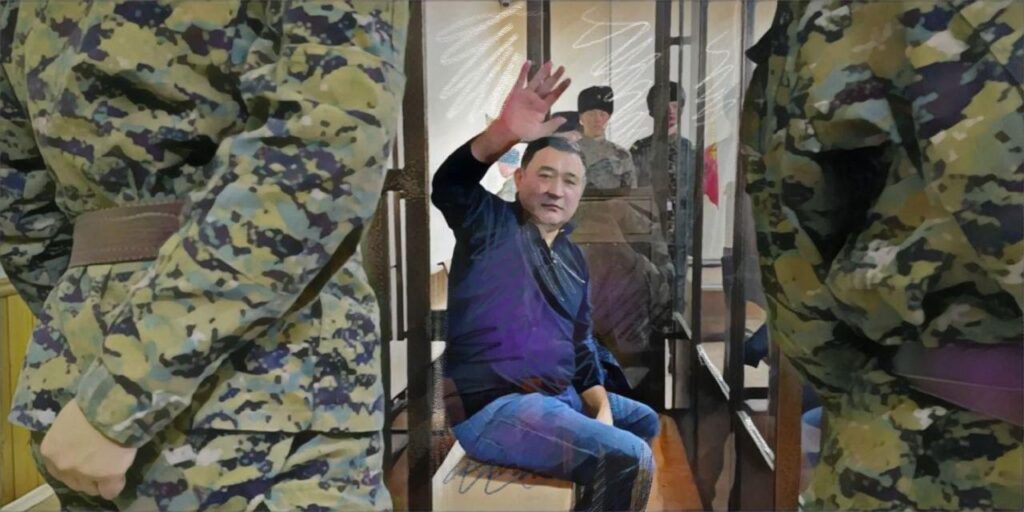
In February 2018, Kabiri was tried in absentia, behind closed doors, in Tajikistan’s Supreme Court. In October that year, he was convicted and given what was described as a lengthy prison sentence. What charges Kabiri was convicted on, and the exact length of his sentence were not made public.
The Future for the Opposition in Exile
Referring to his two decades as leader, Kabiri told RFE/RL’s Tajik Service, “Twenty years is not a short period,” adding, “I personally believe that there should always be rotation and renewal in the leadership of countries, governments, and political parties.”
Kabiri said he would remain active in the IRT’s decision-making process.
However, officially, the era of Islomiddin Saidov as IRT leader has started, and he and his organization face daunting challenges. They have been unable to work openly in Tajikistan for more than a decade, and it is extremely difficult to get messages from the Tajik opposition into Tajikistan.
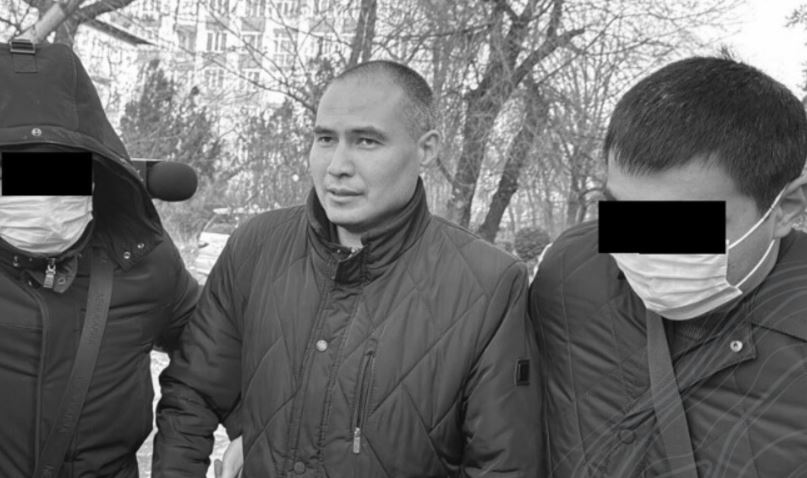
The authorities closely monitor internet activity. In May 2018, Vakhsh resident Alijon Sharipov was sentenced to nine and a half years in prison for liking and sharing IRPT videos he accessed on the internet.
President Rahmon turns 74 in October and has periodically disappeared from public view, most recently for more than two weeks in early 2026. Rahmon has long appeared to be preparing his eldest son, Rustam, 38, as a successor, elevating him to senior posts including mayor of Dushanbe and speaker of the upper house of parliament. However, reports have suggested there is no consensus within Rahmon’s extended family over Rustam succeeding him.
The Islamic Renaissance of Tajikistan once enjoyed significant popularity inside Tajikistan, and while its registered members numbered only some 40,000, its supporters were likely in the hundreds of thousands. Nearly all of these people are still in Tajikistan.
If a future transfer of power in Tajikistan creates political uncertainty, the IRT could have an opportunity to regain relevance inside the country.