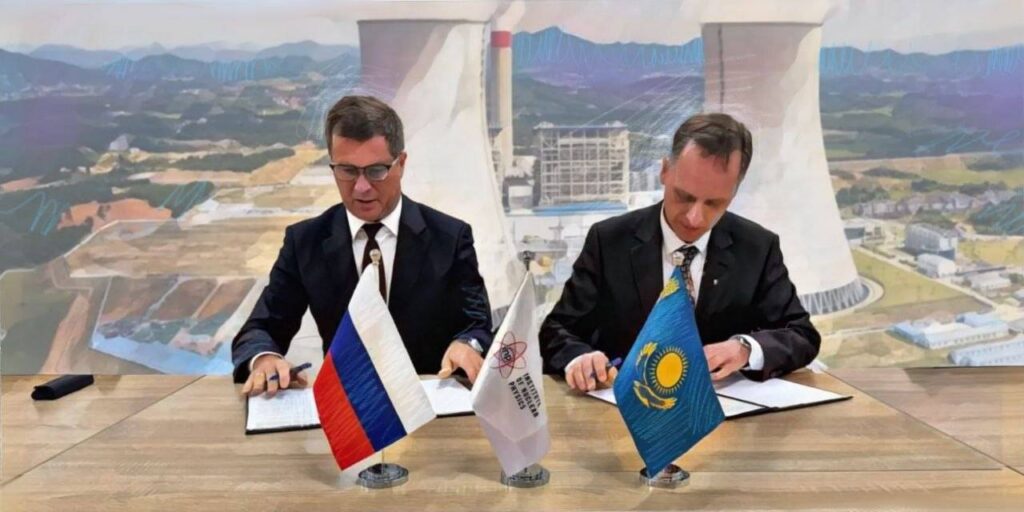
Russian state atomic energy company Rosatom has been selected to build one nuclear power plant (NPP) in Kazakhstan, is building one hybrid NPP in Uzbekistan, is in talks about constructing small reactors in Kyrgyzstan and Tajikistan, and is now trying to sell its products to Turkmenistan.
Turkmenistan is an unlikely customer, as the country has gas-fired thermal power plants (TPP) and the fourth-largest reserves of natural gas in the world to fuel these electricity plants.
However, increasing Western sanctions on Russia that followed Moscow’s decision to launch a full-scale invasion of Ukraine have greatly curtailed Rosatom’s ability to sign new contracts in the West.
That has led Rosatom into Central Asia, and it appears the Russian company sees the Central Asian states as attractive customers.
Turkmenistan: A Gas and Electricity Exporter
Turkmenistan exports some 35 billion cubic meters (bcm) of gas to China annually, and about 9 billion kilowatt-hours (kWh) of electricity to Afghanistan, Iran, Kyrgyzstan, and Uzbekistan combined. The Turkmen authorities are looking to increase the volumes they sell and add to the list of purchasers.
Turkmenistan has ten large TPPs, 254 megawatts (MW) or more, and several dozen smaller TPPs around the country. Turkmenistan’s 2022 census showed the population of the country was slightly more than seven million people, but according to other sources, the figure should be closer to five million or lower.
For most of Turkmenistan’s 35-year history as an independent country, electricity was free for citizens, and while that was abolished in 2019, the price remains relatively cheap compared to most countries. That said, Turkmenistan’s people are accustomed to power outages, mostly due to aging infrastructure.
But the country does have ample supplies of domestically-produced electricity for its needs, especially if the transmission network were to be fully repaired and modernized.
The Rosatom Pitch
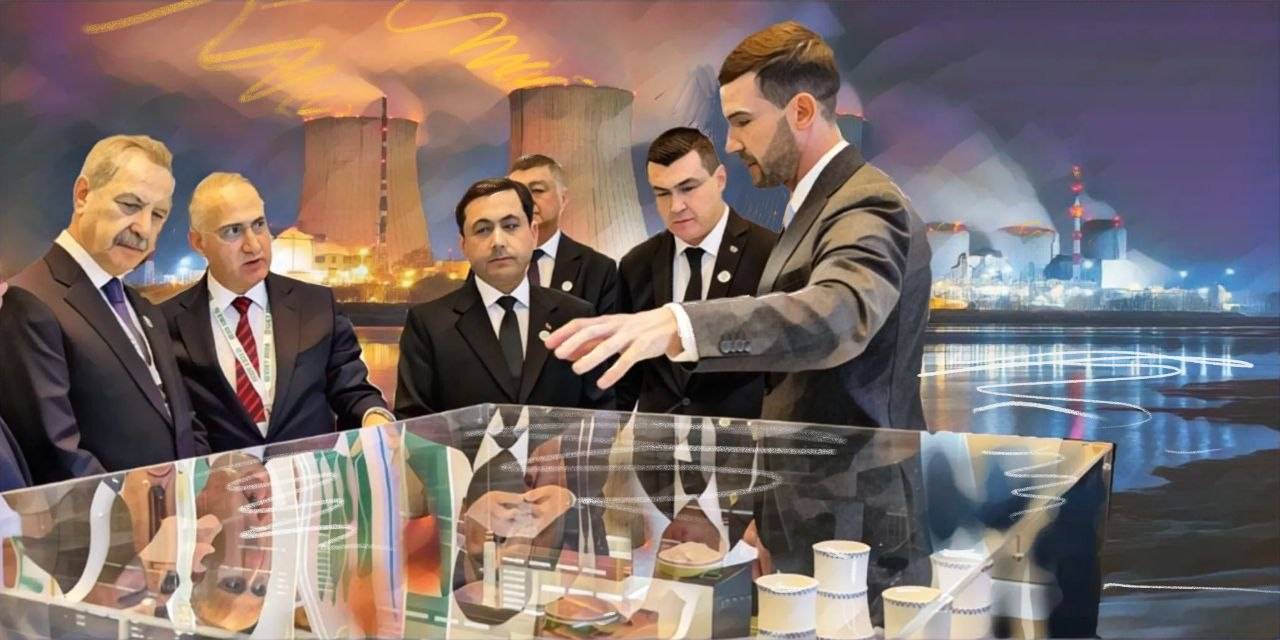
On November 3-5, Ashgabat hosted an international conference and exhibition on the “Development of the Construction, Industrial, Chemical, and Energy Sectors of Turkmenistan.” Representatives from more than 100 companies from 13 countries attended the event.
Rosatom was there, presenting a range of projects involving atomic energy.
Dmitri Konstantinov, the Deputy Director of Rosatom’s Central Asia office, said, “We would like to introduce our partners from Turkmenistan to Rosatom and share information about the modern technologies and projects we offer.”
Konstantinov explained that even countries with abundant energy resources need to diversify their energy mix.
State corporation Turkmengeology reported on Konstantinov’s sales pitch and noted his comments on “small-capacity units.” Konstantinov said Rosatom is looking at other areas of cooperation with Turkmenistan, and mentioned help in building wind farms and in nuclear medicine.
Turkmen visitors to the Rosatom stand at the exhibition included Deputy Chairman of the Cabinet of Ministers Baymyrat Annamammedov, Energy Minister Annangeldy Saparov, and Construction and Architecture Minister Abdulla Geldiyev.
From the Caspian to the Tien Shan
Rosatom is competing for NPP contracts in Central Asia as the company works to expand a portfolio that already includes projects in 57 countries worth more than $200 billion.
Rosatom won the tender in 2025 to build two VVER-1200 reactors at Kazakhstan’s first NPP near Lake Balkhash and expects construction to begin in 2027.
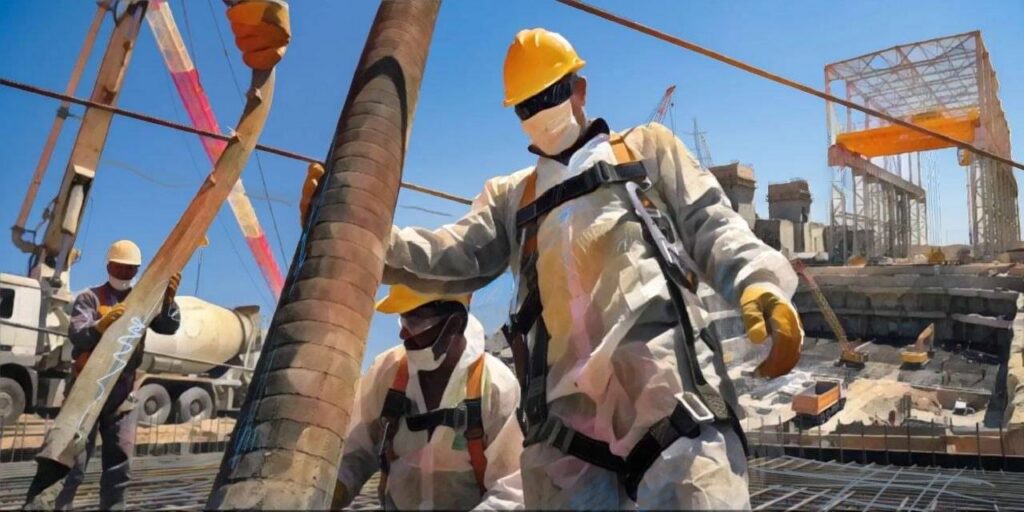
Construction has already started on Uzbekistan’s first NPP. The original contract for the NPP in Jizzakh Province that was signed in 2024 was for six RITM-200N reactors, each with a capacity of 55 MW, but that plan was later changed to a hybrid plant with two RITM-200 reactors and two VVER 1000 units.
Additionally, Rosatom is trying to persuade Kyrgyzstan to build a small NPP with one or two RITM-200N reactors. Rosatom already has a contract to construct wind farms and solar power plants in Kyrgyzstan. It also has a deal with Tajikistan to build wind farms and solar power plants, and is in talks with Tajik officials about possibly building small reactors there.
All four of those Central Asian countries are currently facing challenges in meeting the increasing demand of their citizens and industries for more power.
Kazakhstan and Uzbekistan, the two countries that chose Rosatom to build large NPPs, can afford to pay approximately $16.5 billion and $9.5 billion, respectively, for the plants’ construction in their countries.
Cash-strapped Kyrgyzstan and Tajikistan might eventually opt for small reactors, though both those countries are building large hydropower plants that aim to make them energy self-sufficient.
Turkmenistan’s situation is different. The country’s biggest problem with energy is insufficient links to export the surplus it already has. It is unclear how Turkmenistan could benefit from extra electricity generated by nuclear, solar, or wind.
However, Rosatom is facing competition for contracts, even in Central Asia. China National Nuclear Corporation has been selected to build Kazakhstan’s second and third nuclear power plants, although project details remain under discussion. Uzbekistan has also signaled that it intends to build two more NPPs, and it is unclear which companies will get those contracts.
Rosatom needs to keep a high profile in the region, and a deal with Turkmenistan would give the Russian company bragging rights of building major energy projects in all five Central Asian states.
Turkmenistan might eventually decide that being the only country in Central Asia without nuclear, solar, or wind power is somehow a disadvantage, and now Rosatom has at least pushed the idea that it is ready to fill that gap if and when that time comes.