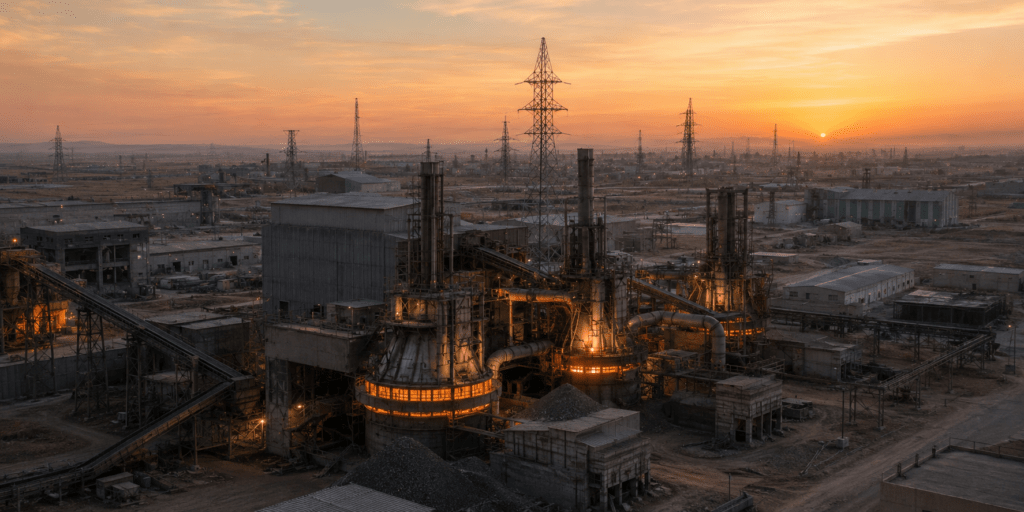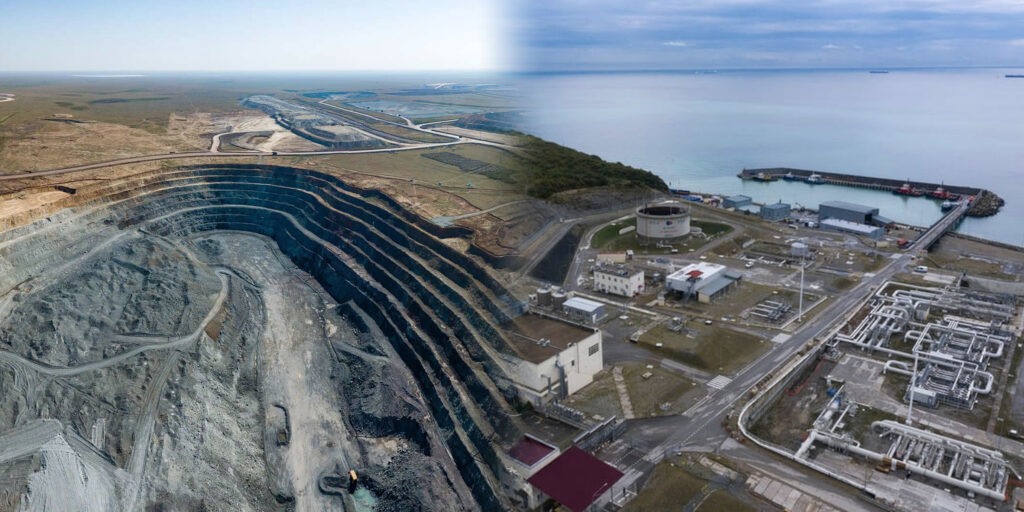
Uzbekistan faces a widening energy gap. Natural gas production peaked in 2008 and, after a partial recovery in the late 2010s, has fallen sharply. Official figures show output dropped from 61.6 billion cubic meters (bcm) in 2018 to 41.5 bcm in 2024. Production fell another 15% year on year in the first quarter of 2026.
The gap is already being filled from abroad. Russian gas deliveries rose 15% in 2025 to nearly 6.5 bcm, while Uzbekistan also imports gas from Turkmenistan. Renewable electricity cannot replace every household or industrial use of gas. It can reduce the volume burned in power stations, leaving more domestic fuel available elsewhere.
Declining output is already changing Uzbekistan’s external position. The country, once a net gas exporter, became a net importer in 2023. Imports help protect households and factories from shortages, but they add costs and increase exposure to Russian and Turkmen supplies. Renewable generation therefore serves an energy security purpose even before its climate benefits are counted.
Natural gas remains the central concern. In its 2022 review, the International Energy Agency said it provided about 85% of Uzbekistan’s total energy and electricity supplies. The government expected gas demand to rise by 30% to 65 bcm by 2030, while electricity demand would roughly double.
The IEA also warned that reserves would last fewer than 20 years at the production rate then prevailing. This was a reserve-to-production estimate, not a fixed depletion date. New discoveries or investment could extend it. Lower consumption would do the same.
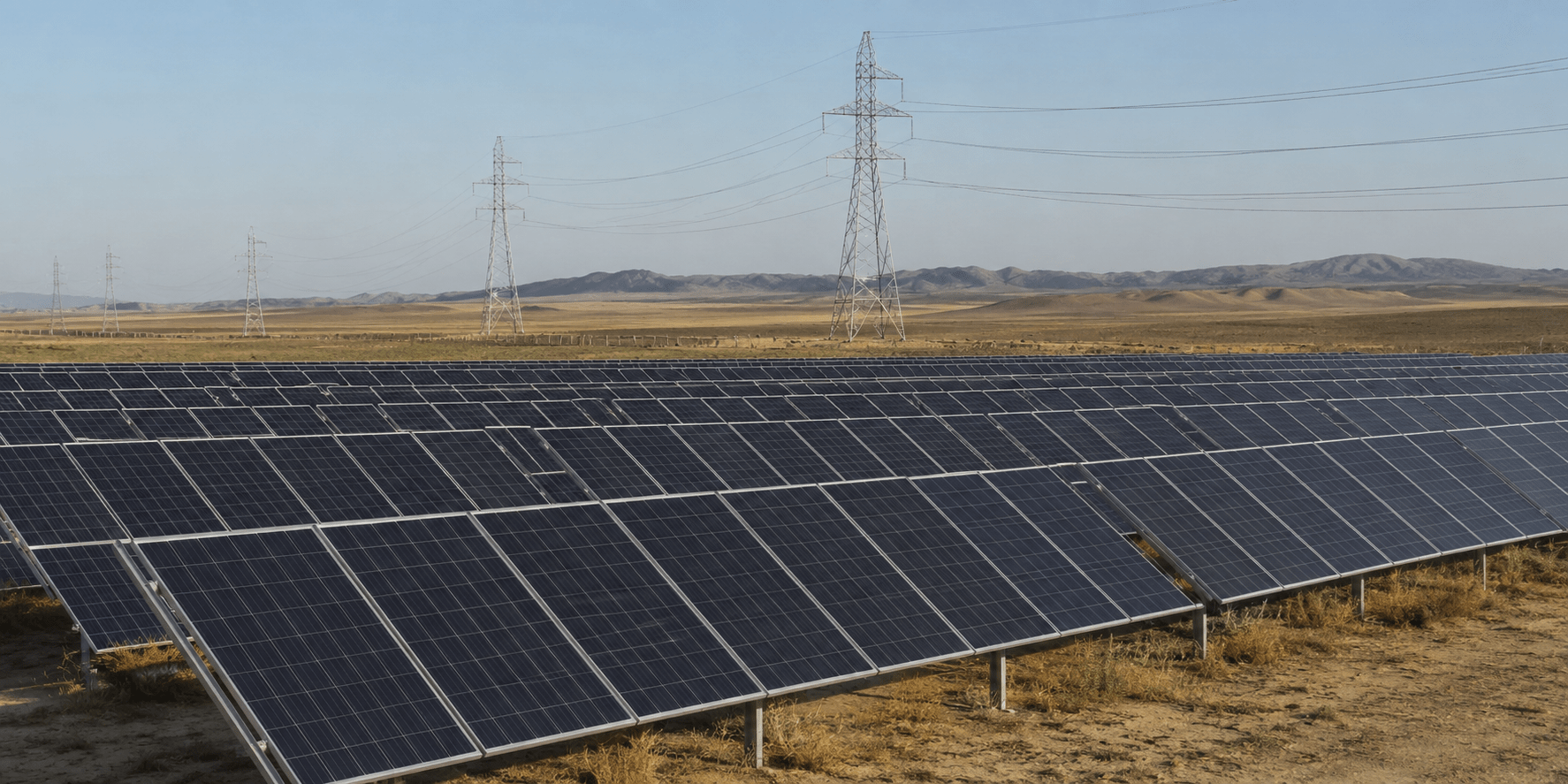
The government has responded with a rapid renewable buildout. In 2025, solar and wind plants generated more than 10.5 billion kWh of electricity. Renewable generation, including hydropower, reached 16.8 billion kWh. The Ministry of Energy said this saved about 3.2 bcm of natural gas.
That saving was equivalent to roughly half the volume Russia supplied during the year. It shows that renewables already ease the shortage. Yet 3.2 bcm remains far below the roughly 20 bcm fall in annual gas production since 2018. On current figures, the green transition is slowing the impact of the decline, not yet offsetting it.
The buildout forms part of Uzbekistan’s 2019 Green Economy Transition Strategy. Renewable projects bring foreign investment and create opportunities for domestic suppliers. In December 2025, President Shavkat Mirziyoyev said local companies had supplied $700 million of materials and electrical equipment while also providing services to energy projects. Renewable generation also limits import demand by reducing the gas burned in power stations.
Large projects depend heavily on decisions by the state. Procurement and land allocation affect who receives contracts. Grid access and investment approvals shape how quickly plants are completed.
RFE/RL has documented concerns over opaque subcontracting in Uzbekistan’s solar sector. Its 2024 investigation found that two subcontractors on the Sherabad project were absent from publicly available documents. One company had been incorporated only two days after construction began. A founder denied accusations of corruption, while principal contractor Masdar did not respond to questions.
The investigation did not establish that the wider renewable program was designed to benefit political insiders. It showed, however, how limited disclosure can weaken public confidence. Competitive procurement and clear identification of subcontractors would reduce that risk.
Generating capacity is only part of the answer. Solar and wind require stronger transmission networks and storage. They also need flexible backup capacity to supply electricity when output falls. In December 2025, Mirziyoyev said planned industrial and infrastructure projects would raise electricity demand by at least 50%.
Energy efficiency is equally important. The IEA said subsidized gas and electricity prices weaken incentives to conserve energy. Aging networks add further losses. Tariff reform could reduce waste, but the government would need to protect vulnerable consumers from higher prices. Every unit saved reduces both import demand and the need for new generating capacity.
The government plans to commission more than 17 gigawatts of additional renewable capacity by 2030. It also plans 6,000 kilometers of new high-voltage lines to integrate that capacity. These targets show that Tashkent recognizes the grid constraint. Delivery will determine how much gas the new plants actually displace.
Uzbekistan’s green transition can offset a growing share of its gas decline, but it is not yet moving fast enough to cover it. The 2025 gas savings were substantial but remained well below the loss in domestic output since 2018. Renewable plants must be matched by grid investment and storage. Faster efficiency gains and transparent procurement will also affect how much gas they displace. Until then, imports will continue to fill the gap.
The views expressed in this article are those of the author and do not necessarily reflect the official policy or position of the publication, its affiliates, or any other organizations mentioned.