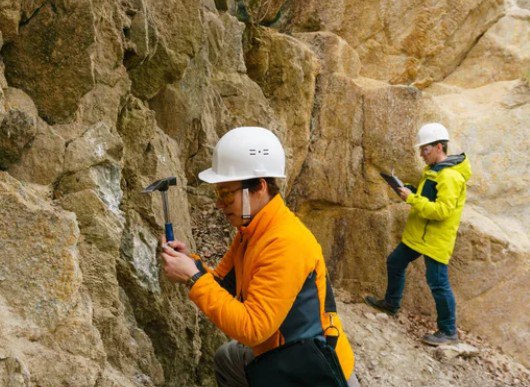
Kazakhstan is embarking on its most ambitious geological exploration program in over 15 years. Over the next three years, the government plans to invest more than $470 million in the study of mineral resources, a figure that surpasses the total investment in the sector over the previous decade and a half.
According to the government, a central element of this strategy is the shift toward more detailed mapping of mineral resources, aligned with international standards.
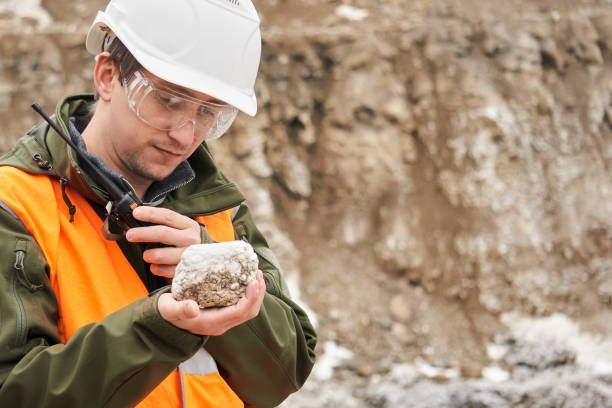
In 2025, new-generation geological survey projects were launched, covering an area of approximately 100,000 square kilometers. These territories will later be divided into the most promising sites for in-depth exploration and analysis.
This initiative is not merely a budgetary expansion but a long-term effort to lay the foundation for Kazakhstan’s future resource base. Detailed mapping helps reduce geological uncertainty and significantly influences private investors’ readiness to commit to early-stage projects.
The total funding, set at $470 million, will cover a range of activities, including geological surveys, seismic studies in underexplored sedimentary basins, and the development of modern geological infrastructure. For context, total investment in Kazakhstan’s geological exploration from 2010 to 2025 amounted to $469 million.
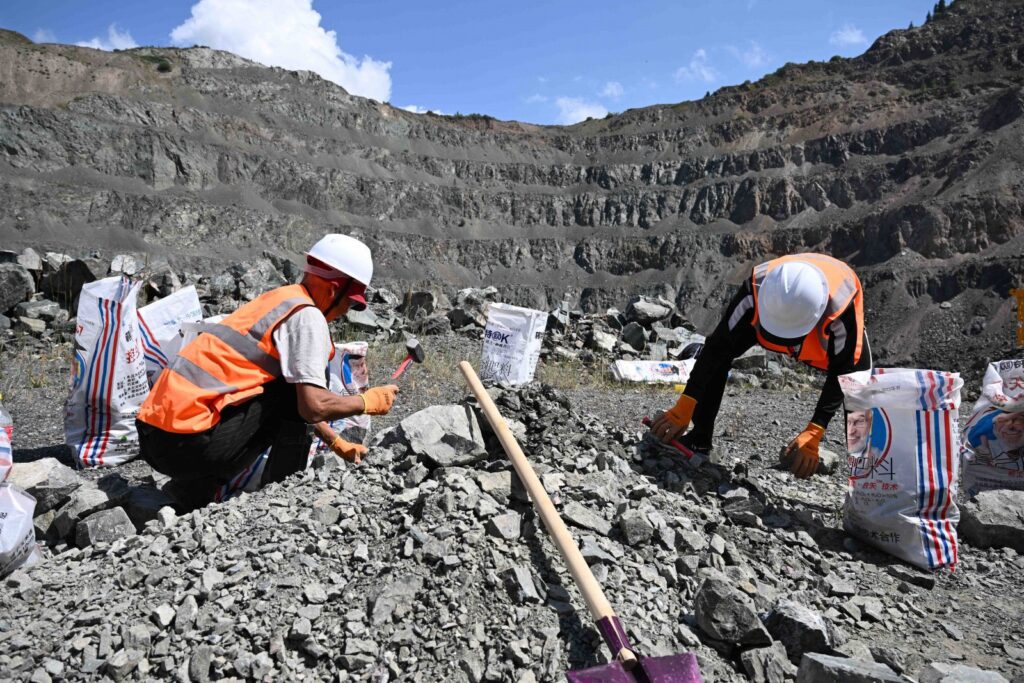
The program incorporates remote sensing, aero geophysical and geochemical studies, and large-scale fieldwork. In identifying high-potential sites, authorities considered factors such as reserve depletion, low activity by current subsoil users, and the strategic value of specific minerals.
The government has highlighted regions with strong potential for copper, gold, lead, zinc, rare earth elements, barite, and bauxite. A dedicated portion of the program will focus on seismic exploration in the largely understudied oil and gas basins in the north and south of the country.
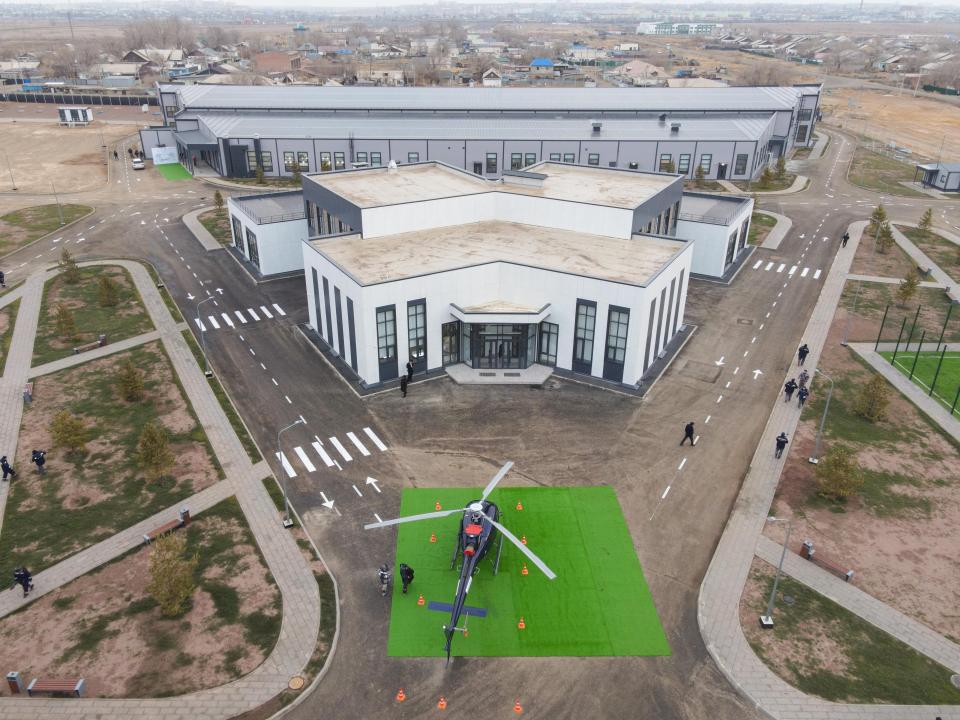
Plans also include modernizing laboratory and analytical capabilities and digitizing geological data. The shift to high-resolution mapping, already standard practice in countries such as Canada, Australia, and EU member states, is expected to improve forecasting accuracy and reduce investment risks.
As previously reported by The Times of Central Asia, Kazakhstan has emerged as a global leader in proven reserves of rare earth metals, driving renewed interest from international companies in the country’s expanding geological exploration sector.