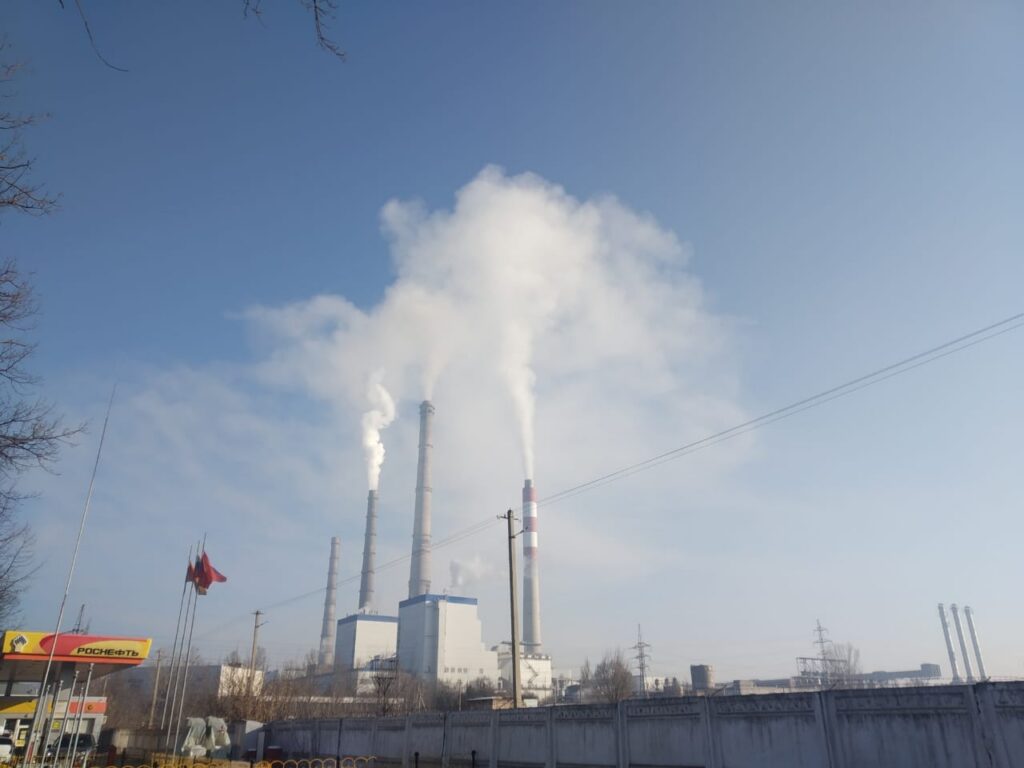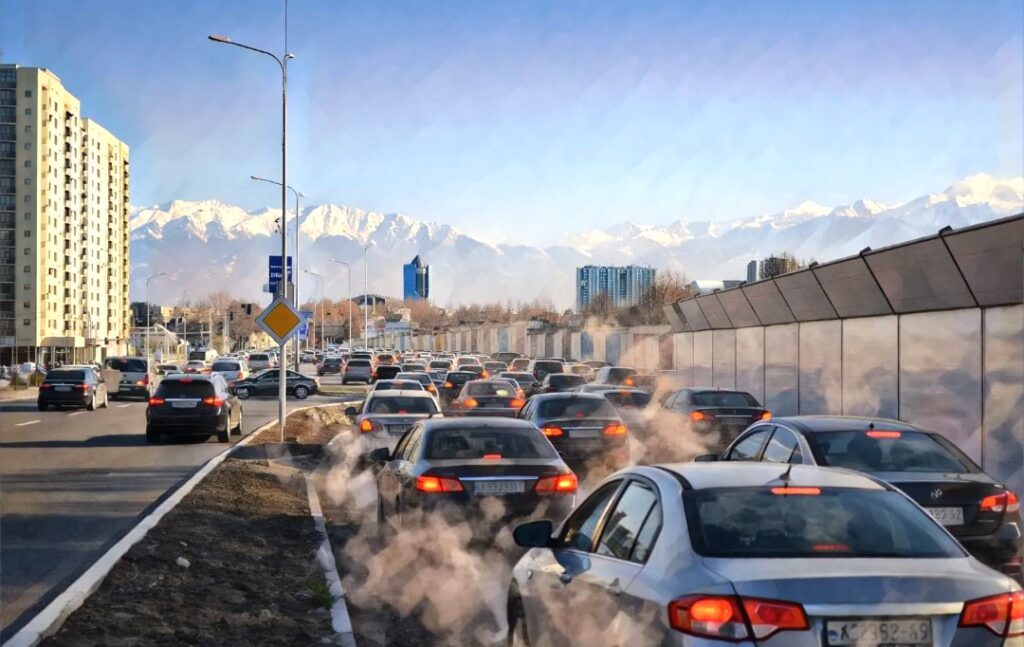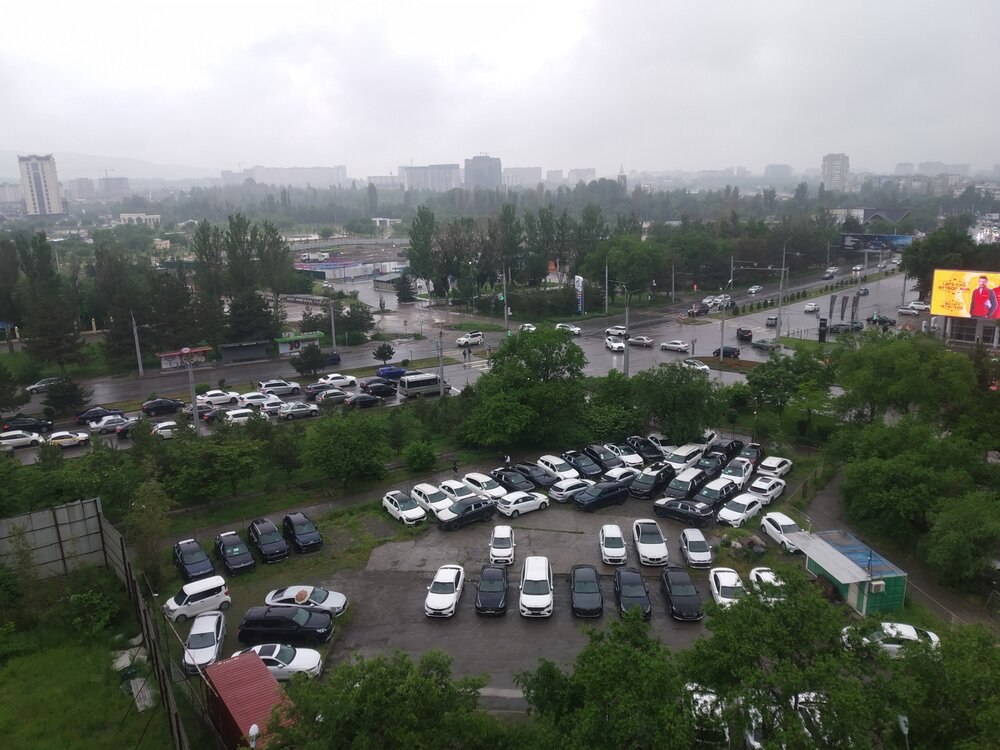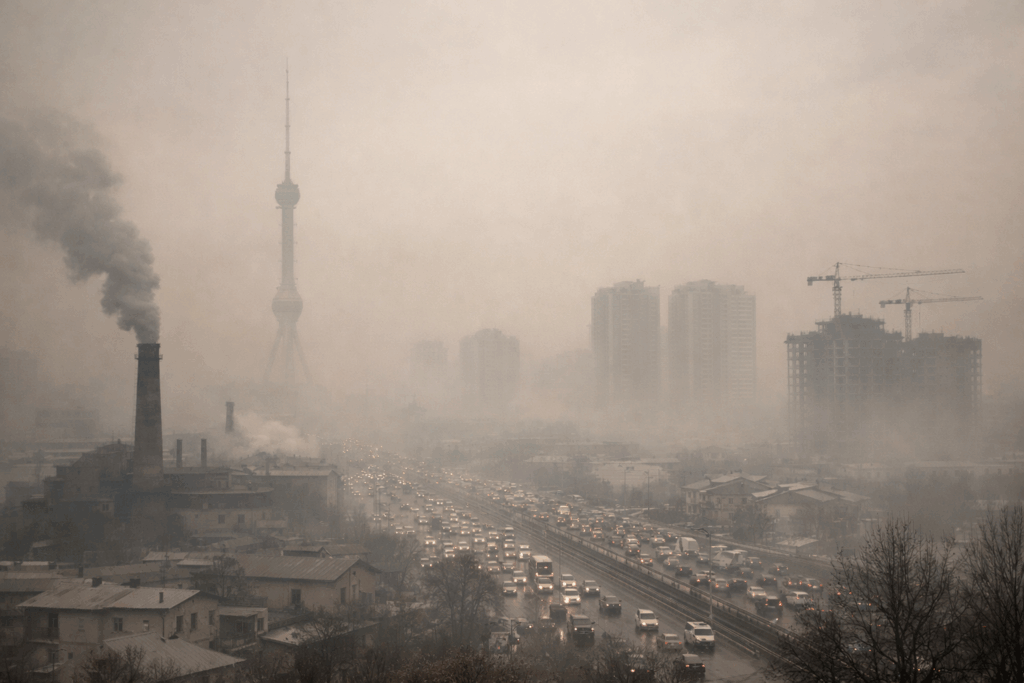
On October 21, Bishkek hosted the National Multi-Stakeholder Dialogue “Tackling Transport Air Pollution in Kyrgyzstan: Towards Clean Air in Cities All Year Round.” The event gathered representatives from government bodies, international organizations, environmental NGOs, academia, and civil society.
Participants discussed coordinated actions and practical solutions to reduce air pollution and improve environmental conditions in Kyrgyz cities. Key proposals included transitioning to cleaner fuels, expanding public transport, improving energy efficiency, and implementing stricter emission standards. A systemic approach was emphasized, involving the promotion of electric vehicles, public environmental education, and robust air quality monitoring.
Experts warned that transport-related pollution is a leading contributor to chronic diseases and premature death, particularly among vulnerable populations.
Kyrgyz Minister of Natural Resources, Ecology and Technical Supervision, Meder Mashiev, highlighted that while previous efforts had focused on pollution during the heating season, new World Bank analysis shows that vehicle emissions significantly impact air quality year-round in Bishkek.
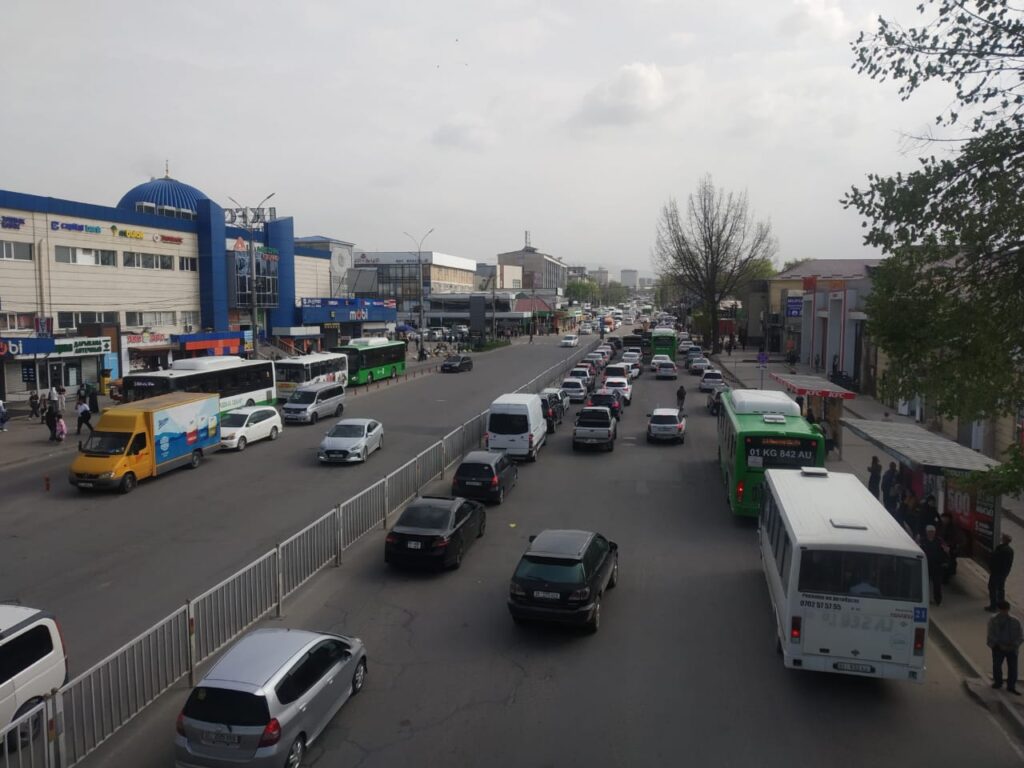
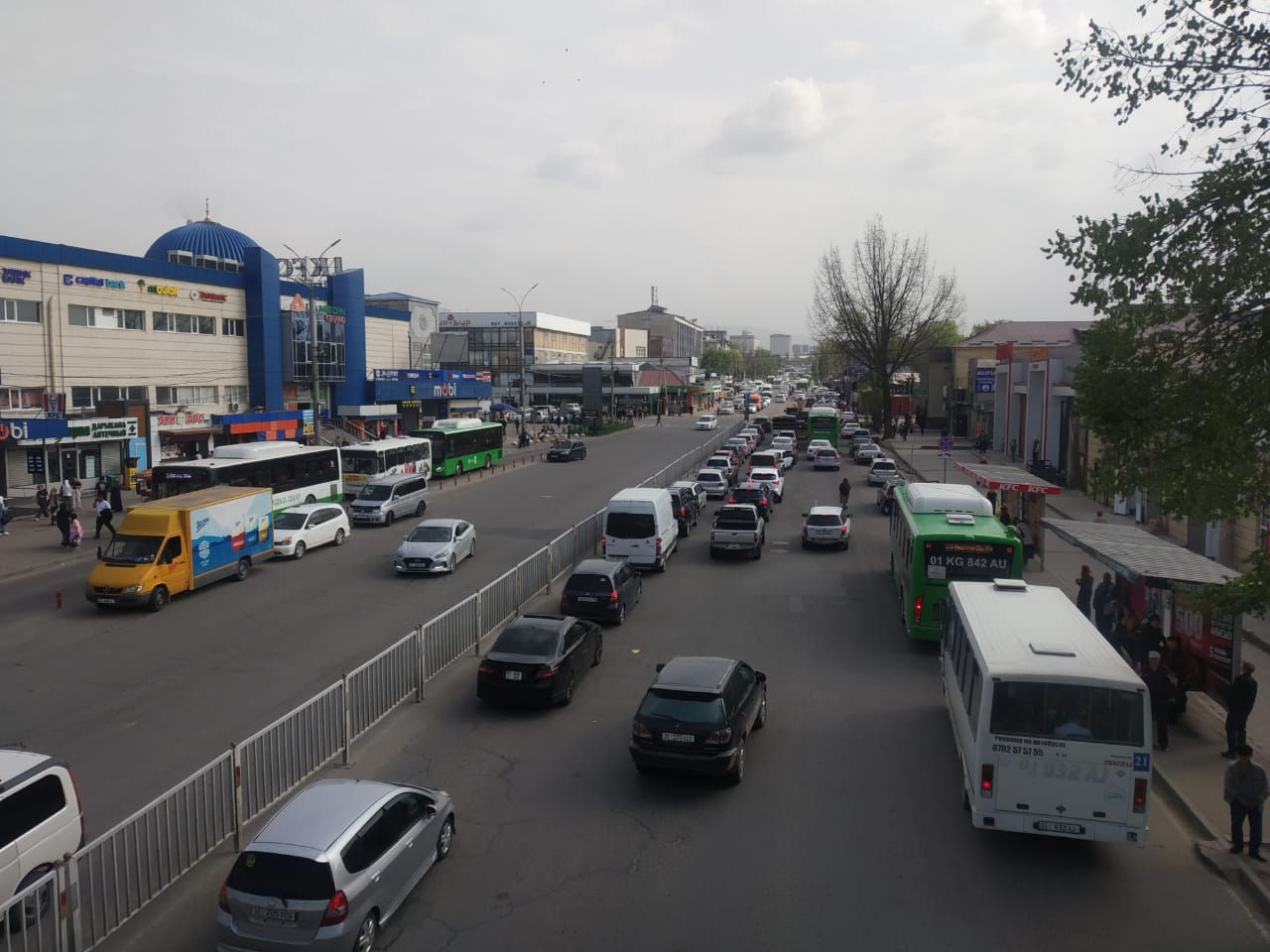
According to the Ministry, vehicle emissions account for roughly 30% of air pollution in the capital. In 2024, 1,674,085 vehicles were registered in Kyrgyzstan, with 83% or 1,392,737, over 15 years old. In Bishkek, 426,946 vehicles were registered, including 333,801 older than 15 years, most of which do not meet modern environmental standards.
The city administration reported that more than 750,000 vehicles operate on Bishkek’s roads daily, more than double the road network’s intended capacity of 350,000. This, combined with poor fuel quality and widespread reliance on private cars, has led to a systemic environmental challenge.
Mashiev outlined several initiatives to address the issue.
First, the city is transitioning to environmentally friendly public transport. Over 1,300 eco-friendly buses and 120 electric buses have been delivered to Bishkek. Each new bus replaces approximately four diesel buses, cutting diesel fuel consumption by around 100 tons per day. By the end of 2024, 3,535 electric vehicles were registered in the capital, and 44 charging stations had been installed.
Second, modern air quality monitoring systems are being deployed to enable more accurate and responsive pollution tracking.
Third, updates to the regulatory framework are being implemented to improve emission controls and compliance mechanisms.
“We have already taken concrete steps to improve air quality in Bishkek, the use of low-quality coal has been banned, large-scale greening projects are underway, and an active transition to alternative energy sources is in progress,” said Mashiev.
He concluded that similar measures would be introduced in other major cities across Kyrgyzstan, including Osh and Jalal-Abad.