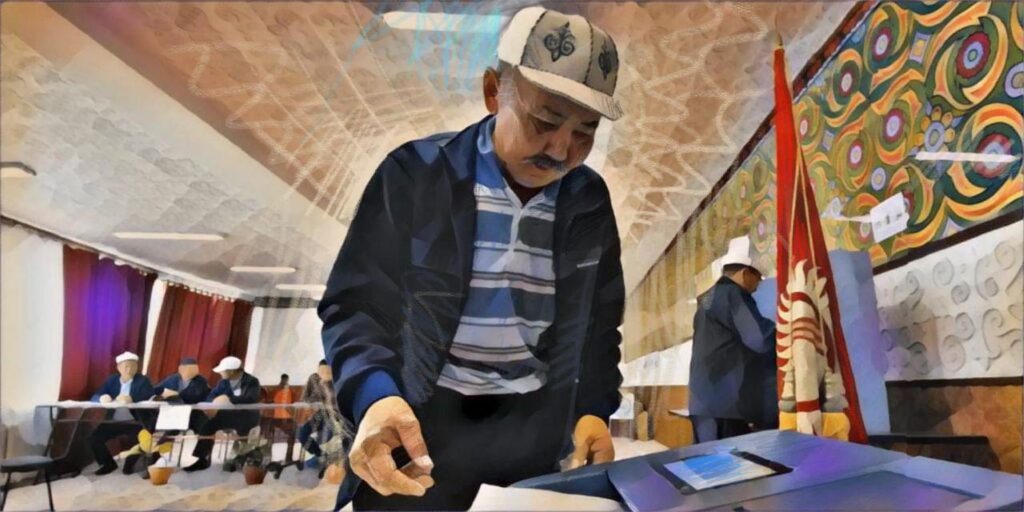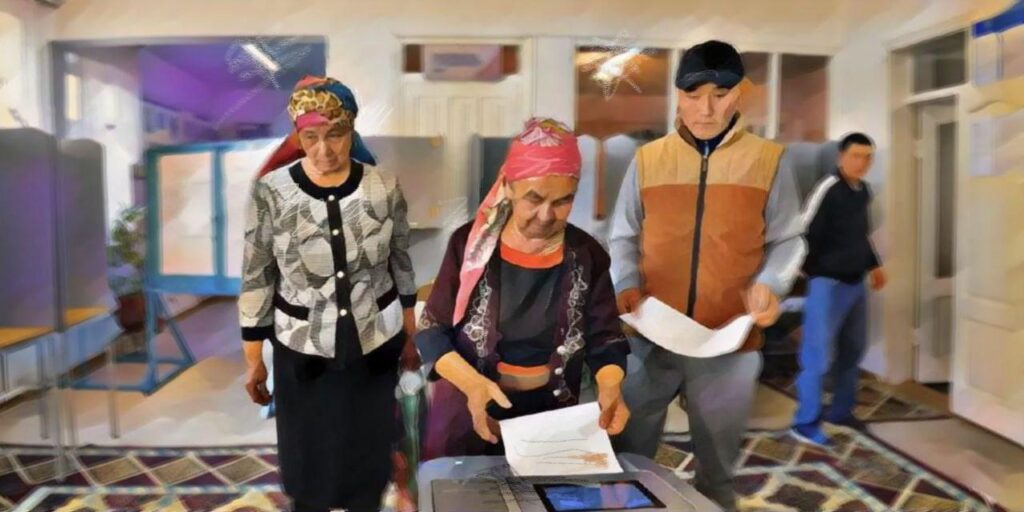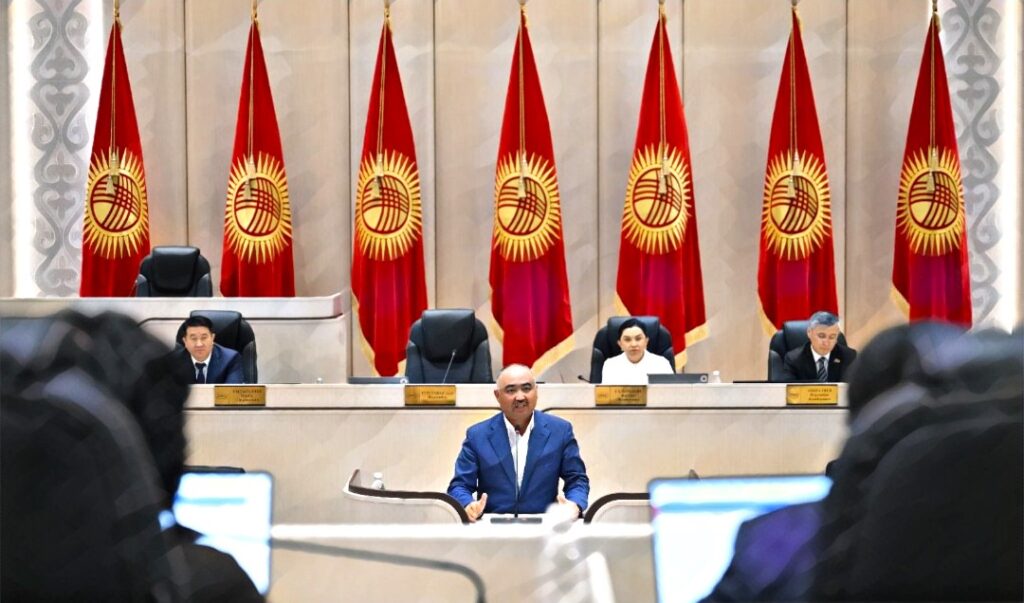
On September 25, Kyrgyzstan’s parliament voted to dissolve itself, clearing the way for snap elections. As previously reported by The Times of Central Asia, deputies approved the dissolution by an 84–0 vote, with five abstentions and one absence. The election will now take place on November 30, under revised electoral rules. The new system divides the country into 30 constituencies, each of which elects three deputies, at least one of whom must be a woman.
Lawmakers justified the move by pointing to the costs and logistical burdens of overlapping parliamentary and presidential campaigns, arguing that holding parliamentary elections a year early would streamline preparations and reduce the administrative strain. Critics, however, have suggested the real motivation is political, noting that pro-government blocs stand to benefit from locking in deputies under the new majoritarian system by mobilizing local administrative resources, especially after years of pressure on opposition groups and independent media.
“Regarding the early elections, I fully support this decision,” Eldar Turatbek, founder of the Legalize political party, told The Times of Central Asia. “There is no point in waiting another year until the end of the 7th convocation’s term, especially when you consider that after the 2020 revolution, most deputies spent a year in temporary status anyway. In essence, they have already ‘worked off’ their five-year term.”
Japarov’s Centralization of Power
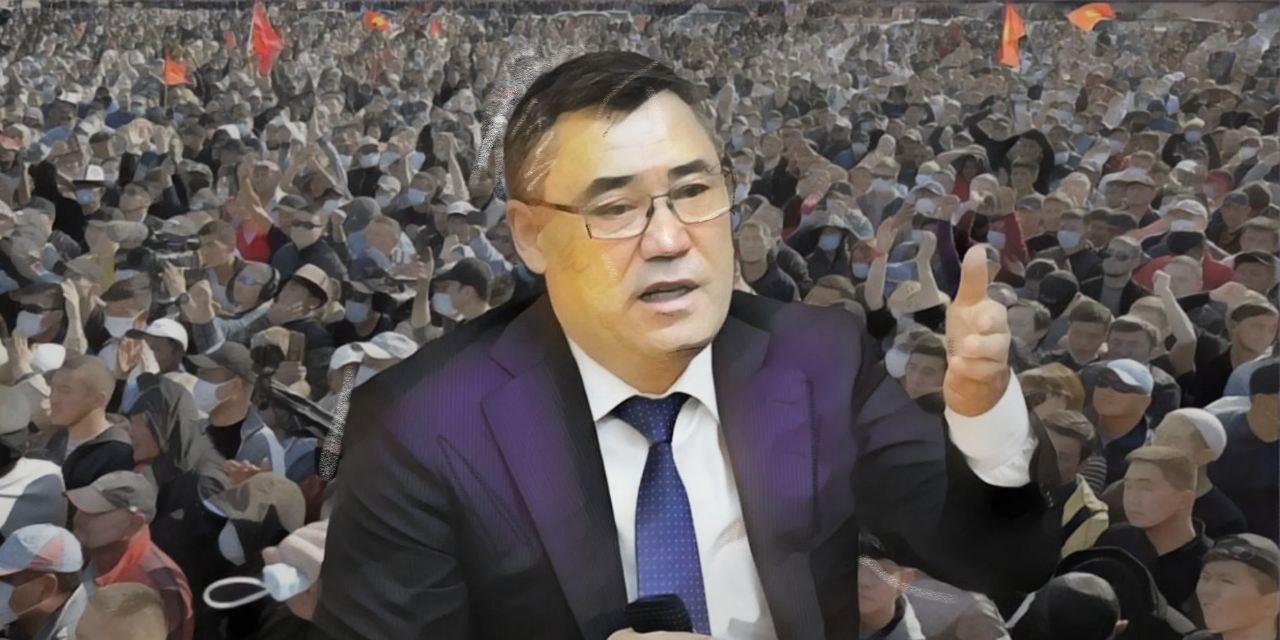
The dissolution also fits into a broader cycle of political reshuffles across the region. Both Kyrgyzstan and Kazakhstan have undergone rapid personnel and institutional changes in recent months, with Bishkek’s early vote reflecting President Sadyr Japarov’s emphasis on electoral timing, and, analysts argue, designs to cement his grip on power.
The step arrives in a political environment that has grown markedly more centralized since Japarov’s rise during the turmoil of 2020. New restrictions on online media and internet traffic have narrowed the space for civil society, measures the government frames as necessary to restore order and promote national values. Rights advocates, however, warn of democratic backsliding in a country once seen as the most pluralistic in Central Asia.
Opposition journalist Bolot Temirov offered a blunt assessment as to the reasons why the authorities are holding early parliamentary elections. “In recent years, the president’s entourage and the head of the State Committee for National Security have acquired money, and now want to show off their deputy badges,” he told TCA. “Kamchybek Tashiyev will try to get as many of his people into parliament as possible to strengthen his position in the confrontation with Sadyr Japarov and his team. Mandates have long since become a commodity, and parliamentary seats are for sale.”
International IDEA has recorded a decline in civil liberties and checks on executive authority under the current administration, and Kyrgyzstan’s trajectory makes this moment especially significant. The country has experienced three revolutions since independence – in 2005, 2010, and 2020 – each triggered by discontent over corruption, contested elections, and concentrated presidential power. These upheavals reshaped institutions but also entrenched a cycle of volatility that continues to cast a shadow over politics today.
Economic Strains and Sanctions Pressures
The political stakes are amplified by economics. Growth has been buoyed by transit trade and gold output, but the World Bank still classifies Kyrgyzstan as highly vulnerable to external shocks. Remittances are central to household incomes, with migration data showing transfers equal to nearly a quarter of GDP.
Most Kyrgyz migrants work in Russia, making the domestic economy sensitive to regulatory changes or downturns there. The banking sector has also come under strain, with Japarov recently denouncing what he called “politicized sanctions” after several Kyrgyz banks were targeted over alleged links to Russia. U.S. and UK sanctions on Kyrgyz banks illustrate how difficult foreign policy choices reverberate through the domestic economy.
Against this backdrop, lawmakers’ argument that separating electoral cycles will reduce costs is both fiscally defensible and politically convenient, but it does not address deeper structural risks.
Regionally, the snap election also follows a period of shifting dynamics. Earlier this year, Kyrgyzstan and Tajikistan signed a treaty to complete border demarcation, easing a longstanding flashpoint that had periodically erupted into violence. Uzbekistan has also been involved in border frictions, with Tashkent confirming its troops acted lawfully in the shooting of two Kyrgyz citizens on August 31, underscoring how sensitive frontier issues remain even amid new regional agreements on demarcation.
Democracy on the Line?
Whether the vote proves a genuine stress test for Kyrgyz democracy or merely a routine adjustment will hinge on two issues. The first is whether the campaign permits real competition, despite recent legal changes that have constrained opposition figures and independent media. The second is whether the new electoral system delivers accountability: in theory, territorial three-member districts could make deputies more responsive to local communities, but in practice, outcomes may be shaped more by administrative leverage and unequal media access.
Political analyst Bakyt Baketaev argues that the scheduling burden was a major factor behind the dissolution, likening the parliamentary and presidential elections to manty “sticking together in a steamer,” and warning that the Central Election Commission would struggle to handle overlapping campaigns. While the presidential vote is officially slated for January 2027, critics contend that campaign preparations would have collided with parliamentary contests if they had been held later.
“The deputies explain everything in a childishly simple way,” Baketaev told TCA. “But many are tormented by the question: could there be something more behind this dissolution? Of course! This is Kyrgyzstan. Here, even a skullcap can hide constitutional reform. In reality, the early dissolution of parliament is not a conspiracy, a cunning plan, or an alien attack. It is a pragmatic step in the spirit of ‘better now than a revolution later.’ Politics in our country is like a TV series: one season ends, another begins. The main thing is not to lose your sense of humor.”
For Japarov and his allies, including powerful security chief Kamchybek Tashiyev, success would mean a more compliant parliament and calmer governance ahead of the next presidential election, which has been rescheduled for January 24, 2027, in line with constitutional amendments. Critics argue, however, that the redistribution of influence within the ruling elite – with Tashiyev keen to place loyalists in parliament – could entrench an imbalance of power and further marginalize opposition voices.
Why this matters beyond Bishkek is clear. Kyrgyzstan has long been seen as an outlier in Central Asia, cycling through upheavals but preserving a degree of contestation rare in the region, and how this vote is conducted will indicate whether that endures. The country’s reliance on remittances and transit also makes political stability a public good, since uncertainty could curtail investment and create household-level shocks. At the same time, regional and global partners are watching for cues: a tightly managed election followed by a compliant legislature could point to deeper reliance on Moscow, while a competitive campaign would signal lingering room for a more balanced foreign policy.
At this stage, the economy is growing but remains vulnerable, with remittances critical to stability. What remains uncertain is whether the campaign will widen political space or narrow it further.
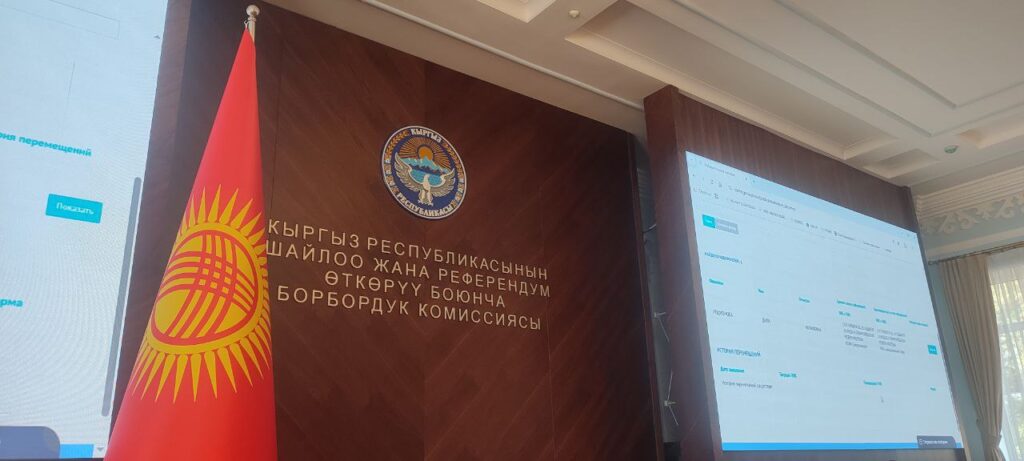
According to the Central Election Commission, more than 50 self-nominated candidates have filed to run so far, while three parties – Kyrk Uuz, Legalize, and Yntymak – have submitted notices of intent to nominate, with registration open until November 10.