• KGS/USD = 0.01144 0%
  • KZT/USD = 0.00212 0%
  • TJS/USD = 0.10454 -0.1%
  • UZS/USD = 0.00008 0%
  • TMT/USD = 0.28571 0.28%
  • KGS/USD = 0.01144 0%
  • KZT/USD = 0.00212 0%
  • TJS/USD = 0.10454 -0.1%
  • UZS/USD = 0.00008 0%
  • TMT/USD = 0.28571 0.28%
  • KGS/USD = 0.01144 0%
  • KZT/USD = 0.00212 0%
  • TJS/USD = 0.10454 -0.1%
  • UZS/USD = 0.00008 0%
  • TMT/USD = 0.28571 0.28%
  • KGS/USD = 0.01144 0%
  • KZT/USD = 0.00212 0%
  • TJS/USD = 0.10454 -0.1%
  • UZS/USD = 0.00008 0%
  • TMT/USD = 0.28571 0.28%
  • KGS/USD = 0.01144 0%
  • KZT/USD = 0.00212 0%
  • TJS/USD = 0.10454 -0.1%
  • UZS/USD = 0.00008 0%
  • TMT/USD = 0.28571 0.28%
  • KGS/USD = 0.01144 0%
  • KZT/USD = 0.00212 0%
  • TJS/USD = 0.10454 -0.1%
  • UZS/USD = 0.00008 0%
  • TMT/USD = 0.28571 0.28%
  • KGS/USD = 0.01144 0%
  • KZT/USD = 0.00212 0%
  • TJS/USD = 0.10454 -0.1%
  • UZS/USD = 0.00008 0%
  • TMT/USD = 0.28571 0.28%
  • KGS/USD = 0.01144 0%
  • KZT/USD = 0.00212 0%
  • TJS/USD = 0.10454 -0.1%
  • UZS/USD = 0.00008 0%
  • TMT/USD = 0.28571 0.28%

Central Asia Considers Single Gas Ring to Link Regional Energy Systems

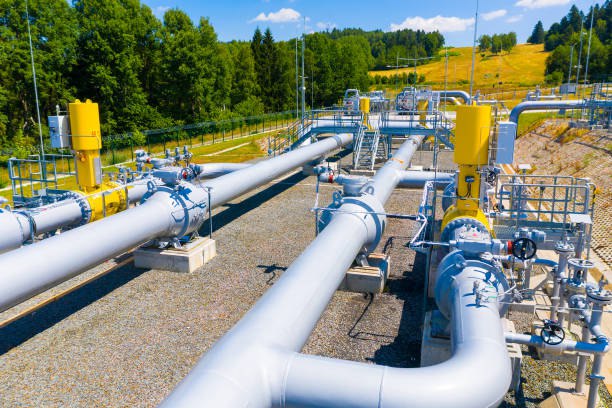
A proposal to connect the five Central Asian capitals into a unified, synchronized gas network has generated widespread debate among regional energy experts following a major industry forum in Tashkent. The idea, referred to as the “Central Asia Gas Ring,” was introduced by Kazakh oil and gas analyst Askar Ismailov during the Central Asia Oil & Gas Forum in early November. An analysis of the proposal was later published by the Uzbek outlet Upl.uz, citing assessments from regional and international experts.

The concept envisions physically linking the gas transportation systems of Uzbekistan, Kazakhstan, Turkmenistan, Kyrgyzstan, and Tajikistan into an integrated regional ring, modeled on the existing Central Asian Unified Power System, which already enables cross-border electricity coordination. According to Ismailov, natural gas should be seen not only as a tradable resource but as a strategic instrument for regional integration and energy security, especially in the context of growing geopolitical volatility.

Experts cited by Upl.uz argue that a gas ring could help countries better manage seasonal fluctuations in demand and reduce the risk of widespread energy shortages. Recent winter blackouts, particularly in Uzbekistan, have heightened concerns about supply resilience. The proposed system could also ensure more stable gas flows to Kyrgyzstan and Tajikistan, which lack significant domestic hydrocarbon resources and frequently experience shortages.

The initiative has attracted interest beyond Central Asia. Valérie Ducrot, head of the Global Gas Center, described the plan as a new model of energy cooperation that could attract international investment if the five participating states align their energy policies. Research groups such as SPIK and SpecialEurasia, also cited in the analysis, view the project as a potential cornerstone of regional infrastructure, aligning national interests around shared goals for stability and integration.

Economic incentives vary across the region. For Turkmenistan, Uzbekistan, and Kazakhstan, the ring could provide enhanced flexibility in export routes and pricing mechanisms. For gas-dependent Kyrgyzstan and Tajikistan, the proposal promises greater energy security, seen as essential for long-term economic and social development. External stakeholders, including China and the European Union, are expected to show interest in financing the project, while Russia is likely to seek continued influence over pricing structures and logistics.

Ismailov estimates the total cost at between $4 billion and $5 billion, with most of the funding needed for modernization of aging Soviet-era pipelines and construction of select new infrastructure segments. While Upl.uz notes that technical and political hurdles remain, the proposal highlights growing momentum toward collective energy solutions in Central Asia.

ADB Provides Tajik Bank with First Direct Loan of $10 Million

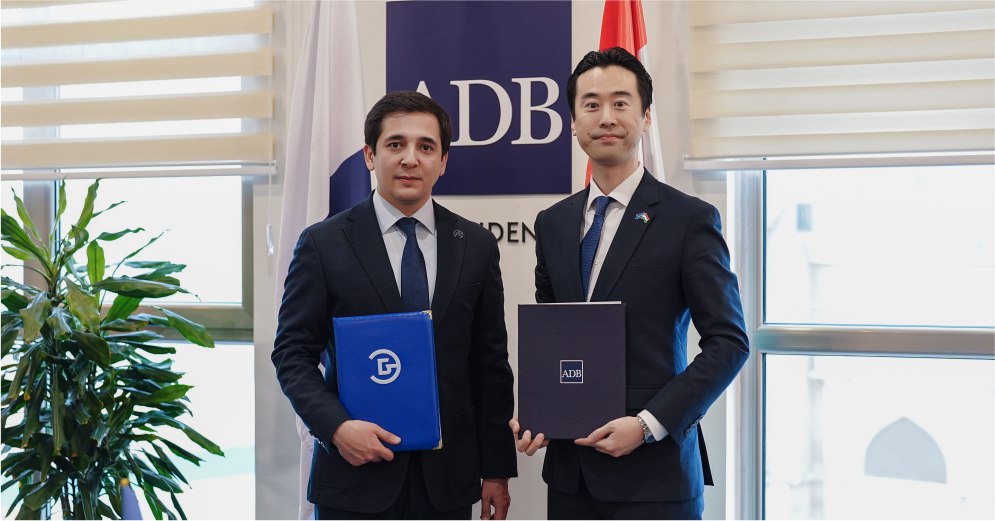
Bank Eskhata OJSC (Open Joint-Stock Company) and the Asian Development Bank (ADB) have signed a direct lending agreement, marking a new stage in financing for small and medium-sized enterprises (SMEs) in Tajikistan. This is the first time the ADB has issued a direct loan to a Tajik bank, bypassing intermediary financial institutions.

The ADB stated that the format reflects a high level of trust in the partner bank and confidence in its stability within the national financial market. Tajikistan has been a member of the ADB since 1998.

Under the terms of the agreement, the ADB is providing a loan in local currency equivalent to $10 million. The funds are intended to support entrepreneurs implementing environmentally friendly and energy-efficient technologies, as well as projects that reduce environmental impact and contribute to building a sustainable economy.

Akmaljon Saifidinov, CEO of Bank Eskhata, described the agreement as strategically important.

“We are honored to be the first financial institution in Tajikistan to receive direct lending from the ADB. This landmark event opens new horizons for supporting MSMEs and advancing green finance,” he said, referring to micro, small, and medium-sized enterprises.

He added that the partnership with the ADB further strengthens the bank’s role as a leader in innovative financial solutions.

The ADB expects the direct lending mechanism to significantly improve access to financing for businesses.

“Direct lending will significantly expand enterprises’ access to financing and serve as a key stimulus for the development of green initiatives in Tajikistan,” said Ko Sakamoto, head of the ADB office in Dushanbe.

The loan is expected to support projects in energy efficiency, green technologies, and sustainable business models, areas that have traditionally lacked access to long-term financing.

In a separate initiative, the ADB recently approved a $3 million grant to enhance Tajikistan’s capacity for glacier monitoring and natural disaster forecasting. 

The project includes the creation of a unified digital system for analyzing risks related to snow and ice melt and aims to improve public safety in mountainous regions.

Uzbekistan and Kazakhstan Emerge as Top Investment Destinations in Eurasian Region

A new report from the Eurasian Development Bank (EDB) highlights a significant shift in investment flows within the Eurasian region, with Central Asia, particularly Uzbekistan and Kazakhstan, emerging as the primary recipients of foreign direct investment (FDI).

Titled Investment Cooperation in the Eurasian Region Based on EDB Monitoring of Mutual Investments, the report provides a detailed analysis of mutual FDI trends across former Soviet republics (excluding the Baltic states) and Mongolia.

Despite a global downturn in FDI, investment activity across the Eurasian region continues to grow. As of the first half of 2025, mutual FDI between member countries reached a record $48.4 billion, with private businesses driving the majority of the growth.

Kazakhstan and Uzbekistan Take the Lead

Kazakhstan has become a central player in regional investment. The country’s outbound investments total $3.25 billion, while inbound investments stand at $9.4 billion, accounting for 19.5% of all mutual FDI in the region. Notably, Kazakhstan’s investment in neighboring Uzbekistan rose by 60% over the past 18 months, driven primarily by construction projects.

Uzbekistan is now the largest recipient of FDI in the Eurasian region, attracting over $10.7 billion in inbound investment, 22.3% of the regional total. The country also doubled its outbound investment in 2025 compared with the previous year, reaching $396 million. Uzbek companies invested heavily in manufacturing, which made up 85% of their foreign investment activity. Russia remains Uzbekistan’s largest investor, accounting for 90% of the total.

Intra-Regional Investment on the Rise

Intra-regional investment in Central Asia reached $1.3 billion in the first half of 2025, a 42% increase compared to 2023 and nearly triple the volume recorded in 2016. Kazakhstan remains the largest regional capital exporter, while Uzbekistan continues to lead as the main recipient. Roughly 80% of these intra-regional investments are concentrated in the construction, manufacturing, and financial sectors.

Other Central Asian Economies Also Attract Investment

Kyrgyzstan recorded $2.4 billion in incoming FDI, up 21% from 2023. The increase was largely driven by investments in manufacturing and energy.

Tajikistan also saw modest growth, with mutual FDI from Eurasian countries reaching $530 million by mid-2025, up 3% compared to 2023. Russian investment continues to dominate, comprising 93% of the total and focusing on energy, telecommunications, and financial services.

Kazakhstan’s Rust Belt: Why Modernized Power Plants Aren’t Stopping Urban Decline

The onset of winter in 2025 served as a stress test for Kazakhstan’s industrial north, and by most measures, the country passed. After high-profile heating system failures in cities such as Ekibastuz and Ridder in previous years, when entire neighborhoods were left without heat in temperatures as low as minus 30 degrees Celsius, the authorities were forced to move beyond piecemeal repairs toward large-scale emergency interventions.

The state invested unprecedented resources into overhauling heating networks and modernizing thermal power plants in single-industry cities and smaller industrial settlements across the region. Significant budget allocations helped stabilize the most vulnerable infrastructure. Emergency repair calls gave way to routine updates from local authorities, and utility breakdowns shifted from the realm of crisis to that of manageable risk.

By this winter, the basic issue of urban survival had been resolved. For regions with aging infrastructure and high industrial dependency, this marked a crucial transition from systemic failure to fragile stability.

The Future Votes with Its Feet

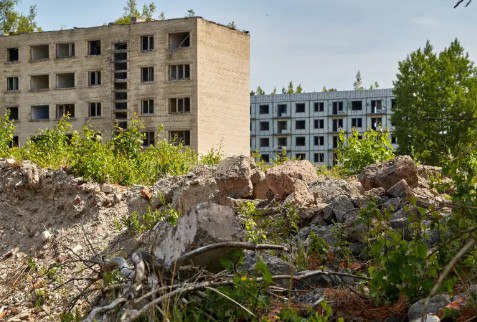
Yet behind the upgraded pipes and boilers lies a deeper structural issue. Cities such as Ekibastuz, Rudny, Temirtau, Balkhash, and many others were pillars of Soviet-era industrialization. In today’s market-driven Kazakhstan, many are rapidly losing both economic relevance and population. The term “rust belt,” borrowed from post-industrial regions of the United States, has increasingly entered national discourse.

While the state focuses on fixing infrastructure, residents are asking a more fundamental question: do these industrial cities have a future? The answer, many argue, lies not in kilometers of new piping but in people, and the data is clear. Single-industry cities are aging and shrinking. Even where wages exceed 1,200 dollars per month, well above the national average, young people are still leaving.

The issue is less about income than about quality of life. A stable job is no longer enough for younger generations. They also want livable cities, modern schools, safety, leisure opportunities, and green spaces, amenities these places often lack. As a result, migration from northern and eastern regions to Astana and Almaty continues, fueling an imbalance. The megacities are overstretched, while industrial cities face growing labor shortages.

Exceptions to the Rule

Amid the general decline, the city of Saran in the Karaganda Region stands out as a rare success story. Just a decade ago, it was a struggling mining city facing significant population outflow. Today, it is a flagship of Kazakhstan’s single-industry city revitalization program.

Saran’s turnaround hinged on radical economic diversification. The establishment of an industrial zone and the arrival of new anchor investors not tied to coal mining fundamentally changed the employment landscape. The launch of the KamaTyresKZ plant, along with household appliance manufacturers and the QazTehna bus assembly plant, has stimulated both economic and social development.

Authorities now point to Saran as proof that a single-industry city can transition into a manufacturing hub under the right conditions. However, its success is also attributed to unique logistical advantages, notably proximity to Karaganda and substantial state support.

Replicating the Saran effect in more remote cities such as Arkalyk or Zhezkazgan will be far more difficult.

Ecology Versus Wages

Cities such as Temirtau, Rudny, and Ekibastuz face a different challenge: economic dependence on a single, often polluting, employer, typically a national or quasi-state industrial giant. In these places, a growing tension exists between relatively high wages and poor environmental conditions.

Temirtau is emblematic. Despite changes in ownership of its metallurgical plant and promises of cleaner operations, the city continues to suffer from chronic air pollution. While modernization of the local power plant has improved heating reliability, it has done little to improve environmental conditions. According to Kazhydromet, air quality remains hazardous year-round, making these cities increasingly unattractive, particularly for families with children.

At the same time, many residents fear the closure of these polluting industries, as they remain the only significant sources of employment.

Controlled Contraction

The reality is that not all of Kazakhstan’s 27 single-industry cities can be revived. This view, while rarely stated directly, increasingly appears to inform government policy. A once-universal strategy of revival is gradually giving way to a more differentiated approach.

Some settlements, including the city of Saran and the towns of Kulsary and Aksay, are being positioned as future growth centers, with the potential to integrate into the broader national economy. Others may face a model of managed contraction, in which the state maintains basic infrastructure and social services while quietly encouraging gradual population resettlement to more viable regions.

The modernization of power plants has granted Kazakhstan’s rust belt a temporary reprieve. The central question is how this time will be used: to redefine the economic future of these industrial cities, or simply to delay the inevitable for a few more warm winters.

Japan and Central Asia Enter a New Era of Strategic Partnership

On December 20, the first summit of Central Asian and Japanese leaders (CA+JAD) was held in Tokyo. The Tokyo Declaration, an ambitious roadmap for future cooperation, was adopted during the summit. It aims to transform relations between Japan and the five Central Asian countries into a deep and multifaceted strategic partnership. 

New Paths for the Region

Japan intends to invest about $20 billion in business projects across Central Asia over the next five years. Priority areas for cooperation include environmental initiatives, and the transition to carbon neutrality in the energy sector.

Additional areas include developing supply chains for key minerals, disaster risk reduction, and earthquake preparedness. Projects in agriculture and logistics, particularly improvements along the Trans-Caspian International Transport Route, were also discussed.

Other topics covered included launching direct flights between Japan and Central Asia, advancing cooperation in digital technologies and artificial intelligence, and expanding scholarships and training programs. 

Attendees included Japanese Prime Minister Sanae Takaichi; Kazakh President Kassym-Jomart Tokayev; Kyrgyz President Sadyr Japarov; Tajik President Emomali Rahmon; Turkmen President Serdar Berdimuhamedov; and Uzbek President Shavkat Mirziyoyev. The second Central Asia-Japan summit is scheduled to take place in Kazakhstan, in line with the agreed English alphabetical rotation.

Turkmenistan: Petrochemical Cooperation

President Serdar Berdymuhamedov met with representatives of major Japanese corporations, including Sumitomo, Toyo Engineering, Muroosystems, Itochu, Argonavt, Mitsubishi, Kawasaki Heavy Industries, and Tokyo Boeki Eurasia. 

He cited several successful Japanese-led projects in Turkmenistan, such as waste processing plants, a wastewater treatment initiative for industrial reuse, PET plastic recycling, and e-waste processing to reduce hazardous materials.

New memorandums were signed between Turkmen and Japanese entities. Key among them: an agreement involving the state-owned concern Turkmenhimiya, Mitsubishi Heavy Industries, Mitsubishi Corporation, and Gap Inşaat on building a urea plant in the Balkan region with a capacity of 1.155 million tons per year.

Turkmenhimiya also signed an agreement with Kawasaki Heavy Industries to extend maintenance for the Akhal gas-to-gasoline plant. In addition, a cooperation deal was reached with Toyo Engineering and Turkey’s Rönesans Endüstri for the second phase of the Kiyanly polymer plant.

Other memoranda included partnerships between the Ministry of Automobile Transport of Turkmenistan and Sumitomo Corporation, TurkmenGas and Sumitomo Europe, and the Ministry of Communications and Mitsubishi Corporation Machinery, focusing on artificial intelligence and digital technologies. Agreements were also signed with media outlets, banks, and universities.

Diplomatic ties between Japan and Turkmenistan were established in 1992. The Japanese Embassy opened in Ashgabat in 2005, and the Turkmen Embassy in Tokyo followed in 2013. Japan also plays a vital role in Turkmenistan’s export of polypropylene. Japanese firms Kawasaki and Sojits helped construct a fertilizer complex in the town of Mary, while Itochu and Day Nippon were involved in modernizing the national railway’s IT systems.

Kyrgyzstan: Energy and Education Ties

President Sadyr Japarov oversaw the signing of bilateral agreements spanning exports, energy, healthcare, education, tourism, agribusiness, and digital development. 

Agreements included a roadmap between Kyrgyzstan’s Ministry of Energy and MurooSystems for a small hydropower plant on the Chon-Kemin River and various education-related memorandums with Japanese firms like Sprix, Fujifilm SystemService, Digital Knowledge Inc, and Gakken Holdings.

A strategic memorandum of understanding was signed between the Kyrgyz-Japanese Human Development Center (KRJC) and the Kyrgyz-Japanese School Complex. Another focused on establishing the Kyrgyz-Japanese Digital University (K-JDU).

Uzbekistan: Strategic Investment Expansion

President Shavkat Mirziyoyev and Prime Minister Takaichi signed wide-ranging agreements in education, healthcare, environment, water, transport, urban development, agriculture, and disaster preparedness. 

Key priorities included green energy, IT, critical minerals, mechanical engineering, and healthcare modernization. Japan committed yen-denominated loans, medical equipment grants, and investment support for MSMEs.

A project portfolio worth over $12 billion was announced, and both sides agreed to create a joint investment platform and a special economic zone in Samarkand modeled on Japanese standards. The scaling-up of the “One Village, One Product” initiative was also supported.

Japan and Uzbekistan, which have cooperated in education since the early 1990s, plan to open a joint university in Tashkent with Tsukuba University. 

Tajikistan: Unlocking Potential

A Trade and Investment Forum during President Emomali Rahmon’s Tokyo visit attracted over 70 officials and business leaders. 

The two sides noted the need to shift from isolated projects to a systemic investment strategy. Tajikistan emphasized its favorable business climate and openness to Japanese participation in infrastructure, energy, and high-tech sectors.

An intergovernmental agreement was signed on mutual investment protection. 

JICA has played a key role in Tajikistan since 2006, supporting development in water, transport, education, and more. Bilateral trade exceeded $109 million in 2024. 

Kazakhstan: Resources and Logistics Hub

President Kassym-Jomart Tokayev held high-level talks with Prime Minister Takaichi and business leaders from Mitsui, Rakuten, Sumitomo, Komatsu, Hitachi, and the Japan Organization for Metals and Energy Security. 

Over 60 agreements totaling $3.7 billion were signed. Kazakhstan, which supplies uranium, rare earth metals, and oil to Japan, received more than $8.5 billion in Japanese investments. Trade between the two countries reached approximately $2 billion in 2024.

Japan will help modernize customs procedures at the port of Aktau and participate in infrastructure development along the Middle Corridor (Trans-Caspian route). More than 80% of land freight between Asia and Europe currently passes through Kazakhstan.

Energy Projects and Future Cooperation

Kazakhstan’s natural resources and Japan’s nuclear expertise offer opportunities for cooperation in energy innovation, safety, waste management, and personnel training. 

The region’s reserves of rare earth elements make it a potential hub in the global energy transition. The SmartMining Plus project, focused on digitalization and sustainability in mining, is already underway.

Diplomatic relations between Kazakhstan and Japan date back to 1992. Over 60 Japanese firms now operate in Kazakhstan across sectors such as energy, mining, finance, medicine, and logistics. 

Expert Assessment

According to Timur Dadabaev, professor at Tsukuba University, the summit marks a shift from quiet diplomacy to a strategic institutional partnership. It strengthens Central Asia’s multi-vector diplomacy and embeds Japan’s long-term presence.

Tajik analyst Sobir Kurbanov noted the increased significance of Central Asia in the wake of Russia’s war in Ukraine. Japan’s access to critical resources, including rare earth metals, is a key strategic interest.

Japan faces stiff competition from Russia, China, the European Union, and the U.S., but its image as an innovative, non-imperial partner gives it a unique edge.

Kazakh political scientist Dosym Satpayev noted that Japan’s trade with Central Asia, about $35 billion, is higher than that of the U.S., though it trails China’s $95 billion and the EU’s $50 billion with Kazakhstan alone. Kazakhstan remains Japan’s primary regional partner, mostly supplying raw materials.

Uzbekistan Unveils New Capital Market Reforms to Attract $1 Billion in Investment

Uzbekistan has approved a presidential decree aimed at enhancing the investment climate in the country’s capital markets. According to the Ministry of Justice, the reform package is designed to attract $1 billion in new investments by 2030 through the introduction of modern financial instruments. As part of this strategy, authorities plan to issue corporate bonds worth five trillion Uzbekistani som (approximately $415 million) to expand funding opportunities for local businesses.

The ministry noted that the decree also focuses on improving investor protection by introducing mechanisms expected to eliminate over 85 percent of current violations in the capital market. A key component of the reform is the indefinite extension of the “Regulatory Sandbox”, a special legal regime that allows financial institutions to test innovative products under simplified regulatory conditions.

Within the sandbox framework, Uzbek legal entities can apply for participant status, while foreign organizations and local investment funds may offer financial services related to the safe custody and accounting of securities they issue or hold. The decree also permits issuers, in specific cases outlined by law, to release unsecured corporate bonds exceeding the size of their own capital, broadening fundraising options for businesses.

Separately, Uzbekistan has taken a major step toward digital finance. As previously reported, the Wallet service on the Telegram messaging platform officially launched in Uzbekistan on December 9, giving over 27 million local users access to cryptocurrency transactions. The service supports major digital assets such as Bitcoin, Toncoin, and USDT, enabling users to buy, store, and transfer crypto using local payment systems.

The launch reflects Uzbekistan’s broader ambition to position itself as a regional hub for regulated digital financial services.