• KGS/USD = 0.01144 0%
  • KZT/USD = 0.00196 -0%
  • TJS/USD = 0.10899 0%
  • UZS/USD = 0.00008 0%
  • TMT/USD = 0.28490 0%
  • KGS/USD = 0.01144 0%
  • KZT/USD = 0.00196 -0%
  • TJS/USD = 0.10899 0%
  • UZS/USD = 0.00008 0%
  • TMT/USD = 0.28490 0%
  • KGS/USD = 0.01144 0%
  • KZT/USD = 0.00196 -0%
  • TJS/USD = 0.10899 0%
  • UZS/USD = 0.00008 0%
  • TMT/USD = 0.28490 0%
  • KGS/USD = 0.01144 0%
  • KZT/USD = 0.00196 -0%
  • TJS/USD = 0.10899 0%
  • UZS/USD = 0.00008 0%
  • TMT/USD = 0.28490 0%
  • KGS/USD = 0.01144 0%
  • KZT/USD = 0.00196 -0%
  • TJS/USD = 0.10899 0%
  • UZS/USD = 0.00008 0%
  • TMT/USD = 0.28490 0%
  • KGS/USD = 0.01144 0%
  • KZT/USD = 0.00196 -0%
  • TJS/USD = 0.10899 0%
  • UZS/USD = 0.00008 0%
  • TMT/USD = 0.28490 0%
  • KGS/USD = 0.01144 0%
  • KZT/USD = 0.00196 -0%
  • TJS/USD = 0.10899 0%
  • UZS/USD = 0.00008 0%
  • TMT/USD = 0.28490 0%
  • KGS/USD = 0.01144 0%
  • KZT/USD = 0.00196 -0%
  • TJS/USD = 0.10899 0%
  • UZS/USD = 0.00008 0%
  • TMT/USD = 0.28490 0%
08 December 2025

Kazakhstan Wants to Lift Ban on Saiga Horn Trade; Some Conservationists Object

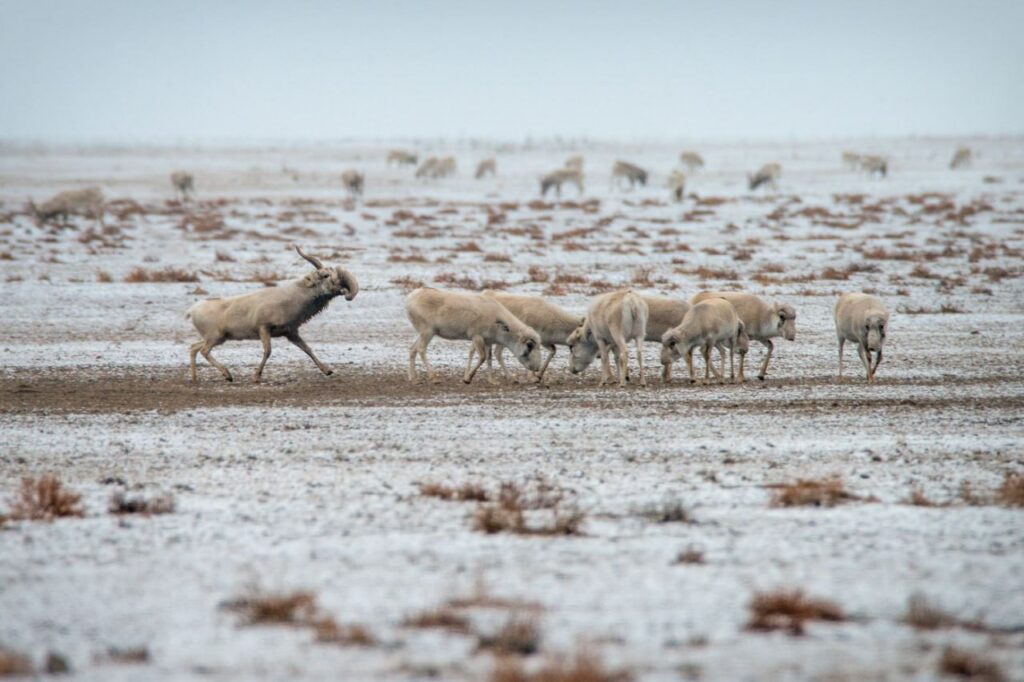
The extraordinary recovery of the saiga antelope population after being close to extinction has opened a debate about whether it is time to allow the international commercial trade of the species’ horns from Kazakhstan, home to the vast majority of saigas. 

Kazakhstan’s government says yes. It has submitted a pro-trade proposal that will be discussed at a conference in Samarkand, Uzbekistan of the Convention on International Trade in Endangered Species of Wild Fauna and Flora, or CITES. The United Nations meeting, which regulates trade in tens of thousands of species of animals and plants, is being held in Central Asia for the first time and runs from November 24 to December 5. It was last held in Panama in 2022.

While applauding Kazakhstan’s conservation successes, some groups advise against trade in saiga horns, which are used in traditional medicine in parts of Asia.

The New York-based Wildlife Conservation Society, warned on Tuesday that the population gains are fragile, saying “the saiga has a long history of boom and bust population cycles, and a precautionary approach is imperative.”

Backed by international conservation groups and donors, Kazakhstan has guided the remarkable comeback of a species whose numbers were estimated at 20,000 in 2003 and then, after some growth, suffered another big population crash because of disease in 2015. A reduction in poaching and the expansion of land earmarked for conservation helped the saigas. 

But some farmers say rising saiga numbers threaten their crops and the government has considered mass kills and other ways to manage the population. Kazakhstan’s saiga population is estimated to be several million and the status of the species on the IUCN Red List was moved from critically endangered to near threatened in 2023. 

There are much smaller saiga populations elsewhere in the region, including Russia, Mongolia and Uzbekistan.

Saiga populations in Kazakhstan “exceed historical levels, which has led to conflicts with local farmers over forage resources in certain regions,” according to Kazakhstan’s CITES proposal. It says that removing the current “zero quota” in the international commercial trade in saiga “derivatives” from Kazakhstan would help meet demand for horns and reduce poaching. The zero quota was introduced at the CITES meeting in Geneva in 2019. 

“The revival of sustainable commercial trade could not only restore the species’ economic value but also regulate market pricing policies to make illegal trade unprofitable, as the price of saiga horns would no longer justify the risks and costs for poachers,” Kazakhstan’s proposal says. 

However, the Wildlife Conservation Society, which runs programs in more than 50 countries, said the ban should stay in place for now because horn exports from Kazakhstan would increase demand, complicate efforts to distinguish between legal and illegal horns and put pressure on saigas other countries where they are more vulnerable. 

“Mongolia’s saiga population has grown thanks to years of collaborative effort, but Mongolia’s subspecies remains endangered,” Justine Shanti Alexander, the group’s country director in Mongolia, said in a statement. “ Any move that increases international demand for saiga horn – legal or illegal – would put these fragile gains at risk. We urge CITES Parties to reject any proposal that could reignite trade-driven pressures.”

Opinion: Multi-Vectorism 2.0 – Kazakhstan Seeks Balance in a Shifting Geopolitical Landscape

The world is reverting to the logic of bloc confrontation. Sanctions regimes, technological barriers, and deepening mistrust between major powers are compelling medium-sized states to chart independent courses. Kazakhstan stands at the center of this evolving geopolitical matrix.

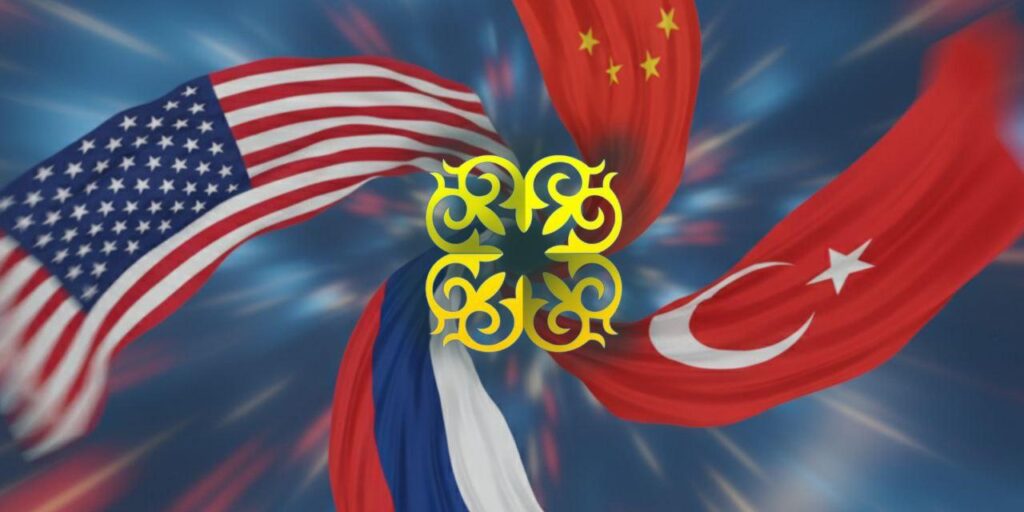
While Moscow remains a vital partner in defense and energy, Astana is simultaneously cultivating strong ties with other global power centers, including China, the U.S., Turkey, the European Union, and the Gulf states. Yet Kazakhstan refuses to align with any single bloc, adhering instead to a strategy of “flexible autonomy”, cooperating broadly while preserving its sovereignty.

Russia: Alliance with Strategic Boundaries

On November 11-12, 2025, President Kassym-Jomart Tokayev met with Russian President Vladimir Putin in Moscow. The two leaders signed a declaration on a comprehensive strategic partnership and alliance, reaffirming cooperation on security, energy, and logistics projects.

Key discussions included the gasification of border regions, the modernization of energy infrastructure, and the transit of Russian energy via Kazakhstan. Tokayev emphasized Kazakhstan’s interest in a stable and prosperous Russia, calling Putin a “statesman of global stature.”

Still, this alignment does not supplant Kazakhstan’s multi-vector policy. The Moscow visit directly followed Tokayev’s talks in Washington, underscoring that Astana views relations with Russia as one of several strategic pillars.

The U.S.: Investment and Critical Minerals Diplomacy

During Tokayev’s visit to the U.S. in early November 2025, he and President Donald Trump oversaw the signing of 29 agreements totaling approximately $17 billion. The deals spanned industry, energy, digitalization, education, and innovation.

Highlights in recent collaboration between Kazakhstan and the U.S. include a $2.5 billion John Deere production facility in Kostanay and Turkestan, a $1.1 billion development of tungsten deposits, and over $1 billion in digital infrastructure cooperation with companies such as Hewlett Packard Enterprise, Oracle, and Starlink. Leading global funds also pledged roughly $1 billion in new investments.

These agreements reflect growing trust and a shared commitment to investment-driven, high-tech cooperation.

China: Strategic Synergy and Technological Convergence

China remains Kazakhstan’s largest trading partner and a cornerstone of its eastern vector. During Tokayev’s October 17, 2023 visit to Beijing, he and President Xi Jinping reaffirmed a “comprehensive strategic partnership” built on political trust and economic cooperation.

In June 2025, Xi Jinping visited Astana for the second China-Central Asia Summit, where he and Kassym‑Jomart Tokayev reinforced their countries’ “comprehensive strategic partnership”, oversaw deals spanning energy, infrastructure, agriculture, and digital technology. Later that year, at the Shanghai Cooperation Organisation summit in Tianjin, the two leaders used the platform to deepen cooperation within a multilateral framework, promoting connectivity and regional trade under the Belt and Road Initiative.

Turkey: Civilizational Ties and Strategic Growth

Ties between Kazakhstan and Turkey are underpinned by shared cultural and historical foundations. At the fifth High-Level Strategic Cooperation Council meeting in Ankara on July 29, 2025, President Recep Tayyip Erdoğan welcomed Tokayev, reaffirming Turkey’s role as a major investor and educational partner.

More than 12,000 Kazakh students are enrolled in Turkish universities. Defense cooperation is expanding under the Organization of Turkic States (OTS), and tourism and humanitarian ties remain robust. Turkey thus anchors Kazakhstan’s Turkic vector, bolstering its role as a bridge between Europe, Asia, and the Islamic world.

Central Asia: Regional Consolidation and Strategic Autonomy

Central Asian cooperation is a pillar of Kazakhstan’s foreign policy. Astana views regional integration not as an alternative to global engagement but as its foundation.

Kazakhstan promotes the development of regional electricity markets, climate coordination, and transnational energy corridors. Consultative formats and dialogue platforms serve to build trust, enabling the region to face external turbulence with collective resilience.

Europe, Asia, and the Caucasus: Broadening Investment and Infrastructure Ties

The European Union remains Kazakhstan’s largest trading partner and major investor. Initiatives under the Global Gateway and EU-Central Asia Energy Dialogue support green transition goals, critical minerals development, and infrastructure upgrades.

East Asia is a key source of technological modernization. South Korea ranks among the top five investors in Kazakhstan, while with its “trust-building diplomacy” approach, Japan is engaged in ecological and energy cooperation. Kazakhstan is also strengthening energy and transport ties with India through the North-South corridor.

In the South Caucasus, Azerbaijan is an important strategic partner. Kazakh oil transits via the Baku-Tbilisi-Ceyhan pipeline, and the ports of Aktau, Alyat, and Batumi in Georgia serve as vital links to the Black Sea and Mediterranean.

Arab States: Energy Diplomacy and Islamic Finance

Kazakhstan is deepening ties with the UAE, Qatar, and Saudi Arabia through renewable energy, port development, and financial cooperation. The 1 GW Masdar wind project in Zhambyl is a striking example of joint energy infrastructure.

Iran remains a pragmatic transit partner, facilitating trade through the North-South corridor and contributing to Caspian Sea ecological preservation efforts.

Multilateralism: Diplomacy as National Identity

Kazakhstan’s multi-vectorism is closely tied to its leadership in multilateral institutions. The country plays an active role in the UN, OSCE, SCO, EAEU, OIC, CSTO, and CICA. Its diplomacy is centered on peace, nuclear non-proliferation, and interreligious dialogue.

Tokayev’s previous tenure as UN Deputy Secretary-General and Director-General of the Geneva Office further enhanced Kazakhstan’s global profile, and his experience lends credibility to the country’s commitment to resolving global conflicts and promoting sustainable development.

A Middle Power in Motion

Under Tokayev, Kazakhstan’s multi-vector policy has blossomed. The country skillfully balances partnerships with Russia, China, the U.S., and Europe, while deepening ties with Turkic, Arab, and regional partners.

Rather than serving as a buffer, Kazakhstan aspires to be a mediator, one that prioritizes diplomacy, sustainability, and shared growth. In the emerging global order, it is positioning itself as a unifying force, where influence derives not from military might, but from the ability to connect.


The views expressed in this article are those of the author and do not necessarily reflect the official policy or position of the publication, its affiliates, or any other organizations mentioned.

Kazakhstan to Modernize Irrigation Sector with $5.3 Million EDB Grant

Kazakhstan’s Ministry of Water Resources and Irrigation, the United Nations Development Programme (UNDP), and the Eurasian Development Bank (EDB) have launched a new joint initiative aimed at modernizing the country’s irrigation sector. Titled “Developing a Business Ecosystem for Sustainable Irrigation in Kazakhstan,” the project is supported by a $5.3 million grant from the EDB and implemented in partnership with UNDP.

The agreement was signed by Minister of Water Resources and Irrigation Nurzhan Nurzhigitov, UNDP Resident Representative Katarzyna Wawiernia, and EDB Deputy Chairman Ruslan Dalenov.

Boosting Climate Resilience and Water Efficiency

The multi-year initiative focuses on strengthening Kazakhstan’s resilience to climate change by improving irrigation management. Key components include establishing a National Water Resources Information System, deploying forecasting and water distribution tools, creating regional centers for modern irrigation, training specialists, and promoting water-saving technologies nationwide.

Nurzhigitov emphasized that the project aligns with Kazakhstan’s broader strategic goals for climate adaptation and water sector reform.

“For us, participation in this project means achieving strategic goals to modernize the water sector and increase resilience to climate change. We are actively working to attract investment in the water sector, but all strategic decisions are and will be made exclusively in Kazakhstan. Transferring water resources or facilities to foreign countries has never been considered. Our goal is to modernize the water sector to protect the interests of our citizens and ensure security and sustainable development,” he stated.

Expanding Water-Saving Irrigation

Kazakhstan has steadily increased the use of water-efficient irrigation technologies such as drip and sprinkler systems to reduce agricultural water consumption. Since 2024, the government has raised subsidies for farmers adopting these technologies. Reimbursement rates for drilling underground water wells and installing modern systems have increased from 50% to 80%.

As a result, the area equipped with water-saving irrigation expanded from 312,200 hectares in 2023 to 580,000 hectares in 2025, representing 30% of the country’s total irrigated farmland. By 2030, the government aims to extend modern irrigation systems to 1.3 million hectares, covering 70% of all irrigated land in Kazakhstan.

Kyrgyzstan Completes Modernization of Toktogul Hydropower Plant

Kyrgyzstan has completed the full modernization of its largest energy facility, the Toktogul Hydropower Plant (HPP), located on the Naryn River. The upgrade was finalized with the commissioning of the plant’s fourth generating unit on November 18, raising its total capacity from 1,200 MW to 1,440 MW, according to Energy Minister Taalaibek Ibraev.

The plant’s first three units were modernized between 2021 and 2024, each increasing in capacity from 300 MW to 360 MW. The fourth and final unit, upgraded between March and November 2025, has now reached the same capacity.

Progress at Uch-Kurgan and Kambarata Projects

On the same day, the Ministry of Energy launched the second upgraded unit at the Uch-Kurgan HPP, which added 9 MW in capacity. The first unit, previously replaced, also contributed an additional 9 MW. Modernization of the remaining two units is scheduled for 2026. Upon completion, Uch-Kurgan’s total capacity will increase by 36 MW.

Kyrgyzstan is also advancing construction of the Kambarata-1 HPP, a strategic regional project being developed in partnership with Kazakhstan and Uzbekistan. Once operational, Kambarata-1 will have a capacity of 1,860 MW and generate 5.6 billion kWh annually.

Energy Challenges Ahead

Despite the modernization progress, Ibraev has warned of a challenging winter ahead due to critically low water levels in the Toktogul Reservoir. Electricity consumption in 2024 reached 18.3 billion kWh, an increase of 1.1 billion kWh over 2023, forcing Kyrgyzstan to import 3.6 billion kWh from Kazakhstan, Turkmenistan, Uzbekistan, and Russia to cover winter demand.

Uzbekistan to Extend Electricity Supplies to Afghanistan Through 2026

Uzbekistan will continue supplying electricity to Afghanistan in 2026, the Ministry of Energy announced following a bilateral meeting in Tashkent between Uzbek Energy Minister Jorabek Mirzamahmudov and Abdul Bori Umar, Chief Executive of Afghanistan’s state-owned power company Da Afghanistan Breshna Sherkat (DABS).

Senior officials from Uzbekistan’s energy sector also participated in the talks. The two sides referenced recent statements by President Shavkat Mirziyoyev at the 80th session of the UN General Assembly and during the Central Asia summit held in Tashkent, where he underscored the importance of supporting the Afghan people and fostering the country’s economic development. Officials said these efforts are helping to reinforce energy cooperation between the neighboring countries.

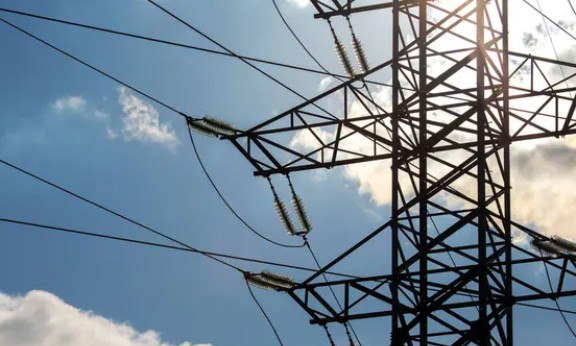
The meeting also covered progress on joint energy infrastructure projects, including the construction of high-voltage transmission lines and substations within Afghanistan. Both sides agreed to accelerate implementation of these facilities. The session concluded with the signing of a new contract extending Uzbekistan’s electricity supply to Afghanistan through 2026.

According to the Ministry of Energy, the agreement demonstrates the shared interest of both countries in ensuring stable power delivery and strengthening Afghanistan’s energy infrastructure.

Earlier this year, DABS reported that it had signed four contracts worth $243 million with Uzbekistan’s Ministry of Energy, along with partners Nego Energy and Uz Energy. These projects include the extension of the 500-kilovolt Surkhan-Dasht Alwan transmission line, capable of transmitting up to 1,000 megawatts; expansion of the Arghandeh substation to 800 MVA; construction of a new Sheikh Mesri substation in Nangarhar Province; and the extension of the 220-kilovolt Kabul-Nangarhar (Sheikh Mesri) line.

ADB Approves $56.4 Million Disaster-Response Package for Tajikistan and Kyrgyzstan

The Asian Development Bank (ADB) has approved a $56.4 million program aimed at strengthening disaster-response capacity in Tajikistan and Kyrgyzstan, the bank announced in an official statement.

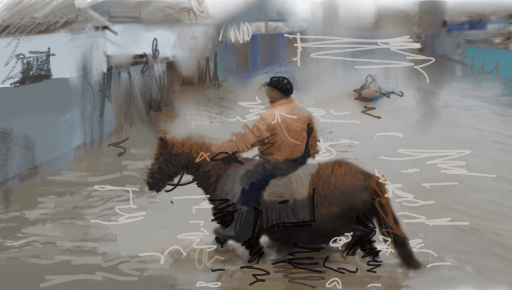
According to the ADB, both countries face high exposure to earthquakes, floods, and other climate-related hazards. Their ability to respond effectively remains limited by constrained fiscal resources and a lack of risk-transfer mechanisms. The newly approved program is designed to enhance financial preparedness through two pre-arranged ADB financing instruments, each tailored to different levels of disaster risk.

Innovative Tools for Disaster-Risk Financing

The program incorporates two key components: Contingent Disaster Financing (CDF) and Disaster Resilience Bonds (DRB). CDF provides budgetary support during medium-scale natural disasters or public health emergencies. DRBs, issued on international capital markets, offer rapid liquidity for major, high-severity disasters.

“This program will help reduce the fiscal burden on both countries following natural disasters, including geophysical events, extreme weather, and health emergencies,” said Leah Gutierrez, ADB Director General for Central and West Asia. She emphasized that the combination of policy reforms, institutional strengthening, and innovative financing marks a shift from reactive response to proactive disaster-risk management.

Focus on Institutional Reforms and Regional Cooperation

The initiative also emphasizes strategic policy reforms, capacity building, and governance improvements to ensure a coordinated and transparent disaster-risk management system. It was developed under ADB’s technical assistance program to establish disaster-risk transfer mechanisms in the Central Asia Regional Economic Cooperation (CAREC) region, a partnership supporting sustainable development and regional integration.

The program will be financed through a $53.1 million grant from the Asian Development Fund (ADF), with an additional $3.3 million from the Asia-Pacific Climate Fund. ADF grants are targeted at the poorest and most vulnerable countries in the Asia-Pacific. From 2021 to 2024, the fund supported the lifting of 384,000 people out of poverty and the creation of approximately 500,000 jobs.