• KGS/USD = 0.01144 0%
  • KZT/USD = 0.00196 -0%
  • TJS/USD = 0.10899 -0%
  • UZS/USD = 0.00008 -0%
  • TMT/USD = 0.28490 0%
  • KGS/USD = 0.01144 0%
  • KZT/USD = 0.00196 -0%
  • TJS/USD = 0.10899 -0%
  • UZS/USD = 0.00008 -0%
  • TMT/USD = 0.28490 0%
  • KGS/USD = 0.01144 0%
  • KZT/USD = 0.00196 -0%
  • TJS/USD = 0.10899 -0%
  • UZS/USD = 0.00008 -0%
  • TMT/USD = 0.28490 0%
  • KGS/USD = 0.01144 0%
  • KZT/USD = 0.00196 -0%
  • TJS/USD = 0.10899 -0%
  • UZS/USD = 0.00008 -0%
  • TMT/USD = 0.28490 0%
  • KGS/USD = 0.01144 0%
  • KZT/USD = 0.00196 -0%
  • TJS/USD = 0.10899 -0%
  • UZS/USD = 0.00008 -0%
  • TMT/USD = 0.28490 0%
  • KGS/USD = 0.01144 0%
  • KZT/USD = 0.00196 -0%
  • TJS/USD = 0.10899 -0%
  • UZS/USD = 0.00008 -0%
  • TMT/USD = 0.28490 0%
  • KGS/USD = 0.01144 0%
  • KZT/USD = 0.00196 -0%
  • TJS/USD = 0.10899 -0%
  • UZS/USD = 0.00008 -0%
  • TMT/USD = 0.28490 0%
  • KGS/USD = 0.01144 0%
  • KZT/USD = 0.00196 -0%
  • TJS/USD = 0.10899 -0%
  • UZS/USD = 0.00008 -0%
  • TMT/USD = 0.28490 0%
08 December 2025

EBRD and EU Allocate €43 Million to Modernize Tajikistan’s Power Grid

The European Bank for Reconstruction and Development (EBRD) and the European Union have announced a joint initiative to enhance the reliability and transparency of Tajikistan’s electricity distribution system.

Under the agreement, a €43 million financing package will support the state-owned electricity distributor Shabakahoi Taqsimoti Barq (STB). The funding aims to reduce technical losses and improve efficiency by upgrading essential infrastructure.

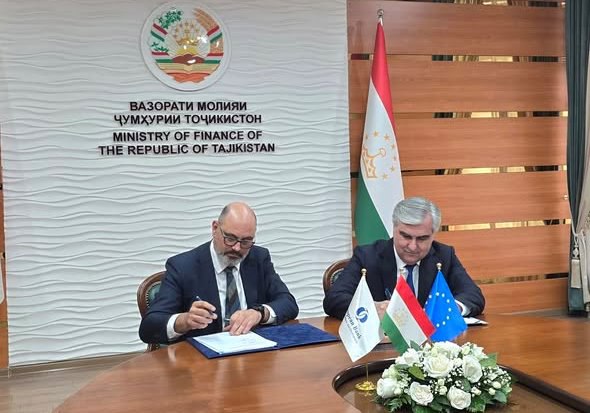
The “Energy Loss Reduction” project was officially signed on December 4 at Tajikistan’s Ministry of Finance. The agreement was endorsed by Minister of Finance Faiziddin Kahhorzoda and the EBRD’s permanent representative in Tajikistan, Holger Wiefel.

The project is backed by €28 million in sovereign loans from the EBRD and €15 million in EU grants via the Asia-Pacific Investment Fund.

Funds will be directed toward upgrading billing systems and installing new electricity metering equipment in nine cities across the Sughd and Khatlon regions. These areas are among the most affected by outdated infrastructure, which contributes to technical power losses, inaccurate metering, and the reduced financial viability of STB.

The modernization program includes digitizing STB’s core operations and implementing cybersecurity measures to safeguard the national power grid. Technical assistance from both the EU and EBRD will support the rollout of these reforms.

A key component of the initiative is human capital development. Specialized training programs on sustainable technologies and modern energy sector skills will be offered, with a focus on youth and women. This is intended to enhance the qualifications of local professionals and strengthen the regional labor market.

The EBRD remains one of Tajikistan’s most significant international investors. To date, the bank has invested more than €1 billion across 188 projects in various sectors. The new energy initiative reflects the continued strategic role of international partners in supporting the modernization of Tajikistan’s critical infrastructure.

Kazakhstan-China Agricultural Research Center to Open in Key Grain-Producing Region

A Kazakhstan-China Agricultural Research Center will be established in the North Kazakhstan region, one of the country’s top three grain-producing areas. The initiative was announced by region’s governor Gauez Nurmukhambetov following a business delegation’s visit to China.

“Last week, a business delegation from our region visited the People’s Republic of China and held meetings with leading Chinese investors. As a result, seven strategic memoranda were signed, opening new economic opportunities for our region. These agreements include the construction of new factories and the creation of a Kazakh-Chinese agricultural research center,” Nurmukhambetov said at a press conference.

The region continues to post record harvests. In 2025 it harvested 6.5 million tons of grain, nearly a quarter of Kazakhstan’s total gross harvest of 27.1 million tons.

Nevertheless, the region is actively diversifying its agricultural profile. Sugar beet cultivation is expanding, with experimental plots from Asyl Farms showing strong crop adaptation. Based on this success, plans are underway to build a processing facility capable of handling 1 million tons of raw material annually, producing up to 200,000 tons of sugar.

In the Kyzylzhar district, Salar Farm is building a plant for processing granulated alfalfa with an annual capacity of 60,000 tons. The main export markets include China and other Central Asian countries. The facility is scheduled to open in 2026. The region is also home to Maslo-Del, an oil extraction plant with an annual processing capacity of 370,000 tons of oilseeds and a production output of 120,000 tons, much of which is exported.

Alongside its growth in crop production, the region is making notable progress in livestock farming.

“SK Agro will construct the largest cattle farm in Central Asia, with a herd of 10,000 and a state-of-the-art Carousel milking system,” said Nurmukhambetov. “The farm is expected to increase milk production by 68 million tons annually. This will raise the share of milk produced by agricultural enterprises in Kazakhstan to 70%.”

He noted that in Belarus, modern farms account for 77% of milk production, in China around 70%, and in European countries more than 93%. North Kazakhstan region aims to boost its share of the country’s total milk output to 20%.

Meanwhile, 17 projects valued at $555.6 million are underway in the Qyzyljar special economic zone.

Agricultural cooperation with China continues to grow. Kazakhstan views China as a key export destination for its processed agricultural products. In November, QazTrade signed a partnership agreement with Optimize Integration Group, one of China’s largest food importers, responsible for 18% of the country’s frozen meat imports.

In a related development, a joint Kazakh-Chinese veterinary laboratory was opened in East Kazakhstan region in October 2025. The facility is designed to streamline and accelerate export procedures for agricultural goods.

Central Asian Countries Agree on 2026 Water Allocations from Amu Darya and Syr Darya

Central Asian states have reached an agreement on water allocations from the Amu Darya and Syr Darya rivers for 2026. The decision was made during the 91st meeting of the Interstate Coordination Water Management Commission (ICWC), held in Ashgabat on November 13, 2025, according to Kun.uz.

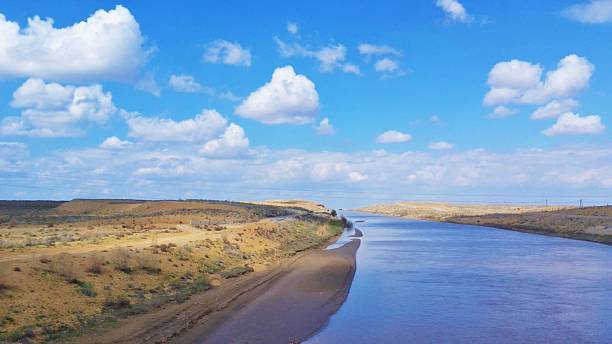
At the meeting, the countries agreed on how water resources will be managed during the 2025–2026 non-growing season, the period when agricultural demand is low. For the Amu Darya, the total allocation from October 2025 to October 2026 is set at approximately 55.4 billion cubic meters, with 15.9 billion cubic meters designated for the cold months from October through April. Under the agreement, Tajikistan will receive 9.8 billion cubic meters, while Turkmenistan and Uzbekistan will each receive 22 billion.

A key provision is that roughly 44 billion cubic meters of the Amu Darya’s flow must reach the Kerki hydrological station in Turkmenistan to sustain downstream areas. Additionally, 4.2 billion cubic meters is allocated to support the Aral Sea and the Amu Darya delta, with half to be delivered in winter and early spring. Another 800 million cubic meters will be used for irrigation in Dashoguz, Khorezm, and Karakalpakstan. These allocations are crucial for both communities living in water-scarce regions and for preserving fragile river ecosystems.

For the Syr Darya, the total allocation for the non-growing season is 4.219 billion cubic meters. Of this, Uzbekistan will receive the majority share, 3.347 billion cubic meters. Kazakhstan will receive 460 million cubic meters through the “Dustlik” canal, Tajikistan 365 million, and Kyrgyzstan 47 million. These figures are based on projected river inflows, reservoir capacities, and the need to maintain ecological flows.

The ICWC also approved operational plans for key reservoirs. In Tajikistan, the Nurek Reservoir is expected to enter the non-growing season with 10.5 billion cubic meters and decline to around 9.7 billion by spring. The Tuyamuyun reservoir, located on the Uzbekistan–Turkmenistan border, will start with 4.5 billion cubic meters and reduce to 3.4 billion. Both will gradually release water to support irrigation and sustain the Amu Darya’s flow.

In the Syr Darya basin, total water volume in the Toktogul, Andijan, and Charvak reservoirs at the beginning of the season is approximately 10.6 billion cubic meters, slightly below average. Tajikistan’s Bahri Tojik reservoir is expected to contain 2.6 billion cubic meters, while Kazakhstan’s Chardara reservoir will hold about 1.65 billion. Collectively, the Syr Darya basin will have around 14.9 billion cubic meters of water at the start of winter, roughly 90% of the long-term seasonal average.

The 92nd ICWC meeting is scheduled to take place in Dushanbe, where officials will assess reservoir performance and water usage during the 2025-2026 season. The agenda will also include strategies to strengthen regional water security in the face of escalating climate pressures.

Kyrgyzstan and Britain Sign Landmark Agreement on Critical Minerals Cooperation

Kyrgyzstan and the United Kingdom have taken a significant step toward strengthening their partnership in the global critical minerals market, signing a landmark memorandum of understanding (MoU) in London.

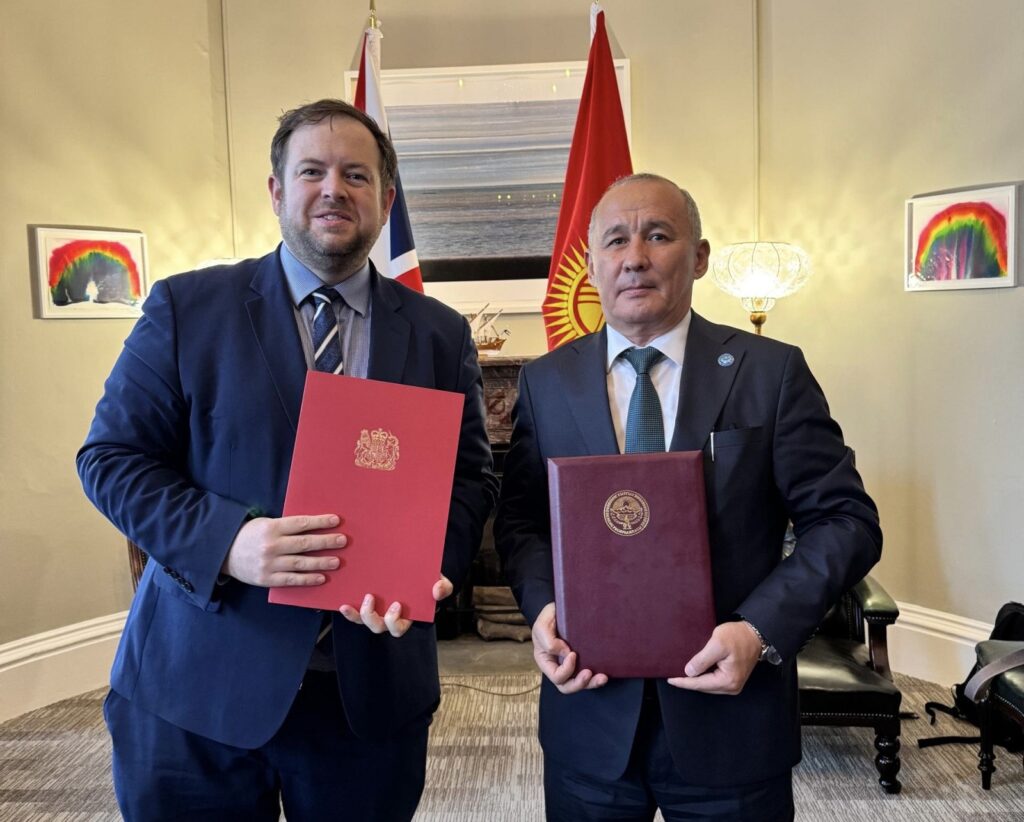
The agreement was formalized by Stephen Doughty, UK Minister of State for Europe, North America and UK Overseas Territories, and Meder Mashiev, Kyrgyz Minister of Natural Resources, Ecology and Technical Supervision.

The document outlines cooperation in geological exploration, the implementation of high environmental, social and governance (ESG) standards, development of business ties, and the exchange of expertise. For Bishkek, the MoU establishes a new platform for deeper economic engagement with the UK, one of the world’s leading financial and technological hubs, while facilitating foreign investment and joint projects in the critical minerals sector.

Mashiev arrived in London as part of the Kyrgyz government delegation attending London Mining Week, which runs from December 1 to 6. Speaking at the MINEX Eurasia conference on December 1, he presented the country’s long-term strategy for developing its critical minerals sector.

According to him, Kyrgyzstan’s deposits of antimony, beryllium, molybdenum, bismuth, zinc, silver, and other critical minerals represent significant commercial and strategic value for global industries, particularly in energy, electronics, and advanced manufacturing.

State-owned companies, including Kyrgyzgeology, are leading exploration and development efforts, supported by government incentives and an open-door policy toward international collaboration. Strategic sites are being actively promoted for joint ventures and direct foreign investment.

Mashiev emphasized that Kyrgyzstan’s strategy places a strong focus on high ESG standards, aiming to ensure environmentally responsible development, social transparency, and meaningful benefits for local communities. The government’s objective is to position the country as a competitive and responsible supplier of critical minerals essential to global green transition technologies.

Kyrgyzstan’s ambitions are backed by substantial geological potential. Speaking at the International Forum on Critical Minerals 2025 in Seoul in May, Deputy Minister Marat Jusupbekov noted that the country is home to 11 deposits of rare earth elements, positioning it as an increasingly attractive destination for global investors.

One of Kyrgyzstan’s most valuable assets is the Kutessay II deposit, which contains more than 63,300 tons of rare earth metals, along with molybdenum, silver, bismuth, lead, and zinc. The government is promoting joint development of this deposit in tandem with the nearby Kalesai beryllium site, which holds an estimated 11,700 tons of beryllium. Both sites are licensed to Kyrgyzgeology, which is actively seeking foreign investment partners.

Jusupbekov also highlighted the potential of the Kyzyl-Ompol uranium-thorium group, including the Tash-Bulak area, where titanium-magnetite reserves are estimated at 5.5 million tons. This project is licensed to Kyrgyzaltyn, the country’s largest gold mining enterprise.

With global demand for critical minerals rising due to the renewable energy transition and growth in advanced manufacturing, Kyrgyzstan’s latest agreements and strategic initiatives aim to position the country as an emerging player in this fast-evolving, high-value market.

La Tregua: A Bridge Across Wars and Worlds – An Interview with Director Miguel Ángel Vivas

In the misty green heart of Bizkaia, where mountains rise like ancient sentinels and the air carries the scent of rain and earth, a remarkable filmmaking journey unfurled. This is where director Miguel Ángel Vivas Moreno, known for Money Heist (La Casa de Papel), Cicatriz, Desaparecidos, and Secuestrados, reconstructed one of the most haunting landscapes of the twentieth century: a Soviet gulag on the distant Kazakh steppe.

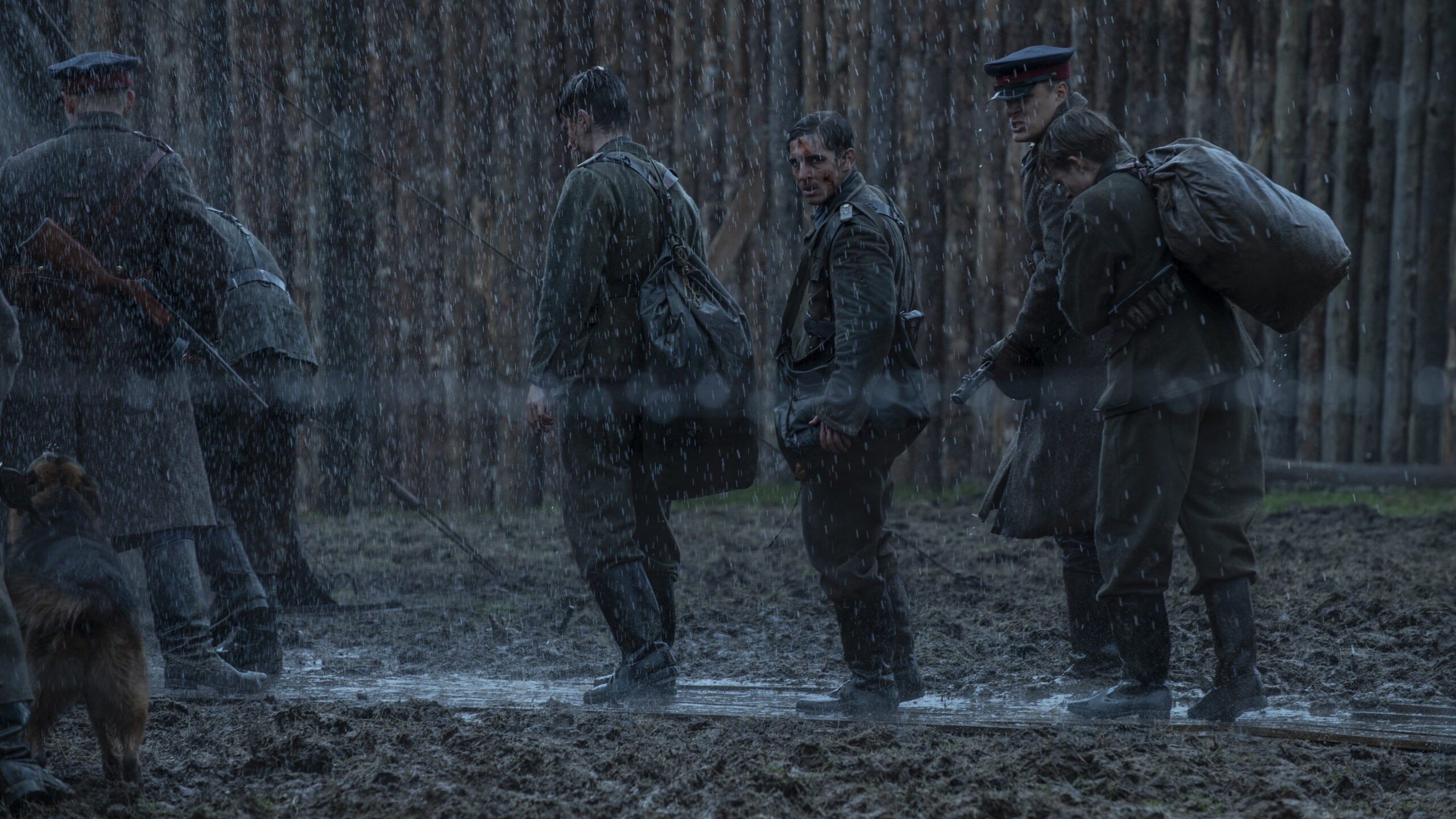
His new film, La Tregua (The Truce), invites viewers into a story based on actual events that unfolded far from Spain, but holds deep ties to its history. It traces the ordeal of Spanish prisoners during World War II who fell into Soviet hands and were compelled to endure the harsh, frozen conditions of a labor camp. Their struggle becomes a bridge between past and present, between countries and cultures, and between two men who must learn to recognize each other beyond the uniforms that once made them enemies.

All images courtesy of the production

The project is an unprecedented Spanish-Kazakh co-production from Spassk 99, AIE, Amanat Capital, LTD, and Umaifilm, LLP. This partnership gives the film a reach that feels genuinely cross-continental. It is a motion picture passport that opens a window onto a forgotten corner of global history.

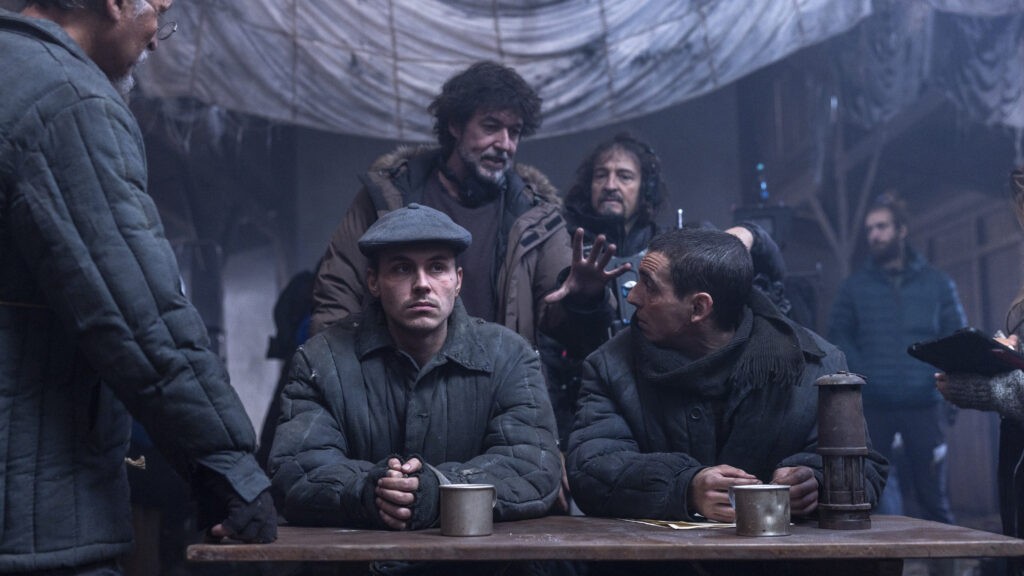
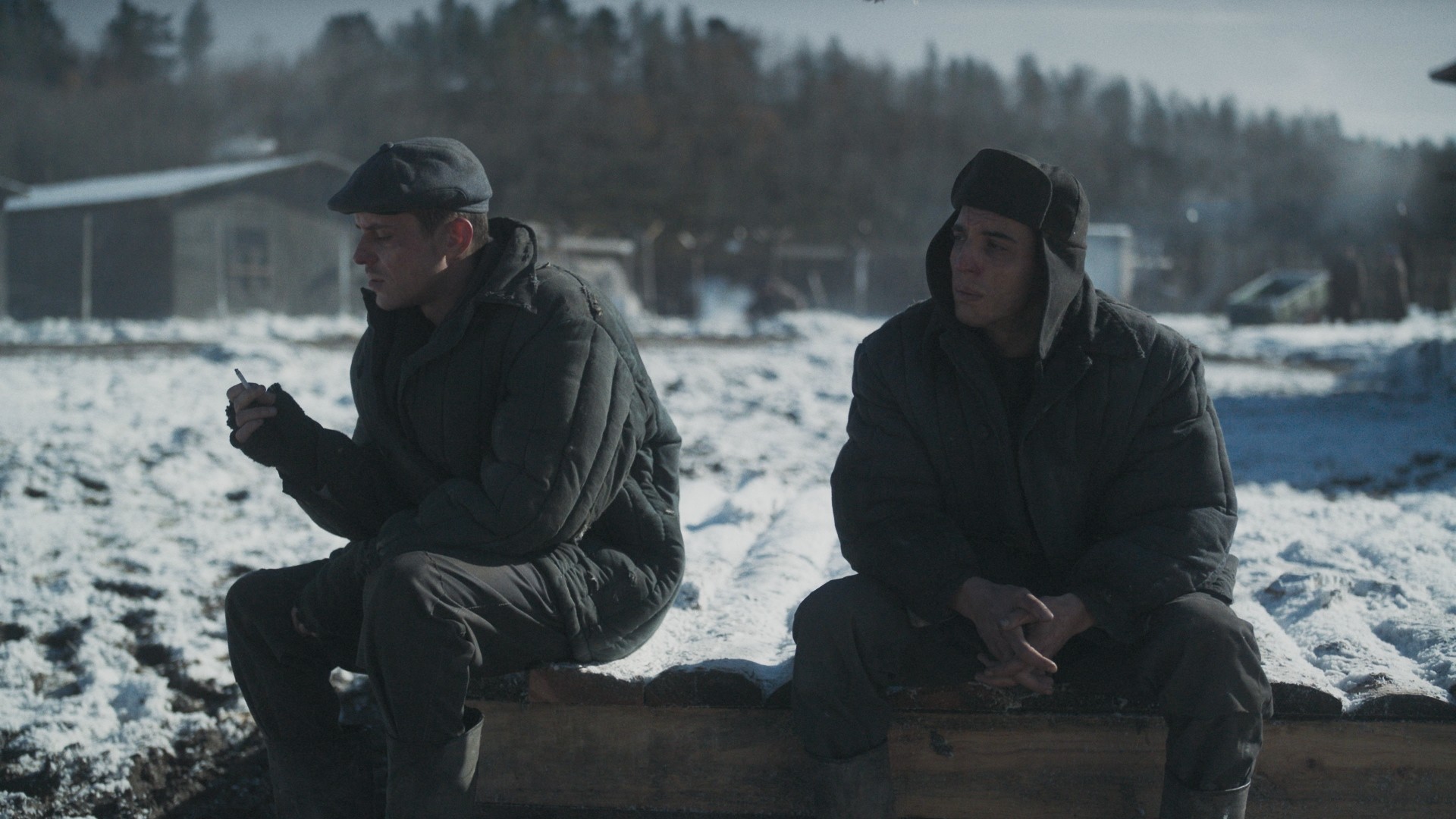
At the center of the story are Miguel Herrán and Arón Piper, who step into the roles of Reyes and Salgado. The characters appear as ideological enemies; having fought on opposing sides during the Spanish Civil War, both carry heavy psychological baggage. Inside the camp, their former certainties fall away. What begins as uneasy coexistence becomes an inward journey shaped by hunger, fear, and the starkness of their new reality.

Executive producer César Benítez recalls searching for two actors capable of expressing both the physical exhaustion of imprisonment and the spark of hope that keeps a person standing. He says that the moment he saw Miguel and Arón together, he recognized that rare blend of fragility and fire.

Miguel Ángel Vivas talked to TCA to break down the challenges and highlights behind the production.

All images courtesy of the production

TCA: The story is fictional, but it is based on real events in Kazakhstan. Can you explain the historical context and how it inspired La Tregua?

Miguel: The story begins with a documentary about Spaniards in the Soviet gulags. That’s where we discovered that republicans and fascists shared the same prison two years after the Spanish Civil War ended. It struck us as a fascinating starting point for a human story about the relationships that formed between them.
All images courtesy of the production

TCA: The premise is intriguing: how two fighters on opposite sides of the Spanish Civil War end up in a gulag in Kazakhstan. In an increasingly polarized world, is there a lesson in the film to help heal the wounds that divide Spain, or even the world in general?

Miguel: That was the idea! In such a polarized world, I felt it was necessary to make a film about what unites us rather than divides us. The film is universal. In it, we try to explore how the world has split for many different reasons, whether religion or ideologies. My intention was to show that moral principles should stand above any ideology. If a bomb falls on a hospital, for example, morally we should all condemn it, but the moment people put ideology before moral principles, they start looking for excuses not to. It should not be that way.

TCA: Do you have any anecdotes about the Spanish and Kazakh teams working together? Perhaps some interesting cultural exchanges?

Miguel: I can only say it was an incredible experience. I fell in love with Kazakhstan when I went there. And, of course, I fell in love with the actors who came from there, with their craft and above all with their humanity. If there is one thing I have taken from this film, it is a group of people I can truly call friends. More than just anecdotes, what I will carry with me is a wonderful memory of them.
All images courtesy of the production

TCA: I know that this film is primarily focused on the male leads, but Dina Tasbulatova is the female lead, a Kazakh actor who provides emotional layers to the film. Can you elaborate on that and working with her to create her role?

Miguel: Dina is a star. And when I say star, I mean she is one of those actresses you connect with the moment you see her; someone you immediately care about. She has that kind of charisma. On top of that, she is the kind of person who makes working with her incredibly easy. From the beginning, we agreed on the direction the character should take, but she gave us so much more. She created a wonderful performance. It is impossible not to fall in love with her character.

TCA: Many times, a location can add a dimension or even feel like a character in a film. How has setting the film in Kazakhstan created an ambience or added a personality or texture to your project?

Miguel: Kazakhstan gave me the chance to speak about the land, the land of the Kazakhs.

This was very important to me. Rilke said that nostalgia is the residue of our childhood. For me, nostalgia is the memory of who you are, who you were, and who you hoped to become. Our characters want to escape that place, but little by little, without realizing it, they begin to fall in love with the land beneath their feet, the land where they have spent most of their lives. The culture, the folklore, and the people there were essential to telling this story. The character who leaves and whom we see again at the end (I will not name names to avoid spoilers) was never happy again in Spain, because it was no longer his land. We are the land we walk on, and we are our principles. That is what the film is about.

La Tregua is not only a film about survival; it is a cinematic expedition across geography, memory, and identity. It asks viewers to travel with its characters through the cold and into the heart of what makes us human. This emotional odyssey gives it the resonance of a travel narrative, one where the destination is not a place, but a deeper understanding of the human condition.

Having debuted at Comic Con Astana 2025 and been released to theaters in Spain and Kazakhstan in October, La Tregua will arrive on Netflix soon.

Pannier and Hillard’s Spotlight on Central Asia: New Episode Available Now

As Managing Editor of The Times of Central Asia, I’m delighted that, in partnership with the Oxus Society for Central Asian Affairs, from October 19, we are the home of the Spotlight on Central Asia podcast. Chaired by seasoned broadcasters Bruce Pannier of RFE/RL’s long-running Majlis podcast and Michael Hillard of The Red Line, each fortnightly instalment will take you on a deep dive into the latest news, developments, security issues, and social trends across an increasingly pivotal region.

In the new episode, available now, the team breaks down a flurry of developments reshaping Central Asia’s security landscape, from the debut of the new C6 format and the surprise expansion of the once-exclusive C5 grouping, to Vladimir Putin’s key trip to Bishkek for the CSTO summit. We examine the alarming collapse in Tashkent’s air quality, Astana’s decision to withdraw from a decades-long arms agreement, and the escalating pattern of cross-border drone strikes between Tajik and Afghan actors along one of the region’s most volatile frontiers. The team is also joined by special guests Edward Lemon and Bradley Jardine to discuss Chinese influence in Central Asia and their new book, From Belt and Road to Backlash.