• KGS/USD = 0.01144 0%
  • KZT/USD = 0.00214 0%
  • TJS/USD = 0.10508 0.48%
  • UZS/USD = 0.00008 0%
  • TMT/USD = 0.28571 0%
  • KGS/USD = 0.01144 0%
  • KZT/USD = 0.00214 0%
  • TJS/USD = 0.10508 0.48%
  • UZS/USD = 0.00008 0%
  • TMT/USD = 0.28571 0%
  • KGS/USD = 0.01144 0%
  • KZT/USD = 0.00214 0%
  • TJS/USD = 0.10508 0.48%
  • UZS/USD = 0.00008 0%
  • TMT/USD = 0.28571 0%
  • KGS/USD = 0.01144 0%
  • KZT/USD = 0.00214 0%
  • TJS/USD = 0.10508 0.48%
  • UZS/USD = 0.00008 0%
  • TMT/USD = 0.28571 0%
  • KGS/USD = 0.01144 0%
  • KZT/USD = 0.00214 0%
  • TJS/USD = 0.10508 0.48%
  • UZS/USD = 0.00008 0%
  • TMT/USD = 0.28571 0%
  • KGS/USD = 0.01144 0%
  • KZT/USD = 0.00214 0%
  • TJS/USD = 0.10508 0.48%
  • UZS/USD = 0.00008 0%
  • TMT/USD = 0.28571 0%
  • KGS/USD = 0.01144 0%
  • KZT/USD = 0.00214 0%
  • TJS/USD = 0.10508 0.48%
  • UZS/USD = 0.00008 0%
  • TMT/USD = 0.28571 0%
  • KGS/USD = 0.01144 0%
  • KZT/USD = 0.00214 0%
  • TJS/USD = 0.10508 0.48%
  • UZS/USD = 0.00008 0%
  • TMT/USD = 0.28571 0%

Azerbaijan Accuses Iran of Drone Attack on Nakhchivan

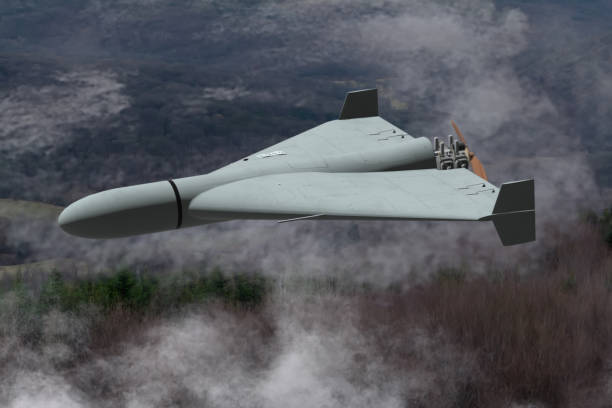
Drones allegedly launched from Iranian territory struck Azerbaijan’s Nakhchivan Autonomous Republic around noon on March 5, Azerbaijan’s Foreign Ministry has said. According to the ministry, one drone fell on the terminal building of Nakhchivan International Airport, while another crashed near a school in the village of Shekerabad.

Azerbaijan’s Foreign Ministry issued a statement following the incident, “strongly condemn[ing] these drone attacks carried out from Iranian territory, which caused damage to the airport building and injured two civilians,” the ministry said in a statement. The ministry added that the strike on Azerbaijani territory violates the norms and principles of international law and risks escalating tensions in the region.

Baku has demanded that Tehran promptly clarify the circumstances of the incident, provide official explanations, and take immediate steps to prevent similar events from occurring in the future. “The Azerbaijani side reserves the right to take appropriate retaliatory measures,” the statement said.

Following the incident, Iran’s ambassador, Mujtaba Demirchilu, was summoned to the Azerbaijani Foreign Ministry, where he is expected to receive a formal protest note.

The strikes coincided with an appeal by Iranian President Masoud Pezeshkian to neighboring countries. According to Pezeshkian, Iran has sought to prevent conflict through diplomatic means but ultimately had no choice but to defend itself.

“We respect your sovereignty and believe that the security and stability of the region must be achieved through the collective efforts of its countries,” Pezeshkian wrote on X.

Earlier reports indicated that the Azerbaijani authorities were assisting citizens of Central Asian countries in leaving Iran through the Julfa border crossing in Nakhchivan following the start of military operations involving the Islamic Republic.

Iran’s military denied launching the drone attack, instead accusing Israel of attempting to provoke tensions between Muslim countries.

Calls and Meetings: Central Asia’s Diplomats Seek Balance in Mideast War

Central Asian countries are being careful not to criticize any actors during the Mideast war, maintaining ties with the Iranian government while expressing support for Gulf Arab countries that have been targeted by Iranian missiles and drones.

The diplomacy on both sides of a war that began with U.S. and Israeli air strikes on Iran reflects a longstanding approach in Central Asia, where leaders have sought to project neutrality and maintain amicable relations with major powers including Russia, China and the United States. Increasingly, those leaders are taking coordinated positions on conflicts such as the one now convulsing the Mideast region, partly in order to preserve trade routes and strengthen a call for regional stability.

It all means that Central Asian diplomats are busy these days. A lot of calls and meetings.

Alibek Bakaev, Kazakhstan’s deputy foreign minister, discussed the situation in the Middle East with Iranian ambassador Ali Akbar Joukar in Astana on Wednesday.

The two sides “reaffirmed their commitment to the implementation of the agreements reached following high-level negotiations,” the Kazakh government said, in an apparent reference to deals, probably related to trade, that were made before the massive strikes on Iran and ensuing upheaval that could affect the global economy.

Like Kazakhstan, Uzbekistan has reached out to Gulf Arab countries during the crisis and thanked them for helping with the evacuation of Central Asian nationals, including Muslim pilgrims.

On Wednesday, Uzbek President Shavkat Mirziyoyev spoke to Qatari Emir Sheikh Tamim bin Hamad Al Thani about the importance of bringing the war to a quick end, Uzbekistan’s Ministry of Foreign Affairs said.

“Deep concern was expressed over unacceptable actions that exacerbate divisions within the Muslim ummah during the holy month of Ramadan,” said the ministry, without specifying who was responsible for the “unacceptable actions.”

Just a day earlier, Foreign Minister Bakhtiyor Saidov of Uzbekistan spoke by telephone to his Iranian counterpart, Seyed Abbas Araghchi. Saidov expressed condolences over the loss of civilian lives in the war and the pair agreed on the need for dialogue.

Among Central Asian countries, Uzbekistan and Kazakhstan in particular have been growing closer to the United States, signing trade deals and joining President Donald Trump’s Board of Peace initiative. Trump has described the Iranian leadership as “a vicious group of very hard, terrible people.”

Nations in Central Asia aren’t the only ones looking for a balance in the current crisis.

China, which relies heavily on Iranian oil but also values its ties to the wealthy Gulf Arab states, has called for an end to the war. Russia, which has received help from Iran for its war in Ukraine, has condemned the strikes, but Moscow has been developing ties with the Gulf states as well.

Among traditional U.S. allies, Canadian Prime Minister Mark Carney has said he supports the strikes in Iran “with regret” because they reflect a further breakdown of the international order, even though Iran is a threat. French President Emmanuel Macron has expressed similar concerns about the strikes, while denouncing the Iranian leadership for its bloody crackdown on protesters.

Central Asia and Britain Launch CA5+UK Ministerial Track

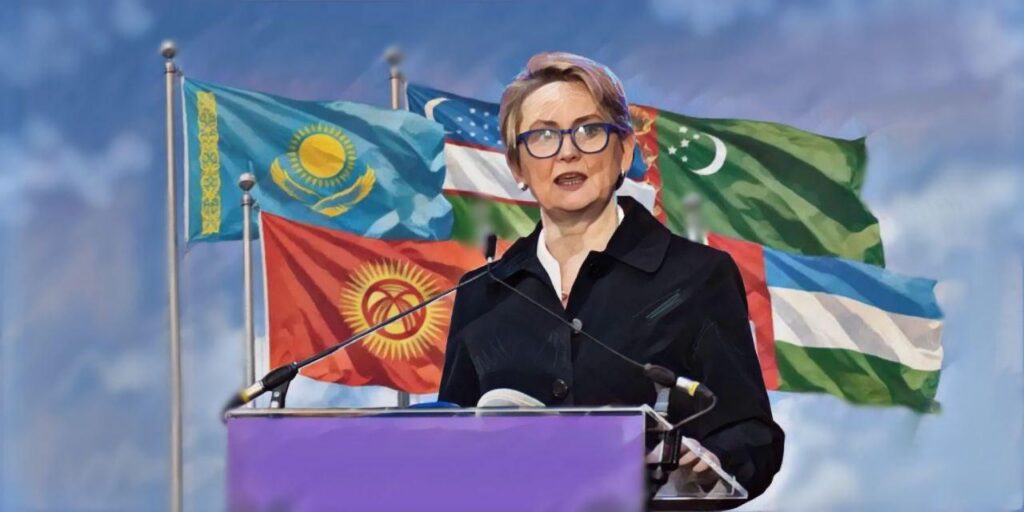
On February 26, 2026, the foreign ministers of Kazakhstan, Kyrgyzstan, Tajikistan, Turkmenistan, and Uzbekistan met in London with United Kingdom Foreign Secretary Yvette Cooper at Lancaster House for the inaugural “Central Asia–UK” (CA5+UK) ministerial. Official statements described it as the first time since independence that all five Central Asian foreign ministers have met jointly with a UK foreign secretary in a single forum. They also presented the meeting as the start of a structured ministerial channel, intended to convene regularly, that can carry regional priorities while leaving bilateral agendas in place.

The United Kingdom is framing the new CA5+UK channel as a replacement for scattered bilateral visits: a single ministerial venue can set shared priorities and route them into investment and services work. For the five Central Asian states, it adds another external track, widening options without forcing institutional choices. Public statements point to a practical agenda focused on trade and investment, transport connectivity, energy transition, and critical minerals, with security present chiefly as background context. The enabling layer of finance, standards, education, and professional services is also included.

How the London Program Unrolled

On February 25, meetings took place at the British Parliament as part of the London schedule. The five ministers met with House of Commons Speaker Sir Lindsay Hoyle and held a session with the All-Party Parliamentary Group for Central Asia, chaired by Pam Cox.  The meetings in Parliament complemented the ministerial session at Lancaster House by widening contact beyond foreign ministries. The discussion emphasized committee-to-committee contacts, visits, and exchange of legislative practice as a complement to intergovernmental diplomacy. Parliamentary relationships and staff channels can carry attention between ministerial sessions, assisting with follow-up after cooperative contacts have been publicly established. They represent a second continuity layer: implementation often turns on routine access and working familiarity rather than on formal statements alone.

Between the parliamentary program and the ministerial delegations, they also met with the United Kingdom business community at a reception in London. This was a practical companion to the new format, aiming at the conversion of diplomatic intent into projects that can be financed and executed. Kazakhstan’s Foreign Minister Yermek Kosherbayev cogently highlighted the Astana International Financial Centre (AIFC), which operates under English common law with an independent court and arbitration system and British judges in the AIFC Court. Beyond the plenary session, a ministerial working lunch provided a venue to follow up on such initiatives.

Early deliverables were not multilateral but bilateral. Kazakhstan and the United Kingdom signed a strategic roadmap on critical minerals through 2027 and paired it with education moves, including a licensed Coventry University campus in Almaty and plans involving British secondary and higher education institutions. Uzbekistan reported a Memorandum of Understanding on healthcare services that it presented as a platform for building pharmaceutical manufacturing capacity, alongside separate discussions with investment and finance counterparts in London. Turkmenistan cited a 2026–2027 cooperation program between foreign ministries, and Tajikistan continued to emphasize investment and cooperation in science and education.

CA5+UK Launches with Bilateral Packages

The CA5+UK forum launches another “plus-one” mechanism in a region where major partners are now structuring their engagement through repeatable formats. In line with that engagement, the UK initiative concerns not so much building a new institution as attaching deal-enabling capacity to already existing projects. Kazakhstan’s foreign ministry underscored the breadth of the bilateral agenda and noted that ratification of the 2024 Strategic Partnership and Cooperation Agreement would widen the platform for cooperation. At the CA5+UK, Foreign Minister Yermek Kosherbayev confidently presented Kazakhstan as the region’s connectivity hub, noting that 13 major transit corridors cross Kazakhstan and that about 85% of overland cargo between Europe and Asia moves through its territory.

For the five delegations, the practical payoff is direct access to counterparties that can price risk, mobilize capital, and sustain follow-up between ministerial sessions, without narrowing external options. The schedule described by Uzbekistan’s foreign ministry paired political meetings with implementation-oriented discussions, including the healthcare MoU mentioned above, and separate talks with Standard Chartered Bank on financing large industrial projects as well as with Benoy on urban and transport planning, including New Tashkent and regional master plans. Kyrgyzstan used the Kyrgyz-British Business Council meeting to widen the investor pipeline around critical minerals and banking cooperation, with the emphasis on market access and capital-raising, rather than on a single signed headline document.

Even in a UK-facing commercially oriented format, once banks, insurers, and logistics providers are involved, projects are shaped by compliance screening, sanctions exposure, and risk pricing. Kyrgyz Foreign Minister Jeenbek Kulubaev warned that unilateral restrictive measures could affect trade, economic, and financial cooperation with the United Kingdom and called for dialogue to keep commercial ties from being pulled into political disputes. The practical effect is a tilt toward projects with clearly identified counterparties, documented compliance pathways, and predictable dispute-resolution procedures acceptable to financiers. Transactions that raise screening burdens close more slowly or at higher cost; taking these conditions into account, Kosherbayev described the new track as results-oriented and stressed “tangible results.”

CA5+UK in the “Plus-One” Field

The CA5+UK joins several other “plus-one” formats that Central Asian governments can sequence against one another. Germany’s Z5+1 has been presented as a tool-driven work channel that can move through German instruments while remaining compatible with European Union programming. The United States–led C5+1 is framed as a standing diplomatic platform for regional solutions and joint work across multiple agencies. China has relied on leader-level summitry and formal political upgrading, including a treaty-based umbrella for long-horizon cooperation. The UK format is different: it can succeed without a heavy institutional superstructure if it repeatedly converts priority sectors into financeable transactions under UK documentation and risk standards. It will look viable if it becomes a routine mechanism rather than an annual event.

What is needed for that is an early decision on the next ministerial date, accompanied by the naming of contacts to carry the work between meetings. A small but visible pipeline of projects that reach financing and implementation steps would be another indicator, even if no project is a big headline. For the Central Asian five, the CA5+UK is useful if it increases execution capacity without narrowing external options or forcing institutional lock-in. The format can give them access to instruments that make projects financeable, particularly where counterparties depend on legal predictability and transaction support. The potential cost is that a larger number of channels increases the premium on intraregional coordination, because different timetables and financing terms can complicate the coordination of project selection and messaging.

South Korea Supports Kyrgyzstan’s Transition to Electric Transport

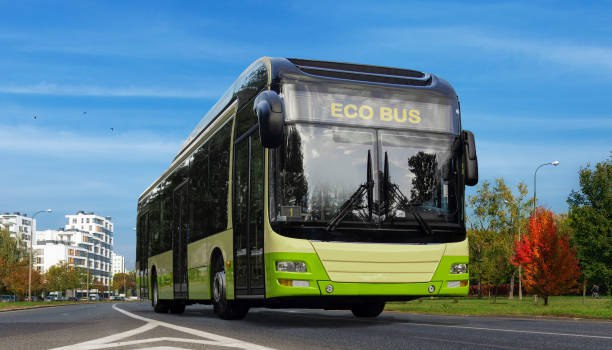
South Korea is expanding support for Kyrgyzstan’s transition to electric mobility through new investments in charging infrastructure and the electrification of government vehicles.

Blue Networks Co., Ltd., a South Korean company specializing in electric vehicle (EV) charging infrastructure that has installed more than 3,500 charging stations in South Korea, plans to install 300 EV charging stations across Kyrgyzstan by July 2026.

The initiative was discussed during a March 3 meeting between Kyrgyz Energy Minister Taalaibek Ibraev and representatives of Blue Networks.

Cooperation between Kyrgyzstan and Blue Networks began in 2024, when the state-owned energy company Chakan HPP and the South Korean firm signed a memorandum on the joint development and operation of EV charging stations.

In 2025, the partners signed a framework agreement to establish a manufacturing facility in Kyrgyzstan to assemble EV charging stations. As part of the agreement, a joint venture has already been established, and the launch of the assembly plant is scheduled for April 2026.

Digitalization was also a key topic during the meeting. Blue Networks said it is developing software to manage EV charging infrastructure and agreed to provide Kyrgyzstan’s Ministry of Energy with access to the system to ensure transparency, monitoring, and efficient management of the future charging network.

The initiative forms part of broader support from South Korea for Kyrgyzstan’s transition to electric mobility.

On March 3, the Korea International Cooperation Agency (KOICA) handed over electric vehicles under the project “Electric Vehicle Transition Project for Public Service Fleet to Realize Green Mobility in the Kyrgyz Republic.”

The ceremony was attended by Kyrgyz Deputy Minister of Economy and Commerce Mederbek Tumanov, South Korean Ambassador to Kyrgyzstan Kim Kwangjae, KOICA Country Director Lim Soyeon, and representatives of participating government institutions.

According to the KOICA Kyrgyzstan office, ten electric SUVs will be distributed among key government institutions during the first phase of the project.

The initiative, which runs from 2024 to 2027 with a budget of about $11 million, aims to reduce greenhouse gas emissions and support the adoption of electric vehicles in the public sector through the provision of vehicles, charging infrastructure, and training programs.

These initiatives align with the Kyrgyz government’s strategy to promote environmentally friendly transport and reduce air pollution in Bishkek and other major cities.

The number of electric vehicles in Kyrgyzstan has been steadily increasing. According to First Deputy Prime Minister Daniyar Amangeldiev, more than 200 electric vehicles are imported into the country daily under a VAT exemption scheme.

As a member of the Eurasian Economic Union (EAEU), Kyrgyzstan also benefits from an annual quota allowing the duty-free import of up to 15,000 electric vehicles.

Despite this rapid growth, electric vehicles still represent a small share of the national vehicle fleet.

According to the Ministry of Natural Resources, Ecology, and Technical Supervision, Kyrgyzstan had more than 1.9 million registered vehicles as of early 2026, a 13% increase compared with 2024.

Of these vehicles, 972,000 run on gasoline, 339,000 on diesel, 56,900 on gas, and 37,000 are hybrids. Electric vehicles account for about 0.8% of the national fleet, or approximately 15,200 vehicles.

Kazakh Startup Defect AI Accepted into StartX Accelerator at Stanford University

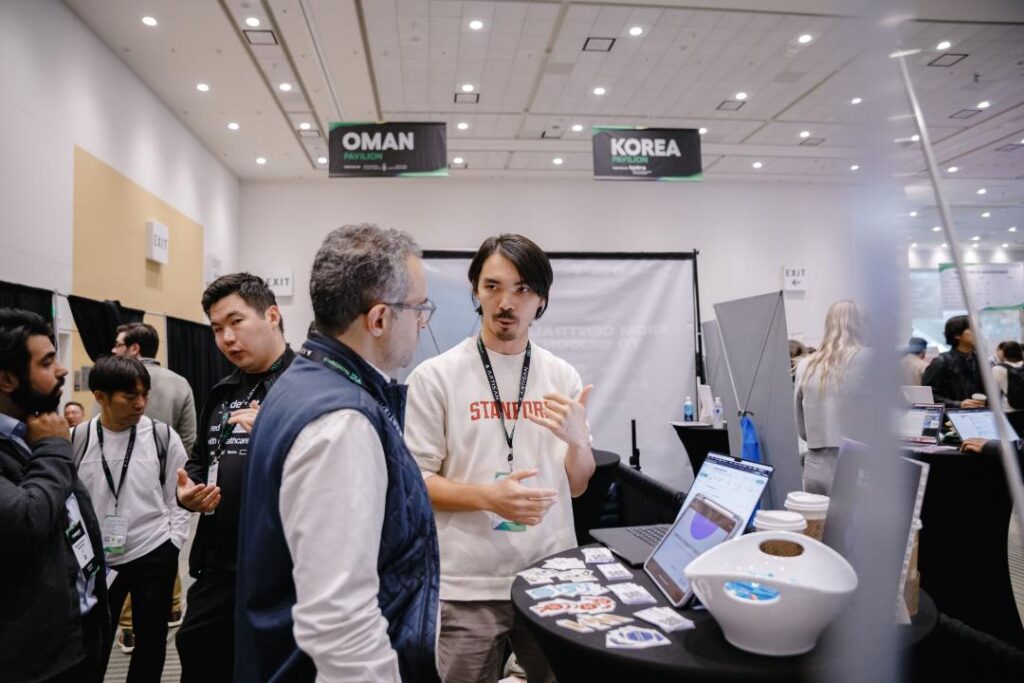
Kazakhstan-based startup Defect AI, part of the Astana Hub ecosystem, has been selected for the spring 2026 cohort of the StartX accelerator at Stanford University. The program is considered one of the most competitive in Silicon Valley and brings together promising technology projects from around the world.

The platform developed by the startup uses artificial intelligence to analyze medical documentation. According to the developers, the algorithm can reduce the time spent on manual document verification by up to 95%.

The service is designed to help medical organizations comply with regulatory requirements and standards while reducing the administrative burden on doctors. The product is positioned as an AI assistant that structures documentation and processes large volumes of medical data without requiring additional staff.

The startup operates internationally under the brand name Rette, derived from the Kazakh word “retteu,” meaning “to put in order.”

Experience gained from implementing the technology in Kazakhstan allowed the team to test the product in a real healthcare system. However, the company’s main strategic focus is now shifting to the U.S. market.

The Defect AI team operates globally, with key employees based in Kazakhstan, the U.S., Japan, the United Kingdom, and Germany. The team includes specialists with experience at Meta, Google, and Microsoft.

Through its participation in the StartX program, the startup has formed an advisory board that includes practicing doctors and medical technology investors.

Co-founder Sanzhar Myrzagalym said the road to the accelerator was a long one. The team applied four times before being accepted into the program.

Dushanbe and London Agree on Cooperation on Critical Minerals

The Tajik government has approved a draft memorandum of understanding with the United Kingdom on cooperation in the field of critical minerals.

The agreement is expected to be concluded between Tajikistan’s Ministry of Industry and New Technologies and the UK government.

The draft memorandum emphasizes the strategic importance of critical minerals for the global economy. These resources are essential for industrial development, advanced technologies, and the transition to low-carbon energy systems.

The document notes that sustainable and transparent supply chains for such minerals are crucial for economic security. The market for these resources remains vulnerable due to the high concentration of production in a limited number of countries and the risk of supply disruptions.

Cooperation between Tajikistan and the UK aims to diversify supply sources and promote the development of more sustainable international supply chains for the extraction and processing of raw materials.

The parties also intend to implement high sustainable development standards throughout project lifecycles, including environmental, social, and governance (ESG) principles.

The memorandum also includes the possibility of export credit and project insurance, subject to certain conditions.

In addition to business cooperation, the agreement provides for the development of scientific and educational initiatives.

In particular, the following measures are planned:

  • the creation of academic partnerships;
  • the exchange of experience between research institutes;
  • strengthening the institutional capacity of the mining sector.

A joint working group on critical minerals will be established to coordinate cooperation, with meetings planned twice a year. The memorandum will be valid for five years, with the possibility of automatic renewal.

Tajikistan has significant reserves of several strategic resources.

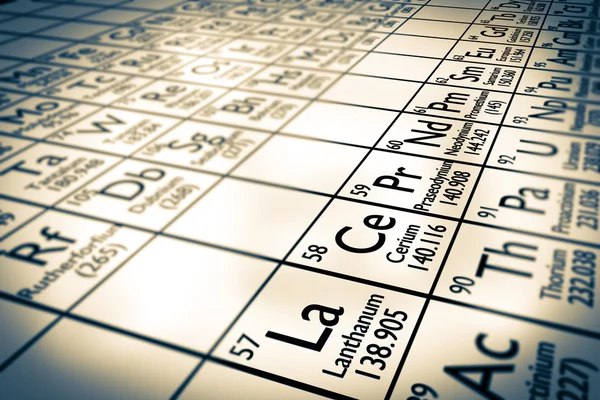
According to geologists, there are indications of lithium deposits in the country, a key metal used in the production of electric vehicle batteries and electronics. Rare earth elements have also been identified, including potential deposits of cerium and praseodymium, which are used in electronics and renewable energy technologies.

In addition, the country has reserves of niobium and tantalum.