• KGS/USD = 0.01144 0%
  • KZT/USD = 0.00209 0%
  • TJS/USD = 0.10523 0%
  • UZS/USD = 0.00008 0%
  • TMT/USD = 0.28530 0%
  • KGS/USD = 0.01144 0%
  • KZT/USD = 0.00209 0%
  • TJS/USD = 0.10523 0%
  • UZS/USD = 0.00008 0%
  • TMT/USD = 0.28530 0%
  • KGS/USD = 0.01144 0%
  • KZT/USD = 0.00209 0%
  • TJS/USD = 0.10523 0%
  • UZS/USD = 0.00008 0%
  • TMT/USD = 0.28530 0%
  • KGS/USD = 0.01144 0%
  • KZT/USD = 0.00209 0%
  • TJS/USD = 0.10523 0%
  • UZS/USD = 0.00008 0%
  • TMT/USD = 0.28530 0%
  • KGS/USD = 0.01144 0%
  • KZT/USD = 0.00209 0%
  • TJS/USD = 0.10523 0%
  • UZS/USD = 0.00008 0%
  • TMT/USD = 0.28530 0%
  • KGS/USD = 0.01144 0%
  • KZT/USD = 0.00209 0%
  • TJS/USD = 0.10523 0%
  • UZS/USD = 0.00008 0%
  • TMT/USD = 0.28530 0%
  • KGS/USD = 0.01144 0%
  • KZT/USD = 0.00209 0%
  • TJS/USD = 0.10523 0%
  • UZS/USD = 0.00008 0%
  • TMT/USD = 0.28530 0%
  • KGS/USD = 0.01144 0%
  • KZT/USD = 0.00209 0%
  • TJS/USD = 0.10523 0%
  • UZS/USD = 0.00008 0%
  • TMT/USD = 0.28530 0%

Kyrgyzstan, Tajikistan, and Uzbekistan Reach Border Agreement After Years of Negotiations

After nearly two decades of discussions, Kyrgyzstan, Tajikistan, and Uzbekistan have officially determined the junction point of their shared borders. Kamchibek Tashiyev, head of the Kyrgyz National Security Committee, presented the final border demarcation to Kyrgyz lawmakers, AKIpress reported.

On March 19, Tashiyev stated that trilateral negotiations on this issue had been ongoing since 2007. Government delegations from the three countries held six meetings before reaching an agreement. The dispute over the exact location of the border junction remained unresolved until a March 2025 meeting in Dushanbe, where representatives of Kyrgyzstan, Tajikistan, and Uzbekistan finalized the demarcation.

During the meeting, Tashiyev displayed a map marking the agreed border point in blue. He noted that Uzbekistan had previously suggested a location marked in green, while Tajikistan proposed a spot marked in red. Accepting these alternative proposals would have left key roads outside Kyrgyzstan’s territory. Under the final agreement, Kyrgyzstan retains approximately 100 hectares of land, which, although uninhabited, includes an important road.

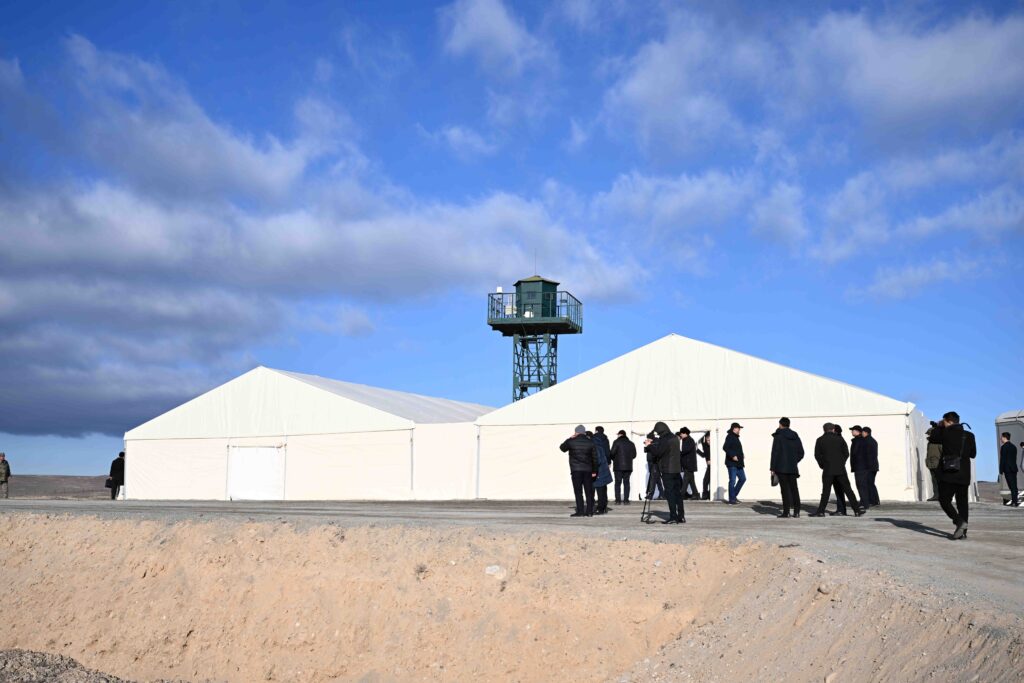
This breakthrough follows a March 13 border agreement between Kyrgyzstan and Tajikistan, aimed at ending long-standing tensions that had made their shared border the most volatile in Central Asia for over a decade. The deal was underscored by Tajik President Emomali Rahmon’s first visit to Bishkek in nearly 12 years, highlighting its importance.

As part of the agreement, the two countries also agreed to reopen the Kairagach (Leilek district) and Kyzyl-Bel (Batken district) border checkpoints, which had been closed for nearly four years. Both checkpoints resumed operations on March 13.

Kazakh MPs Propose Differentiated Taxation for Medicines and Healthcare

Kazakh lawmakers are pushing for a differentiated tax policy on medicines and healthcare services to maintain their affordability amid upcoming tax reforms. Askhat Aimagambetov, a deputy of the Mazhilis (Kazakhstan’s lower house of parliament), has proposed exempting certain essential medicines from value-added tax (VAT) and reducing the tax burden on medical institutions.

Proposed VAT Adjustments

Kazakhstan is currently debating a new Tax Code that would increase the VAT rate from 12% to 16%, while introducing zero and reduced rates for specific industries. Aimagambetov, writing on social media, noted that a group of Mazhilis deputies had repeatedly advocated for differentiated taxation of medicines and medical services even before discussions on the VAT hike began.

He stressed that applying the full 16% VAT rate to all medical services and pharmaceuticals would lead to a sharp rise in costs and reduce access to healthcare for the population.

Tax Exemptions for Essential Medicines

To mitigate this impact, lawmakers propose VAT exemptions for drugs treating socially significant diseases such as:

  • Cancer
  • Rare diseases
  • Palliative care
  • Diabetes
  • Autoimmune diseases

“The specific list is still under discussion and will be expanded,” Aimagambetov stated. “This measure will prevent a sharp increase in drug prices for those who need them most, socially vulnerable groups.”

For other medicines, a reduced VAT rate of 10% is under consideration.

Impact on Medical Services

Currently, medical services in Kazakhstan are not subject to VAT. However, under the new Tax Code, the government proposes introducing a 10% VAT rate. Aimagambetov and his colleagues initially suggested reducing this to 5%, but discussions are now focused on exempting certain socially significant medical services from VAT entirely. These include:

  • Oncology treatments
  • Palliative care (hospices)
  • Stroke treatment
  • Potentially obstetrics and other critical medical services

For other medical services, a 10% VAT rate may be introduced.

Changes to Corporate Tax in Healthcare

In addition to VAT adjustments, the government plans to raise the corporate income tax for medical institutions. Currently, this sector benefits from a zero-tax rate, but under the proposed reforms, a 10% corporate tax would be applied.

Consultations with Businesses Ongoing

As previously reported by The Times of Central Asia, the government plans to finalize the list of industries eligible for the 10% VAT rate following consultations with the business community.

Kazakhstan’s Film Industry Surges: Domestic Productions Outperform Foreign Blockbusters at the Box Office

Kazakhstan’s domestic film industry is experiencing a renaissance, successfully competing with and even surpassing foreign productions in box office revenue, an outcome that was unthinkable just a decade ago.

Ten years ago, Kazakhstani films and television were seldom watched. Western and Russian blockbusters dominated cinemas, leaving little room for domestic content. Filmmakers lamented that their work attracted only a niche audience of aesthetes and patriots. Today, however, Kazakh productions are filling theaters and attracting millions of online views.

“In 2024, the output of Kazakhstani films increased by 58%. Among the top 10 highest-grossing films, every second one was a domestic production. Revenue from foreign and domestic films was nearly equal. This demonstrates the growing interest of audiences in national content,” Kazakhstan’s Prime Minister, Olzhas Bektenov, said on March 18.

By the end of 2024, Kazakhstani films had grossed more than 22 billion tenge, a 30% increase compared to 2023, according to Alexander Aksyutits, general director of the Top Pro Cinema production center. The number of films released during the year surged from 65 to 107.

“What’s even more important is that Kazakhstanis’ attention to national cinema continues to grow. Looking at the top 20 highest-grossing films of last year, 70% were locally produced. Just a few years ago, foreign films dominated the market. As a result, our film industry is attracting increasing interest from private investors. Equally significant are the positive changes in the state financing system for film production,” Aksyutits said.

YouTube/frame from the series “5:32”

Streaming Demand and Cultural Shift

Aksyutits also noted a surge in Kazakhstan’s TV series production, largely due to the rising popularity of streaming platforms. However, demand for local content currently outstrips the country’s production capacity, primarily due to a shortage of skilled professionals.

Some experts believe this shift in audience preferences is linked to a growing cultural divide between Kazakhstan and the Western and Russian film industries. As narratives diverge, local audiences increasingly seek stories that reflect their own experiences and values.

“In recent years, I’ve started watching Kazakhstani TV much more often. Before, I had little interest in them and barely knew they existed. Now, I remember titles like Meow, 5:32, Patrol, and Sake. These are mostly crime dramas or comedies. What draws me in are the relatable characters, people you might see in your own neighborhood. The familiar settings, humor, and natural dialogue make the stories feel real,” said Alexander, a resident of Almaty.

The TV series Meow follows drug couriers and the battle against them, while 5:32 delves into the world of serial killers. Sake and Patrol take a comedic approach, with the former portraying a charmingly corrupt mid-level official and the latter focusing on the daily lives of police officers. According to critics, this new wave of TV content, which is currently achieving high ratings on television and accumulating millions of online views, successfully blends serious themes with strong performances and humor. Countries including Russia, Kyrgyzstan, Ireland, Germany, Azerbaijan, Turkey, India, South Korea, the UK, and Uzbekistan have begun purchasing Kazakhstani content.

Movie poster “Dastur”

Box Office Success and New Horizons

The film Dastur (Tradition) is one of the latest domestic productions to break box office records in Kazakhstan. The film tells the harrowing story of a young woman forced to marry her abuser while her community remains indifferent. As the protagonist seeks revenge — whether by her own hand or through a mystical force — the film delivers a powerful social commentary.

“I was deeply moved by Dastur. Some may argue that its plot isn’t groundbreaking, but the film captures an ordinary Kazakhstani village with such authenticity that it feels personal. The characters, uncles, aunts, grandmothers, are so real and familiar, yet terrifying in their complacency. I cried while watching it,” said Rabiga, a university student.

Beyond modern social issues, Kazakhstan’s film industry is also producing high-quality historical films. “I’m thrilled to see well-made movies about Kazakhstan’s historical figures, warriors, artists, writers. We know so little about them, and now these films are bringing their stories closer to modern audiences,” Rabiga added.

Within a week of its release, Dastur had earned more than 1 billion tenge, surpassing the Hollywood blockbuster Aquaman. For many, this marked the beginning of a new era for Kazakhstani cinema.

Kazakhstan Restores Populations of Przewalski’s Horse, Turanian Tiger, and Snow Leopard

Kazakhstan is making significant strides in wildlife conservation, actively restoring populations of Przewalski’s horse, the Turanian tiger, and the snow leopard. These efforts mark a major step toward reintroducing species that were once native to the region but had either disappeared or faced severe population declines.

Hungary Supports Reintroduction of Przewalski’s Horse

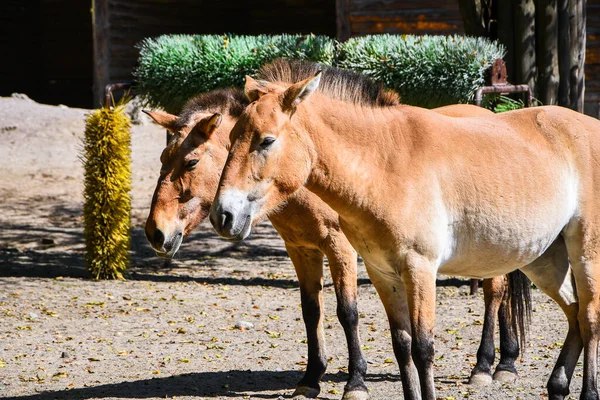
Kazakhstan is continuing its ambitious program to restore endangered species, including Przewalski’s horse, a once-dominant species of the Kazakh steppes that vanished from the wild in the 1960s. Thanks to international conservation programs, their numbers have been preserved in captivity, and now efforts are underway to return them to their natural habitat.

As part of this initiative, Hungary will provide 150 Przewalski’s horses, which will be released into Kazakhstani nature reserves, Hungarian Minister of Agriculture István Nagy announced.

“This step will increase safety for this horse species in case of disease outbreaks,” Nagy stated.

The first seven horses have already been brought from the Prague Zoo to the Altyn Dala Reserve in Kazakhstan’s Kostanay region.

Reintroducing the Turanian Tiger

In parallel, Kazakhstan continues its efforts to bring back the Turanian tiger, a subspecies that disappeared from the region 70 years ago. To support this initiative, the government has established the Ile-Balkhash Nature Reserve, which now serves as a habitat for key prey species.

To date, the reserve has received 205 riparian deer and more than 100 kulans. Authorities have also increased the populations of roe deer and wild boars, ensuring an adequate food supply for the tigers.

In fall 2023, two tigers from the Netherlands arrived at the reserve, and another three to four animals from Russia are expected to be introduced soon.

Snow Leopard Population Doubles

Kazakhstan has also made remarkable progress in snow leopard conservation. According to Daniyar Turgambayev, chairman of the Forestry and Wildlife Committee of the Ministry of Ecology and Natural Resources, the number of snow leopards in the country has now reached 180 individuals, double the population recorded in the 1990s.

“Specially protected natural areas covering 3.6 million hectares have been established in key snow leopard habitats. Currently, about 70% of their range is under official protection,” Turgambayev stated.

The government has deployed photo traps and satellite telemetry to monitor the snow leopard population. Eleven leopards have been fitted with satellite collars, allowing researchers to track their movements and adaptation to the wild.

Expanding Protected Areas

Since gaining independence, Kazakhstan has dramatically expanded its protected natural areas, from 869,000 hectares to 30.9 million hectares. This expansion has not only helped revive endangered species but also significantly strengthened overall biodiversity protection.

With an integrated approach to conservation, Kazakhstan has positioned itself as a leader in Central Asia in the reintroduction of endangered species and the preservation of natural ecosystems.

Bishkek Considers Monorail System to Ease Transport Woes

Bishkek is exploring the possibility of building a monorail system to address its long-standing transport challenges and alleviate traffic congestion in Kyrgyzstan’s rapidly growing capital.

According to the Kyrgyz Ministry of Economy and Commerce, discussions were held on March 19 between Chinese company CRRC Changchun Railway Vehicles, the Bishkek municipality, and Kyrgyzstan’s national railway company Kyrgyz Temir Jolu. The talks focused on assessing the feasibility of constructing a monorail network in Bishkek.

The parties agreed to conduct a detailed study of the project, evaluating its economic and technical viability. As part of this process, the Bishkek municipality will provide sketches of the proposed monorail system for analysis. City officials also emphasized that the project could be implemented as a public-private partnership, creating opportunities to attract foreign investment.

If built, a monorail system could significantly improve Bishkek’s public transport infrastructure, offering a modern and efficient alternative for city residents. The project aims to reduce traffic congestion, shorten travel times, and improve urban mobility.

The idea of constructing a monorail in Bishkek was first proposed in 2020. At the time, then-acting mayor Balbak Tulobaev dismissed skepticism surrounding the project and even suggested that in the future, monorail travel could extend as far as Karakol.

In 2021, a memorandum of cooperation was signed with the Turkish company Sky Ray Ve Oto Yedek Parça Ekipmanlari Üretim Sanayi A.Ş. during President Sadyr Japarov’s official visit to Turkey.

By 2022, the municipality had developed a preliminary plan for high-speed transport lines over the Ala-Archa and Alamedin rivers, which connect the southern and northern parts of the city.

While the monorail remains in the planning stage, the renewed discussions signal a potential step toward modernizing Bishkek’s transport network and easing its growing traffic burden.

Kyrgyzstan’s Largest Gold Deposit: Environmental Disaster on the Horizon?

Concerns over a potential environmental catastrophe at the Kumtor mine, Kyrgyzstan’s largest gold deposit, have gained traction following a recent statement by Adilet Usupbaev, an ecologist from the National Academy of Sciences. According to Usupbaev, a waste dump at the high-altitude mine is shifting toward the Kumtor River, which feeds into the Naryn River and, eventually, the Syr Darya River, raising fears of severe contamination if waste reaches the waterway.

Ecologist Raises Alarm in Parliament

Speaking in Parliament, Usupbaev explained that waste rock dumps, formed as a byproduct of mining operations, are gradually shifting. While several such dumps exist at Kumtor, one in particular is now edging closer to the Kumtor River.

“If the dump reaches the Kumtor River, it will be a disaster. We need urgent measures to stop its movement, planting Caragana shrubs, for instance. As an experiment, we planted them in the area, and they took root. The shrubbery won’t stop the dump entirely, but it’s at least an attempt,” Usupbaev said.

He warned that waste accumulation at mining sites across the country is increasing each year, potentially leading to widespread environmental damage if proper land reclamation is not implemented. Many dumps, he noted, contain harmful chemical compounds.

Mining Company Rejects Claims

The Kumtor Gold Company dismissed the ecologist’s concerns, asserting that his claims lack an objective basis. The company emphasized that the movement of waste dumps is occurring at a slower rate than anticipated.

“At present, actual displacement is within our 2023 forecast and does not yet match the projected values for 2025. The dump remains 160 meters from the 2025 boundary and roughly one kilometer from the Kumtor River,” the company stated.

Kumtor officials insisted that continuous scientific monitoring allows them to assess and manage geotechnical risks, preventing potential hazards such as dump collapses or water contamination. They further argued that the dumps consist solely of waste rock mass, free of harmful chemical elements.

Has This Happened Before?

Kumtor has previously been the cause of significant environmental issues. In 1998, a traffic accident led to almost a ton of cyanide spilling into a river near the village of Barskoon.

In terms of waste dump movements, in 2013, shifting rock masses threatened residential areas, administrative buildings, and a weather station, forcing the company to demolish and relocate infrastructure.

According to Isakbek Torgoev, head of the Geoecological Monitoring Laboratory at the Kyrgyz National Academy of Sciences, the movement of waste rock dumps is a constant process at Kumtor due to the thawing of permafrost beneath them.

“These dumps are always moving, sometimes faster, sometimes slower, but Kumtor’s geotechnical service closely monitors them. The Lysyi Glacier dump is currently the closest to the Kumtor River, but it is still about a kilometer away,” Torgoev told The Times of Central Asia.

Torgoev recalled visiting the mine a decade ago as part of a government commission tasked with inspecting the dumps. At the time, authorities stated that all waste dumps should be stabilized by the mine’s closure, a goal that has yet to be fully achieved.

Future Plans for Stabilization

Torgoev noted that Kumtor has a land reclamation plan for post-closure stabilization, which includes planting vegetation to anchor the rock and prevent further movement — an established practice in the mining industry.

“There are dumps from ten years ago at Kumtor that have become overgrown with wild plants and are now stable. Given this, along with Kumtor’s geo-monitoring efforts and their stated commitment to mine reclamation, an immediate threat to the Kumtor River seems unlikely,” he said.