• KGS/USD = 0.01144 0%
  • KZT/USD = 0.00209 0%
  • TJS/USD = 0.10528 0.19%
  • UZS/USD = 0.00008 0%
  • TMT/USD = 0.28490 0%
  • KGS/USD = 0.01144 0%
  • KZT/USD = 0.00209 0%
  • TJS/USD = 0.10528 0.19%
  • UZS/USD = 0.00008 0%
  • TMT/USD = 0.28490 0%
  • KGS/USD = 0.01144 0%
  • KZT/USD = 0.00209 0%
  • TJS/USD = 0.10528 0.19%
  • UZS/USD = 0.00008 0%
  • TMT/USD = 0.28490 0%
  • KGS/USD = 0.01144 0%
  • KZT/USD = 0.00209 0%
  • TJS/USD = 0.10528 0.19%
  • UZS/USD = 0.00008 0%
  • TMT/USD = 0.28490 0%
  • KGS/USD = 0.01144 0%
  • KZT/USD = 0.00209 0%
  • TJS/USD = 0.10528 0.19%
  • UZS/USD = 0.00008 0%
  • TMT/USD = 0.28490 0%
  • KGS/USD = 0.01144 0%
  • KZT/USD = 0.00209 0%
  • TJS/USD = 0.10528 0.19%
  • UZS/USD = 0.00008 0%
  • TMT/USD = 0.28490 0%
  • KGS/USD = 0.01144 0%
  • KZT/USD = 0.00209 0%
  • TJS/USD = 0.10528 0.19%
  • UZS/USD = 0.00008 0%
  • TMT/USD = 0.28490 0%
  • KGS/USD = 0.01144 0%
  • KZT/USD = 0.00209 0%
  • TJS/USD = 0.10528 0.19%
  • UZS/USD = 0.00008 0%
  • TMT/USD = 0.28490 0%

Turkey Ready to Buy Kazakh Meat at Twice the Price Offered by China

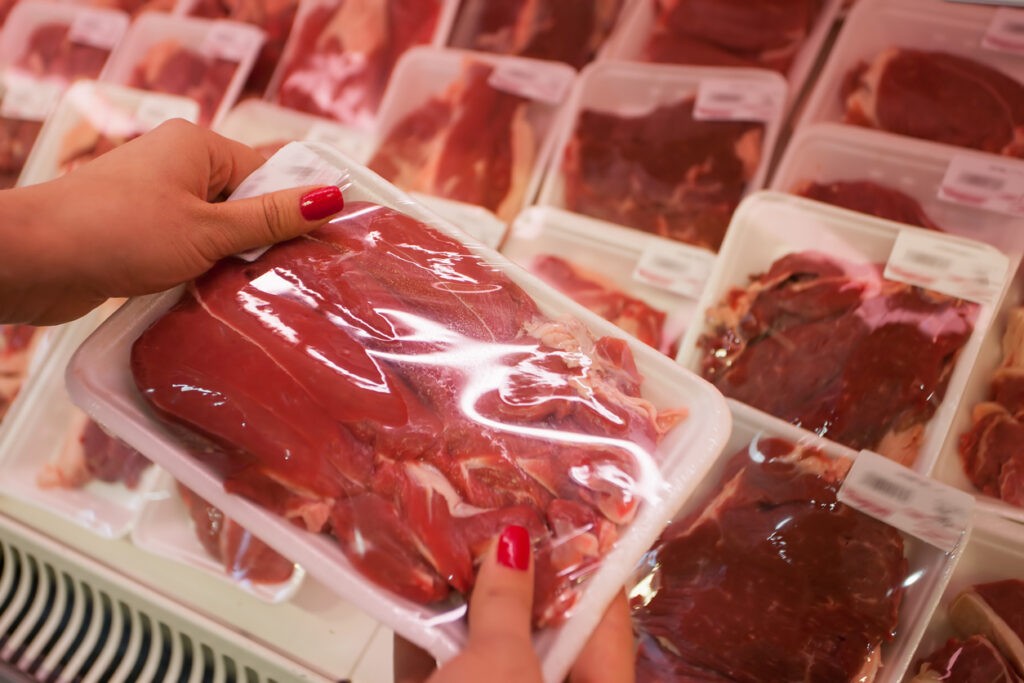
Kazakhstan’s Ministry of Agriculture is actively working to open the Turkish market to Kazakh meat exports. Deputy Minister Amangaly Berdalin reported that Turkish partners are willing to pay twice as much for Kazakh beef as China.

The Ministry of Agriculture has previously pursued access to the Chinese market for Kazakh livestock products. In February, Beijing lifted restrictions on Kazakh livestock imports, potentially enabling Kazakhstan’s southeastern regions to resume exports of frozen beef and pork to China. However, significant export volumes to China have yet to materialize. Maksut Baktibayev, head of the Meat Union of Kazakhstan, explained that the agreement between the countries only allows exports from four meat processing plants in Kazakhstan, with a combined capacity of 8,000 tons of frozen beef.

According to Berdalin, Kazakh producers are not utilizing even this limited capacity due to uncompetitive pricing. Chinese buyers offer $5.5 per kilogram of Kazakh beef, which is comparable to prices in Kazakhstan’s domestic market, ranging from 2,700 to 3,000 tenge ($5.4 to $6.1) per kilogram. Given these figures, transporting Kazakh meat to China is economically unviable for producers. In contrast, Turkey is prepared to pay nearly double, or $11 per kilogram, for Kazakh beef.

“Our ministry’s objective is to open as many markets as possible for our producers, particularly those offering attractive prices,” Berdalin stated at the Vet Astana 2024 International Exhibition on Feed and Veterinary in Astana. “That is why our inspectors are actively collaborating with Turkish officials to understand their export requirements.”

Berdalin noted that while specific export volumes of Kazakh beef to Turkey are not yet determined, there is optimism following a recent diplomatic visit. In August, Kazakhstan’s Minister of Agriculture Aidarbek Saparov visited Ankara, where business representatives from both countries signed contracts to supply Kazakh meat to Turkey, valued at $80 million over the coming years, contingent on Kazakhstan’s successful completion of required veterinary and epidemiological procedures.

The Turkish market has historically been closed to most Kazakh livestock products due to restrictions related to animal diseases, with some bans in place for approximately 20 years. Turkish authorities lifted these restrictions in June 2024. Kazakh producers are now navigating an extensive certification process to gain market access. Some required tests must be conducted in third countries, prompting Kazakhstan to rebuild its own laboratory capabilities. Berdalin shared that the Kazakh government has allocated 3.8 billion tenge ($7.7 million) this year to support veterinary laboratories.

“To export to a country, we must meet all its import requirements. For instance, to export our honey, we need to conduct 43 specific tests. Currently, we handle 20 in-house, but the remaining 23 are outsourced to laboratories in Latvia and Georgia,” Berdalin explained.

In addition to Turkey, the Ministry of Agriculture is working to open European markets for Kazakh meat. Last year, Kazakhstan exported over 53,000 tons of meat and meat products valued at $153 million. Poultry was the largest export category, at nearly 32,000 tons, followed by beef at 15,800 tons. Primary export destinations included Uzbekistan, the UAE, Kyrgyzstan, Iran, and Kuwait. Between January and May 2024, Kazakhstan exported 27,300 tons of meat, generating $71.7 million. Of the 5,000 tons of beef exported, 4,600 tons went to Uzbekistan, which, according to Kazakh producers, resells the meat to markets in the Middle East and Turkey.

Central Asia to Develop a Unified Platform for Electricity Trade

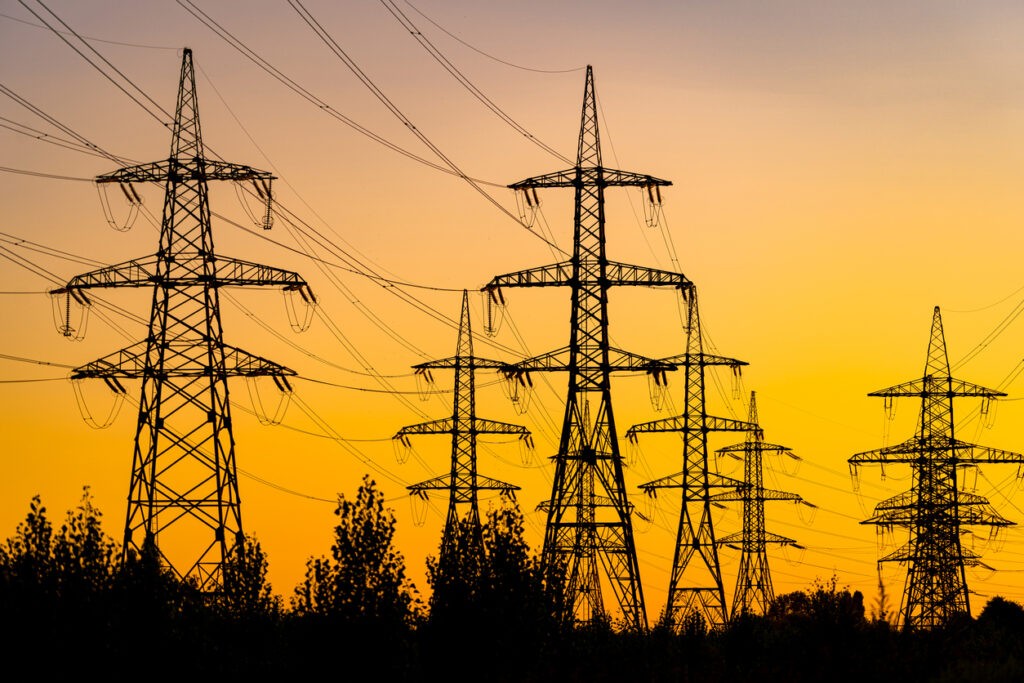
Uzbekistan’s Deputy Minister for Energy Umid Mamadaminov announced at the European Economic Days in Tashkent on November 6 that a unified platform for electricity trade is being developed in Central Asia. Mamadaminov said that Uzbekistan is developing this platform with the support of the World Bank and other partners.

“Infrastructure is very important for integrating renewable energy sources such as wind and solar, and many countries face this problem. We need at least 5,000 km of power lines, including 500 kV and 200 kV high-voltage lines and substations,” Mamadaminov said.

At least 2,000 km of power lines should be built in the next two years.

“We have already signed contracts to install more than 2,000 MW of energy storage systems with a total capacity of more than 400 MW, as each is a two-cycle network. We will have at least 4,000 MW of basic capacity in the next two years. This helps to respond to fluctuations in solar energy production quickly,” the deputy minister said.

According to Mamadaminov, automation is the main problem in integrating renewable energy sources into the electric grid because the system cannot be controlled without it.

In addition, this year, reforms to modernize and regulate energy consumption, including a new plan developed by the Cabinet of Ministers, were implemented in Uzbekistan.

Uzbekistan’s energy system, especially electricity generation, relies heavily on fossil fuels. However, the country aims to produce 25% of its electricity from renewable sources by 2030. Uzbekistan plans to focus on solar energy while using wind, biomass, and hydro sources to achieve this goal. The government is working to attract investors to build 8 GW of solar and wind power and increase hydroelectric capacity to 1.935 GW by 2030. Biogas production from biomass and organic waste will also be developed.

Military Pilot Killed, Two Injured in Chopper Crash in Kazakhstan

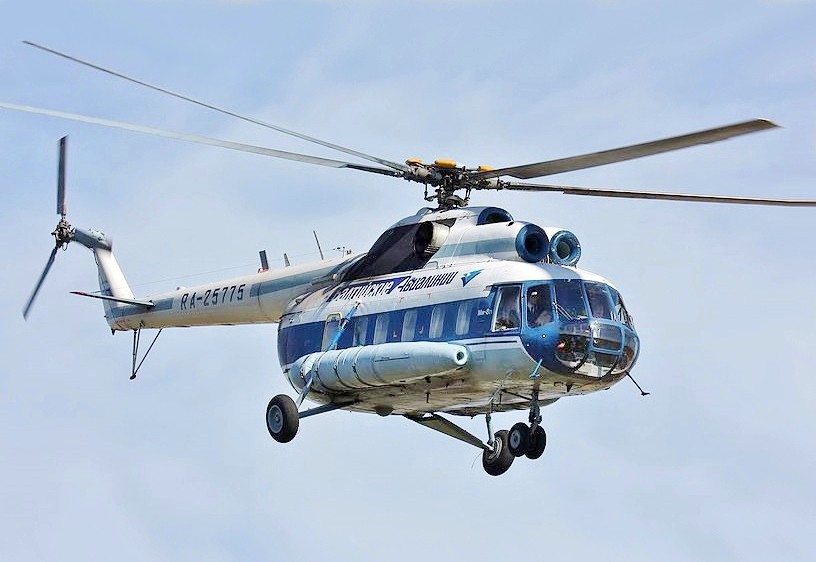
A military helicopter crashed in western Kazakhstan during a training flight on Saturday, killing a veteran pilot who was involved in flood control efforts earlier this year and injuring the other two servicemen who were on board.

The crash happened near the village of Saryzhar in the Aktobe Region, according to authorities. Kazakh media reports said a fire broke out on impact.

“The preliminary cause of the incident is considered to be a technical malfunction, and the details are under investigation,” Kazakhstan’s Ministry of Defense said on Telegram. “An interdepartmental emergency response team is working at the scene.”

The ministry identified the serviceman who died in what it called a “hard landing” as Maj. Batyr Kairatovich Urazymbetov, an air squadron instructor from the Military Institute of Air Defense Forces. It said Urazymbetov was born in 1988 and was an experienced airman, accumulating more than 500 flight hours on the Mi-8 helicopter.

“Throughout his service, he demonstrated high professionalism and dedication to duty, including participation in flood control efforts this spring. He was awarded anniversary medals and long service awards. He was married and had two children,” the ministry said. Urazymbetov’s family will receive financial aid and other support, it said.

Kazakhstan’s military assisted with evacuations, building barriers to prevent water flows and other measures during devastating floods this year that President Kassym-Jomart Tokayev described as Kazakhstan’s worst natural disaster in 80 years.

Air Squadron Commander Major Bibarys Ibraev and senior Lt. Rustem Nigmetov, a flight instructor at the military institute’s training aviation center, were injured in the crash on Saturday. They were transported to the regional hospital in Aktobe city and were in stable but serious condition.

Azerbaijan’s defense minister, Col. Gen. Zakir Hasanov, said on Telegram that he was “deeply saddened” to hear about the crash and expressed condolences to the families of the dead serviceman and his injured colleagues. Azerbaijan and Central Asian countries participated in joint military exercises in Kazakhstan in July.

Kazakhstan’ military has operated Soviet-designed Mi-8 helicopters since declaring independence from the Soviet Union in late 1991. Dozens of countries use the aircraft.

The helicopter that crashed received its “last major overhaul” at a military facility in Almaty last year, and maintenance requirements and pre-flight preparations were in order, according to defense officials. The crew had experience dealing with bad weather, night flying and other challenging conditions.

World Bank Report Outlines Path to Drive Tajikistan’s Green Transition and Economic Growth

On November 7, the World Bank Group published the Tajikistan Country Climate and Development Report (CCDR), highlighting the transformative potential of climate action for Tajikistan’s economy. The report suggests that addressing climate risks can drive economic renewal, create jobs, and enhance resilience against the rising frequency of extreme weather events caused by climate change.

Ozan Sevimli, World Bank Group Country Manager for Tajikistan, emphasized the urgency of a strategic shift: “Tajikistan urgently needs an economic reset to tackle its numerous development challenges and the growing impacts of climate change that threaten future progress. The CCDR provides a roadmap for accelerating the transition to a green economy, supporting long-term growth.”

A key finding of the report is the importance of mobilizing private-sector financing to supplement Tajikistan’s limited public resources. This financing will be crucial in securing the nation’s green transition and ensuring water, food, and energy security.

Despite ranking 130th globally in greenhouse gas emissions, Tajikistan is highly vulnerable to climate change impacts, notes Bahodur Sheralizoda, Chair of the Environmental Protection Committee under the Tajik government: “Although our contribution to global emissions is minimal, we are one of the most climate-vulnerable countries in the world. The CCDR advises the government to improve production efficiency, foster innovative technologies, and create green jobs to reduce our susceptibility to climate-related challenges.”

The report warns that Tajikistan already faces high risks of floods, earthquakes, and landslides, with potential infrastructure and agricultural losses that could lower GDP by 5-6% by 2050. The strategic Vakhsh River Basin, which produces 90% of the country’s electricity, underscores the dual challenges of climate and development. Annual costs of land degradation are estimated at $325 million, with further increases anticipated. Additionally, air pollution remains a major health risk, accounting for 84 deaths per 100,000 people—Central Asia’s second-highest rate.

A green transition could deliver substantial benefits. By 2050, reduced healthcare costs from lower air pollution, fewer road accidents, and improved road conditions could save over $3.5 billion. Investments in renewable energy, including hydro, solar, and geothermal, as well as in energy efficiency, promise new employment opportunities across sectors.

The report advises the Tajik government to fast-track low-carbon development to strengthen economic growth, energy security, export potential, and job creation, all while enhancing air quality. Achieving these goals will require significant investments: Tajikistan needs around $17 billion, in addition to the $79 billion required for the government’s reform agenda from 2025 to 2050. Private sector investments, particularly in energy, industry, and agriculture, will be essential.

Recognizing that the financial needs for this transformation exceed domestic resources, the report underscores the importance of external support. Tajikistan will need substantial technical and financial assistance from international bodies, climate funds, and development partners to fulfill its climate and development goals.

Turkmenistan Pushes for UNESCO World Heritage Status for its Unique Mud Volcanoes

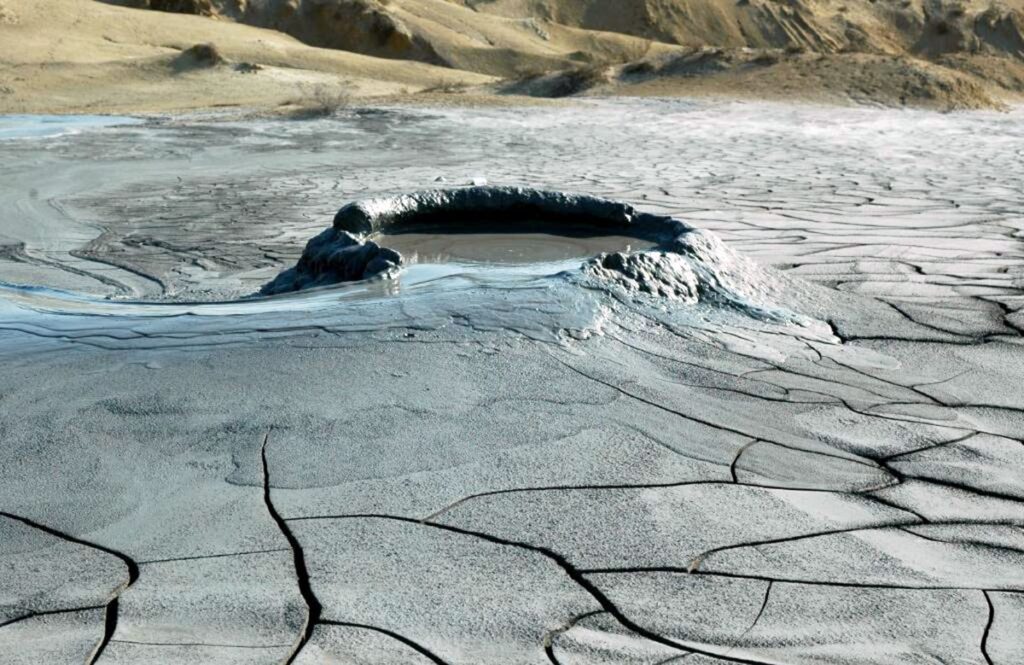
Turkmenistan has launched an in-depth study and documentation project focusing on its extraordinary geological landmarks, especially the ancient mud volcanoes that line the western Caspian Sea coast. This effort aims to compile the necessary scientific and cultural documentation to nominate these unique mud volcanoes for inclusion in the UNESCO World Heritage list.

The recent initial expedition was attended by members of the Turkmenistan National Commission for UNESCO, along with biologists, geographers, and geologists from various scientific organizations. These specialists examined multiple mud volcanoes along the Caspian coast, primarily within the Esenguly district of the Balkan region. Over several days, the team meticulously surveyed active, dormant, and long-extinct volcanoes, documenting their findings through photography and soil sampling. They noted that though activity has decreased, this does not mean many volcanoes have stopped completely.

Among the most notable formations are the Akpatlavuk and Gokpatlavuk mud volcanoes. Akpatlavuk, located on a prominent hill along the southern part of the Caspian’s eastern coast, showcases a dome with numerous mud outcrops and deep channels carved by flowing streams. At its base lies an expansive mud lake, adding to its remarkable landscape. Gokpatlavuk, towering 70 meters above the northern plains near Ekerem, features steep, eroded slopes and gullies through which streams of carbonated mud steadily flow, creating a striking visual of natural forces at work.

The nomination process will require updated imagery and refreshed data to supplement the national atlas of mud volcanoes. As part of their preparation, researchers will review studies conducted by Azerbaijani scientists in the 1970s, given that the mud volcanoes of Turkmenistan, Azerbaijan, and Iran form an interconnected geological complex representing nearly half of the world’s mud volcanoes.

Farmers’ Support Centers Open in Kyrgyzstan

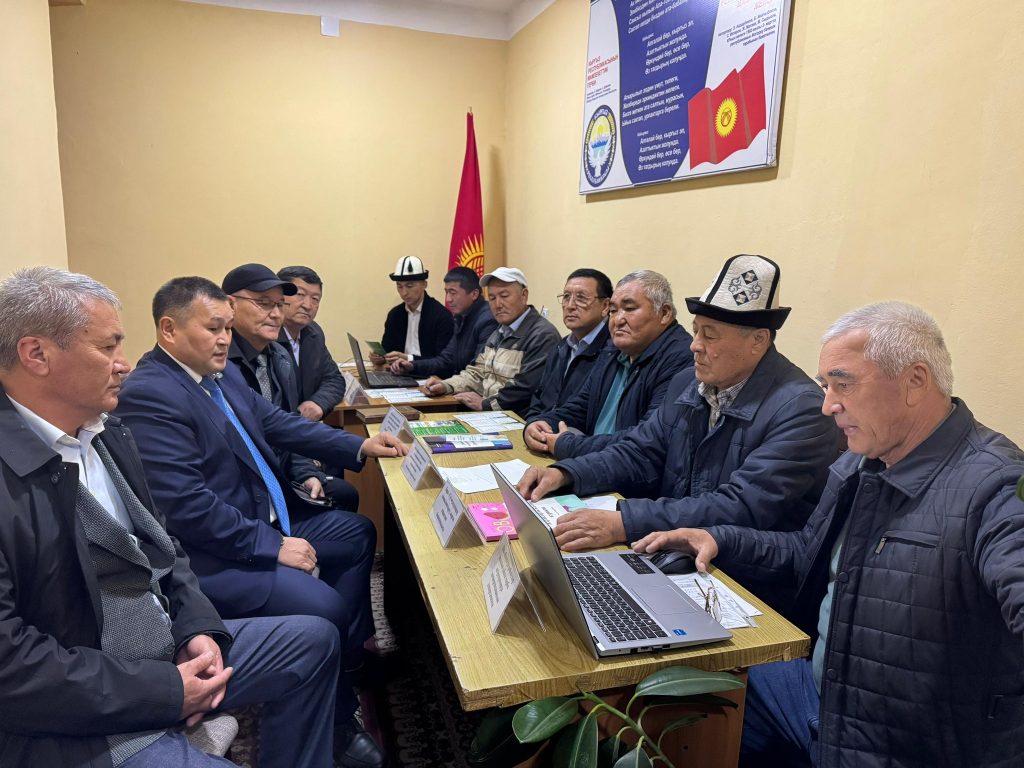
Kyrgyzstan has opened city support centers for farmers to get up-to-date information from agricultural specialists, from how to plant seeds to how to get subsidies. Experts say that Kyrgyz farmers are often unable to use modern technology, which increases production costs.

Five centers have been opened across the country. The project’s primary goal is to create an information platform for farmers. The most common questions are what products are best to produce in specific areas, what seeds are needed, and how best to market finished products. Farmers are also interested in leasing agricultural equipment and obtaining loans from state banks.

Mirkasym Alakhveranov, a long-time farmer and owner of a beet farm in Chui region, told The Times of Central Asia about the problems of Kyrgyz farmers.

“We need farmer schools or advisory centers. Not everyone is ready to grow food according to all the rules. Besides, something new is emerging daily: science is moving forward, mechanization is improving, and chemistry is improving. And the country needs specialists who would follow all this and could explain it to the peasant,” Alakhveranov said.

He said many non-professionals in Kyrgyz agriculture today need more knowledge. However, they desire to improve farming. In addition, farmers need more technical knowledge: most need to understand modern equipment.

“There is a lack of modern agricultural machinery; farmers suffer losses. They cannot pay the loan for leasing, so they go bankrupt. Most companies selling special equipment do not train buyers to work with the equipment. We need to teach young people how to use modern machines, so they learn to use them confidently,” Alakhveranov said.

Another problem plaguing Kyrgyzstan’s agricultural sector is small-scale farming. Importers from Russia and Kazakhstan, where most agricultural products go, need large volumes of goods. The new support centers could raise awareness of Alakhveranov’s beliefs on this issue and persuade farmers to join cooperatives.