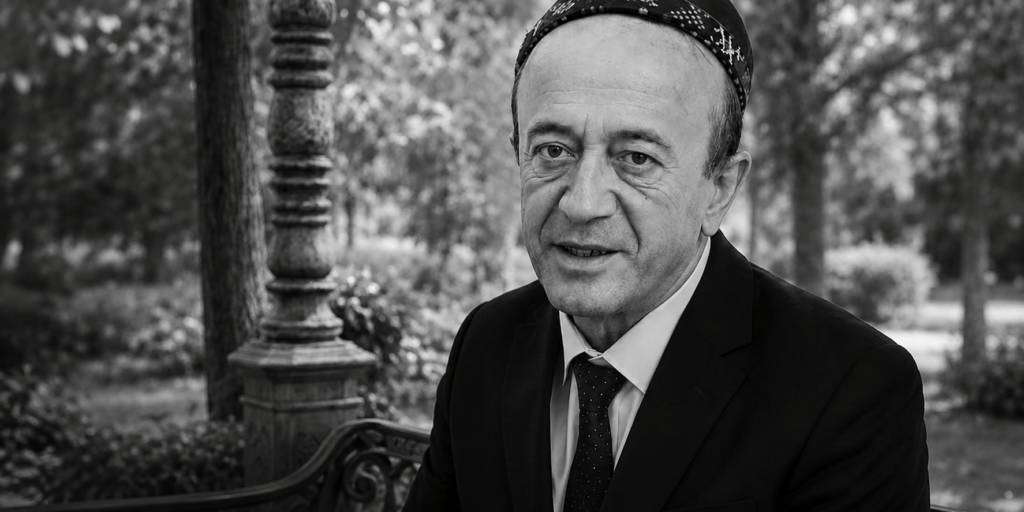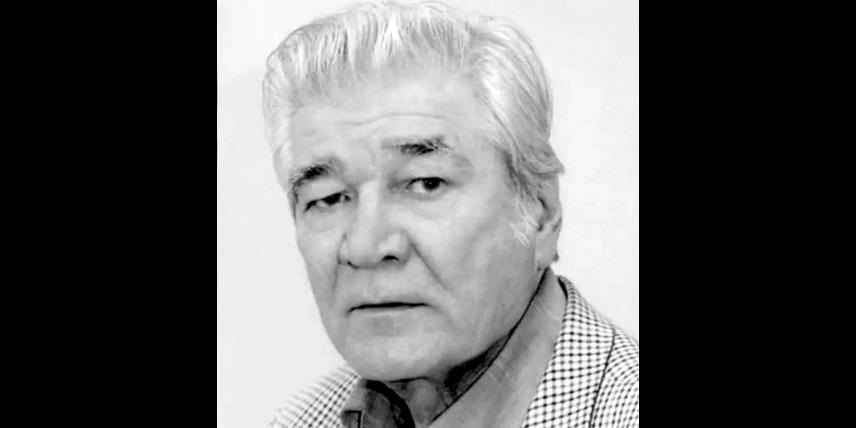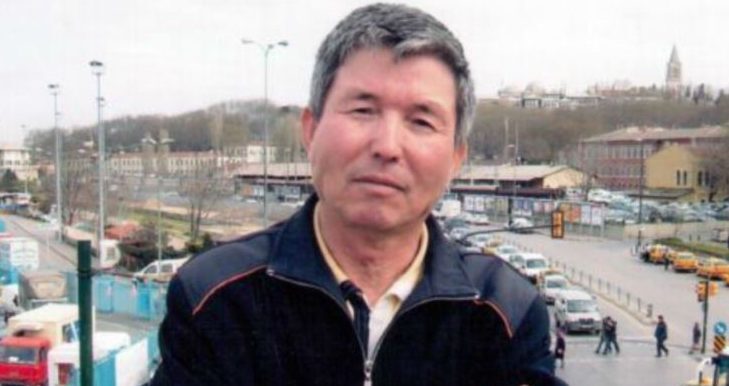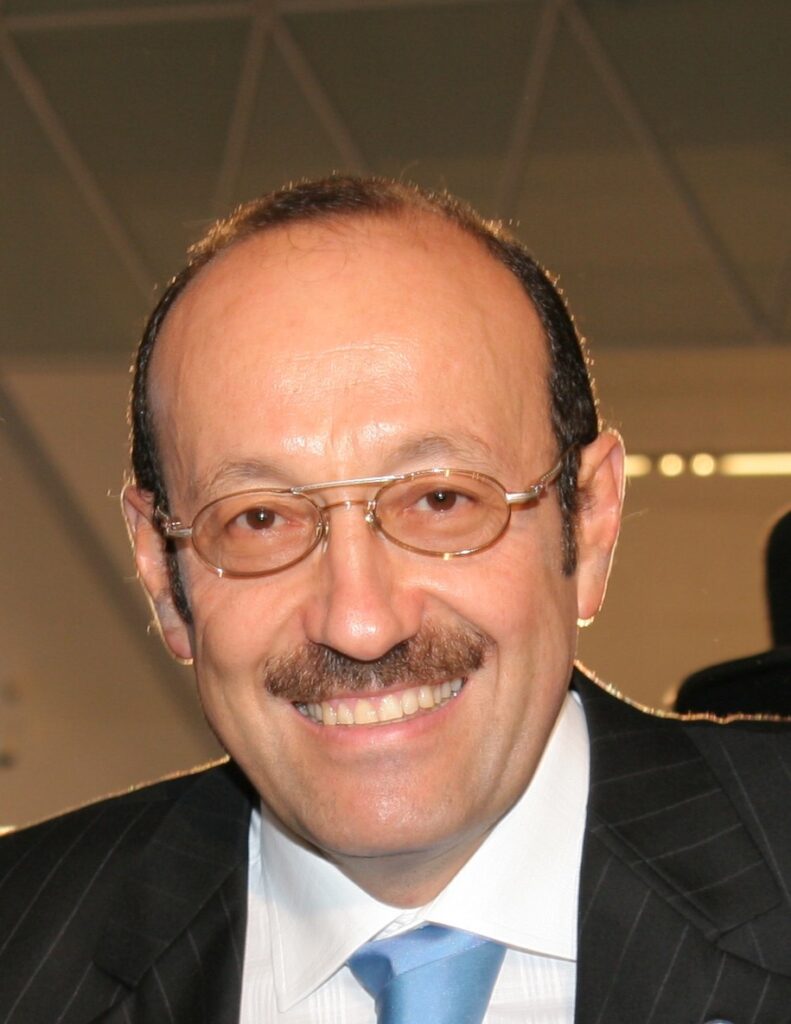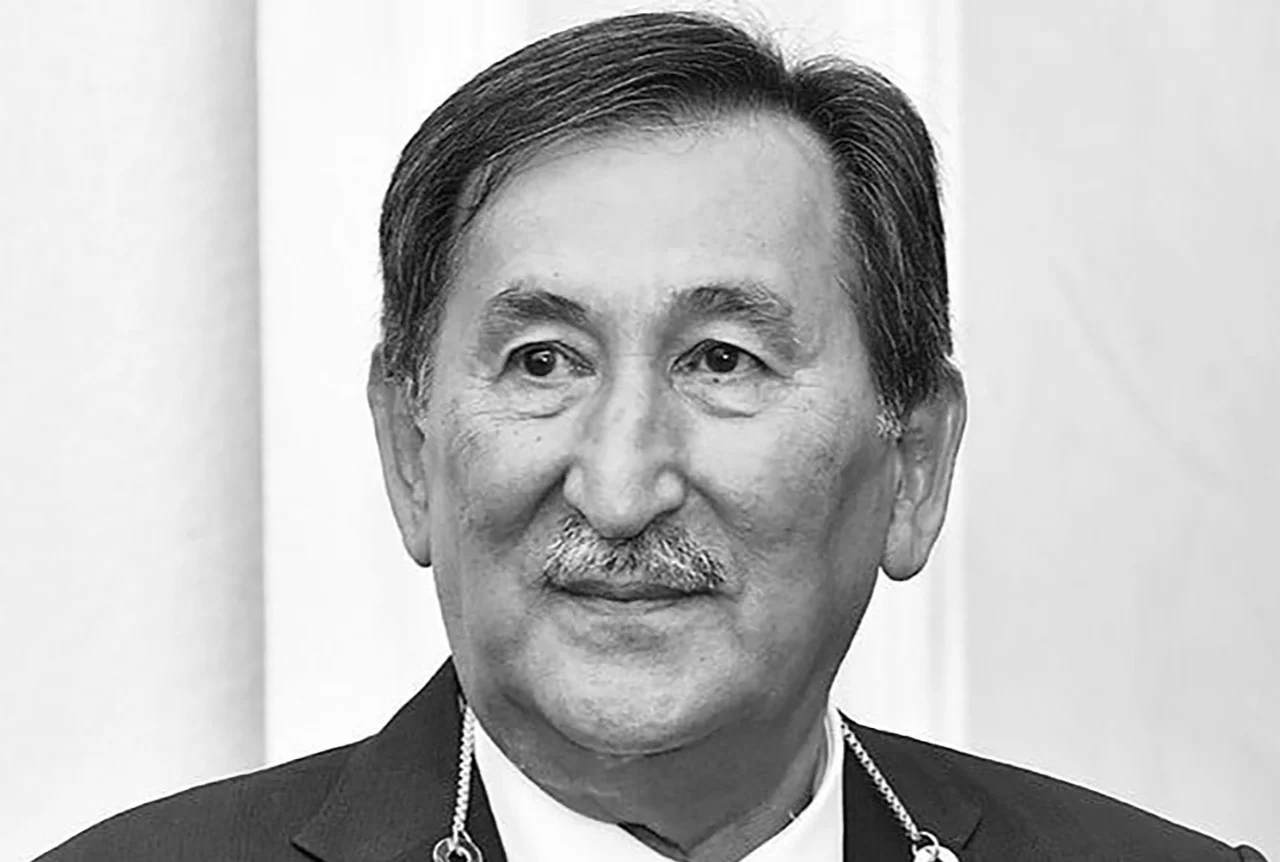
He was once described as Uzbekistan’s chief musketeer.
Born in what was the Soviet republic of Kyrgyzstan, Sobir Ruziev moved to Tashkent, was selected as a teen-ager by a fencing coach and rose to the top of the sport as a Soviet athlete, earning a silver medalist in the team foil category in the 1980 Moscow Olympics and coming fourth in the individual competition. He later helped to build sports institutions in an independent Uzbekistan.
On August 22 of this year, Ruziev’s death was announced by the National Olympic Committee of Uzbekistan. The committee, which noted he was one of its former chairmen, didn’t mention the cause of death. Ruziev was 73 years old.
The Asian Fencing Federation said Ruziev made an “outstanding contribution” to sport in Uzbekistan and promoted fencing across Asia, especially among young people.
Today, athletes from Central Asia have established themselves at the highest international level in some sports. Kazakhstan’s Mikhail Shaidorov won Olympic figure skating gold at the Winter Olympics this year. Then there is Bakhodir Jalolov, the heavyweight boxer from Uzbekistan who won Olympic gold in Paris in 2024 and the Tokyo games in 2021.
Ruziev was among elite competitors from Central Asia who excelled in international sports in decades past as well. That was when they were performing under the flag of the Soviet Union, whose collapse in 1991 opened the way to independence for the former Soviet republics.
As a Soviet fencer, Ruziev was also a three-time world champion in the men’s team foil event, and individual foil champion in the Soviet Union in 1980. He received honorary state titles for his sporting achievements from both the Soviet Union and, later, Uzbekistan.
In an interview several years ago, Ruziev talked about how hard it was to get onto the Soviet national fencing team because attention was focused on the central areas of the USSR, rather than on the more distant republics. He said in the interview with the Russian Fencing Federation in 2020 that Central Asia was considered peripheral and that you had to be in the top five in your sport out of the total Soviet population of roughly 300 million.
Ruziev had hoped to compete in the 1984 Olympics in Los Angeles, but the Soviet Union boycotted the games after the United States skipped the 1980 Olympics in Moscow because of the Soviet invasion of Afghanistan.
The Uzbek fencer was actually born in Kyrgyzstan, also a former Soviet republic, and took up fencing as a teen-ager in Tashkent. After the end of his competitive career, he returned to Tashkent to coach. So his career spanned two eras – representing the Soviet Union at the highest level, and helping to promote sports development in Uzbekistan.
In an interview several years ago, Ruziev said he was originally interested in football but coaches didn’t admit him to their training groups. Eventually, Ksenia Arkadyevna Tadzhieva, a Russian fencing coach, selected him as a pupil, Ruziev told Olamsport, a sports news platform in Uzbekistan. He said the fact that he was left-handedgave him an advantage.
“It would be appropriate to describe our hero as the ‘chief musketeer´ of Uzbekistan in the literal sense,” Olamsport said.