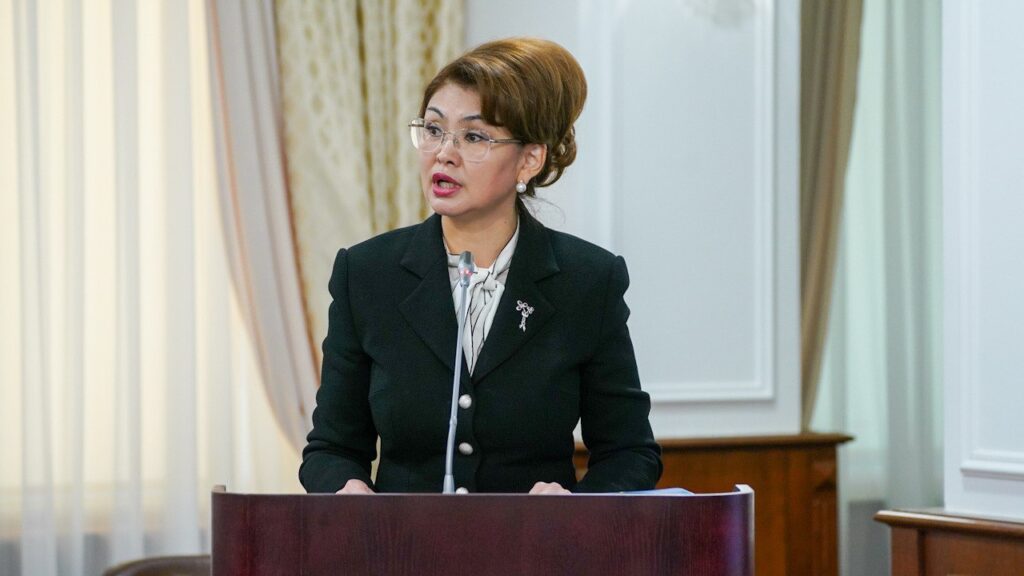
An estimated 250 to 300 Tajik women and children remain in Syria and Iraq, according to Suhaili Kodiri Abduhafizzoda, Head of the Department for State Protection of Children’s Rights at the Office of the Human Rights Commissioner of Tajikistan.
Abduhafizzoda stated that the repatriation process, previously overseen by a dedicated Tajik working group, has stalled since the change of government in Syria. At its peak, approximately 800 Tajik nationals, mainly women and children, were believed to be in the two countries. While more than half have returned home, hundreds remain stranded.
Four Repatriation Waves Since 2019
Tajikistan has conducted four formal repatriation missions since 2019, resulting in the return of 382 individuals. These included:
- 2019: 84 children repatriated
- 2022: 144 women and children
- 2023: 104 individuals
- 2024: 47 women and children
In addition, roughly 90 Tajik citizens returned independently, although their exact routes and methods of escape from conflict zones have not been officially disclosed.
Final Stage Falls Short
Officials had hoped the 2024 operation would mark the final stage of the repatriation effort. However, Abduhafizzoda confirmed that not all remaining women and children agreed to return.
“We planned to return all remaining women and children, but this was not possible, primarily because they themselves refused,” he explained.
Fear of legal consequences was the most commonly cited reason. Many of the women expressed concern that they would face criminal prosecution upon returning to Tajikistan.
However, authorities insist these fears are largely unfounded. According to the ombudsman’s office, none of the women previously repatriated have been charged or prosecuted. Instead, they were reportedly met with state support and reintegration programs.
“Some of the women who had already returned had similar fears. But once they came back, they saw that no criminal cases were initiated, and they were all forgiven,” Abduhafizzoda noted.
Children Reunited With Families
Officials report that all repatriated children have been reunited with relatives and received assistance in resuming their education and adjusting to civilian life.
Nonetheless, the fate of those still in Syria and Iraq remains unclear.
Legacy of the Islamic State
According to official figures, more than 2,500 Tajik citizens joined the Islamic State group after 2013. Many men took their families with them to Syria and Iraq. By 2017, most of the men were reported killed or missing, and some women and children are also believed to have died during the conflict.
With no current framework for further repatriation, the future of the remaining Tajik women and children in the region remains uncertain.