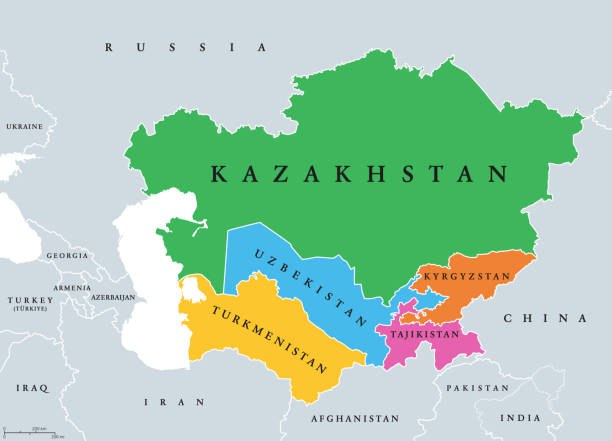
Afghanistan International has reported that the Taliban administration in Afghanistan’s Balkh province has signed new trade agreements with Uzbekistan, signaling a shift in Kabul’s commercial strategy amid growing tensions with Pakistan. According to Haji Zaid, spokesperson for the Taliban-appointed governor in Balkh, Afghan coal will now be exported to Uzbekistan under the newly signed agreements, replacing previous shipments to Pakistan.
In exchange, Uzbekistan will export cement and pharmaceuticals to Afghanistan. Zaid stated that the Taliban, in response to border closures and disrupted trade with Pakistan, is seeking to strengthen economic ties with neighboring countries, particularly Uzbekistan and Iran.
Persian-language media also reported that Taliban officials are increasingly urging Afghan traders to seek alternative commercial and transit routes. The Taliban’s Ministry of Finance has claimed that the deterioration of trade with Pakistan has had “no negative impact” on Afghanistan’s overall trade volume, asserting that customs revenues have remained stable. The ministry added that it would fully support traders using new trade corridors.
However, Afghan economic experts have challenged the Taliban’s claims. Economist Reza Farzam told local media that assertions about Pakistan’s trade freeze having no impact are misleading, arguing that Afghanistan currently lacks sufficient substitutes for its traditional transit infrastructure through Pakistan. Earlier, Pakistan’s Dawn newspaper reported that the month-long closure of the Torkham border crossing caused more than $4.5 billion in economic losses on both sides of the border.
The latest agreements build on earlier announcements that Uzbekistan plans to import Afghan coal as part of broader efforts to balance bilateral trade. During a recent visit to Kabul, an Uzbek delegation expressed interest in purchasing coal, resulting in private-sector deals worth $4.5 million. Discussions also covered trade incentives, joint exhibitions, and a proposal from Uzbekistan to construct a cement plant in Afghanistan’s Samangan region.
The Taliban administration has further stated that Afghan agricultural products will be exported to Central Asia, South Asia, and Europe via air corridors through Uzbekistan, as part of a wider strategy to diversify the country’s trade routes.