How Kazakhstan’s Animation Industry: An Interview with an ARA Studios Co-Founder

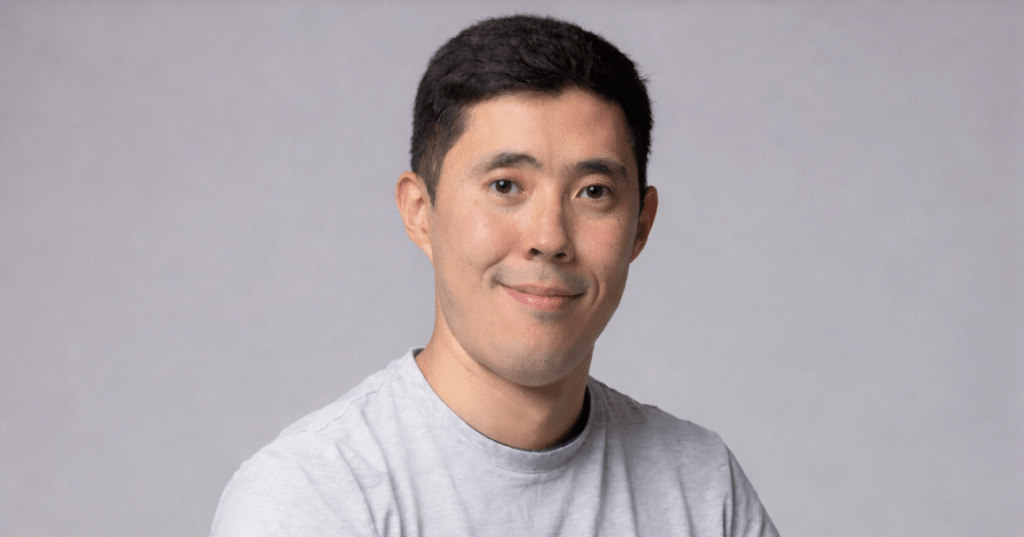
Kazakhstan’s animation industry is gradually developing despite a number of persistent challenges. The Times of Central Asia spoke with Bakytzhan Shabdukarimov, co-founder of ARA Studios, about how the team was formed, the difficulties animators face today, and how he views the future of the industry.
TCA: How did the idea to create ARA Studios come about?
Bakytzhan: The studio has two co-founders: Bakytzhan Shabdukarimov, that’s me, and Meirzhan Sandybay. The idea first emerged in 2017, and the studio was officially established in 2018. Before that, we worked on the project Shyraq. Last year, we had to disband most of our team after joining the animated series Säbi for the Balapan TV channel. That’s when we began transitioning to 3D projects. Originally, the studio focused more on 2D, while I personally worked in 3D. Over time, we fully shifted toward 3D production.
TCA: Who is behind the studio and how many people are on the team?
Bakytzhan: Right now, the core team is essentially just the two of us. But last year, we had more than 20 people. Unfortunately, projects and orders suddenly stopped, and it became difficult to maintain a large staff. So we switched to a new format, an online studio. We used to rent an office and maintain a large in-house team, but that has recently become too challenging. Now our team works remotely, and we come together when we take on larger projects.
TCA: Which projects do you consider the most important?
Bakytzhan: Of all our projects, Maqta Qyz remains the most important because it’s our flagship and we continue to develop it. But in reality, all our projects matter to us; each one has contributed to our growth and given us valuable experience. Our YouTube channel is active, and we’ve gained around 7,000 subscribers organically, without advertising or targeting. We plan to keep releasing new episodes and possibly expand into merchandise in the future.
TCA: How is the animation industry developing in Kazakhstan today?
Bakytzhan: Honestly, I haven’t been closely following all industry developments lately, but from what I can see, progress is slow. The industry remains relatively small; there is hardly a fully developed market. Most studios either work on government commissions from the Ministry of Culture or collaborate with “Qazaq Animation,” which allocates funding annually for short films, with the aim of developing them into larger projects. Other studios, including independent teams, focus on commercial work, advertising both domestically and internationally, as well as short films. At the same time, we do have strong 2D and 3D specialists and talented teams.
TCA: Is there any support for animation studios?
Bakytzhan: Yes, there is some support. As I mentioned, part of it comes through “Qazaq Animation.” There is also a new creative fund being launched that will support not only animation but the broader creative industries, film, music, and dance. Private funds are also emerging. For example, there are initiatives involving private investors and financial institutions. However, they mostly invest in feature live-action films. I’ve heard less about investment in animation. Still, interest in experimental projects and animation is gradually growing.
TCA: What are the main challenges animators face in the country?
Bakytzhan: Recently, I’ve often seen posts on Instagram, where animators, artists, and 2D and 3D specialists say there is no work. Perhaps opportunities exist, but they are very difficult to find. It feels like major global changes are underway due to AI. Studios are closing and the market is shifting. I think AI plays a significant role, as these changes affect not only creative professions but also other digital fields, including documentary production, legal services, and finance. It is especially difficult for junior specialists to find work right now. Those at a mid-level have more opportunities, but juniors need to significantly improve their skills to compete.
TCA: Where do your project ideas come from?
Bakytzhan: Ideas come from different people within the team. When we worked together in a physical studio, we constantly pitched ideas to each other. It didn’t have to come from management; we considered all kinds of proposals. If someone brings an idea and develops it properly, with sketches, a script, and a synopsis, then why not pursue it? The key is that it aligns with the studio’s values. We create family-oriented content that we believe has a positive impact on young people, children, and even adults.
TCA: Do you use elements of Kazakhstani culture or folklore in your animation?
Bakytzhan: Not fully yet. We’ve made attempts, but creating such stories properly is quite difficult.
TCA: What makes Kazakhstani animation interesting for an international audience?
Bakytzhan: This is very important because it defines our identity, what makes us recognizable. We can incorporate the Kazakh language, musical instruments, clothing, and cultural elements. But the most important thing is storytelling. It’s not enough to create something simply about Kazakh traditions, the story must be engaging and accessible to a broad audience. We need to show our way of life, not only traditional, but also modern: how we live, the challenges we face, and how we address them. It’s important to present this authentically, without inventing something artificial, and instead work with what genuinely exists.
TCA: How do you see the future of animation in Kazakhstan?
Bakytzhan: That’s a difficult question because the future is hard to predict. But we have access to the internet, and we speak different languages and so does the younger generation. That’s crucial. We can create international projects, collaborate, adapt to new realities, and improve management practices. This is an area where we are still lacking. In Kazakhstan, the animation sector remains underdeveloped in terms of industry organization, and that needs to improve.
TCA: Are there any projects you are currently working on?
Bakytzhan: Yes, Maqta Qyz. At the same time, we are trying to develop a feature-length project, but our main focus right now is Maqta Qyz.
TCA: What would you like to change in the industry?
Bakytzhan: Not much depends on a single person. The main way to influence the industry is through your own work and projects, that’s how change happens. We’re simply trying to do our job well.