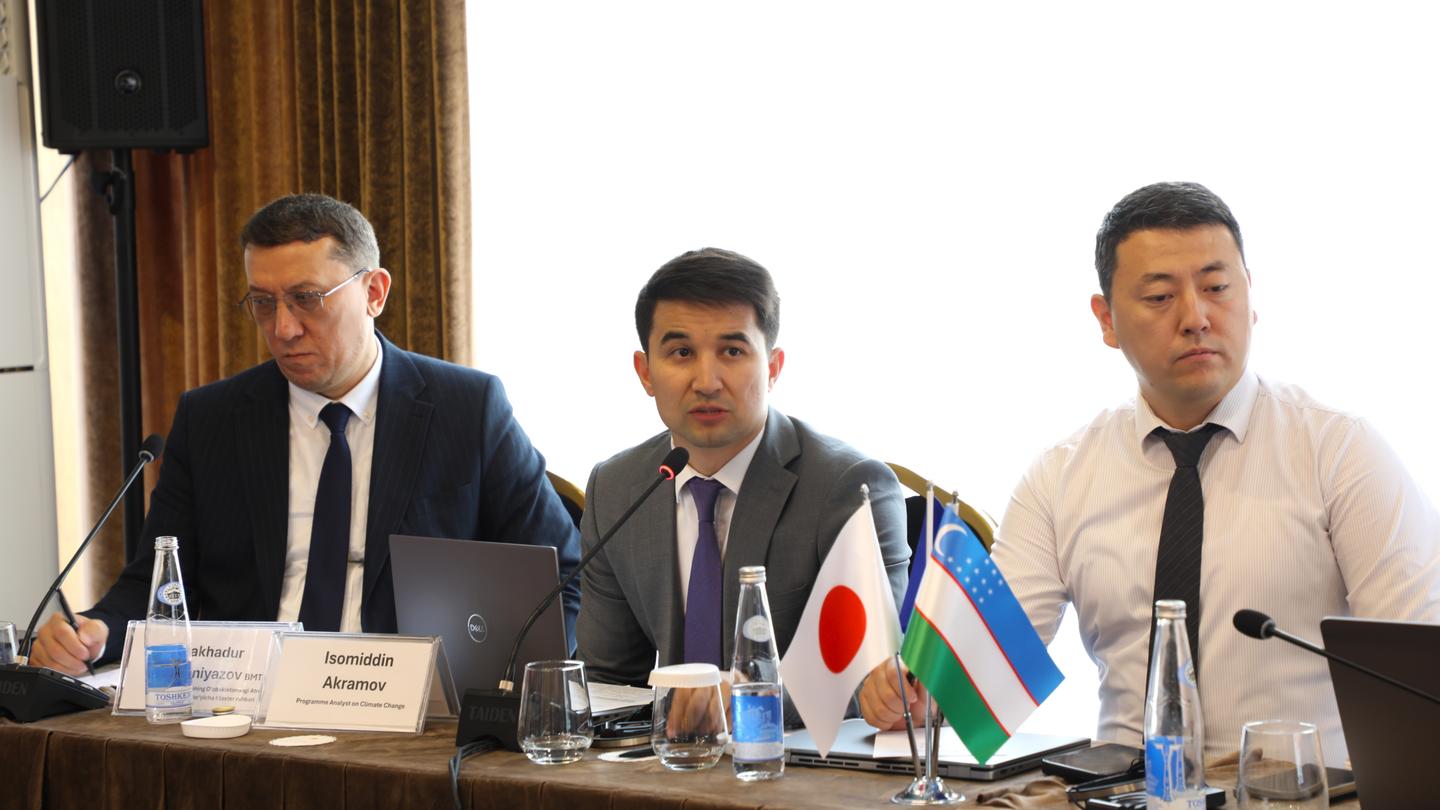
Uzbekistan has launched a new international initiative aimed at cutting greenhouse gas emissions and improving energy efficiency in public infrastructure. Spearheaded by the United Nations Development Programme (UNDP) in partnership with the Government of Japan and Uzbekistan’s Ministry of Economy and Finance, the project targets key sectors including schools, hospitals, kindergartens, and public transportation.z
According to UNDP Uzbekistan, the initiative seeks to bolster the country’s resilience to energy-related challenges driven by increasingly extreme weather conditions. Many public buildings in Uzbekistan suffer from outdated infrastructure and significant energy loss, resulting in elevated emissions and burdensome utility expenses. The project will focus on upgrading facilities with thermal insulation, energy-efficient windows, heat pumps, and solar panels to address these inefficiencies.
A central objective is to enhance indoor comfort throughout the year, particularly in regions experiencing extreme seasonal temperatures. The installation of modern heating and cooling systems is expected to make classrooms and hospital wards more sustainable and livable. The initiative will also extend to green mobility, supporting the introduction of electric buses, the development of charging infrastructure, and the deployment of air pollution monitoring systems along urban transport routes.
A distinctive feature of the program is its use of the Joint Credit Mechanism (JCM), which provides Uzbekistan with access to advanced Japanese technology and investment. This mechanism facilitates international collaboration on carbon reduction and supports the country’s transition toward cleaner technologies.
The initiative aligns with Uzbekistan’s climate commitments under the Paris Agreement. The government has pledged to cut greenhouse gas emissions by 35 percent and raise the share of clean energy to 25 percent by 2030. According to UNDP representatives and officials from the National Agency for Energy Efficiency, the project is not only designed to meet environmental targets but also to improve public health and alleviate the financial strain caused by inefficient energy systems.
This latest endeavor builds on previous sustainable development projects in Uzbekistan. Notably, a European Union and UNDP-backed program has supported the country’s fish farming industry by providing eco-friendly equipment to enhance water quality and reduce energy consumption.