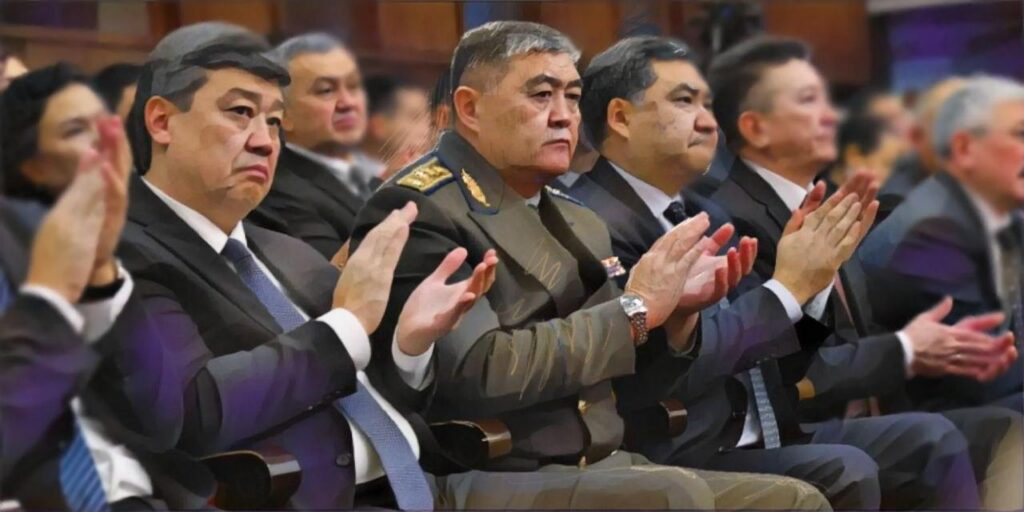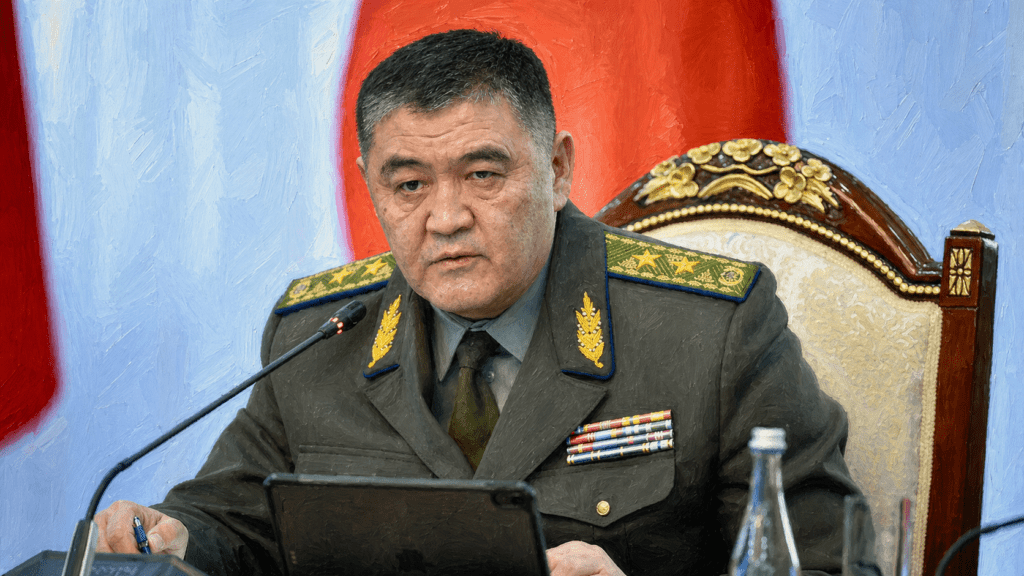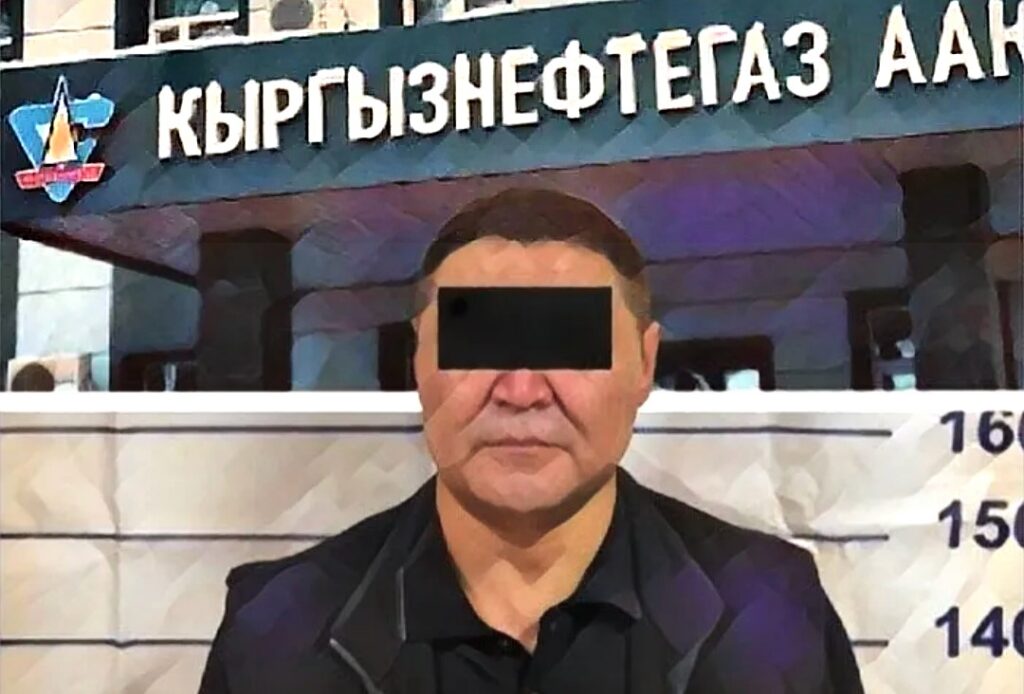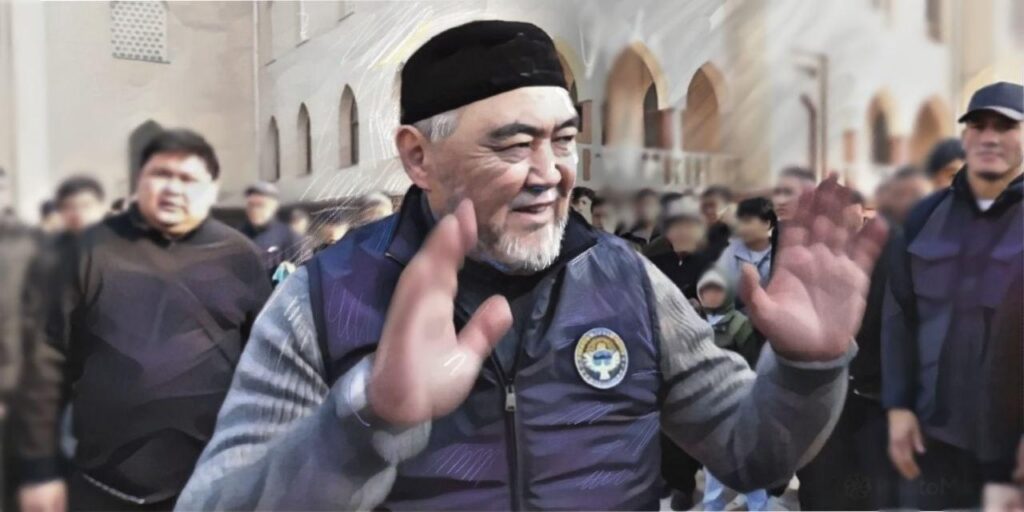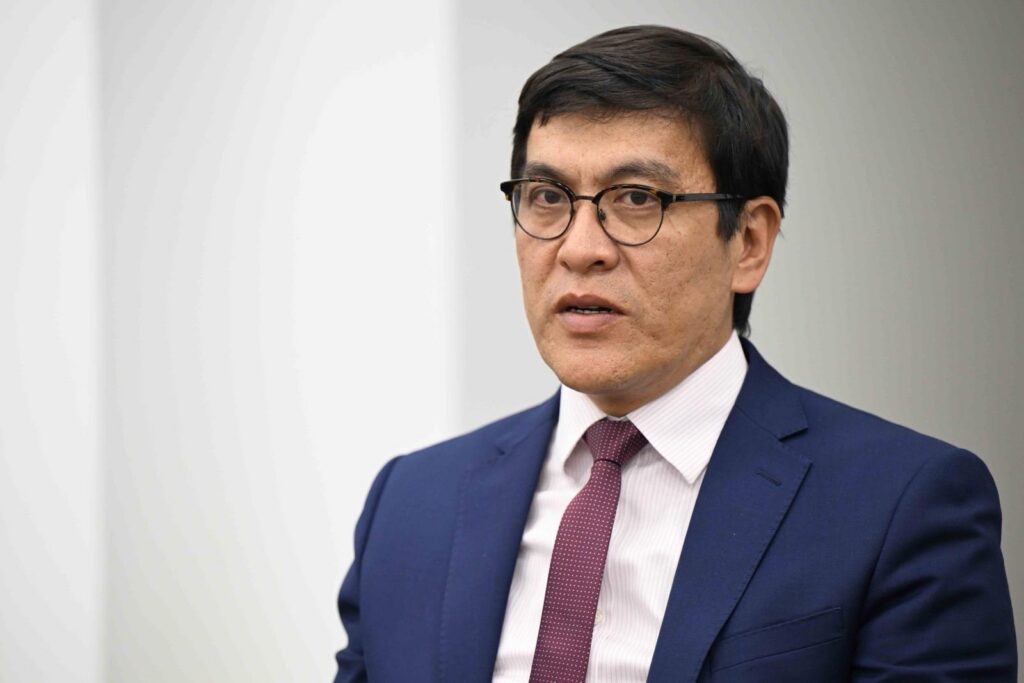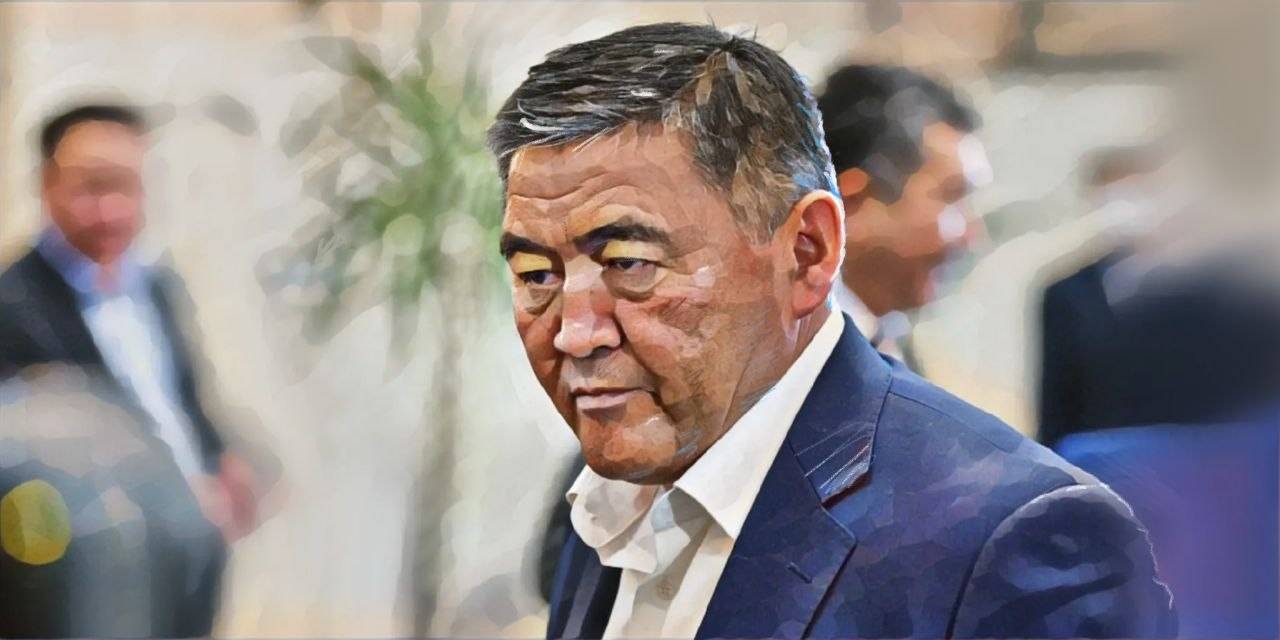
The trial of high-ranking Kyrgyz officials accused of plotting to overthrow the government concluded on July 2. All eight defendants, including the former chief of Kyrgyzstan’s security service and the former speaker of parliament, were found guilty and sentenced to four years in prison.
However, none will actually serve any prison time as the court ordered them all placed on probation for the next three years.
The Letter of 75
It all started on February 9, 2026, when a group of 75 people, including former state officials, released an open letter calling on President Sadyr Japarov and Speaker of Parliament Nurlanbek Turgunbek uulu to call an early presidential election.
Japarov became acting president in the wake of the October 2020 protests that ousted President Sooronbai Jeenbekov. One of his first moves as acting president was to appoint his long-time friend Kamchybek Tashiyev to be the head of the State National Security Service (GKNB).
The presidential election of January 2021 resulted in victory for Japarov, with a concurrent vote approving a change from a parliamentary to a presidential form of government.
A new constitution was drafted and approved in a referendum in April 2021. Japarov was elected president under the constitution that was scrapped in that referendum.
The previous constitution stipulated a president could serve one six-year term in office. The new constitution allowed a president to serve two five-year terms.
The open letter the 75 people published said a snap presidential election could clarify Japarov’s term. But Japarov and others saw the letter as an attempt to oust him from power.
On February 10, Japarov sacked Kamchybek Tashiyev and several of the authors of the open letter were detained, with Japarov saying this was necessary to “prevent a split in society.”
Japarov was evasive about the reason, repeating that he and Tashiyev remained friends.
In the days that followed, a series of top GKNB officials were dismissed, as were the governors of Kyrgyzstan’s second and third largest cities, Osh and Manas (formerly Jalal-Abad), respectively. Several ministers and officials in other state bodies were also changed.
The government was restructured so that the GKNB was under the control of the president.
Tashiyev was in Germany for a medical exam, and Turgunbek uulu was in Turkey when the open letter was released.
Turgunbek uulu stepped down from his position and handed in his resignation as a parliamentary deputy directly after his returned to Kyrgyzstan.
Tashiyev returned briefly on February 13, but only stayed in Kyrgyzstan for a few days before again leaving the country. He finally came back on March 19 for questioning by the Interior Ministry and has been in Kyrgyzstan since then, though he kept a low profile.
It was clear early on that the state prosecutor was building an attempted coup case against some of the 75 authors of the letter. But Japarov and other officials declined to specify which charges Tashiyev might face, or whether he would face any charges at all.
The announcement that Tashiyev was dismissed for plotting to overthrow the government was made by MP Elvira Surabaldiyeva in an interview in late April. Formal charges were made against Tashiyev several days later. Although several members of his family were arrested, Tashiyev was never taken into custody.
The trial of the eight defendants started on June 15 in the Birinchi Mai District Court. It was open to the public at first, but on June 18 prosecutors convinced the court to move the proceedings behind closed doors.
However, a local report said the “court verdict was announced in open session, in accordance with the law.”
All eight defendants faced the same charges: plotting to overthrow the government and abuse of office. All were found not guilty of abuse of office.
Prosecutors asked for a punishment of nine years in prison and confiscation of their property and assets. The sentence handed down was four years, but the court did rule that the property and assets of the defendants would be confiscated.
Reactions among the eight convicted varied.
The lawyers for Tashiyev, Turgunbek uulu, and former Prosecutor General Kurmankul Zulushev said they would appeal the convictions. Former Deputy Interior Minister Kursan Asanov also said he would appeal his conviction. During the trial, Asanov admitted he signed the open letter in February, but denied he was part of any plan to stage a coup.
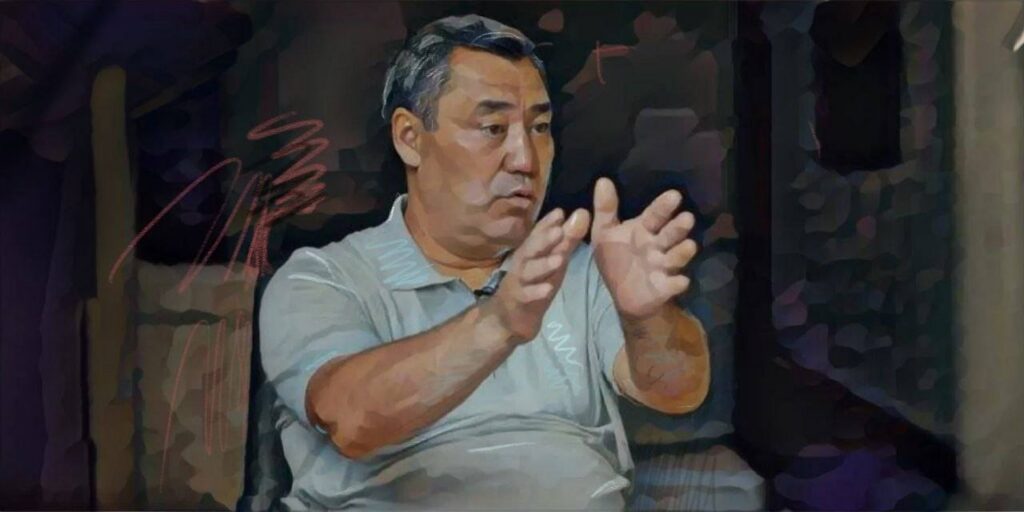
Bekbolot Talgarbekov was one of the primary authors of the open letter. The 71-year-old Talgarbekov served in various posts in the Agriculture Ministry more than two decades ago but remains active in politics. Talgarbekov said the sentence he received was “justified to some extent,” and he did not plan to appeal.
The conditions for probation are that all those convicted must report twice monthly to the probation office. There was no mention of any of the eight facing any restrictions on movement within Kyrgyzstan.
Important to End This Now
The episode involving the open letter, the subsequent dismissals, and then the trial process has been the big story in Kyrgyzstan in 2026.
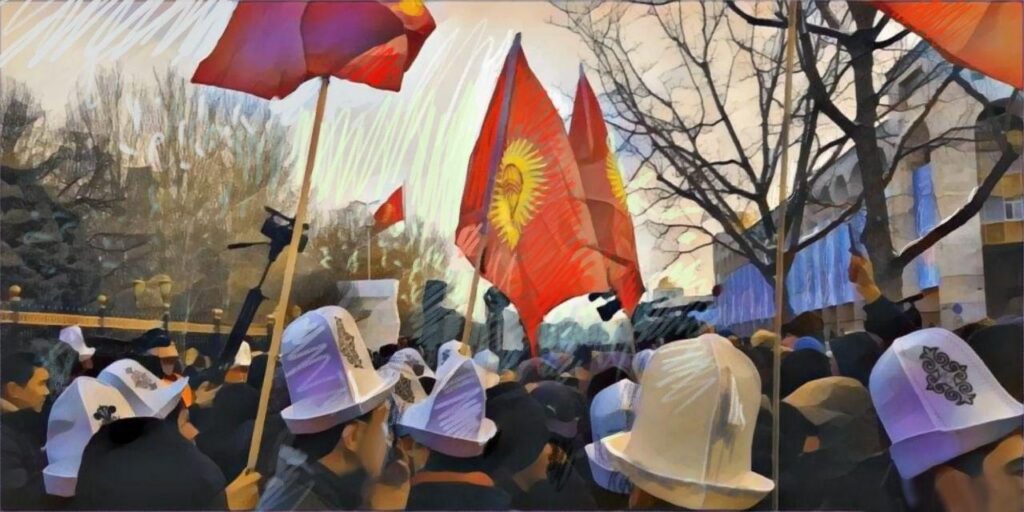
It was important for Japarov to have the trial over by early July. Kyrgyzstan’s next presidential election is now expected on January 27, 2027. The trial process would have been a major distraction from the campaign and election. Some of those on trial, especially Tashiyev, enjoy strong support in Kyrgyzstan.
Kyrgyzstan has seen three revolutions since April 2005, so any court decision made close to election day would run the risk of provoking a fourth. As it now stands, Japarov’s government has six months to contain any backlash from supporters of any of those convicted in the lead-up to the January presidential election.