After two consecutive strong harvests, Kazakhstan is trying to lure more investors into its agricultural sector, which it is presenting as a testing ground for digital and AI-supported farming.
President Kassym-Jomart Tokayev made the case at the 38th plenary session of the Foreign Investors’ Council in Astana on July 2, where agriculture formed part of a wider pitch for Kazakhstan as an investment-friendly, technology-driven economy.
The message was straightforward: Kazakhstan wants its recent harvests to be seen not only as the result of favorable weather or state support, but as evidence that the country is moving toward precision agriculture.
That claim is more complicated than the presidential framing suggests. Kazakhstan has reported record or near-record grain output for two years in a row, but U.S. analysts have questioned the scale of the latest wheat crop, while Kazakhstan’s own data point to other explanations, including expanded financing, crop diversification, and a reduction in wheat acreage.
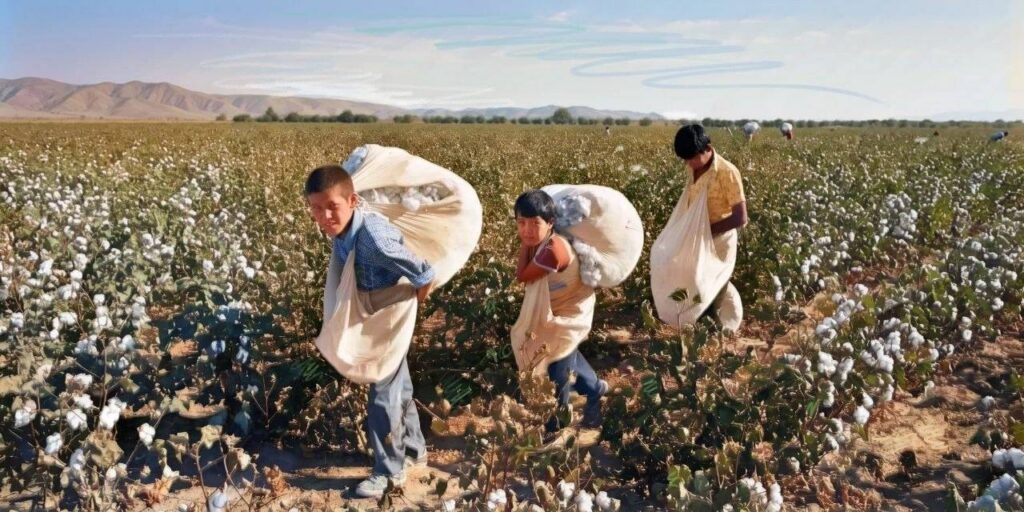
According to the Ministry of Agriculture, Kazakhstan harvested 26.7 million tons of grain and legumes in 2024, the highest figure in 13 years. The ministry also said concessional lending to the sector rose to 580 billion tenge at 5% annually, compared with no more than 160 billion tenge in previous years.
In 2025, the ministry initially reported 27.1 million tons of grain in initial weight, including 20.3 million tons of wheat. Later figures cited by Deputy Minister of Agriculture Yerbol Taszhurekov put the harvest at 25.9 million tons in net weight, including 19.3 million tons of wheat.
Those distinctions sit behind Tokayev’s simpler public figure of two consecutive harvests averaging around 27 million tons.
There is also a wider caveat. World-Grain reported, citing the Foreign Agricultural Service of the U.S. Department of Agriculture, that U.S. analysts expected Kazakhstan’s 2025-26 wheat production to reach 18 million tons. That was below the 19.3 million-ton figure published by Kazakhstan’s Bureau of National Statistics, which the FAS believed was overstated based on field yields.
The FAS pointed to a more conventional explanation for the shift in output: farmers had cut wheat plantings and moved into more profitable oilseed crops, particularly sunflowers and rapeseed. Favorable weather during much of the growing and harvesting season helped offset the smaller wheat area.
Kazakhstan’s own figures show the same shift. Wheat acreage fell by nearly 900,000 hectares in 2025, while oilseed acreage expanded by more than 1 million hectares and legume acreage by 275,000 hectares. The country also recorded more than 1 million tons of legumes and a record oilseed harvest of 4.8 million tons.
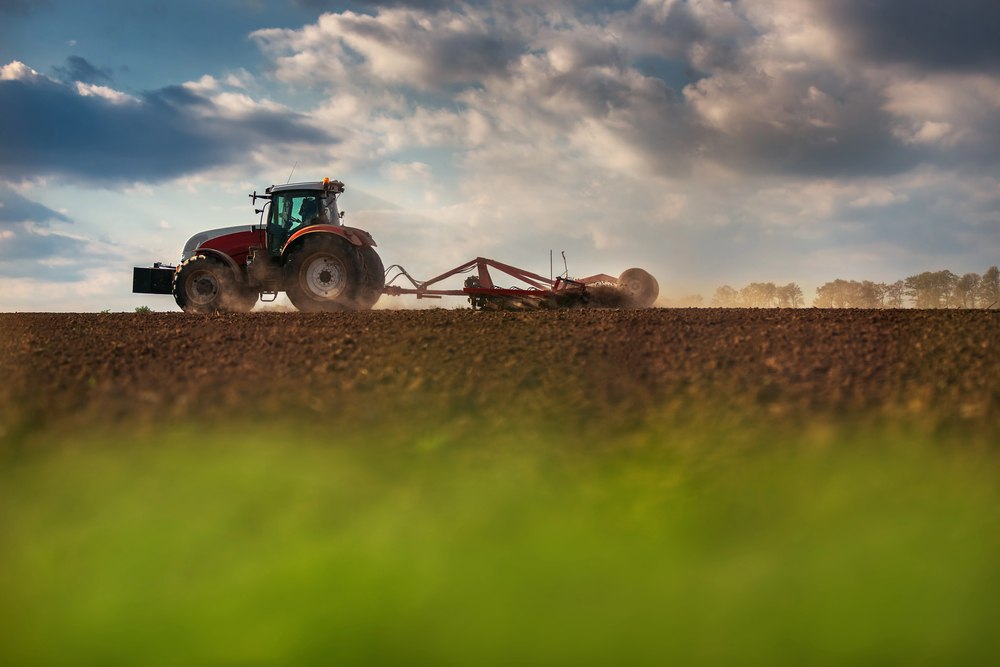
Tokayev, however, placed the emphasis on technology. He said artificial intelligence and automation were becoming the basis of a new agricultural revolution, helping producers raise yields, use water more efficiently, and reduce environmental damage.
The president said the government is now working on the full digitalization of agricultural land. State support and subsidy programs are also being moved online, a step officials say will simplify applications and reduce paperwork.
In livestock farming, Tokayev said integrated digital platforms had been introduced to replace paper documentation and improve data accuracy. He added that more than 200 agricultural enterprises in Kazakhstan are now operating as “smart farms.”
Kazakhstan is also rolling out a digital traceability system for agricultural products, intended to track goods across the supply chain and give buyers more confidence in origin and quality controls.
The broader aim is to move the sector beyond raw commodity exports. Tokayev said Kazakhstan wants to become a regional hub for higher-value agri-food processing, with investment in food manufacturing, logistics, storage, packaging, and technology.
That ambition overlaps with existing government plans. As previously reported by The Times of Central Asia, Kazakhstan’s agricultural export revenue reached $7 billion in 2025, up 37% from the previous year. More than half of that total, about $3.6 billion, came from processed agricultural products.
The government has also set targets for deep grain processing. By 2028, Kazakhstan plans to launch new production facilities with a combined capacity of 5.8 million tons per year, with investment estimated at 1.9 trillion tenge, or about $3.8 billion.
For investors, Kazakhstan is offering a compelling story: a major grain producer using digital tools to raise productivity and climb the value chain. Technology has certainly played a role, but there are other reasons for the sector’s recent strength.