Chevron CEO Mike Wirth said that oil was flowing through the CPC pipeline and tankers were being loaded on July 31, one day after two vessels were attacked near its Black Sea terminal. Kazakhstan’s Energy Ministry said intake reached 100,000 metric tons a day from August 1 and rejected reports of a complete shutdown.
“The pipeline is flowing. We’ve been loading ships this week,” Wirth said during Chevron’s second-quarter earnings call. He said two of CPC’s three single-point moorings were in service. The third was undergoing refurbishment and was expected to return during the third quarter.
The ministry said CPC temporarily suspended pipeline system operations on July 31 but continued receiving crude and filling storage tanks. A complete shutdown “is not being considered,” it said. Further increases would depend on tankers arriving for loading near Novorossiysk.
The two statements indicate that loadings restarted quickly after the July 30 attacks, but do not establish a full return to planned export volumes. CPC can receive crude while storage space remains available, but if tanker loadings fall behind, storage fills and producers must cut output as they did in late July.
On August 2, OPEC+ raised Kazakhstan’s September target by 10,000 barrels per day to 1.628 million barrels. The increase formed part of a combined 188,000-barrel-per-day rise for Kazakhstan and six other producers. The group said countries that had exceeded their quotas since January 2024 would make up for the excess by producing less in future months.
A separate OPEC+ monitoring committee, which includes Kazakhstan, stressed the “critical importance” of safeguarding international maritime routes and expressed concern about attacks on energy infrastructure. Its statement did not name CPC or the Black Sea incidents.
For Kazakhstan, the higher quota may have little immediate effect if export flows remain constrained. Reuters has reported that OPEC+ may pause further increases after September while it reviews production capacity for quota baselines which will apply in 2027.
The immediate risk is a repeat of late July, when disrupted loadings filled storage and forced sharp production cuts at Tengiz and other major fields.
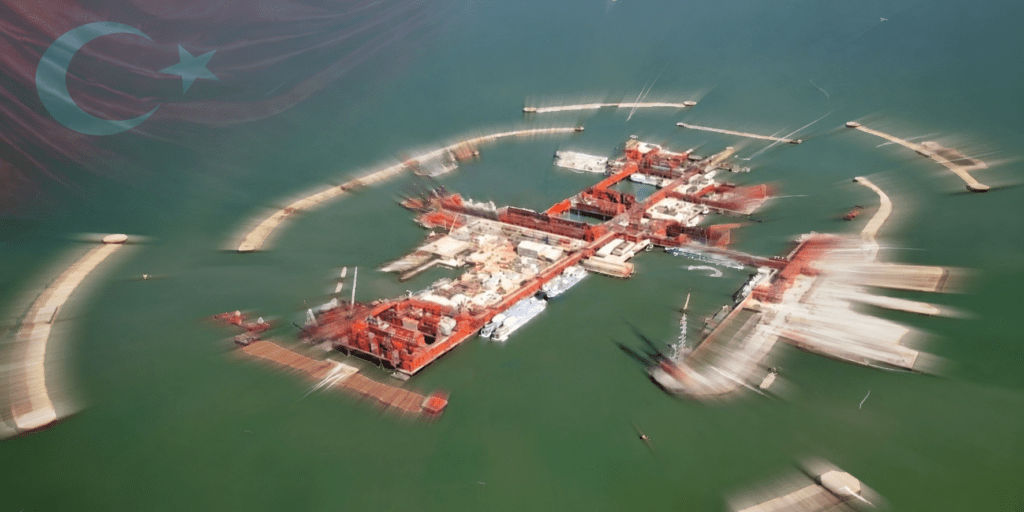
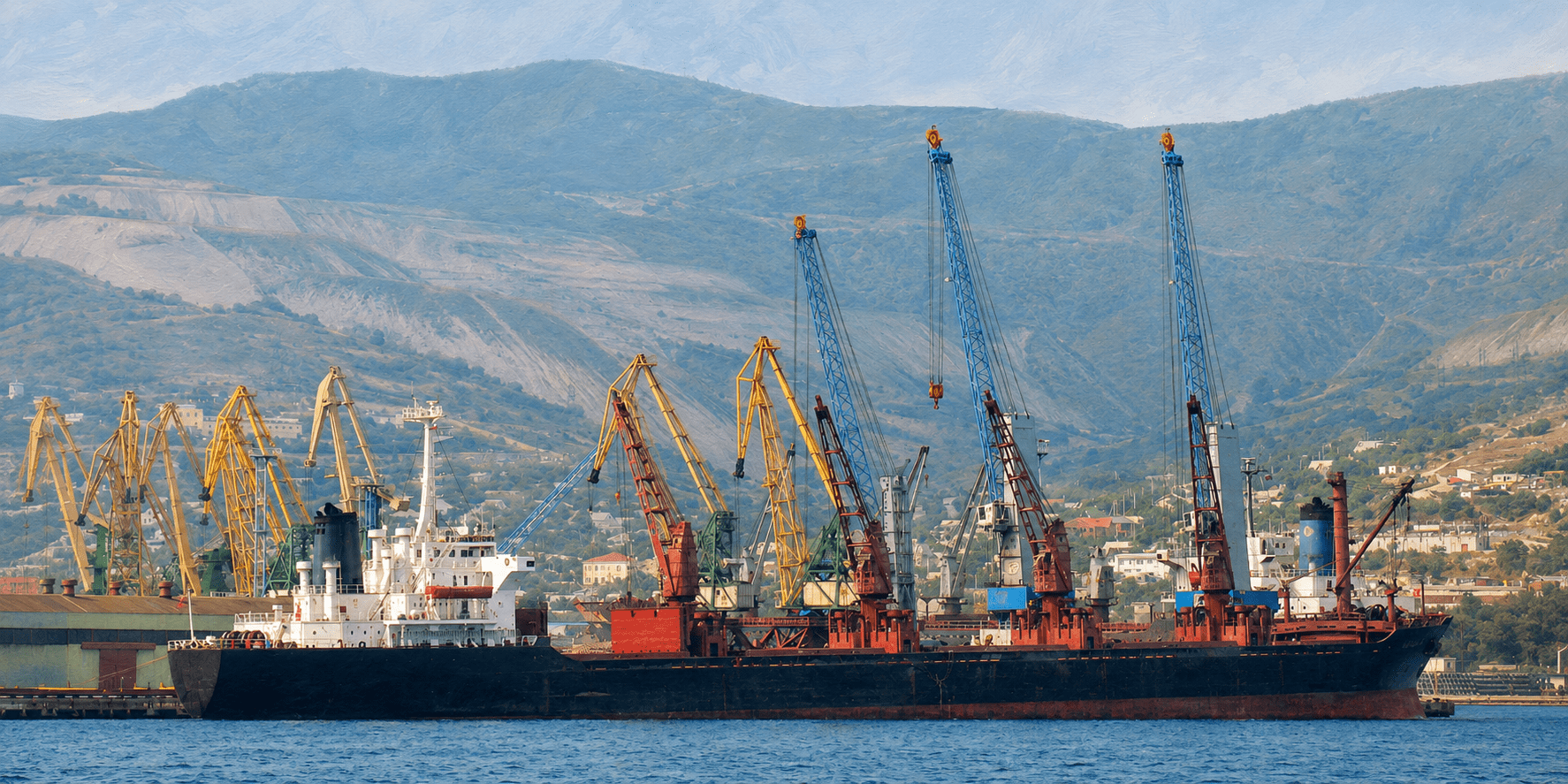
CPC loadings had resumed on July 27 after a week-long suspension. Three days later, two more tankers were attacked near the terminal. NISSOS SIFNOS was struck while loading Tengizchevroil crude at the SPM-3 offshore mooring, while MARATHI was hit while waiting for a berth about six nautical miles offshore.
Both fires were extinguished, and no injuries to the crews or pollution were reported. Neither CPC nor Kazakhstan publicly identified an attacker. Ukraine’s drone forces later said they had struck four Russian tankers in the Black and Azov seas, but did not name the vessels or locations.
The earlier stoppage had already demonstrated how swiftly export disruption can reach Kazakhstan’s oilfields. National oil and gas condensate production fell to about one million barrels per day on July 26, less than half the June average of 2.16 million barrels per day.
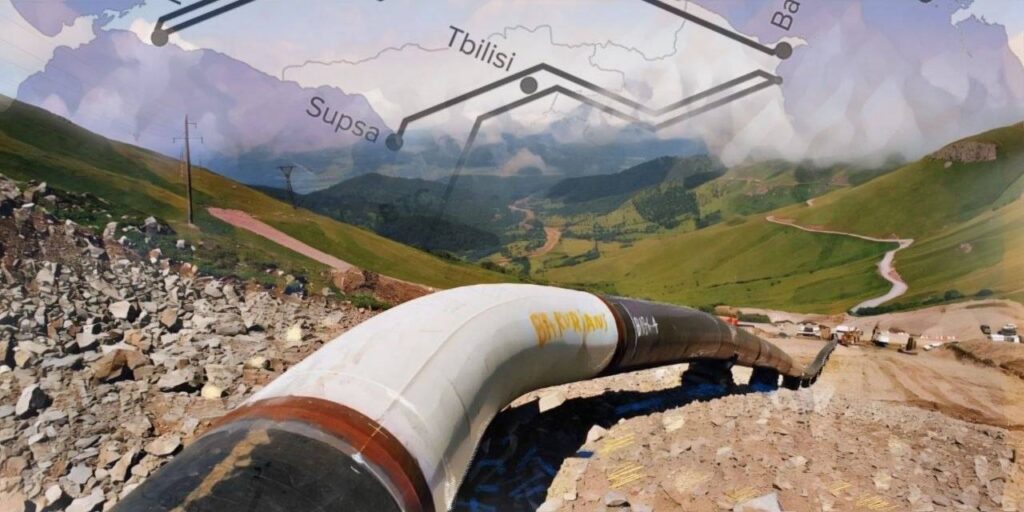
CPC runs for about 1,510 kilometers from western Kazakhstan through Russia to the Black Sea. It handles more than 80% of Kazakhstan’s oil exports, including most output from Tengiz and large volumes from Kashagan and Karachaganak.
Russia holds 31% of the consortium, while Kazakhstan holds 20.75%. Chevron owns 15%, and ExxonMobil’s Mobil Caspian Pipeline Company has 7.5%. Repeated disruption therefore affects Kazakhstan’s state oil company and major U.S. investors.
CPC carried about 63 million tons of Kazakh crude in 2025. By comparison, exports through Aktau and the Baku-Tbilisi-Ceyhan pipeline totaled 1.3 million tons, while shipments to China reached 1.1 million tons. Together, those two routes handled less than 4% of CPC’s Kazakh volume.
The disruption has also drawn attention in Washington. U.S. Secretary of State Marco Rubio and Kazakhstan’s Foreign Minister Yermek Kosherbayev discussed CPC on July 29. The State Department stressed the need for “reliable and uninterrupted” exports of Kazakhstan-origin oil through the system.
Wirth said Chevron works with the U.S. and Kazakh governments, as well as governments in the region, to keep the pipeline flowing. CPC remains the main route to market for Tengizchevroil, in which Chevron owns 50%.
The seven OPEC+ producers will review the market again on September 6. Until then, tanker movements at CPC’s marine terminal will provide the clearest indication of whether Kazakhstan’s exports have returned to normal.