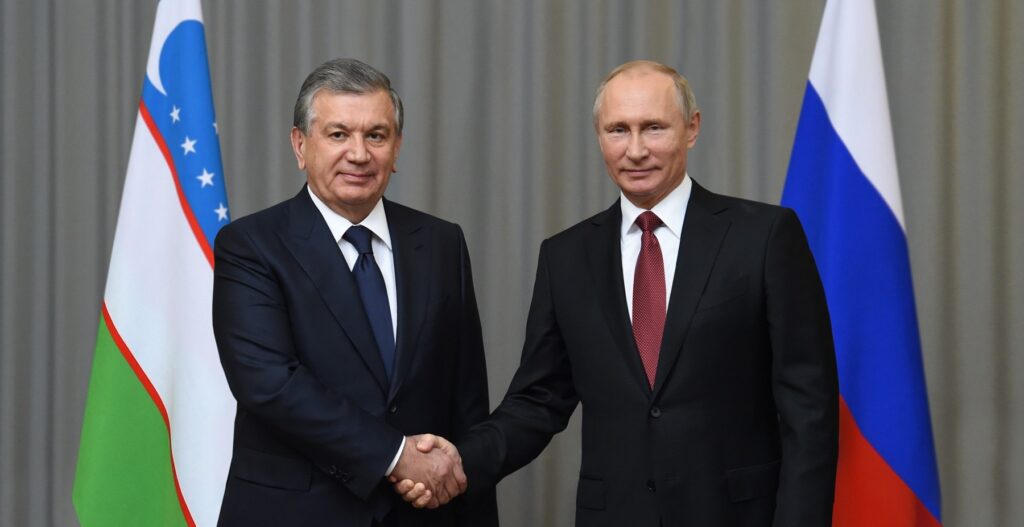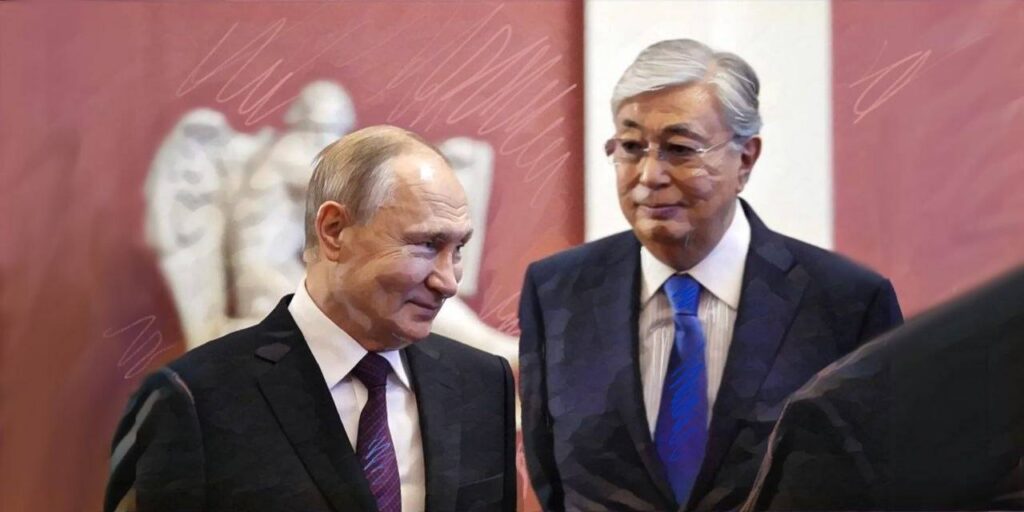
Uzbekistan is building its first nuclear power plant and preparing a second, while Kazakhstan intends to build at least three. Central Asia’s two largest economies are entering nuclear power at almost the same time. Even before their first reactors come online, the two countries are beginning to coordinate on safety and environmental monitoring, including potential transboundary impacts.
On August 21, representatives of the two countries met in Tashkent and agreed on the main areas of further cooperation, including a road map and follow-up steps.
The meeting came four days after a new announcement by Uzbekistan’s President Shavkat Mirziyoyev. On August 17, he said preparations were under way for a second nuclear power plant, although the country’s first nuclear complex in the Jizzakh region is only at the initial stage of construction. The location, capacity, timetable, and technology partner for the new plant have yet to be announced.
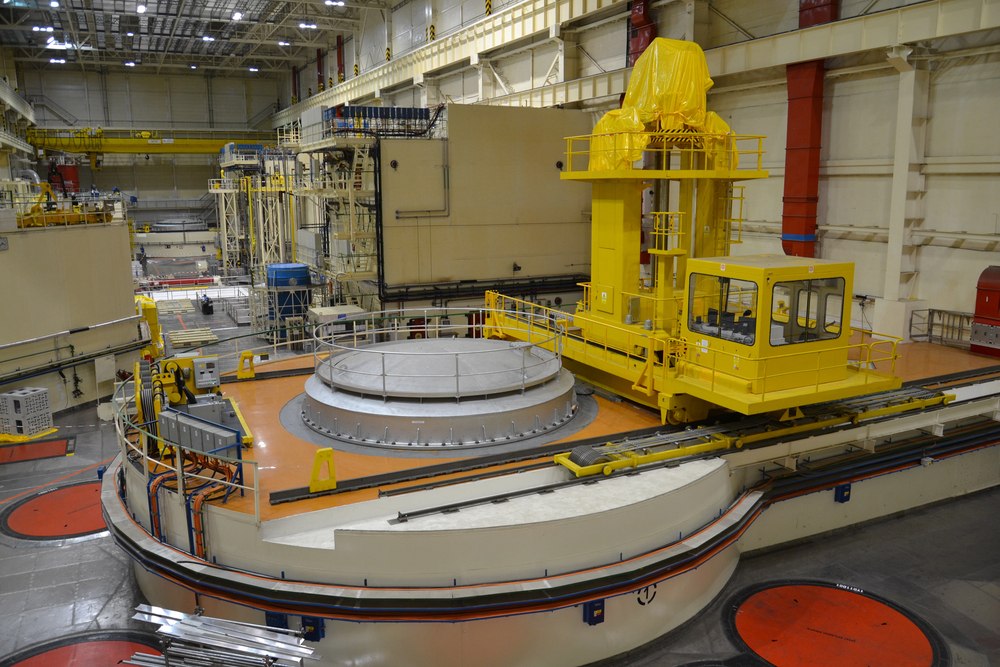
Uzbekistan’s nuclear project has expanded considerably over the past two years. In 2024, Tashkent and Russia’s State Atomic Energy Corporation Rosatom agreed to build a small nuclear power plant with six 55 MW RITM-200N reactors. The configuration was later revised to an integrated plant in the Forish district of the Jizzakh region, comprising two large VVER-1000 units and two small RITM-200N reactors. The complex will have a total capacity of about 2.1 GW.
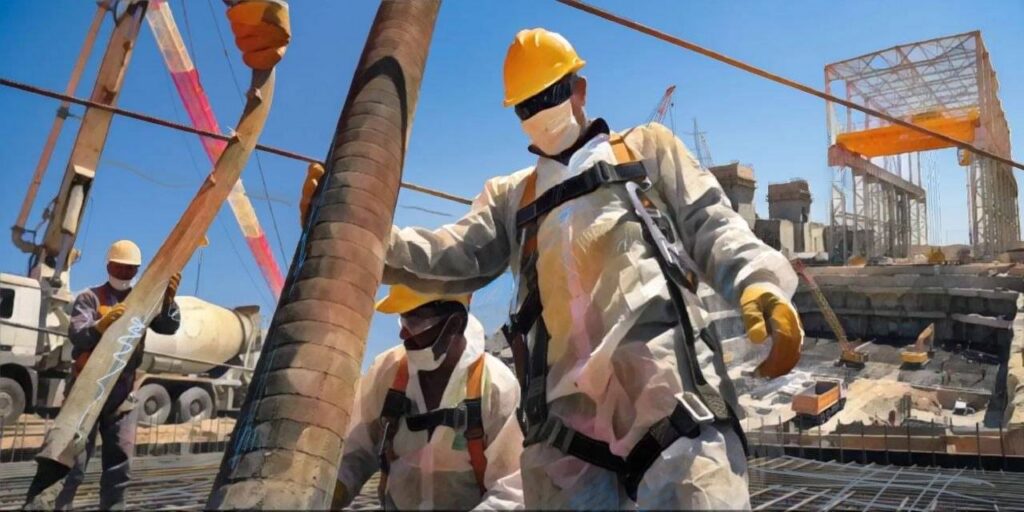
Construction formally began on June 4, 2026, when concrete was poured for the first reactor unit. A technical launch of the first small reactor is planned for late 2029, while the first large unit is expected to begin operating in 2033. The entire complex is expected to be operational by 2035. Official projections of annual generation range from about 15.4 billion to 17.2 billion kWh.
Rapidly growing electricity demand is driving discussion of a second plant. Uzbekistan needs more generating capacity as industry and new urban projects grow and the population approaches 40 million. Natural gas remains the backbone of power generation, but the government is also expanding solar and wind energy. Nuclear power is intended to provide baseload electricity around the clock, regardless of weather conditions.
Kazakhstan is the world’s largest uranium producer and has the world’s second-largest uranium reserves, but it currently has no operating commercial nuclear power reactors. In a nationwide referendum in October 2024, voters approved the construction of a nuclear power plant. The country’s first plant is planned near the village of Ulken on the shore of Lake Balkhash, with Rosatom selected to lead the international consortium for the project.
A nuclear industry development strategy approved in April 2026 calls for Kazakhstan to have at least three nuclear power plants by 2050. It also covers nuclear science and workforce training, along with the management of radioactive waste and spent nuclear fuel.
China National Nuclear Corporation has been selected to build Kazakhstan’s second plant; in July 2025, Roman Sklyar, then the country’s first deputy prime minister, said China would also build the third. The April 2026 strategy is less specific, however, and lists small modular reactors as one possible technology for that project.
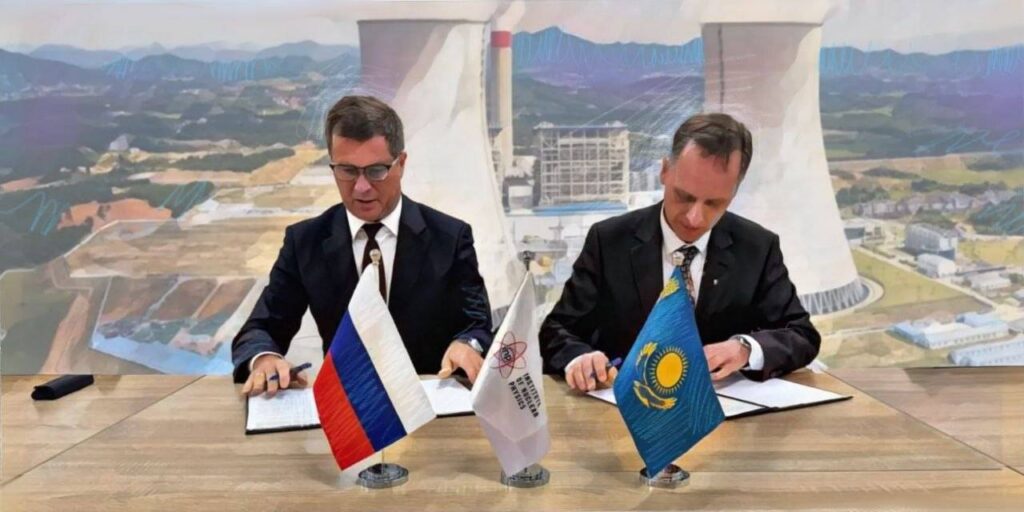
At the meeting in Tashkent, Uzbekistan’s delegation presented its approach to environmental monitoring for the future nuclear power plant. It covers radiation levels and the quality of the air and soil, as well as surface water and groundwater. The two sides also discussed exchanging environmental information and assessing potential transboundary effects.
Water is an especially sensitive resource in Central Asia. Many of the region’s river basins cross national borders, and nuclear plants require systems to remove heat. The volume of water withdrawn or consumed varies considerably with plant design and the cooling system used.
Uzbekistan also proposed a specialized center to train nuclear specialists from across Central Asia, combining practical and simulator-based instruction in modern laboratories with academic exchanges and expert consultations. Regional coordination on training and environmental monitoring will become increasingly important for nuclear safety if the countries’ announced projects proceed.