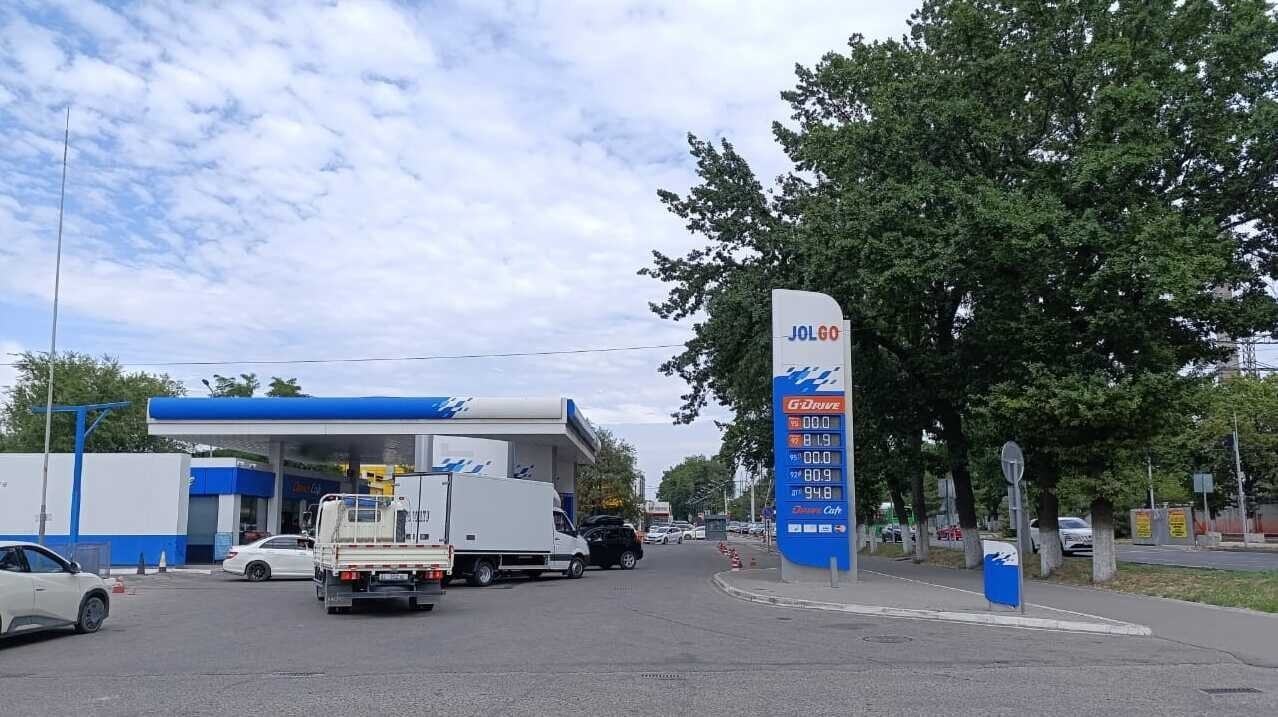
Kyrgyzstan has relaxed fuel import rules and extended restrictions on exports as it seeks to mitigate growing pressure on its domestic fuel market amid disruption to Russia’s refining sector.
Under a July 13 resolution, the Kyrgyz Cabinet of Ministers suspended, until April 1, 2027, provisions of a 2019 government decree restricting the import of oil and petroleum products by road. The exemption had previously been due to expire on September 30, 2026.
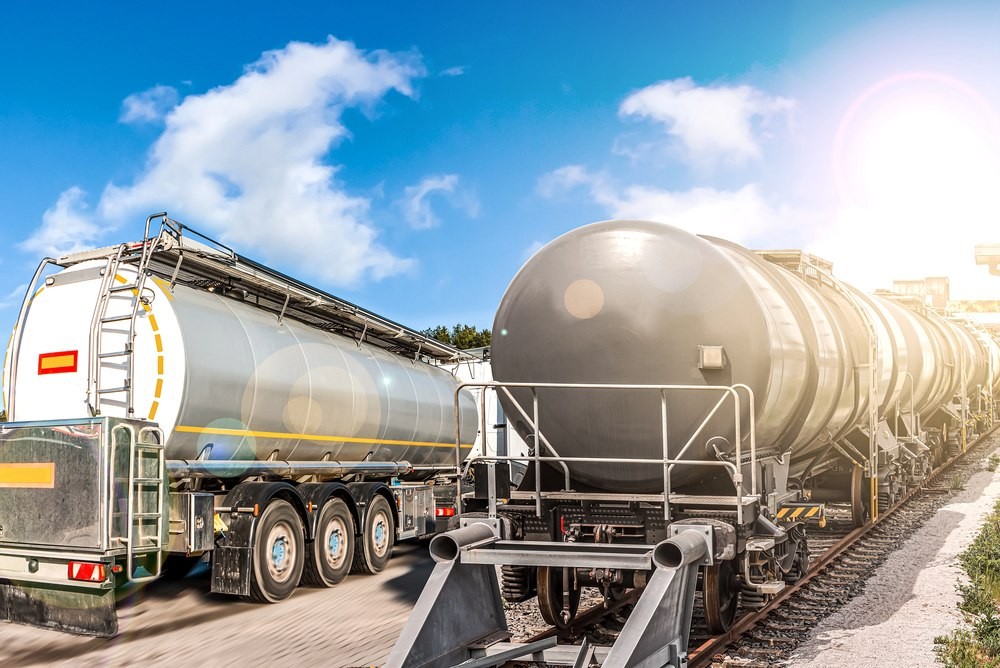
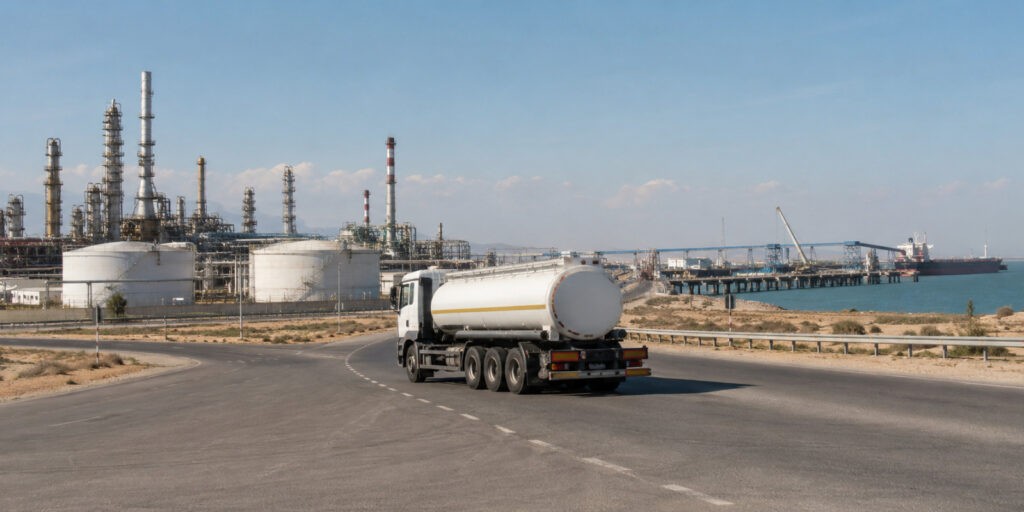
The change allows fuel to be delivered into Kyrgyzstan by road tanker, giving importers greater flexibility to obtain supplies through alternative routes. Other requirements governing fuel imports, including transportation safety rules and accompanying documentation, remain in force.
The measure comes as Russia, the source of more than 90% of Kyrgyzstan’s imported petroleum products, has imposed temporary restrictions on gasoline exports after Ukrainian drone attacks reduced production at several Russian refineries.
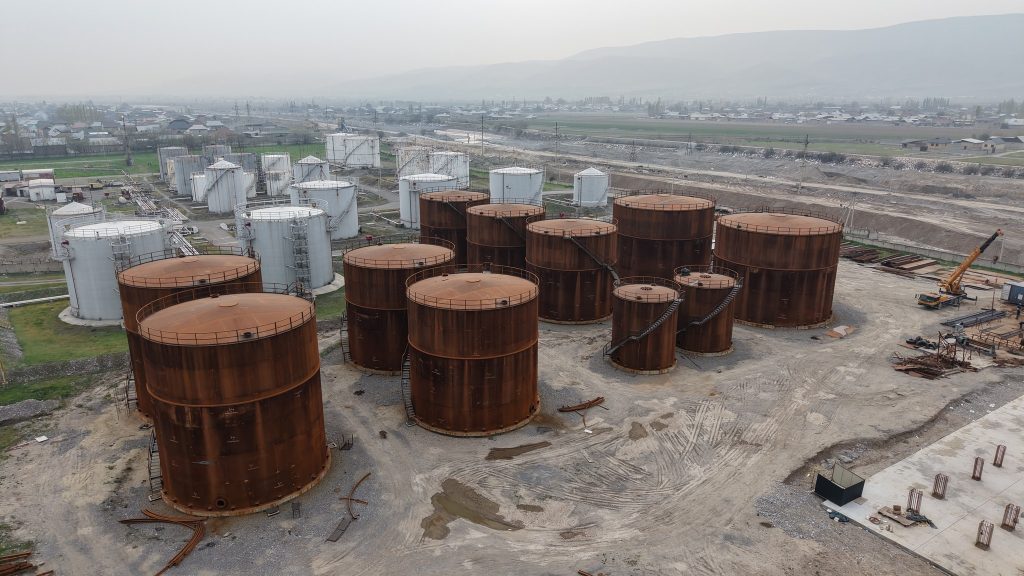
At the same time, the Cabinet amended the country’s export rules for petroleum products. The current export ban on crude oil, gasoline, diesel fuel, and other petroleum products transported by road or rail will now remain in effect until Kyrgyzstan’s domestic fuel demand is fully satisfied or until the EAEU’s common oil and petroleum products market becomes operational.
According to the government, the changes are intended to stabilize the domestic fuel market and ensure adequate supplies for consumers.
The latest measures add to a series of steps taken by Bishkek to address mounting fuel supply challenges.
As previously reported by The Times of Central Asia, Kyrgyzstan is also seeking to increase domestic production of the country’s most widely used AI-92 gasoline by upgrading surplus stocks of lower-octane AI-80 fuel.
Earlier this month, the government also eased its temporary fuel price controls after shortages emerged. Emergency price regulation introduced on May 25 established benchmark import prices of $860 per metric ton for AI-92 gasoline, $940 for AI-95 gasoline, $950 for diesel fuel, and $575 for liquefied petroleum gas.
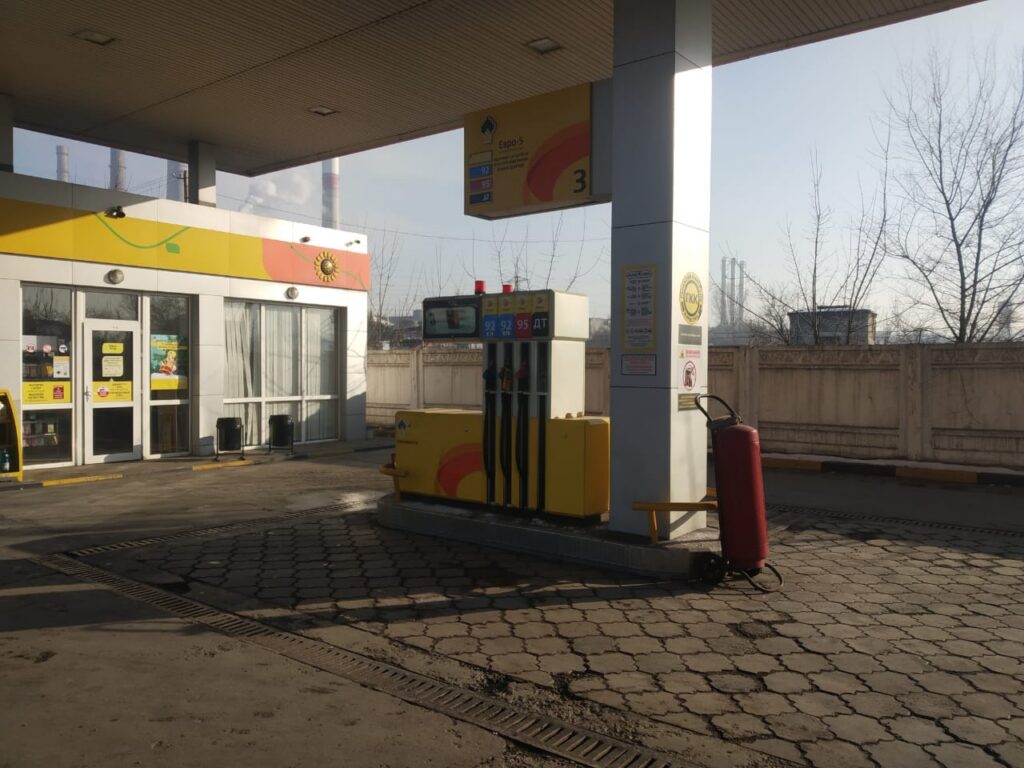
However, under a separate July 7 resolution signed by Chairman of the Cabinet of Ministers Adylbek Kasymaliev, AI-95 gasoline was removed from the list of socially significant goods subject to state price regulation, and retail price caps were abolished. The government said the changes were necessary to restore uninterrupted fuel supplies after AI-95 gasoline temporarily disappeared from filling stations in Bishkek.