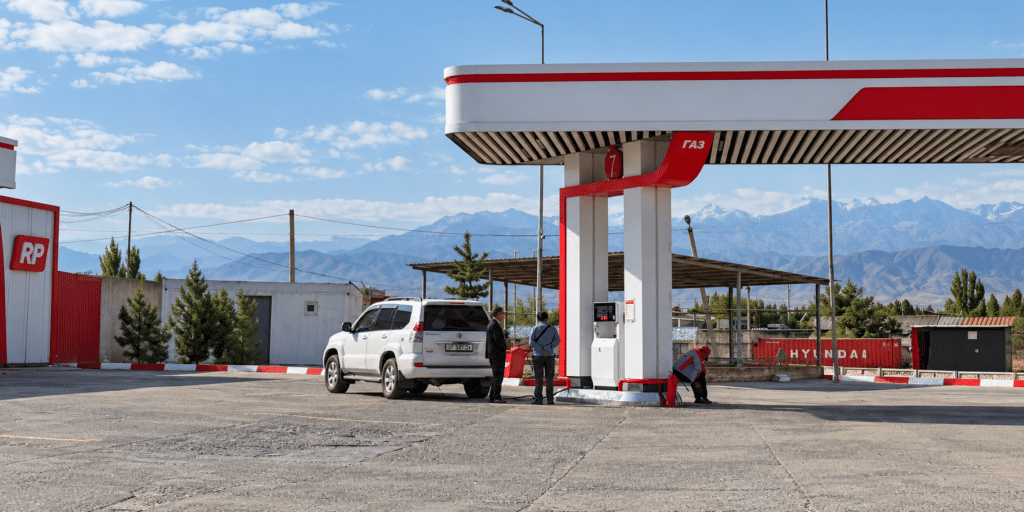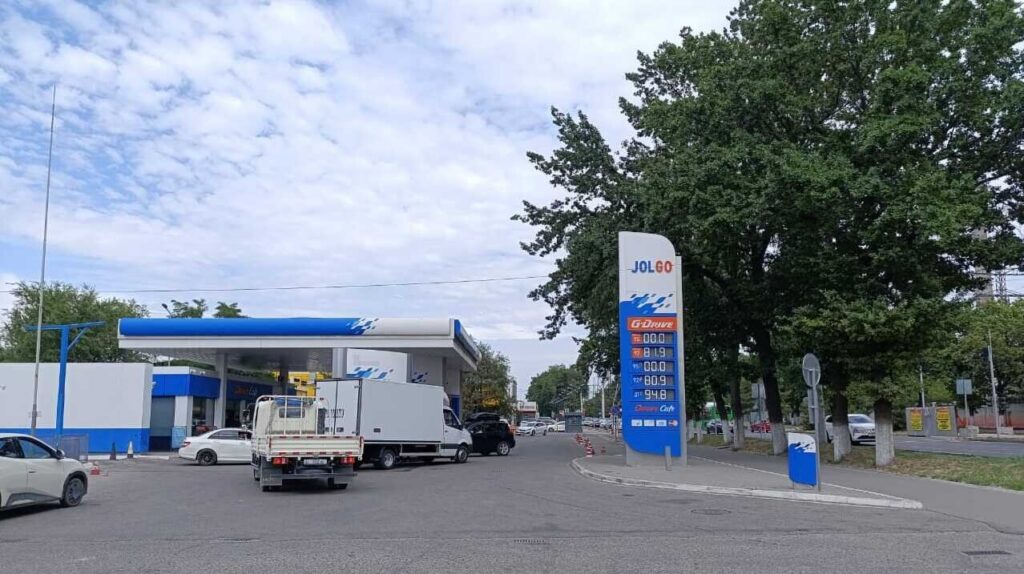
Kyrgyzstan is moving to secure alternative fuel supplies from China and Belarus as disruptions in Russia’s refining sector expose Bishkek’s dependence on a single supplier. The new arrangements may ease immediate pressure, but they also show how costly and limited Kyrgyzstan’s options remain.
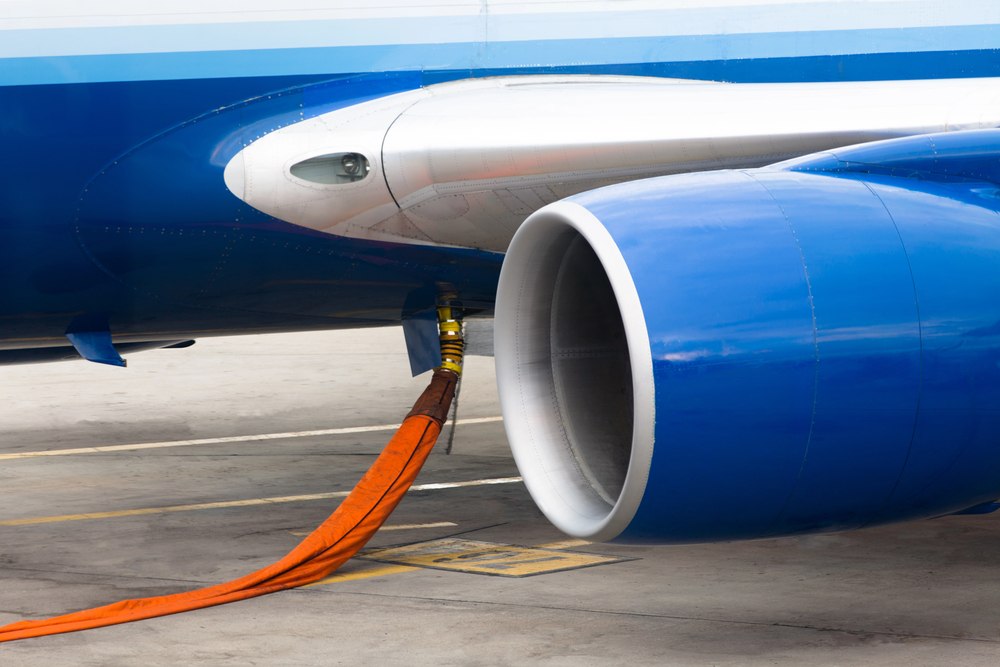
First Deputy Chairman of the Cabinet of Ministers Daniyar Amangeldiyev said China has confirmed a contract to supply the first 3,000 tons of jet fuel, while negotiations are under way for an additional 5,000 tons of diesel fuel. The government has also signed agreements with Belarus covering 3,000 tons of jet fuel and approximately 10,000 tons of diesel.
On July 1, the Council of the Eurasian Economic Commission (EEC) extended the zero customs duty regime within the Eurasian Economic Union (EAEU) for gasoline, diesel fuel, aviation fuel, marine fuel, and other petroleum products for another year. EEC Minister of Trade Andrey Slepnev said the previous zero rates had expired on June 30 and that proposals from several member states to extend them were quickly coordinated.
“The zero rates have been extended for another year,” he said.
That buys time but does not remove the main risk. Russian refining disruptions, seasonal demand, and export controls could still reduce the flow of petroleum products to Kyrgyzstan. Imports from alternative suppliers are also likely to come at higher prices and on less favorable terms than those traditionally offered by Moscow.
Russia has been Kyrgyzstan’s primary fuel supplier for decades.
The country began receiving Russian petroleum products at preferential prices on October 10, 2000, when the prime ministers of Russia and Kyrgyzstan, Mikhail Kasyanov and Amangeldy Muraliev, signed an intergovernmental agreement in Astana governing indirect taxation in bilateral trade.
Since then, Kyrgyzstan has received basic petroleum products duty-free at domestic Russian prices.
In 2011, then-adviser to the Kyrgyz prime minister Farid Niyazov told the news outlet 24.kg that Russia would supply all petroleum products to Kyrgyzstan indefinitely without export duties, except aviation fuel.
“At present, Russia’s export duty on these fuel products is $245 per ton. You can imagine how much we would otherwise have to pay for fuel,” he said.
The 2000 bilateral agreement was terminated in 2015 after Kyrgyzstan joined the EAEU. Since then, the country has operated under the union’s common customs rules as well as bilateral agreements with Russia.
This has left Kyrgyzstan heavily dependent on a single supplier. According to official statements and industry estimates, more than 90% of the country’s fuel consumption for households and agriculture is currently covered by Russian imports.
Despite Russian Deputy Prime Minister Alexander Novak’s assurances that domestic fuel reserves remain sufficient, shortages began to emerge in Russia in early June. Russia has since moved to tighten exports further as refinery disruptions have continued.
As a result, Kyrgyzstan’s Cabinet of Ministers has begun searching for alternative suppliers while introducing daily monitoring of existing fuel deliveries.
Rising gasoline and diesel prices had already prompted the government to introduce temporary state regulation of motor fuel prices in late May. It has since rolled back some of those controls after signs that they were worsening supply pressures.
Major fuel distributors said they had kept retail prices relatively stable by relying on previously accumulated inventories, but those reserves have now been largely exhausted.
For several years, Kyrgyzstan has periodically discussed the possibility of importing petroleum products from neighboring Kazakhstan.
In September 2025, the head of Kyrgyzstan’s Antimonopoly Regulation Service, Zhenaly Orozbayev, was asked during a live interview on state-run Birinchi Radio why the country did not purchase fuel from Kazakhstan, where prices were reportedly lower.
“If Kyrgyzstan were to sign an agreement with Kazakhstan on fuel imports, the price for our country would exceed the cost of Russian fuel, making such purchases economically unviable. No one is preventing Kyrgyzstan from buying fuel from Kazakhstan, but under current market conditions this option simply does not make economic sense,” Orozbayev said.
Kazakhstan is now considering Bishkek’s request for gasoline supplies, but the economics remain difficult. Astana is also trying to protect its own domestic market and is preparing to extend restrictions on fuel exports.
Importing petroleum products from Azerbaijan is also economically unattractive. Because there is no direct railway connection between the two countries, fuel would have to be transported across the Caspian Sea by tanker before being transferred to rail tank cars and shipped through Kazakhstan or Turkmenistan. Every additional stage of transportation increases the final cost per liter.
In addition, unlike Russia and Kazakhstan, Azerbaijan is not a member of the EAEU. Preferential customs arrangements therefore do not apply, while full export and import duties would have to be paid.
Azerbaijan’s own domestic market is also not a simple surplus source. Any onward sales to Kyrgyzstan would have to be commercially attractive to Baku as well as logistically feasible.
China presents its own challenges.
Domestic fuel prices in China are tied to global oil prices under a regulated pricing system and include taxes. Deliveries to Kyrgyzstan would also rely on road transport through the Torugart and Irkeshtam border crossings, as there is no railway connection.
China also manages refined-fuel exports through a quota system. That means even agreed supplies can depend on Beijing’s domestic-market priorities and export approvals.
Although Kyrgyzstan’s Cabinet of Ministers authorized fuel imports from China on March 3 this year, there was initially no publicly available information confirming that any deliveries had taken place. The latest agreements suggest Bishkek has now moved from authorization to limited contracted volumes.
The fuel squeeze is now affecting much of the regional market. Kazakhstan is weighing its own balances before answering Bishkek, while Uzbekistan has also faced import pressure as Russian and regional supplies tighten.
Kyrgyzstan will therefore have to compete with other buyers for available petroleum supplies, at least until Russian refineries complete repairs and production stabilizes.
For larger and more regular deliveries, however, Kyrgyzstan may still need political support as much as commercial logic.