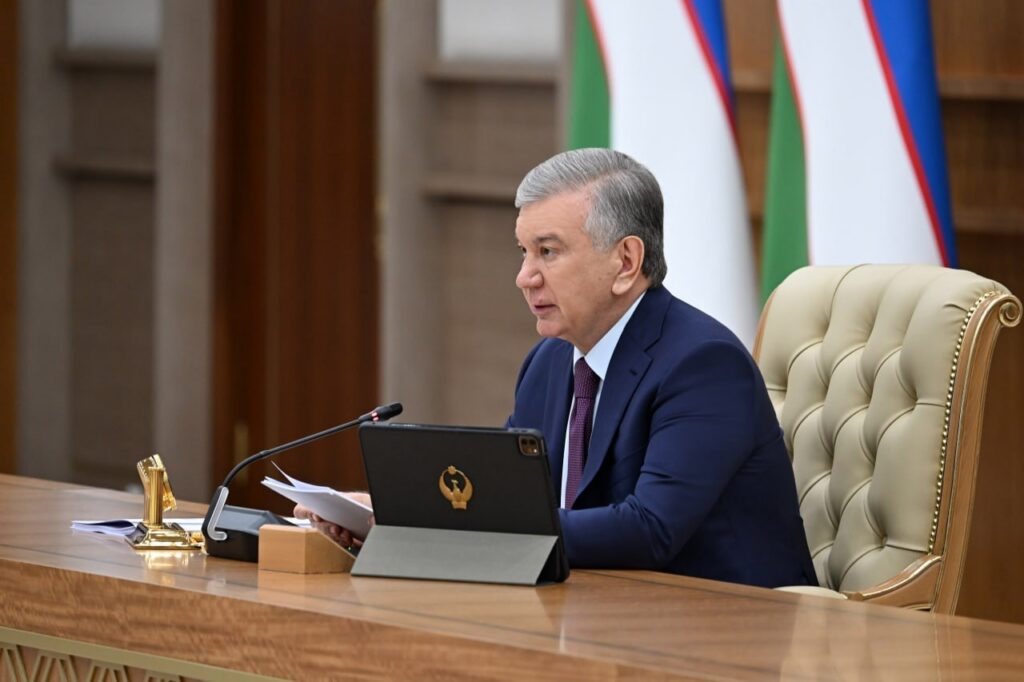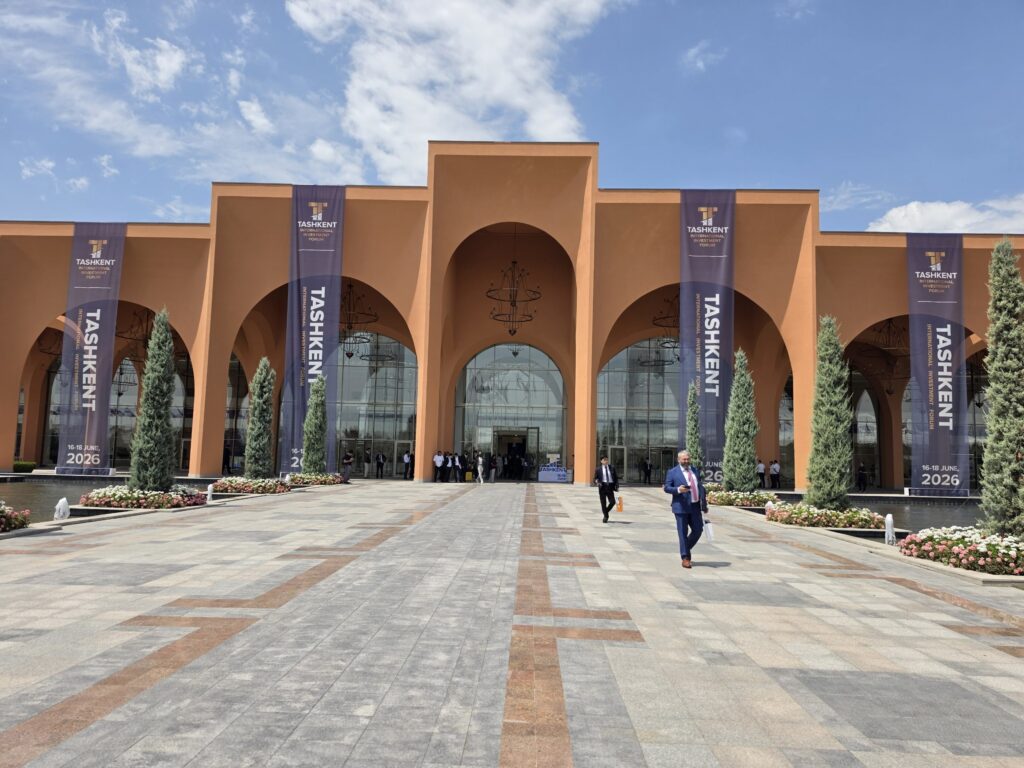
TASHKENT, June 17 — President Shavkat Mirziyoyev opened the Fifth Tashkent International Investment Forum (TIIF) on Wednesday with a message aimed squarely at the nearly 4,000 mostly foreign delegates packed into the hall: Uzbekistan’s doors are open, and the country intends to keep them that way.
Speaking under this year’s theme, “Investment Resilience: New Frontiers, New Partnerships,” Mirziyoyev framed the forum as more than a transactional venue for capital, but as a platform to initiate and deepen long-term mutually beneficial partnerships. He described what he called the “Tashkent investment spirit” — a phrase he used to capture the event’s evolution into what he called a symbol of shared success between Uzbekistan and the partners willing to back it. The sentiment ran through his closing remarks, where he told the room that “the most important partner in turning ambitious plans into reality is an investor who arrives with good intentions. Therefore, the doors of New Uzbekistan will always remain open to foreign investors who come to our country with trust and ideas.”
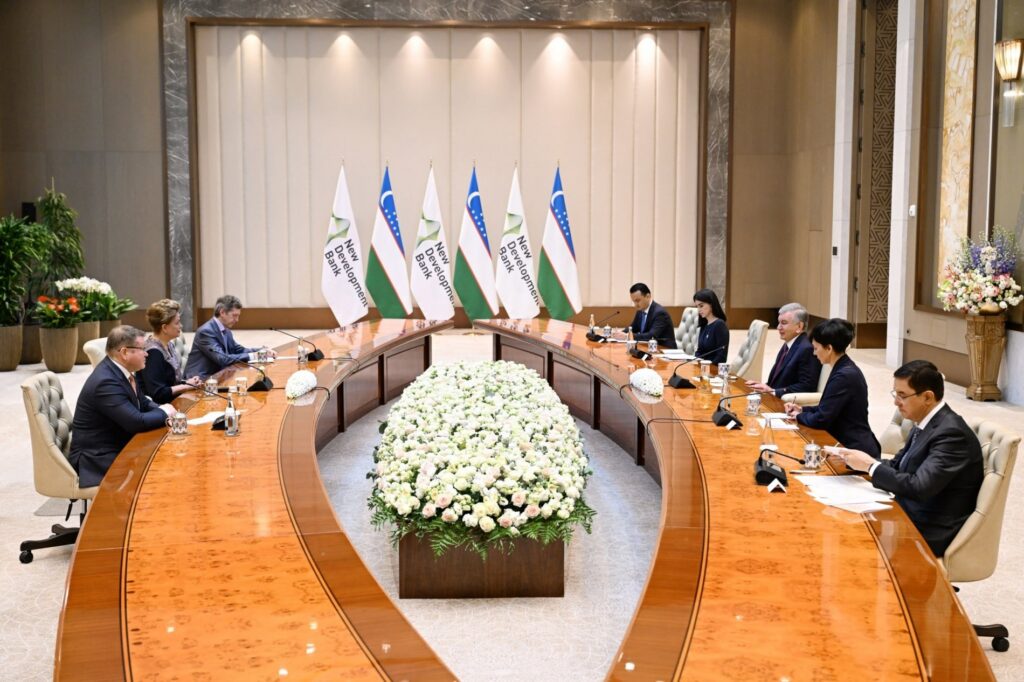
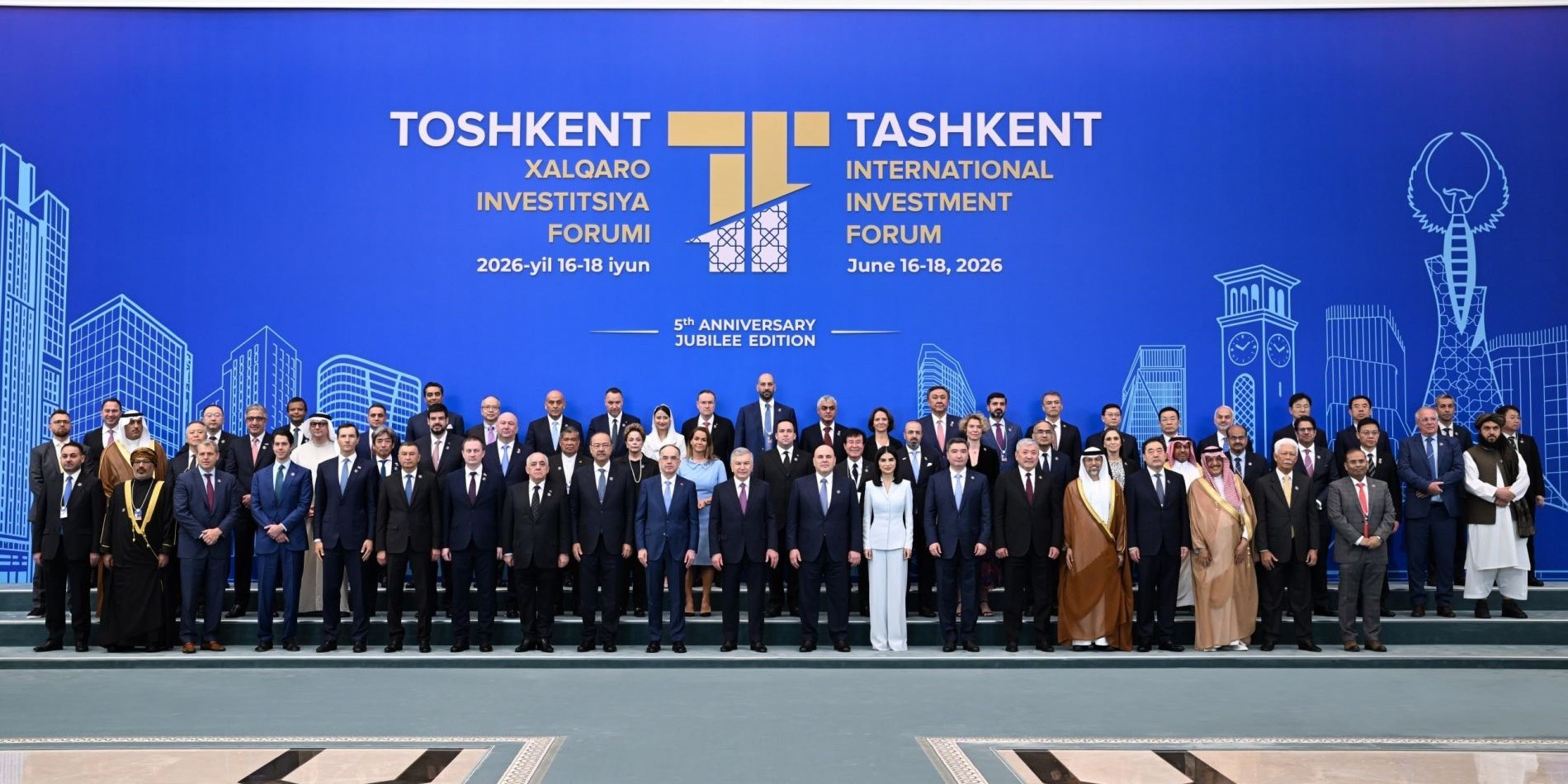
The guest list underscored the forum’s growing diplomatic prowess. Mirziyoyev personally thanked Albanian President Bajram Begaj, Russian Prime Minister Mikhail Mishustin, Belarusian Prime Minister Aleksandr Turchin, Azerbaijani Prime Minister Ali Asadov, Kazakh Prime Minister Olzhas Bektenov, Kyrgyz Cabinet Chairman Adylbek Kasymaliev, and Tajik Prime Minister Kokhir Rasulzoda, alongside senior representatives from the EBRD, the New Development Bank, the World Bank, the IFC, the Asian Development Bank, the Asian Infrastructure Investment Bank, and the European Investment Bank.
Mirziyoyev cited a series of economic indicators to support the message. Uzbekistan has secured more than $150 billion in foreign investment since launching reforms, with $123 billion arriving in the last five years. In 2025, GDP expanded by 7.7%, foreign investment climbed to $43 billion, and reserves rose above $70 billion. According to Mirziyoyev, the economy is on track to exceed $180 billion this year, comfortably outpacing the $100 billion goal announced at the first forum four years ago — a sign, he said, of sustained momentum, underscored by a 14-position improvement in the Index of Economic Freedom.
The pledges come as Uzbekistan seeks to deepen the economic opening launched under Mirziyoyev, with officials using the forum to market legal guarantees, capital-market reforms and new infrastructure projects to foreign investors.
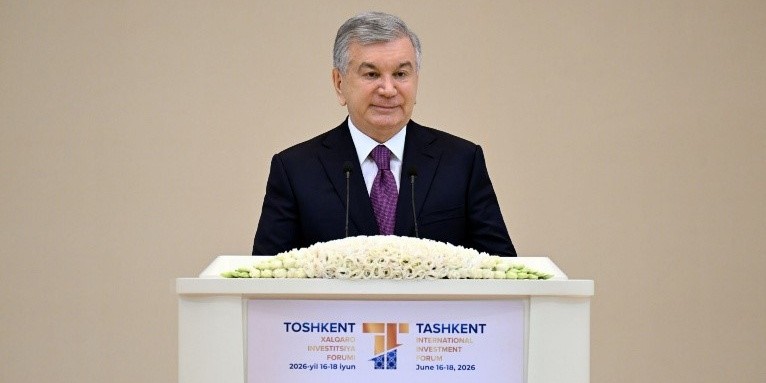
Mirziyoyev structured the rest of his address around six priorities. The first centers on legal guarantees for investors, anchored by the new Tashkent International Financial Center — a zero-tax-rate zone for corporate income, VAT, property, and customs duties, governed by English common law and backed by an independent commercial court staffed with foreign judges. The second targets capital markets, building on $16 billion in international bond placements and the recent National Investment Fund listing, which he called the London Stock Exchange’s largest IPO in five years, with sovereign “sukuk issuance” planned next.
The third priority is industrial value addition. Here, Mirziyoyev pointed to Uzbekistan’s $3 trillion in estimated subsoil wealth and announced that foreign investment will be extensively channeled into the “Metals of the Future” technoparks being established in the Tashkent and Samarkand regions, designed to carry projects from mining through to finished products. The fourth priority paired green energy — a push toward 54% renewable generation — with artificial intelligence, including a tax-exempt AI and data-center zone in Karakalpakstan running through 2040.
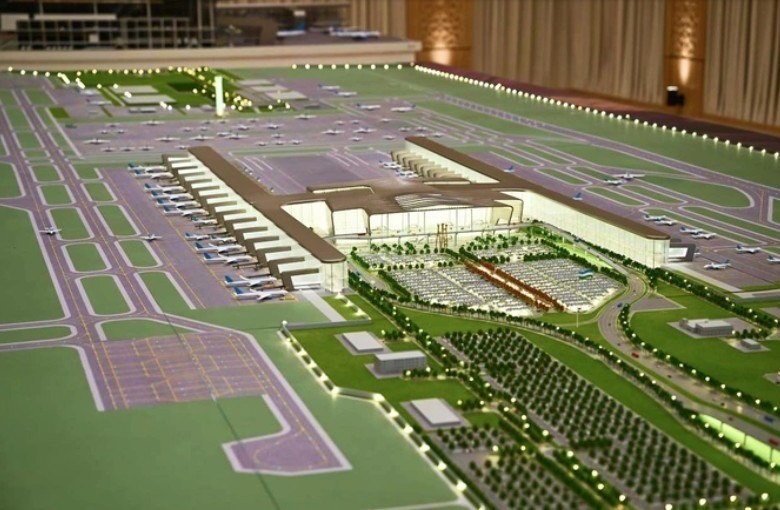
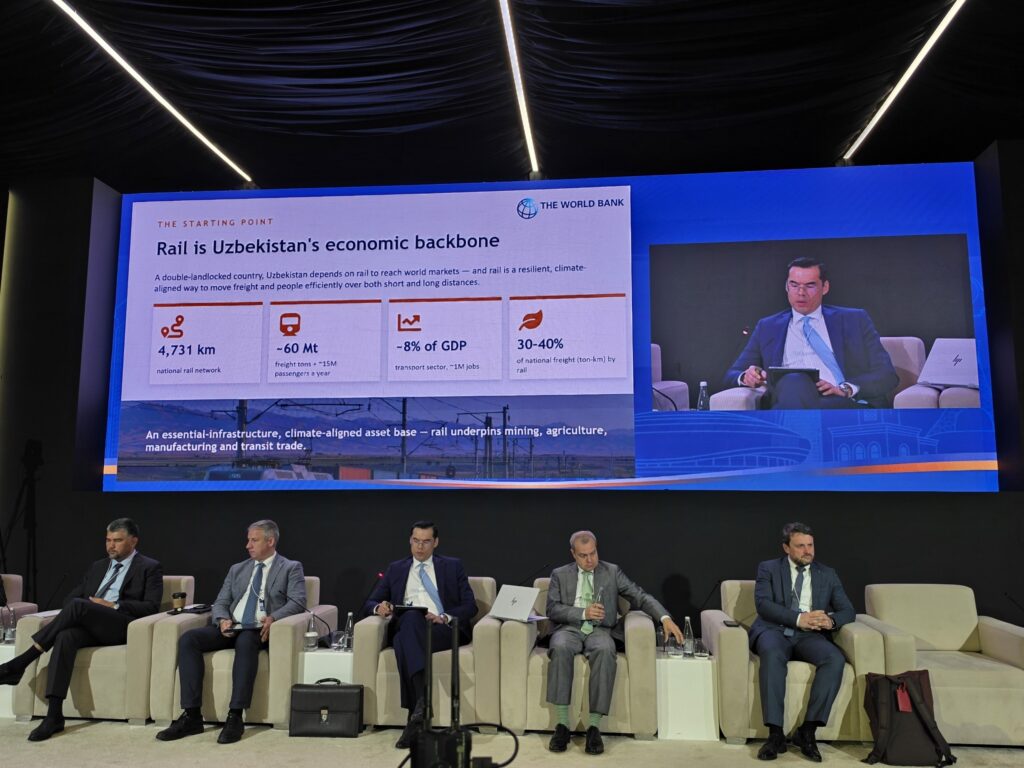
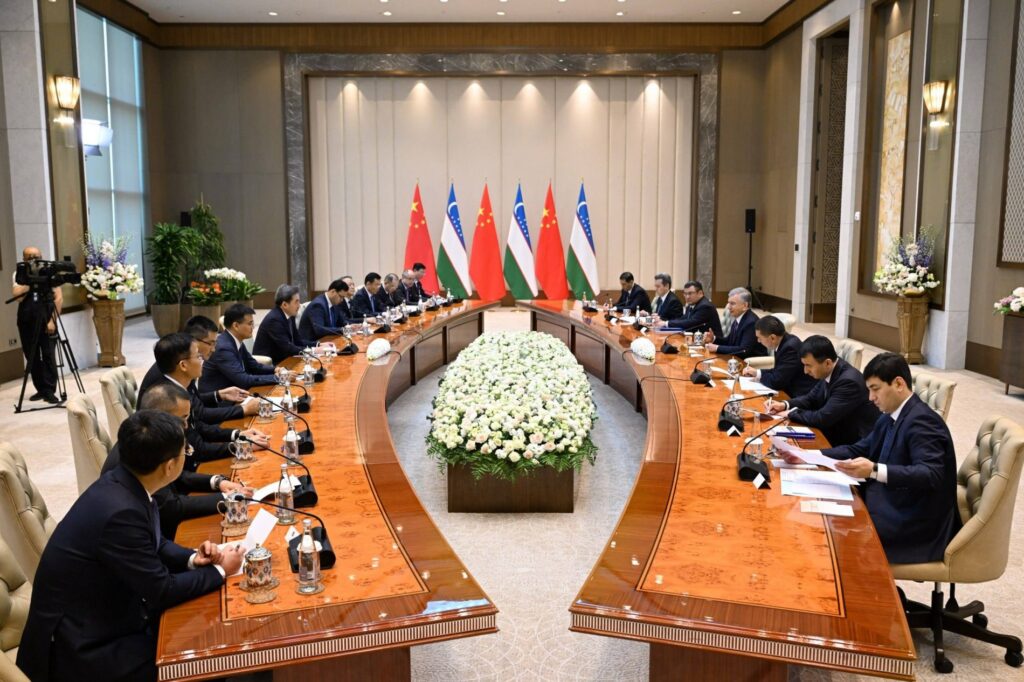
The fifth priority, regional connectivity, featured some of the speech’s clearest infrastructure pledges. Mirziyoyev pointed to three transport corridors developing simultaneously: a strategic railway project with China and Kyrgyzstan, the Trans-Afghan Corridor providing access to southern seaports, and the Middle Corridor across the Caspian Sea. Together, these initiatives are intended to strengthen Uzbekistan’s role in the wider East-West and North-South Eurasian transport networks. He also highlighted the new Tashkent International Airport, developed in partnership with Saudi partners and designed to accommodate 20 million passengers a year.
The sixth priority addressed urban and regional development, from a planned doubling of housing construction by 2040 to the New Tashkent metropolis project and ambitions to push the Andijan, Namangan, and Samarkand regions past the million-resident mark. Tourism and agriculture featured prominently too, with foreign visitor numbers up 27% over five months and fruit and vegetable exports targeted to nearly triple to $10 billion.
Mirziyoyev also welcomed the Regional Alliance of Investment Councils of Central Asia and Caucasus, an initiative led by the Asian Development Bank and EBRD, calling it a timely step toward a more harmonized regional investment space.
TIIF continues Thursday with the plenary session of the Foreign Investors Council, where Mirziyoyev said that priorities outlined on Wednesday will be translated into specific commitments with the investors now gathered in the capital.
Running beneath all six priorities, he suggested, is a single working principle: cooperation built on like-mindedness, where Uzbekistan and its partners pursue the same goals from different sides of the table. Investment, in this framing, is not a one-way transfer of capital but a partnership structured so both sides gain — foreign investors finding returns and access to a fast-growing market, and Uzbekistan gaining the technology, jobs, and expertise needed to build out the nation and improve the lives of its citizens. It is that alignment of mutual benefit with national development that Mirziyoyev and his government have come to describe as the Tashkent Investment Spirit.