• KGS/USD = 0.01144 0%
  • KZT/USD = 0.00212 0%
  • TJS/USD = 0.10432 -0.29%
  • UZS/USD = 0.00008 0%
  • TMT/USD = 0.28490 0%
  • KGS/USD = 0.01144 0%
  • KZT/USD = 0.00212 0%
  • TJS/USD = 0.10432 -0.29%
  • UZS/USD = 0.00008 0%
  • TMT/USD = 0.28490 0%
  • KGS/USD = 0.01144 0%
  • KZT/USD = 0.00212 0%
  • TJS/USD = 0.10432 -0.29%
  • UZS/USD = 0.00008 0%
  • TMT/USD = 0.28490 0%
  • KGS/USD = 0.01144 0%
  • KZT/USD = 0.00212 0%
  • TJS/USD = 0.10432 -0.29%
  • UZS/USD = 0.00008 0%
  • TMT/USD = 0.28490 0%
  • KGS/USD = 0.01144 0%
  • KZT/USD = 0.00212 0%
  • TJS/USD = 0.10432 -0.29%
  • UZS/USD = 0.00008 0%
  • TMT/USD = 0.28490 0%
  • KGS/USD = 0.01144 0%
  • KZT/USD = 0.00212 0%
  • TJS/USD = 0.10432 -0.29%
  • UZS/USD = 0.00008 0%
  • TMT/USD = 0.28490 0%
  • KGS/USD = 0.01144 0%
  • KZT/USD = 0.00212 0%
  • TJS/USD = 0.10432 -0.29%
  • UZS/USD = 0.00008 0%
  • TMT/USD = 0.28490 0%
  • KGS/USD = 0.01144 0%
  • KZT/USD = 0.00212 0%
  • TJS/USD = 0.10432 -0.29%
  • UZS/USD = 0.00008 0%
  • TMT/USD = 0.28490 0%

Kazakhstan Drafts New Migration Policy Concept Through 2030

Kazakhstan’s Ministry of Labor and Social Protection has developed a draft Concept of Migration Policy through 2030, aimed at fostering a more balanced approach to migration management while mitigating associated risks. The proposal is currently under government review.

A central element of the draft is the enhancement of migration monitoring via the digital platform migration.enbek.kz. This platform will integrate data from multiple ministries to create a unified system for tracking internal, inbound, and outbound migration. The goal is to strengthen forecasting, analysis, and decision-making through improved access to real-time migration data.

The policy also places significant emphasis on internal labor migration. Particular attention is given to internal relocants and, ethnic Kazakhs returning from abroad. The draft proposes annual regional quotas to incentivize resettlement in northern, eastern, and central regions of the country. These measures will be complemented by initiatives to boost rural incomes, support small businesses, and promote agricultural cooperatives. Officials believe this strategy will help redistribute labor resources and bolster regional demographic stability.

On the external migration front, the concept outlines measures to protect the rights of Kazakhstani citizens working abroad, attract skilled foreign professionals and international students, and enhance support for returning Kazakhs. Proposed tools include bilateral labor agreements, expanded digital monitoring, and the development of specialized universities to aid in the educational and cultural integration of returnees.

Internal migration remains one of the country’s most pressing challenges, as major urban centers such as Almaty and Astana continue to attract young people from less developed regions, exacerbating regional disparities. The new policy aims to address these imbalances by providing targeted support for underpopulated areas.

ADB Approves $3M for Glacier Monitoring in Tajikistan

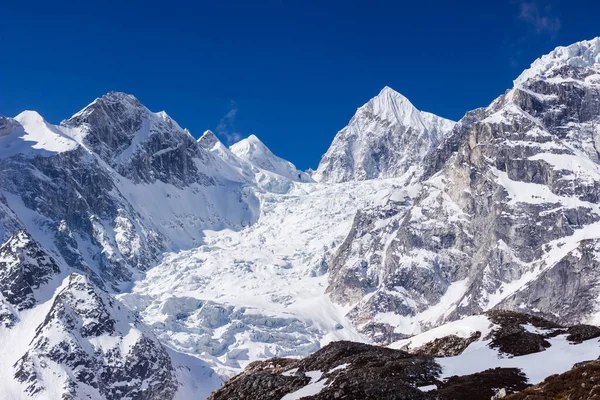
The Asian Development Bank (ADB) has approved a $3 million grant to enhance Tajikistan’s glacier monitoring and natural disaster warning capabilities. The initiative aims to reduce risks linked to accelerated snow and ice melt, particularly in the country’s mountainous regions, and improve public safety.

The grant is financed by the Japan Fund for Prosperous and Sustainable Asia and the Pacific (JFSB), which is supported by the Government of Japan through the ADB.

Ko Sakamoto, ADB’s Permanent Representative in Tajikistan, emphasized the project’s importance for the country. “Glaciers and snow are important for water supply, agriculture, and hydropower, but their rapid melting caused by extreme weather events can trigger devastating floods, avalanches, and other disasters,” he said.

Sakamoto noted that the initiative will provide Tajikistan with modern tools for forecasting and responding to climate-related threats. The project is scheduled to be completed by 2029, with most activities to be implemented in high-risk areas of the Gorno-Badakhshan Autonomous Region.

The Hydrometeorological Agency has been designated as the project’s executive body. Among the key components is the creation of a unified digital data system to improve the accuracy and timeliness of glacier and snow cover monitoring. The system will enhance the collection, storage, and analysis of data critical for disaster risk assessment.

To manage the new infrastructure, technical specialists from the Hydrometeorological Agency will receive training in modern monitoring and data management methods. The project also emphasizes the active inclusion of women in the training process, aligning with ADB’s commitment to inclusive development.

Improving early warning systems is another central element of the initiative. Plans include updating disaster risk management strategies, strengthening coordination between local authorities and communities, and enhancing the clarity and timeliness of public alerts related to glacial and snowmelt hazards.

Tajikistan joined the ADB in 1998. Since then, the partnership has supported a wide range of infrastructure and development projects, including the modernization of major highways, such as the Obigarm-Nurobod, Dushanbe-Bokhtar, Aini-Penjikent, Dushanbe-Tursunzade, and Vose-Khovaling corridors, as well as the restoration of irrigation systems, expansion of water supply networks, and construction of schools and hospitals.

Taliban Dismiss Thousands of Tajik and Uzbek Fighters

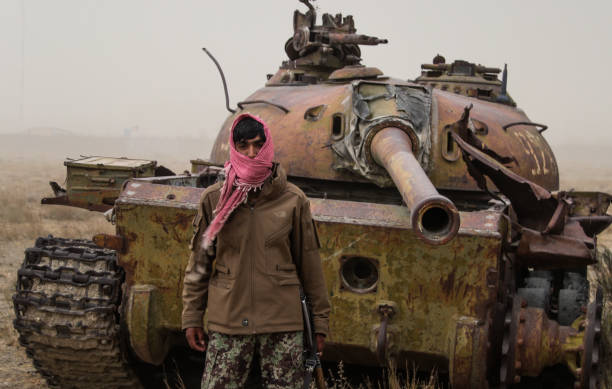
The United Nations Security Council has released a new assessment on Afghanistan, revealing that the Taliban have reduced their security forces by approximately 20%. According to Afghanistan International, which cited the UN document, thousands of ethnic Tajik and Uzbek fighters have been dismissed, particularly in provinces where these groups made up a significant portion of Taliban ranks.

The downsizing order reportedly came from Taliban leadership and was attributed to budgetary constraints. While the UN document does not explicitly state that the dismissals were ethnically motivated, it notes that the concentration of personnel cuts in Tajik and Uzbek-majority provinces, most notably Badakhshan, Kapisa, Parwan, and Takhar, has raised concerns about possible ethnic discrimination.

Taliban officials have previously justified the reduction by claiming their security apparatus had become excessively large. However, the UN warned that the force reduction is occurring amid rising security threats, especially from Islamic State Khorasan Province (ISKP).

According to the report, ISKP has ramped up operations by leveraging modern technologies, including artificial intelligence, to create training materials, some of which reportedly instruct on the assembly of improvised explosive devices. UN sanctions monitors cautioned that this technological advancement, combined with a diminished Taliban security presence, could heighten instability across the country.

Although the Taliban have conducted operations against ISKP since early 2025, the extremist group remains resilient. The UN also highlighted that the Taliban continue to publicly deny ISKP’s presence in Afghanistan while simultaneously accusing neighboring countries of supporting the group. Despite this, the Taliban have sought international counterterrorism assistance to confront ISKP.

The report estimates that more than 20 international and regional terrorist organizations remain active in Afghanistan. These include Al-Qaeda, Tehrik-i-Taliban Pakistan, the Turkistan Islamic Movement, the Islamic Movement of Uzbekistan, and Jamaat Ansarullah. According to the UN, the Taliban have incorporated some former members of these groups into local security units, prompting concerns about ideological alignment and infiltration.

The document further notes that advanced weaponry and military equipment are entering Afghanistan through cross-border smuggling and black market channels. Reports have also emerged of drone attacks targeting military sites in Pakistan. The Taliban are allegedly seeking technical support to expand their drone capabilities, with some countries reporting possible Al-Qaeda involvement in drone production sites in Logar and Kabul.

Tensions also flared along the Tajik-Afghan border in late October. Armed clashes were reported on October 25 between Tajik border guards and Taliban fighters in the Davanga district of Shahr-e Buzurg, located in Badakhshan province. The confrontation reportedly stemmed from a dispute over water diversion from the Amu Darya river. The presence of Chinese-operated gold mining facilities in the area has further complicated the region’s security dynamics.

Kazakhstan to Host International Genetic Resources Bank

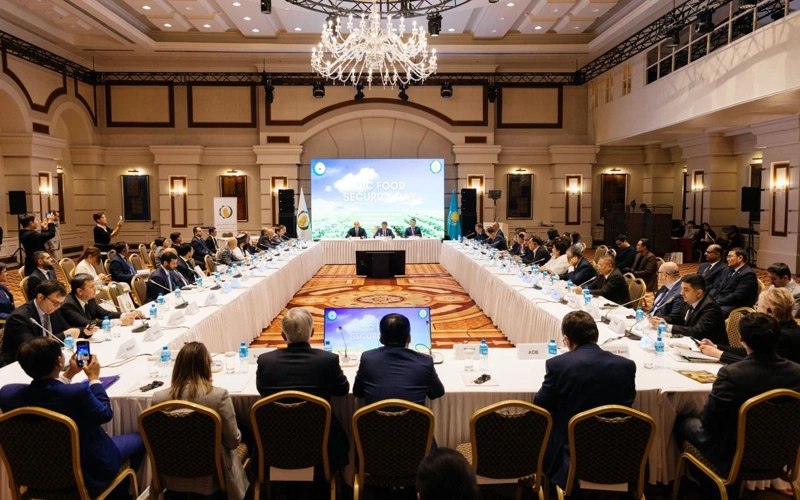
Kazakhstan will host an international genetic resources bank following unanimous approval from the 57 member states of the Organization of Islamic Cooperation (OIC). The initiative, spearheaded by the Islamic Organization for Food Security (IOFS), aims to preserve the biological diversity of agricultural crops and foster scientific collaboration among OIC countries.

“One of the key initiatives we plan to implement in Kazakhstan is the creation of a Genetic Resources Bank, or an international genetic bank. Its goal is to preserve the biological diversity of agricultural crops,” said Berik Aryn, Director General of the IOFS, speaking at a roundtable in Astana marking OIC Food Security Day.

According to Aryn, the government of Kazakhstan has already expressed its readiness to host the facility, and a project roadmap has been completed. The Qatar Fund for Development (QFFD) has pledged approximately $2 million to finance the first phase.

“We expect to begin practical implementation of the project next year and complete the creation of the bank by 2029,” Aryn said.

He cited the Svalbard Global Seed Vault in Norway as a comparable model but noted that the Kazakh bank would offer broader functionality. The project will eventually include a research center focused on crop breeding and the development of varieties resistant to climate change, drought, and other environmental stresses.

“We want this gene bank to eventually become a full-fledged research center where scientists from OIC countries can work on creating new crop varieties that are resistant to climate change, drought, and other adverse factors, as well as on increasing yields,” Aryn added.

The specific location is still under consideration, though the Almaty region is currently the most likely candidate due to its favorable climatic conditions.

“Genetic material varies: some samples can be stored for decades, while others require regular updating and cultivation on site. In terms of climatic conditions, the Almaty region is the optimal region,” Aryn noted.

In parallel with the gene bank initiative, IOFS is also advancing projects across Central Asia that promote the use of biochar to rehabilitate degraded soils. Biochar, a carbon-rich substance produced via pyrolysis of biomass, enhances soil fertility, improves water retention, and acts as a sorbent by absorbing harmful substances.

“Biochar is a technology that is already widely used around the world, including in Arab and Asian countries. It is particularly relevant for Central Asia, as the region’s soils are often salinated. Biochar is capable of absorbing salt and significantly improving soil structure, creating favorable conditions for agriculture for decades,” said IOFS Project Manager Bakytzhan Arystanbek.

As previously reported by the Times of Central Asia, Kazakhstan launched its first agroclimatic testing site for carbon technologies, Kaz Agro Carbon, in early November.

Japan Opens First Leaders-Level Summit With Central Asia

Japan hosted its first leaders-level summit with the five Central Asian republics on Friday, marking a diplomatic advance in a relationship that has existed for more than two decades but has rarely drawn wide attention. Prime Minister Sanae Takaichi opened the “Central Asia + Japan” summit in Tokyo, with discussions set to continue through December 20. The summit elevates a dialogue that until now has been conducted mainly at foreign ministers’ or senior diplomatic levels. Japan launched the original “Central Asia + Japan” initiative in 2004 to build cooperation with the Central Asian states through economic, educational, and political channels.

In a bilateral meeting linked to the summit, Japanese Foreign Minister Toshimitsu Motegi met with his Tajik counterpart Sirojiddin Muhriddin, with the two sides agreeing on a cooperation program covering 2026–2028 and an investment treaty. These agreements represent the most concrete, publicly documented outcomes from the summit’s opening day and highlight Japan’s focus on strengthening bilateral ties alongside the broader multilateral dialogue. In parallel with the leaders’ meeting, Japan is hosting a “Central Asia + Japan” business forum organized by the Ministry of Economy, Trade and Industry to promote trade and private-sector cooperation.

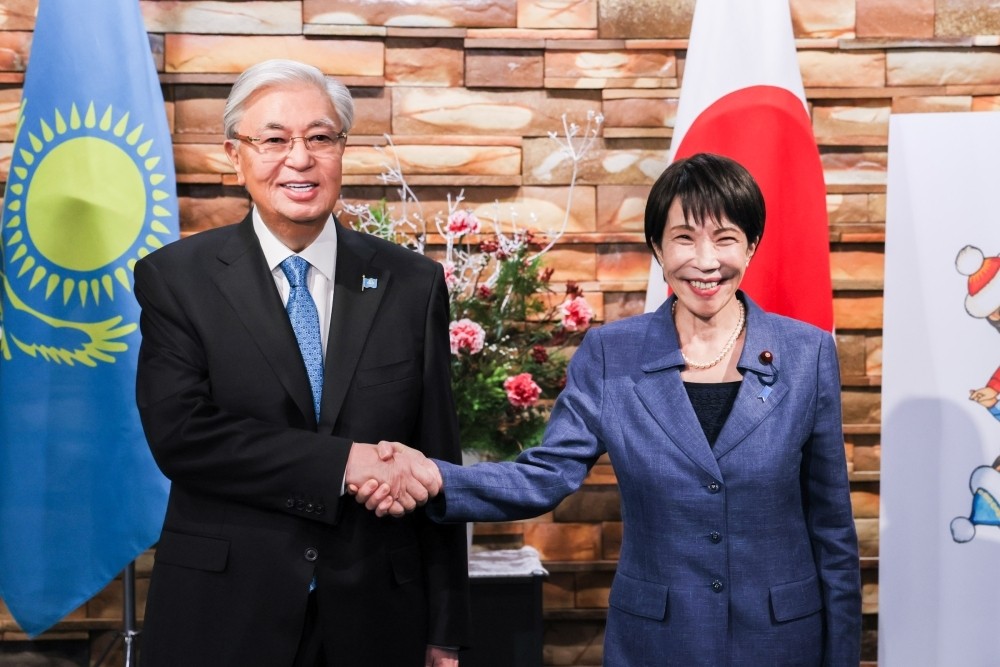
The leaders’ summit follows high-level bilateral diplomacy earlier in the week. On December 18, Prime Minister Takaichi met Kazakh President Kassym-Jomart Tokayev in Tokyo, where the two leaders signed a strategic partnership statement focused on energy, critical minerals, and expanded cooperation.

Central Asia’s geopolitical significance has increased in recent years as its governments pursue multi-vector foreign policies aimed at broadening their external partnerships beyond traditional ties with Russia and China. Japan’s decision to elevate its dialogue with the region reflects this shift and Tokyo’s effort to remain an active partner amid growing engagement from the European Union, the United States, South Korea, and others.

For Friday, the summit’s significance lies less in headline announcements than in its symbolism and early bilateral outcomes. The opening confirmed Japan’s intent to engage Central Asia at the highest political level, with broader commitments expected once the leaders conclude their talks and release a joint statement or action plan.

Astana Student’s Horse Milk Video Makes Finals of “Breakthrough” Science Contest

Another Kazakh scientist received an accolade this month, after 17-year-old Tomiris Abylkairova from Astana was voted into the final 16 of the prestigious international Breakthrough Junior Challenge.

The Breakthrough contest, an initiative of the Breakthrough Challenge Foundation in the United States, is a global science competition for young people aged 13-18. Held for the last 11 years, students are invited to create videos of up to two minutes in length that explain a particular concept or theory in the area of life sciences, physics or mathematics. 

Abylkairova’s video has a Kazakh flavor, quite literally, as she uses her two minutes to discuss how fermented foods such as kymyz (horse’s milk) influence gene regulation.

Her animated video was among the top 16 in a public vote, sending her to the finals after receiving a high number of “likes” on the event website. Collectively, the 30 submitted videos were viewed more than 300,000 times.

Abylkairova, a student at Haileybury Astana School who also competes in national fencing championships, commented: “Representing Kazakhstan internationally is both an honor and a responsibility. For me it’s a chance to contribute to my country’s intellectual, scientific, and cultural legacy while engaging in meaningful global dialogue and research.” 

She added: “I’m proud to help demonstrate that young people from Kazakhstan can make impactful, long-term contributions to the global scientific community”.

Isabella Leonel Lelles, also 17, from Brazil, was the overall top scorer in the popular vote, with more than 66,000 likes for her video on the protein folding problem. The videos of the 16 finalists will now be reviewed by a Selection Committee of esteemed figures in American science. It has not yet been announce when the committee will select the overall winner. The winning entry will receive $400,000, with the victorious student being awarded $250,000 in educational prizes.

Past Breakthrough Junior Challenge winners have come from Canada, India, Mauritius, Peru, the Philippines, Singapore, and the United States. Alumni have gone on to attend institutions including MIT, Harvard, Princeton, and Stanford.

All videos, including Abylkairova’s, can be viewed on the Breakthrough Junior Challenge’s website.