• KGS/USD = 0.01144 0%
  • KZT/USD = 0.00196 -0%
  • TJS/USD = 0.10899 -0%
  • UZS/USD = 0.00008 -0%
  • TMT/USD = 0.28490 0%
  • KGS/USD = 0.01144 0%
  • KZT/USD = 0.00196 -0%
  • TJS/USD = 0.10899 -0%
  • UZS/USD = 0.00008 -0%
  • TMT/USD = 0.28490 0%
  • KGS/USD = 0.01144 0%
  • KZT/USD = 0.00196 -0%
  • TJS/USD = 0.10899 -0%
  • UZS/USD = 0.00008 -0%
  • TMT/USD = 0.28490 0%
  • KGS/USD = 0.01144 0%
  • KZT/USD = 0.00196 -0%
  • TJS/USD = 0.10899 -0%
  • UZS/USD = 0.00008 -0%
  • TMT/USD = 0.28490 0%
  • KGS/USD = 0.01144 0%
  • KZT/USD = 0.00196 -0%
  • TJS/USD = 0.10899 -0%
  • UZS/USD = 0.00008 -0%
  • TMT/USD = 0.28490 0%
  • KGS/USD = 0.01144 0%
  • KZT/USD = 0.00196 -0%
  • TJS/USD = 0.10899 -0%
  • UZS/USD = 0.00008 -0%
  • TMT/USD = 0.28490 0%
  • KGS/USD = 0.01144 0%
  • KZT/USD = 0.00196 -0%
  • TJS/USD = 0.10899 -0%
  • UZS/USD = 0.00008 -0%
  • TMT/USD = 0.28490 0%
  • KGS/USD = 0.01144 0%
  • KZT/USD = 0.00196 -0%
  • TJS/USD = 0.10899 -0%
  • UZS/USD = 0.00008 -0%
  • TMT/USD = 0.28490 0%
08 December 2025

Uzbekistan and Taliban Sign Trade Deals as Coal Shipments Pivot from Pakistan

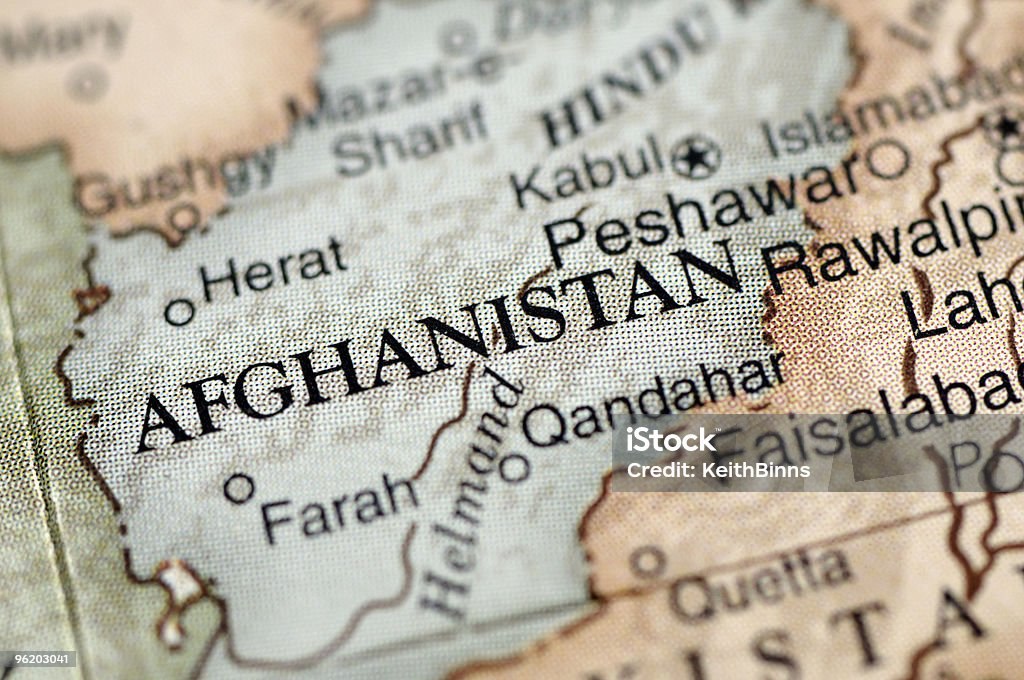
Afghanistan International has reported that the Taliban administration in Afghanistan’s Balkh province has signed new trade agreements with Uzbekistan, signaling a shift in Kabul’s commercial strategy amid growing tensions with Pakistan. According to Haji Zaid, spokesperson for the Taliban-appointed governor in Balkh, Afghan coal will now be exported to Uzbekistan under the newly signed agreements, replacing previous shipments to Pakistan.

In exchange, Uzbekistan will export cement and pharmaceuticals to Afghanistan. Zaid stated that the Taliban, in response to border closures and disrupted trade with Pakistan, is seeking to strengthen economic ties with neighboring countries, particularly Uzbekistan and Iran.

Persian-language media also reported that Taliban officials are increasingly urging Afghan traders to seek alternative commercial and transit routes. The Taliban’s Ministry of Finance has claimed that the deterioration of trade with Pakistan has had “no negative impact” on Afghanistan’s overall trade volume, asserting that customs revenues have remained stable. The ministry added that it would fully support traders using new trade corridors.

However, Afghan economic experts have challenged the Taliban’s claims. Economist Reza Farzam told local media that assertions about Pakistan’s trade freeze having no impact are misleading, arguing that Afghanistan currently lacks sufficient substitutes for its traditional transit infrastructure through Pakistan. Earlier, Pakistan’s Dawn newspaper reported that the month-long closure of the Torkham border crossing caused more than $4.5 billion in economic losses on both sides of the border.

The latest agreements build on earlier announcements that Uzbekistan plans to import Afghan coal as part of broader efforts to balance bilateral trade. During a recent visit to Kabul, an Uzbek delegation expressed interest in purchasing coal, resulting in private-sector deals worth $4.5 million. Discussions also covered trade incentives, joint exhibitions, and a proposal from Uzbekistan to construct a cement plant in Afghanistan’s Samangan region.

The Taliban administration has further stated that Afghan agricultural products will be exported to Central Asia, South Asia, and Europe via air corridors through Uzbekistan, as part of a wider strategy to diversify the country’s trade routes.

Kazakhstan to Ban Untrustworthy Sellers from E-Commerce Marketplaces

Kazakh authorities are moving to strengthen regulations for sellers operating on online marketplaces. According to Bolat Tanabergenov, chairman of the Consumer Protection Committee under the Ministry of Trade and Integration, sellers found to have violated consumer rights could be banned from conducting business on online platforms.

A surge in complaints related to online commerce is driving the proposed reforms. Between 2022 and 2024, the number of consumer complaints rose 5.5 times, from 2,500 to 14,500, according to ministry data. In the first ten months of 2025 alone, over 15,000 complaints were filed against sellers in the e-commerce sector. With digital trade expanding rapidly, Tanabergenov warned that the volume of complaints is likely to increase further.

The committee has proposed legal amendments that would require marketplaces to sign agreements with sellers that mandate compliance with the Consumer Protection Law. This would make both the seller and the hosting platform jointly liable for any violations. Under the new framework, businesses that break consumer protection rules could be barred from accessing e-commerce platforms altogether.

The expanding role of digital trade in Kazakhstan’s economy underpins the urgency of the reforms. As previously reported by The Times of Central Asia, the country’s e-commerce turnover exceeded $4.2 billion in 2023, rising to $6.1 billion in 2024, according to the National Statistics Bureau.

Meanwhile, total consumer complaints continue to rise. Tanabergenov reported that in 2020, authorities registered around 21,000 complaints. That number climbed to 62,500 in 2024, and in the first ten months of 2025, approximately 68,000 complaints had already been recorded.

In offline retail, consumers most commonly report refusals to exchange goods or issue refunds for defective products. Online complaints tend to focus on a lack of product or seller information, discrepancies between advertised and delivered goods, refusal to refund payments, and fraudulent activity.

According to the Consumer Protection Committee, 37% of complaints were fully resolved, with one in three consumers receiving compensation. Another 34% received legal advice or clarification, while 23% of complaints were transferred to other government bodies for further investigation.

Tajik Border Guards Deploy Drones to Intercept Afghan Smugglers

Tajikistan’s border service has reported the elimination of a group of drug smugglers attempting to cross into the country from Afghanistan, according to a broadcast by Tajik state television on November 22.

The State Committee for National Security stated that the incident occurred late on November 20 in the Hamadoni district, where border guards detected an illegal crossing at 22:50. Afghan smugglers were located and targeted using a domestically produced drone, marking the first time Tajik border forces have used locally developed unmanned aerial technology in such an operation.

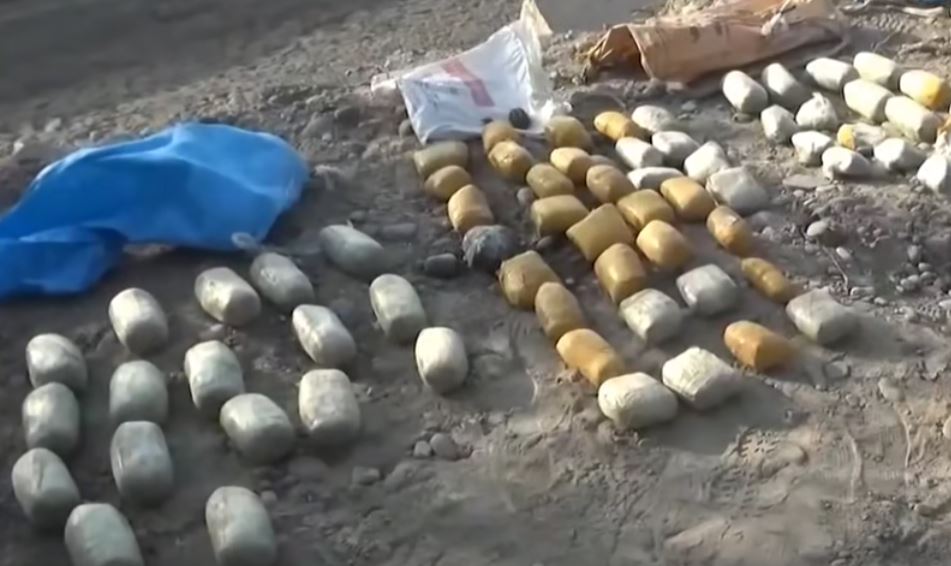
Authorities said that on the morning of November 21, officers discovered the bodies of two Afghan nationals at the site, along with five sacks containing 116 packages of narcotics. The fate of the other members of the group remains unclear, as the report did not specify whether they were detained or escaped.

State television noted an uptick in confrontations with Afghan drug traffickers over the past six months. The border service recorded ten armed incidents during this period, up from six in the first half of 2024. Four Afghan citizens were killed in these encounters. Most clashes occurred near Afghanistan’s Badakhshan province, a region where smugglers are known to carry weapons and modern equipment.

Tajikistan continues to serve as a critical transit route for narcotics originating in Afghanistan. In the first half of 2025, authorities seized 1.69 tons of drugs in border regions, accounting for more than half of all narcotics confiscated nationwide.

Officials attribute the increased smuggling activity to ongoing instability in Afghanistan, which has prompted Tajikistan to tighten border security and deepen international cooperation in anti-narcotics efforts.

From Glaciers to Green Goals: Central Asia at COP30

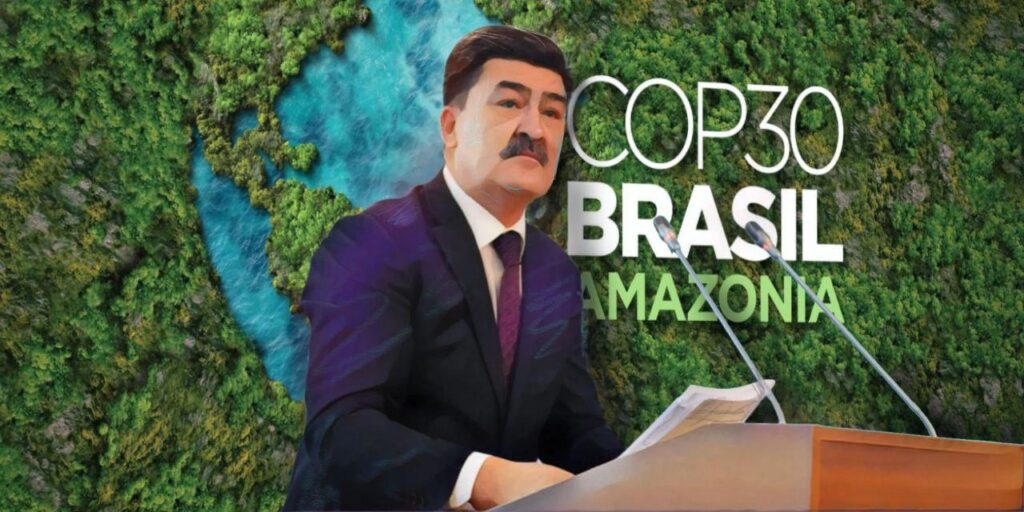
The UN Climate Change Conference (COP30) in Belém, Brazil, concluded with a hard-fought global deal that boosts climate finance for developing countries but avoids any promise to phase out fossil fuels. Amid this uneasy compromise, the Central Asian nations worked to get their priorities heard. Their delegations pressed for more climate funding, recognition of their unique vulnerabilities, and support for regional initiatives, with mixed results.

A United Regional Voice on Climate

Home to over 80 million people, Central Asia entered COP30 with a goal outlined as “five countries, one voice,” after a regional dialogue in Dushanbe ahead of the summit forged a common stance on shared threats such as melting glaciers and water stress. The region has already warmed about 2.2 °C – faster than the global average – and glaciers are shrinking by roughly 0.5% each year, Uzbekistan’s environment minister Aziz Abdukhakimov warned in Belém. He noted worsening land degradation and vanishing water resources, underscoring Central Asia’s acute climate vulnerability. In response, Uzbekistan unveiled a new pledge to cut its greenhouse gas emissions by 50% by 2035 (from 2010 levels) by expanding renewable energy and forests. Such actions align with COP30’s call for developed nations to triple adaptation finance by 2035 to help vulnerable countries cope. “COP30 showed that climate cooperation is alive and kicking, keeping humanity in the fight for a livable planet,” UN climate chief Simon Stiell said in his closing speech, praising delegates for persisting despite global divisions.

National Commitments and Initiatives

Kazakhstan, Central Asia’s largest economy and emitter, took on a visible role at COP30. Its delegation was led by Minister of Ecology and Natural Resources Yerlan Nyssanbayev, who addressed the summit’s opening session. Nyssanbayev reaffirmed Kazakhstan’s commitment to the Paris Agreement goals, noting the country has adopted a “Revised Nationally Determined Contribution (NDC) and a National Adaptation Plan” with more ambitious targets to cut emissions and bolster resilience. “It is crucial for us to consistently work toward achieving our climate goals,” he stated.

Nyssanbayev emphasized the importance of climate finance for developing countries, highlighting the new “Baku–Belém Roadmap” to mobilize $1.3 trillion annually by 2035 and urging support for a significantly increased funding mechanism.  Kazakhstan also became one of only seven nations – and the sole Central Asian country – to sign a joint declaration pledging “near zero” methane emissions from its fossil fuel sector. In a sign of ongoing regional leadership, Nyssanbayev invited all delegates to attend a Central Asia Regional Environmental Summit that Kazakhstan will host in 2026, aiming to sustain climate cooperation beyond COP30.

Kyrgyzstan, given its geography, used the summit to champion the mountain agenda and the plight of high-altitude communities on the frontlines of climate change. The Kyrgyz Republic chairs the UNFCCC’s Mountain Group and sent a delegation led by Deputy Chairman of the Cabinet of Ministers, Edil Baisalov, and Dinara Kemelova, the President’s Special Representative for the Mountain Agenda. In the first week of COP30, Kemelova delivered keynote remarks at multiple high-level sessions, calling for strengthened international support and financing for mountain regions. She emphasized that Central Asia’s “water towers” – its glaciers and snowpack – are rapidly receding, threatening water supplies and biodiversity, and requiring coordinated action by all UNFCCC parties.

On November 14, Kyrgyzstan convened multilateral consultations on mountains and climate change, an initiative that drew backing from over 30 countries and highlighted Kyrgyzstan’s leadership alongside partners with similar geography, including Nepal and Bhutan, to push for greater global recognition of mountain-specific climate risks. While its proposal to establish a Mountain Resilience Hub in Bishkek remains under discussion, the delegation reported growing international support for coordinated action and increased adaptation finance focused on glacier-dependent regions.

A tangible outcome was the signing of a $250 million “Glacier to Farm” project agreement between the Asian Development Bank and Green Climate Fund, aimed at helping farmers and communities in Central Asia, the Caucasus, and Pakistan adapt to glacier melt and water stress.

Tajikistan – with over 93% of its terrain dominated by mountains – arrived at COP30 focused on protecting glaciers and water resources. In the first week of the summit, Bakhodur Sheralizoda, head of Tajikistan’s Committee for Environmental Protection, cited outcomes from the UN-backed High-Level International Conference on the Preservation and Protection of Glaciers, held in Dushanbe in May 2025. Sheralizoda told delegates that over 1,000 glaciers in Tajikistan have disappeared in recent decades and warned of severe regional water stress. Despite contributing minimally to global emissions, Tajikistan is highly vulnerable to changes in glacial runoff and river flow.

At COP30, the delegation presented its national “Green Tajikistan” program, which aims to plant two billion trees by 2040 to combat erosion, restore degraded land, and sequester carbon. Sheralizoda also highlighted Tajikistan’s success in having 2025 declared the UN International Year of Glacier Preservation, urging stronger global commitments to fund climate adaptation and cryosphere research.

Uzbekistan used the summit to showcase new climate targets and policy progress. Delegates reported that the country has submitted an updated NDC as part of its long-term strategy to reach carbon neutrality by 2050. The revised NDC outlines stronger commitments tied to Uzbekistan’s “Green” Economy framework, including plans to expand renewable energy, improve energy efficiency, and restore degraded land. That pledge includes a target of 12,000 MW of renewable energy capacity by 2030 and plans to double energy efficiency across key sectors.

In Belém, Uzbekistan also promoted its national afforestation initiative, which is seeking to expand forest cover to 6.1 million hectares, including in the degraded Aral Sea zone, and increase protected areas to 14.5% of national territory. The Uzbek delegation emphasized the need for climate finance to support these projects and called for international partnerships to accelerate implementation.

Turkmenistan, one of the world’s largest methane emitters, participated in COP30 as part of the Central Asian bloc. While the country did not announce new targets, its delegation engaged in discussions on methane reduction and water resource management. Although Turkmenistan has not joined the Global Methane Pledge, it has taken nascent steps and has begun work with UNEP and the Global Methane Initiative to assess and mitigate emissions from its energy sector. Its participation in regional climate meetings signals a growing awareness of the risks it faces and the international scrutiny it draws. Turkmen officials voiced support for continued dialogue on water security and renewable energy in Central Asia.

In 2023, Turkmenistan published its first National Youth Climate Statement with support from the UN, reflecting growing public engagement on climate issues and younger generations’ calls for sustainable development and resilience.

Calls for Support and Next Steps

Throughout the summit, the Central Asian countries called for expanded international support. The final COP30 agreement encourages developed nations to triple adaptation finance by 2035, a provision regional leaders welcomed, given their shared exposure to glacial loss, drought, and extreme heat.

Regional efforts such as the Central Asia Climate Dialogue and the Regional One Health Coordination Council – which links environmental and health sectors – have gained momentum in recent years, and were referenced by stakeholders in COP30 side events. They also stressed that collective financing and technology transfers are essential if their countries are to meet targets under the Paris Agreement.

In his address, Kyrgyz Minister of Natural Resources, Meder Mashiev, underscored the country’s specific challenge, stating that Kyrgyzstan is a country with “low emissions but high climate vulnerability.” While other Central Asian nations face different climate pressures, from the high Pamirs to the Aral Sea basin, the overriding message emanating from Central Asia in Belém was clear: they are committed to action, but can’t do it alone.

ADB Commits $10 Billion to CAREC, $700 Million to Kyrgyzstan

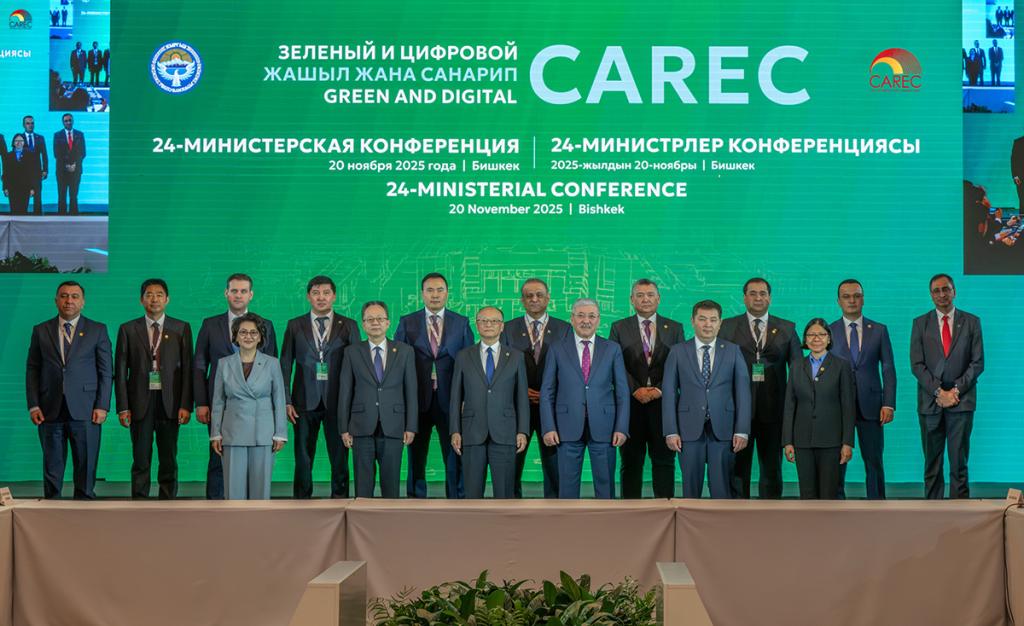
At the 24th Ministerial Conference of the Central Asia Regional Economic Cooperation (CAREC) Program held in Bishkek on November 20, Asian Development Bank (ADB) President Masato Kanda announced a commitment of more than $10 billion in financing through 2030 to strengthen regional integration, connectivity, and resilience.

The CAREC Program brings together 11 member countries – Afghanistan, Azerbaijan, China, Georgia, Kazakhstan, Kyrgyzstan, Mongolia, Pakistan, Tajikistan, Turkmenistan, and Uzbekistan – along with international development partners, to promote sustainable economic growth through regional cooperation. Since its inception in 2001, CAREC has mobilized approximately $54 billion in funding for regional projects. The ADB serves as the host institution for the CAREC Secretariat.

“Our vision for CAREC is clear: a region that is economically resilient, environmentally sustainable, socially inclusive, and digitally connected,” Kanda said in his keynote address. “We are scaling up support with over $10 billion in financing through 2030. These projects will catalyze greater integration, resilience, and shared growth.”

During the conference, ministers endorsed the Bishkek Declaration, initiating formal negotiations on trade and investment facilitation. The initiative aims to reduce cross-border barriers, increase investment flows, and promote cooperation in emerging areas such as digital trade and the green economy.

On the sidelines of the conference, Kanda met with Kyrgyz President Sadyr Japarov to reaffirm ADB’s commitment to Kyrgyzstan’s development goals. ADB plans to provide over $700 million in financing for the country between 2025 and 2027. “The Kyrgyz Republic has shown remarkable commitment to building a greener, more connected, and resilient future,” Kanda said. “As the country’s largest multilateral development partner, ADB is ready to deepen support for national priorities and strengthen Kyrgyzstan’s role as a regional leader in connectivity and clean energy.”

Kanda also met with Chairman of the Cabinet of Ministers Adylbek Kasymaliev to sign a memorandum of understanding with the Ministry of Finance. The agreement outlines a new financing framework for 2026-2027 and includes three projects under the existing 2025 framework. These focus areas include green transformation, disaster resilience, and affordable housing.

Altogether, the 2025 and planned 2026-2027 packages will provide more than $700 million in ADB support for Kyrgyzstan. Upcoming projects will aim to boost energy efficiency and climate resilience in public infrastructure, enhance water resource management and disaster preparedness, and improve access to energy-efficient housing and affordable mortgage financing.

IMF Links High Inflation in Kazakhstan to Overheating Economy

The International Monetary Fund (IMF) has attributed rising inflation in Kazakhstan to signs of an overheated economy. In a mission conducted in early November, the IMF concluded that the country’s GDP growth is exceeding its real potential, thereby fueling inflationary pressure.

While economic activity remains robust, prices continue to climb. According to the IMF’s forecast, Kazakhstan’s real GDP is expected to grow by just over 6% in 2025, up from 5% in 2024. The main growth drivers are increased oil production and elevated domestic demand. The IMF estimates that inflation could reach nearly 13% by the end of the year.

Kazakhstan’s fiscal policy remains expansionary. Transfers from the National Fund are a key contributor: in 2024, more than $12.1 billion was withdrawn from the fund, including $10.8 billion in direct transfers to the republican budget and $1.3 billion for the purchase of shares and bonds of Kazakhstani issuers.

In 2025, the government plans to cut withdrawals from the National Fund nearly in half to $5.2 billion. However, the IMF warns that the non-oil budget deficit could still exceed 8% of GDP. Elevated demand, particularly from state-owned enterprises, has also contributed to a widening current account deficit, projected at 4% of GDP.

Despite a slowdown in consumer lending and stabilization in oil production, domestic demand is expected to remain high in 2026. The IMF forecasts GDP growth at 4.5%. Over the medium term, the new Tax Code is expected to help bring inflation down to the 5% target, while GDP growth moderates to a sustainable level of around 3.5%.

According to the National Statistics Bureau, year-on-year inflation in Kazakhstan stood at 12.9% in September 2025, easing slightly to 12.6% in October. Monthly inflation was reported at 0.5%.

The IMF highlighted several risks that could exacerbate inflationary pressures. These include falling oil prices, slower economic growth among key trading partners, potential disruptions to crude exports via the Caspian Pipeline Consortium (CPC), delays in infrastructure projects, and sluggish fiscal consolidation.

Nevertheless, Kazakhstan continues to maintain one of the lowest levels of public debt in the world. At 24.8% of GDP, the country ranks 25th globally in terms of debt burden.