• KGS/USD = 0.01144 0%
  • KZT/USD = 0.00196 -0%
  • TJS/USD = 0.10899 -0%
  • UZS/USD = 0.00008 -0%
  • TMT/USD = 0.28490 0%
  • KGS/USD = 0.01144 0%
  • KZT/USD = 0.00196 -0%
  • TJS/USD = 0.10899 -0%
  • UZS/USD = 0.00008 -0%
  • TMT/USD = 0.28490 0%
  • KGS/USD = 0.01144 0%
  • KZT/USD = 0.00196 -0%
  • TJS/USD = 0.10899 -0%
  • UZS/USD = 0.00008 -0%
  • TMT/USD = 0.28490 0%
  • KGS/USD = 0.01144 0%
  • KZT/USD = 0.00196 -0%
  • TJS/USD = 0.10899 -0%
  • UZS/USD = 0.00008 -0%
  • TMT/USD = 0.28490 0%
  • KGS/USD = 0.01144 0%
  • KZT/USD = 0.00196 -0%
  • TJS/USD = 0.10899 -0%
  • UZS/USD = 0.00008 -0%
  • TMT/USD = 0.28490 0%
  • KGS/USD = 0.01144 0%
  • KZT/USD = 0.00196 -0%
  • TJS/USD = 0.10899 -0%
  • UZS/USD = 0.00008 -0%
  • TMT/USD = 0.28490 0%
  • KGS/USD = 0.01144 0%
  • KZT/USD = 0.00196 -0%
  • TJS/USD = 0.10899 -0%
  • UZS/USD = 0.00008 -0%
  • TMT/USD = 0.28490 0%
  • KGS/USD = 0.01144 0%
  • KZT/USD = 0.00196 -0%
  • TJS/USD = 0.10899 -0%
  • UZS/USD = 0.00008 -0%
  • TMT/USD = 0.28490 0%
08 December 2025

Leonid Slutsky: Scandals, Nationalism, and the Migrant Blame Game

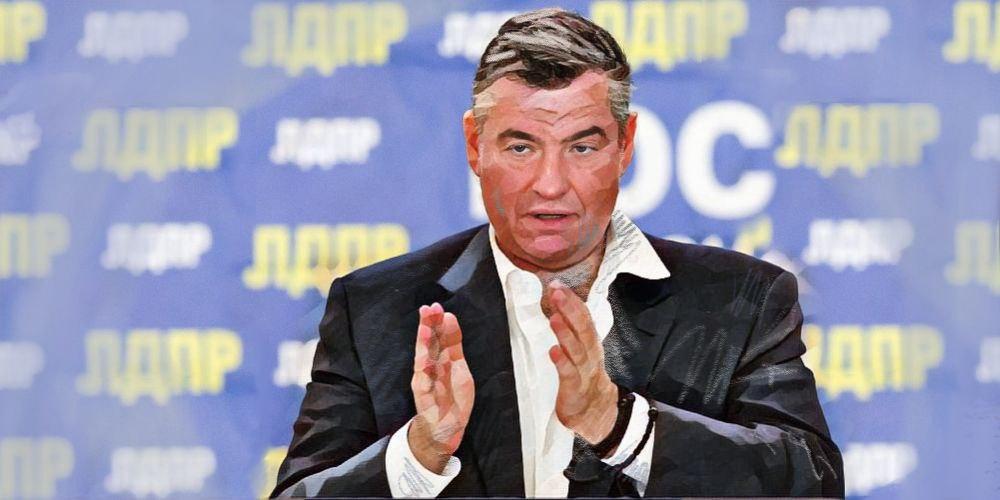
The leader of Russia’s Liberal Democratic Party (LDPR), Leonid Slutsky has long been a figure surrounded by controversy. A hardline nationalist, Slutsky’s career has been marked by allegations of corruption and harassment. Recently, his intensified rhetoric against labor migrants – including proposed restrictions on labor migrants bringing their families into the country, a requirement for foreign workers to learn Russian, and attacks on the former head of the Uzbek National and Cultural Autonomy Council in Moscow – have further spotlighted his controversial political career.

“Our people… should not suffer from boors and criminals who consider themselves masters here, gather in packs and attack people,” Slutsky stated regarding migrant workers. “If you want to make money in Russia, learn Russian, and respect our laws and traditions. In any other case, go home. We will not experiment on ourselves or our children. Our great country must be respected.”

This shift to the far-right aligns with a broader nationalist trend in Russia and raises questions about Slutsky’s intentions and the potential impact on the country and those working there.

Slutsky’s Scandal-Ridden Career

Slutsky’s political reputation has been marred by allegations of sexual harassment that surfaced in 2018, with multiple female journalists accusing him of inappropriate conduct, including a BBC correspondent whom he reportedly touched inappropriately and whom he was recorded calling a “bunny”. Despite public disquiet, a State Duma ethics panel dismissed the complaints, leading to a media boycott but no political repercussions.

This episode, as well as reports of hidden assets and extravagant wealth, including luxury properties and cars, point to a broader culture of impunity within the Russian political elite. Investigations have revealed that Slutsky’s family enjoys a lavish lifestyle, including stays at a luxury Turkish villa, private jet travel, and an elite education for his children in Switzerland, despite his declared income in 2020 of $77,000. Additionally, reports link him to high-end vehicles such as Bentleys and a Mercedes-Maybach, often financed through questionable means. To paraphrase a piece by David Szakonyi in the American Political Science Review, in Russia, corrupt politicians work less but support the regime more.

A member of the State Duma since 1999, Slutsky succeeded Vladimir Zhirinovsky as head of the LDPR in 2022. Under his leadership, the party has increasingly leaned on ultranationalist rhetoric and populist measures that appeal to disillusioned voters during times of economic strain. His recent attacks on labor migrants echo this strategy.

Weaponizing Anti-Migrant Sentiment

Slutsky’s outspoken criticism of labor migrants fits into a growing narrative in Russia that blames foreign workers for economic and social problems. Migrants, particularly those from Central Asia and the Caucasus, have been routinely scapegoated in nationalist circles, accused of taking jobs, disrupting social harmony, and contributing to crime.

While there is little evidence to support many of these claims, Slutsky is capitalizing on prevailing anxieties as a means to rally support for his party. By portraying himself and the LDPR as defenders of a nostalgia-fueled Russian identity, he hopes to appeal to conservative voters who view migrants as a threat to their way of life.

Slutsky’s rhetoric is not isolated but reflects a broader nationalist shift in Russian politics, where official messaging has increasingly emphasized “traditional values” and “Russian heritage” to consolidate power in the face of growing internal challenges. State media outlets and high-profile politicians have amplified anti-migrant rhetoric, creating a fertile ground for ultranationalist figures such as Slutsky to thrive. Nationalist groups and vigilante organizations have even begun collaborating with law enforcement to crack down on migrants, exacerbating societal divides. Slutsky’s statements have served to reinforce this divisive tone, promoting policies that deepen xenophobia while distracting from systemic issues such as corruption and declining living standards.

The Risks of Scapegoating Migrants

While Slutsky’s anti-migrant rhetoric may bolster his image among certain voters, it comes with significant risks, both at home and abroad. Migrant labor is vital to key sectors in Russia, such as construction and agriculture. Given its military actions, Russia is currently suffering from a major labor deficit estimated at five million people; alienating this migrant workforce could worsen labor shortages and strain the already fragile economy.

Nations such as Tajikistan, Kyrgyzstan, and Uzbekistan, meanwhile, heavily rely on remittances from migrant workers in Russia, with remittances contributing 32%, 20.5%, and 17.8% of their GDPs in 2022, respectively. These funds are vital for their economies and families’ livelihoods. However, recent challenges such as the COVID-19 pandemic, Russia’s invasion of Ukraine, and stricter migration policies have led to a sharp decline in remittances, dropping by 42% in Uzbekistan, 12% in Kyrgyzstan, and 8% in Tajikistan in 2023.

By focusing on migrants, Slutsky is diverting attention from pressing issues such as corruption, economic stagnation, and the erosion of personal freedoms. Furthermore, such rhetoric fuels racist violence, as seen in the rise of attacks targeting migrant communities. This tactic might serve Slutsky’s immediate political ambitions, but in the long term, it risks undermining societal cohesion and stability, and driving a wedge between Russia and its neighbors.

A Populist Move in Tumultuous Times

Slutsky’s recent anti-migrant campaign can be seen as part of a calculated strategy to harness nationalist sentiment to maintain his political relevance. By stoking fears about migrants, the head of the LDPR is positioning himself as a defender of perceived traditional Russian values, even as his personal history of scandals undermines his credibility.

However, this approach underscores the growing convergence of nationalism, populism, and state policy in Russia. Whether this strategy will solidify Slutsky and his party’s political future or simply exacerbate societal tensions remains to be seen. For now, however, his rhetoric is a stark reminder of the dangerous path Russian politics is treading, and how Central Asian migrants remain caught in the crosshairs.
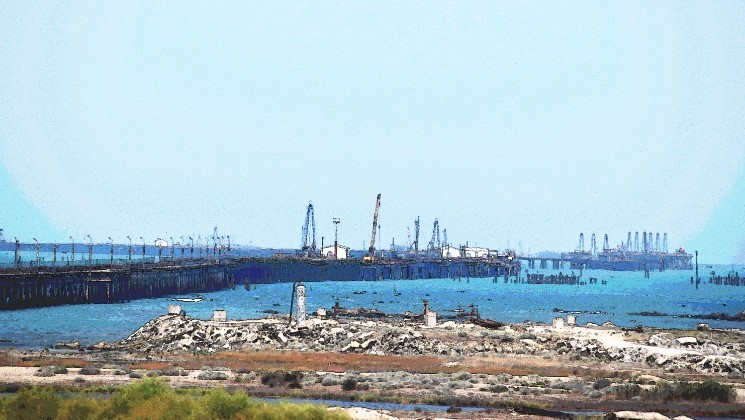

Kazakhstan Weighs OPEC+ Exit, Raising Fears of Global Oil Price War

Kazakhstan is reportedly considering a reassessment of its participation in the OPEC+ alliance, raising concerns among major global oil market players, according to Reuters.

Reuters columnist Ron Bousso Thomson noted that recent statements from Kazakhstan’s new Minister of Energy, Yerlan Akkenzhenov, emphasized prioritizing national interests over adhering to the cartel’s production quotas. In an interview with Reuters, Akkenzhenov said, “Kazakhstan will proceed from its own interests in determining production volumes”.

Such rhetoric may signal Kazakhstan’s de facto refusal to comply with OPEC+ quotas and could mark the first step toward a formal withdrawal from the alliance, which is led by Saudi Arabia. Since 2022, OPEC+ members had agreed to cut output by 5.85 million barrels per day to stabilize prices within a $70-90 per barrel range.

Production Growth Despite Restrictions

Kazakhstan has consistently exceeded its production limits. In March 2025, the country produced 1.85 million barrels of oil per day, 26% above its established quota of 1.468 million barrels. This surge is attributed to the expanded development of the Tengiz field.

Such non-compliance has reportedly irritated Saudi Arabia, which, according to IMF estimates, needs oil prices above $90 per barrel to balance its national budget. In early April, Riyadh responded by slashing oil prices for the Asian market and accelerating production increases, signaling its displeasure toward undisciplined alliance members.

Analysts warn that if tensions escalate further, Saudi Arabia could resort to drastic measures, potentially triggering a global price war.

The Danger of a Price War

The specter of a repeat of 2014, when Saudi Arabia flooded the market to push out U.S. shale producers, looms large. Should OPEC+ collapse, a supply glut could cause oil prices to plummet. Countries with higher production costs, such as Kazakhstan, would be particularly vulnerable to such a scenario.

Risks for Kazakhstan’s Budget and the Tenge

According to analysts, Kazakhstan faces significant fiscal risks. Economist Arman Beisembayev explained that citizens would not immediately feel the impact of a sharp decline in oil prices due to existing contracts, which typically take three to six months to fulfill. However, he cautioned that economic repercussions could begin to surface by the fall.

Financial analyst Andrei Chebotarev predicted that falling oil revenues would necessitate a budget revision. The current state budget is based on an oil price of $75 per barrel and an exchange rate of 470 tenge per U.S. dollar. In reality, oil prices are trending toward $65, and the tenge has depreciated to 518 per dollar.

“Most likely, the government will increase withdrawals from the National Fund and revise budget expenditures. Devaluation may also become inevitable to balance the budget under new realities,” Beisembayev added.

Global Turbulence and Geopolitical Factors

Experts highlight that the policies of U.S. President Donald Trump’s administration, particularly the escalation of trade conflicts, have played a significant role in destabilizing global markets. Newly imposed U.S. tariffs have already dampened global oil demand.

“For developed countries, cheap oil is a boon. But for Kazakhstan, it poses risks and a threat of recession,” Beisembayev added.

In the current climate of declining demand and rising supply, Kazakhstan faces a difficult choice: to assert its independence in setting production levels or to remain within OPEC+, compromising on national priorities. Either decision will have profound implications for both the global oil market and Kazakhstan’s domestic economic stability.

Kyrgyz Bank Launches Loan Self-Limitation to Fight Fraud and Boost Cybersecurity

For the first time in Kyrgyzstan’s financial market, a state-owned bank has introduced a self-limitation service on loans, aiming to strengthen cybersecurity and protect citizens from financial fraud.

A New Step Toward Cybersecurity

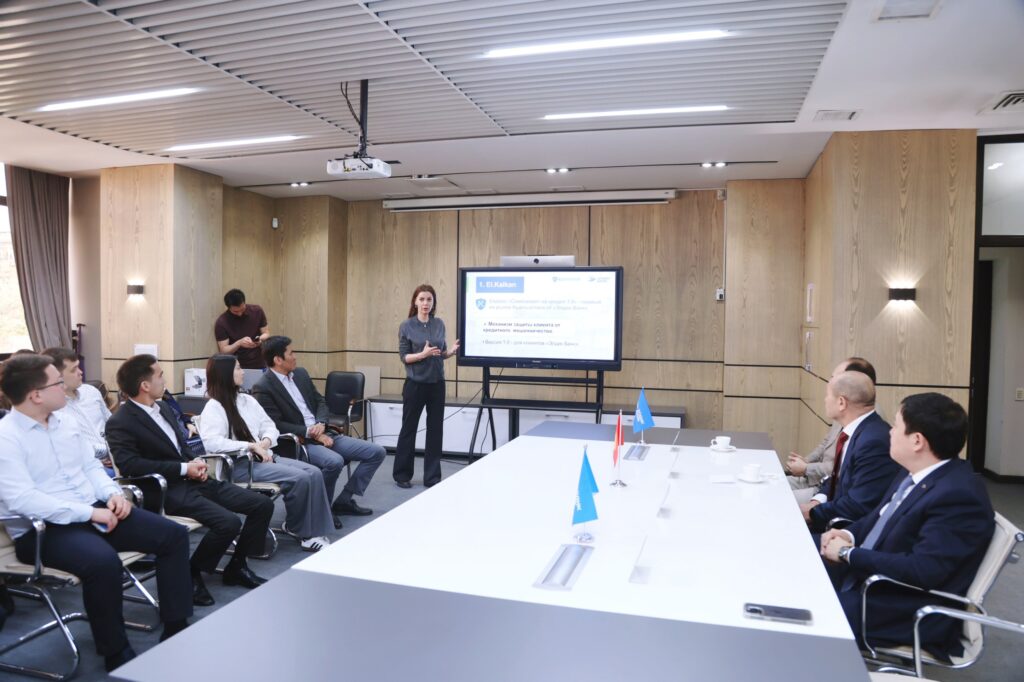
According to the Union of Banks of Kyrgyzstan, Eldik Bank, a state-owned institution, has launched a digital self-limitation service for its clients. The bank believes the mechanism could significantly enhance cybersecurity across the entire banking sector, especially if commercial and other state banks adopt the initiative as well.

Earlier, the National Bank of the Kyrgyz Republic (NBKR) had started examining international experiences regarding self-prohibition of online loans and the feasibility of implementing such a practice domestically. The NBKR notes that a self-ban mechanism could not only shield customers from fraud but also encourage more informed decision-making when applying for loans.

The Union of Banks of Kyrgyzstan has called on the wider banking community to collaborate on this initiative, advocating for a shared database of clients who have opted to limit their access to new loans.

Learning from Regional Experiences

In an interview with The Times of Central Asia, Anvar Abdraev, President of the Union of Banks of Kyrgyzstan, explained that the move was motivated largely by a global rise in banking fraud.

“Russia and Kazakhstan have already introduced such a service in their banks. Statistics in these countries show that a large number of financially literate people use this service, probably because of the recent increase in bank fraud around the world,” Abdraev said.

He added that promoting financial literacy and offering additional protective mechanisms is becoming a crucial component of banking policy across the region.

Legislative Efforts Underway

The mechanism is currently being actively promoted within Kyrgyzstan’s parliament. A draft bill to formalize the introduction of self-limitation on loans has been submitted for public discussion.

“The Union of Banks is also participating in the discussions and is part of the working group drafting the legislation,” Abdraev said. “We aim to create a comprehensive digital platform where, alongside self-limitation, additional customer protection mechanisms would be operational.”

Kazakhstan Begins Mineral Exploration in Afghanistan’s Nuristan Province

Kazakhstani geologists have begun prospecting potential mining sites in Afghanistan, starting with the resource-rich Nuristan Province. The initiative reflects Kazakhstan’s broader efforts to expand its mining interests and strengthen economic ties with Afghanistan.

In mid-April, a group of geologists and engineers from Kazakhstan traveled to Afghanistan, according to the Ministry of National Economy. During their visit, specialists collected 130 kilograms of ore samples from prospective deposits in Nuristan Province, targeting beryllium, lead, and zinc resources. The samples will now be sent to Kazakhstan for laboratory analysis. Depending on the results, Kazakhstan may move to a more in-depth phase of negotiations regarding the development of these deposits.

Nuristan Province is located along the border between Afghanistan and Pakistan, south of the Hindu Kush mountain range, with its administrative center in the city of Parun. Mining activity in the province has historically focused on artisanal extraction of precious and semi-precious stones, including varieties of beryl. At least 55 gemstone deposits are known to exist in the region, featuring lazurite, cordierite, ruby, kunzite, emerald, and danburite. However, industrial-scale mining of lead and zinc has not previously been developed in the area.

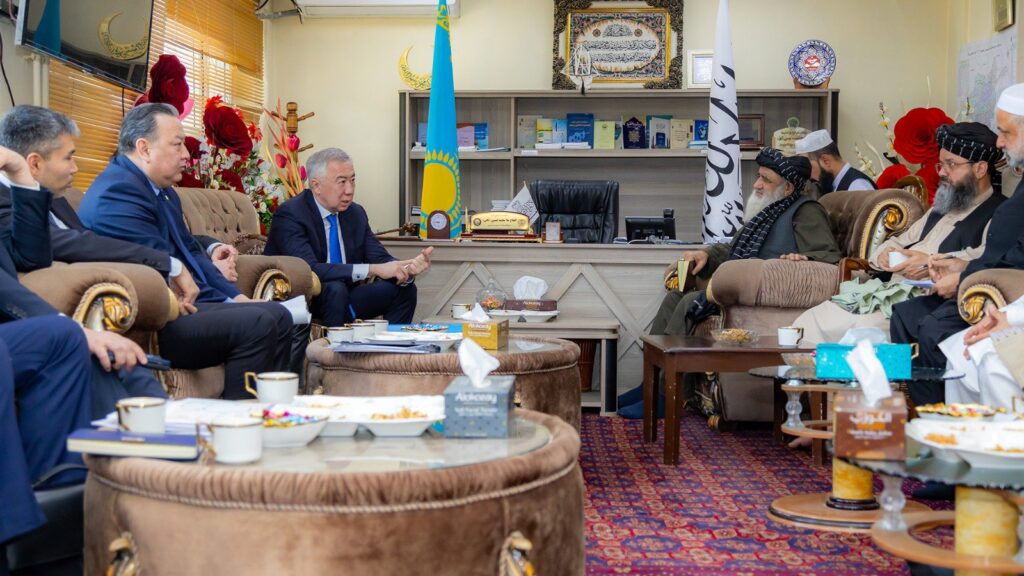
Kazakhstan’s geological exploration in Afghanistan will not be limited to Nuristan. During a meeting in Kabul between Kazakhstan’s Deputy Prime Minister Serik Zhumangarin and Afghanistan’s Minister of Mines and Petroleum Hedayatullah Badri, it was agreed that another team of Kazakhstani specialists would travel to Afghanistan at the end of May. The Afghan side also expressed readiness to share information about confirmed mineral reserves that could be of interest to Kazakh companies.

“Today Kazakhstan has formed a professional pool of extractive companies experienced in geological exploration, mining, and processing of solid minerals. These companies are keen to find and invest in promising deposits,” Zhumangarin noted. Representatives from major firms such as ERG Exploration, Kazakhmys Barlau, and Kazatomprom accompanied the Kazakh delegation. The meeting participants agreed to establish a joint technical commission to facilitate timely discussions on emerging issues.

Zhumangarin also attended the Kazakhstan-Afghanistan Business Forum, which saw participation from 50 Kazakhstani companies. During the forum, he highlighted the potential for Afghanistan to serve as a key logistics hub between Central and South Asia, while Kazakhstan could become a reliable supplier of food products, technologies, engineering services, chemicals, and IT solutions.

“An ambitious but achievable goal has been set, to increase the volume of trade to $3 billion in the short term. Achieving this requires building sustainable supply chains, expanding the range of traded goods, and creating favorable conditions for investment and entrepreneurship,” Zhumangarin stated.

He also proposed to Afghan Deputy Prime Minister Abdul Ghani Baradar the opening of a Kazakh trade house in Kabul. Additionally, the Kazakh side suggested considering the export of buses manufactured by QazTehna LLP to Afghanistan.

As previously reported by The Times of Central Asia, Kazakhstan is also exploring the possibility of exporting cars produced in Kostanay and Almaty to Afghanistan, with first deliveries potentially taking place this year.

Kandas Resettlement Rises as Kazakhstan Boosts Integration Efforts

Since the beginning of 2025, 3,203 ethnic Kazakhs have returned to their historical homeland and officially received received the status of Kandas. In total, since gaining independence in 1991, more than 1.15 million ethnic Kazakhs have resettled in Kazakhstan for permanent residence. The Times of Central Asia examines who today’s Kandas are and how their integration and resettlement are being managed.

Geography of Return

According to the Ministry of Labor and Social Protection, nearly half (48.1%) of all Kandas arriving in Kazakhstan in 2025 have come from China. This is followed by ethnic Kazakhs from Uzbekistan (39.5%), Turkmenistan (5.8%), Mongolia (2.5%), Russia (1.9%), and other countries (2.2%).

As of April 1, 2025, 60.7% of new arrivals are of working age, 31.1% are minors, and 8.2% are pensioners. Regarding educational background, 17.9% hold higher education degrees, 27.8% have specialized secondary education, 52.9% have general secondary education, and 1.4% have no formal education.

Resettlement and Regional Priorities

Kandas are being resettled across the country, with labor-deficient regions prioritized. These include Akmola, Abay, Kostanay, Pavlodar, Atyrau, West Kazakhstan, East Kazakhstan, and North Kazakhstan. The quota for 2025 in these regions stands at 2,309 people, with 642 already resettled by early April.

Since the start of the year, 147 Kandas have received various forms of state support, and 94 of them have secured permanent employment.

State Support and Economic Mobility

The government offers a range of support measures, including a one-time relocation subsidy of 70 Monthly Calculated Indexes (MRP), or approximately $527 per family member. Additionally, monthly payments for rent and utilities ranging from 15 to 30 MRPs ($113-$226) are provided for up to one year.

To enhance economic mobility, the Kandas can receive up to $8,600 per family, covering up to 50% of housing costs, for home purchases, construction, or mortgage down payments. Homes bought with these funds cannot be sold for five years, nor can they be transferred among close relatives, to prevent misuse.

Since 2025, all services related to quotas and support have been moved online. According to Vice Minister of Labor and Social Protection of the Population, Yertaev Askarbek Ertaev, this transition aims to minimize corruption and strengthen oversight of compliance with program conditions. A new tracking system within the “Labor Market” information platform monitors movements of displaced persons. Unauthorized departure from the designated resettlement region requires repayment of financial aid through a pre-trial process.

Adaptation and integration centers were launched in 2024 in Pavlodar, East Kazakhstan, Akmola, and Abay. In 2025, Kostanay and North Kazakhstan joined this list. Full support is now available via the mobile app “FSM Social” (Fund for Social Payments), covering everything from adaptation to employment services.

Among recent innovations is a simplified procedure for verifying Kazakh ethnic identity. To date, 13 applications have been reviewed, 9 approved and 4 denied.

Program Development and Future Outlook

In 2024, around 9,500 resettlement quotas were allocated, with 2,477 used by Kandas and 4,500 by internal migrants. The Ministry plans to increase the annual quota by 500 people moving forward. As part of ongoing reforms, authorities are also enhancing oversight of housing market valuations to prevent fictitious transactions.

The 2025 focus is on boosting the transparency and effectiveness of resettlement and adaptation efforts, ensuring that the Kandas will have the opportunity to build a new life in their ancestral homeland.

EDB Chief Economist Outlines Central Asia’s Water Challenges and Proposes Solutions

Evgeny Vinokurov, Vice-Chairman and Chief Economist of the Eurasian Development Bank (EDB), presented a sobering assessment of Central Asia’s water and energy challenges at the Annual Meetings of the Association of Development Financing Institutions in Asia and the Pacific (ADFIAP) on April 23. The event, held in Muscat, Oman, featured a plenary session dedicated to sustainable water management and practical strategies for addressing mounting environmental pressures in the region.

Shrinking Glaciers and Growing Demand

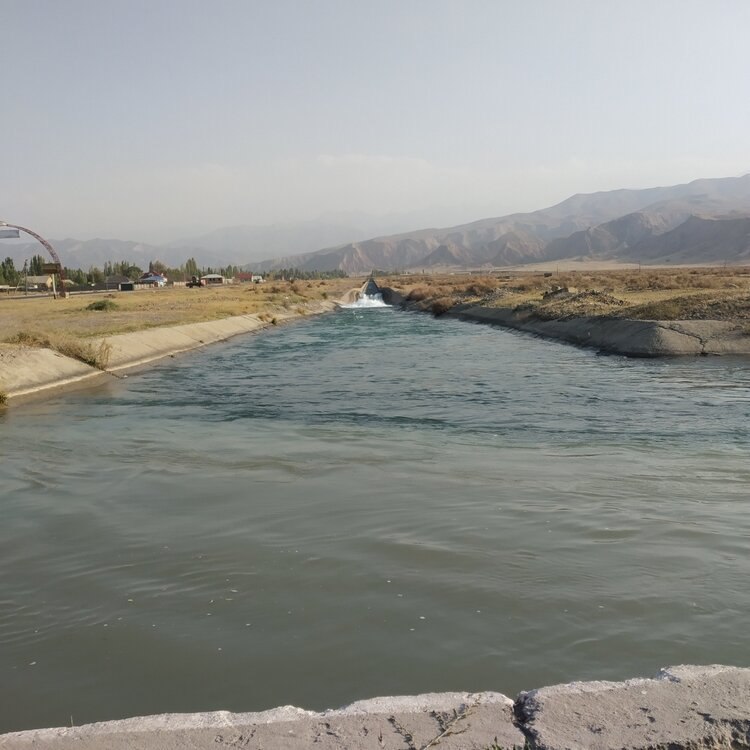
Vinokurov unveiled findings from the EDB’s think tank research, which paint a stark picture: Central Asia’s glaciers have shrunk by 30% over the past 50 years, while water demand continues to rise. Despite this, much of the region’s water infrastructure remains outdated and inefficient, resulting in a loss of 40-55% of available water. Additionally, 10 million people in Central Asia still lack access to safe drinking water. Without targeted intervention, annual water scarcity could reach 5-12 cubic kilometers by 2028.

National Commitments and Regional Coordination

The EDB report emphasized water conservation as a critical pillar in the region’s response to these challenges. Several countries are already pursuing large-scale water-saving initiatives:

  • Kazakhstan plans to expand water-saving irrigation technologies to 150,000 hectares per year by 2030.
  • Uzbekistan has committed to saving 15 billion cubic meters of water.
  • Kyrgyzstan aims to construct 106 new reservoirs to secure water supply.

“Central Asia’s water crisis cannot be solved in isolation,” said Vinokurov. “Our research provides a roadmap for efficiency, investment, and, most importantly, regional cooperation. This is why the water-energy nexus remains a strategic priority for our Bank, both in terms of investments and research.”

Localizing Water Solutions

The EDB, in partnership with the United Nations Industrial Development Organization (UNIDO), recently published a report titled Irrigation Equipment Production in Central Asia: Industrialising the Water Sector, calling for localized production of irrigation equipment to enhance water efficiency and reduce dependency on imports.

Another key publication from the EDB, The Irtysh River Basin: Transboundary Challenges and Practical Solutions, focuses on the Irtysh River basin shared by China, Kazakhstan, and Russia. The report outlines increasing water demand across the basin and proposes measures for managing cross-border water resources through collaborative frameworks.

Uzbekistan Joins the EDB

On April 9, Uzbekistan became the seventh member of the Eurasian Development Bank, joining Armenia, Belarus, Kazakhstan, Kyrgyzstan, Russia, and Tajikistan. The move is expected to provide new avenues for Uzbekistan to modernize its infrastructure, particularly in the transport, energy, and water sectors, and support its broader industrial and agricultural development goals.