• KGS/USD = 0.01144 0%
  • KZT/USD = 0.00194 0%
  • TJS/USD = 0.10841 0%
  • UZS/USD = 0.00008 0%
  • TMT/USD = 0.28571 0%
  • KGS/USD = 0.01144 0%
  • KZT/USD = 0.00194 0%
  • TJS/USD = 0.10841 0%
  • UZS/USD = 0.00008 0%
  • TMT/USD = 0.28571 0%
  • KGS/USD = 0.01144 0%
  • KZT/USD = 0.00194 0%
  • TJS/USD = 0.10841 0%
  • UZS/USD = 0.00008 0%
  • TMT/USD = 0.28571 0%
  • KGS/USD = 0.01144 0%
  • KZT/USD = 0.00194 0%
  • TJS/USD = 0.10841 0%
  • UZS/USD = 0.00008 0%
  • TMT/USD = 0.28571 0%
  • KGS/USD = 0.01144 0%
  • KZT/USD = 0.00194 0%
  • TJS/USD = 0.10841 0%
  • UZS/USD = 0.00008 0%
  • TMT/USD = 0.28571 0%
  • KGS/USD = 0.01144 0%
  • KZT/USD = 0.00194 0%
  • TJS/USD = 0.10841 0%
  • UZS/USD = 0.00008 0%
  • TMT/USD = 0.28571 0%
  • KGS/USD = 0.01144 0%
  • KZT/USD = 0.00194 0%
  • TJS/USD = 0.10841 0%
  • UZS/USD = 0.00008 0%
  • TMT/USD = 0.28571 0%
  • KGS/USD = 0.01144 0%
  • KZT/USD = 0.00194 0%
  • TJS/USD = 0.10841 0%
  • UZS/USD = 0.00008 0%
  • TMT/USD = 0.28571 0%
18 December 2025

The World Nomad Games Day Three: A Feat of Spiritual Endurance

Though the World Nomad Games are often defined as an “international sport competition dedicated to ethnic sports,” the event is so much more. As described by Sultan Raev, General Secretary of the International Organization of Turkic Culture, even the sports themselves are “not about physical strength. They are about spiritual endurance.”

Today, TCA took in the wider cultural context behind the Games, exploring the celebration of identity which the event represents.

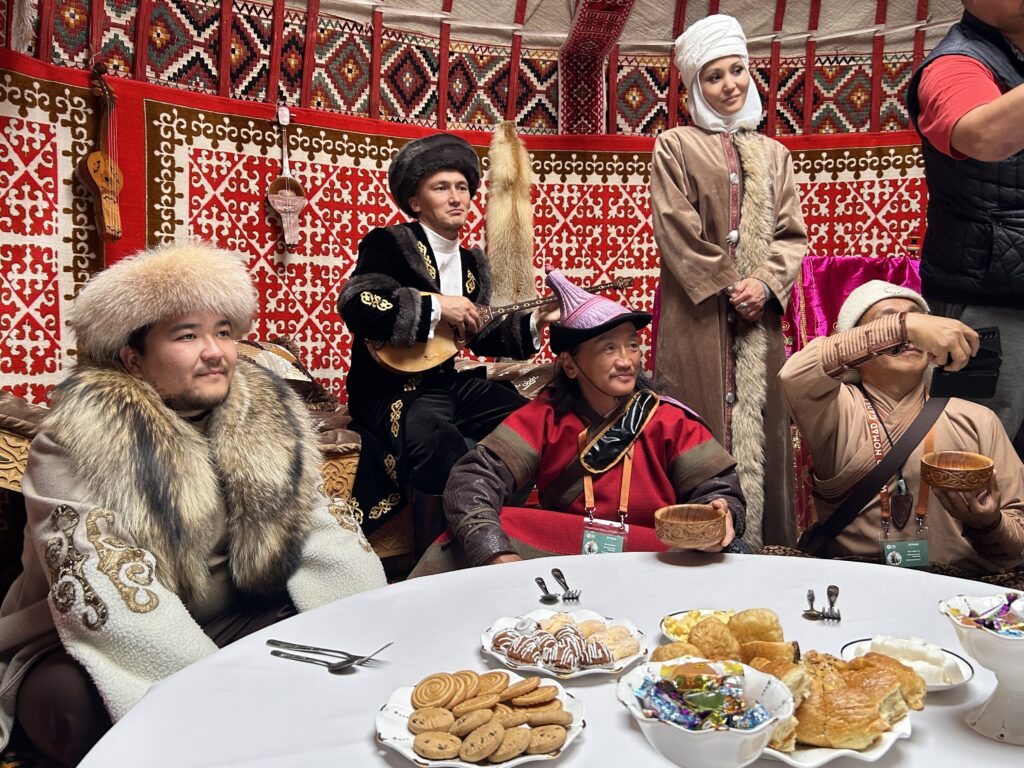
At the very heart of the Games, the Ethnoaul acts as a huge showcase for cultural heritage. Each day, the Dumandy dala (Joyful Steppe) concerts offer a platform for groups from all over the country: ethno-folklore ensembles, Kazakh national orchestras, soloists, dance troupes, and more. From dueling dombras – a traditional two-stringed instrument – to traditional Kazakh music vaguely akin to rap in which the protagonists air their grievances, nomadic culture is truly alive here, not just as a historical curiosity, but as a vibrant heart belonging to the people; a heart which is equally at home in the modern world.

Indeed, as stated by President Tokayev in his keynote speech at the opening ceremony: “the great nomadic life will never cease to exist. Even amid globalization, the nomadic lifestyle that existed for a thousand years is reviving and taking a new shape. Modern nomads are making efforts to reclaim a central place in history. We are moving and traveling easily all over the world in search of education and job opportunities.”

Since Estonia became the first country to offer a “digital nomad visa” in 2020, sixty-five more nations have followed suit, with their number continuing to expand. Nomad culture, it seems, is alive and kicking.

Reconstruction of the costume and weapons of an 11th century Sarmatian leader; image: TCA, Stephen M. Bland

The Ethnoaul hosts yurts from across the nation, where representatives of regions have gathered to display their distinct history and traditions, from a reconstruction of the costume and weapons of an 11th century Sarmatian leader whose remains were found in a burial mound in Atyrau in 1999, to the Shymkent region’s focus on the mercantile activities which made the Great Silk Road great. With a traditional purple-suited ensemble from Akmola playing as young girls in long green dresses and sequined headdresses pirouette, it certainly makes for a tremendous feast of colors, sights and sounds.
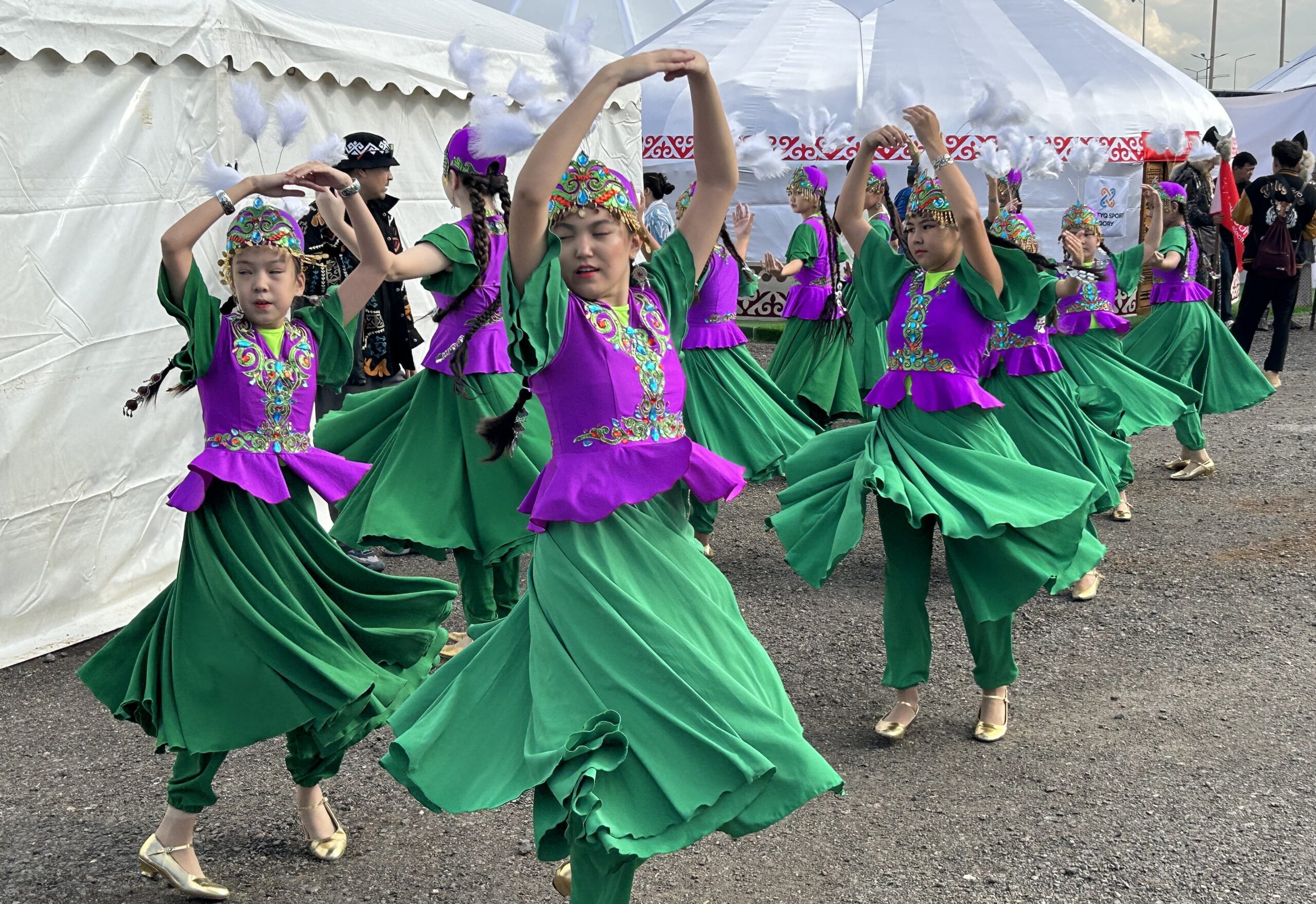
Young dancer twirl; image: TCA, Stephen M. Bland

This sense of national pride in tradition is not lost on visitors from neighboring lands, as evinced by the preponderance of Kyrgyz men in traditional kalpaks – the tall, traditional felt hat designed to allow air to circulate whilst resembling a peak from the Tien Shan Mountains.
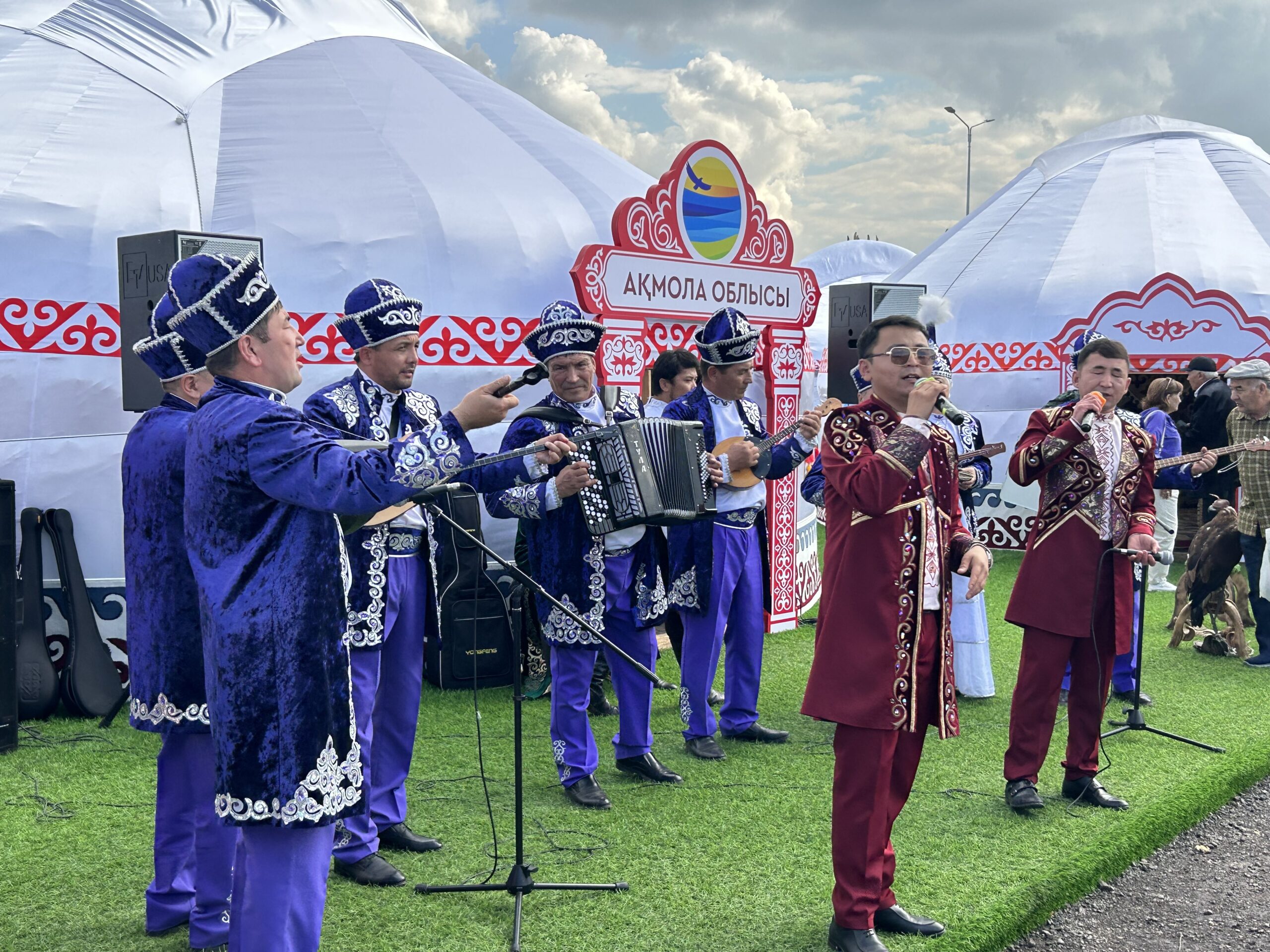
A group from Akmola serenade the croed; image: TCA, Stephen M. Bland

The Games act as a showcase for these identities, and an opportunity to at once celebrate and reenforce them whilst sharing them with the wider world. In an era when the specters of Soviet times are being dismantled at an ever-increasing pace in the face of global conflict, each of these unique lands is shaping itself in the 21st century in part by delving into and reclaiming their long-supressed past; and long may it continue.
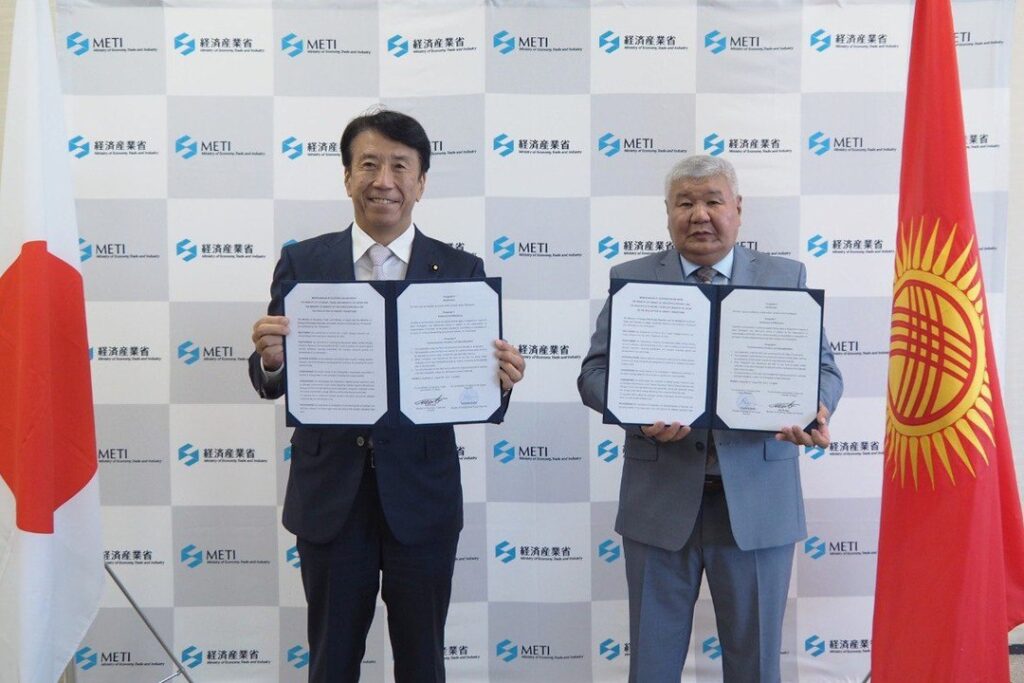

Kyrgyzstan and Japan Agree to Cooperate in Green Energy

In Japan on September 9, Kyrgyzstan’s Minister of Energy, Taalaibek Ibrayev, met with Ken Saito, Japan’s Minister of Economy, Trade and Industry, who oversees the country’s energy policy.

The two ministries signed a memorandum of cooperation to implement joint projects in green energy.

The aim of the new partnership is to expand energy cooperation between Japan and Kyrgyzstan, and developing sectors such as energy efficiency, renewable energy, hydrogen energy, ammonia, carbon recycling, and high-efficiency electricity generation.

While visiting Japan last November, Kyrgyzstan’s President Sadyr Japarov held talks with Japanese Prime Minister Fumio Kishida. Cooperation in the energy sector was one of the issues that they discussed.

During the visit, Japarov invited Japanese companies to use the opportunities and potential for cooperation with Kyrgyzstan to develop renewable energy sources and construct hydropower plants.

Turkmenistan Continues to Hide Forced Labor in Cotton Fields

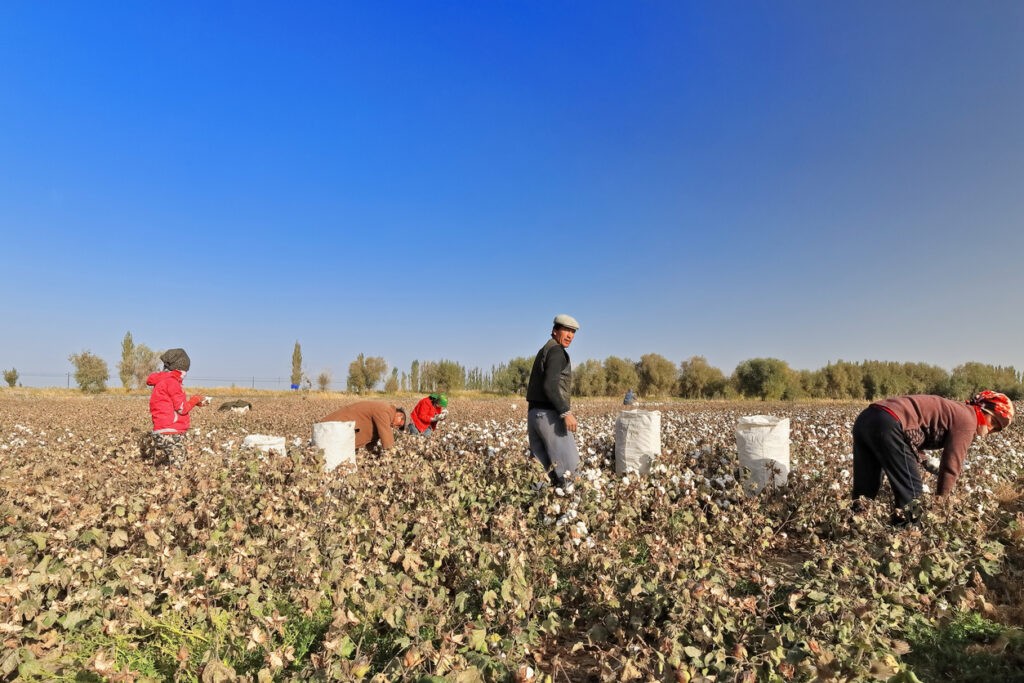
Although the season has  yet to officially open, cotton harvesting is already underway in Turkmenistan. As reported by Azatlyk correspondents, workers, including budgetary employees in the Lebap province, are being watched by Ministry of National Security (MNS) officers. These officers, tasked with preventing information about forced labor being leaked, have forbidden the use of cell phones in the fields.

Turkmenistan has long been criticized for its use of forced labor on cotton plantations, and authorities continue to hide the reality.

The increased control by security agencies coincides with a briefing in Ashgabat on measures discussed in collaboration with the International Labor Organization (ILO), to eradicate child and forced labor.

Despite official bans, including an order issued by Labor Minister Muhammetseyit Sylabov in July this year prohibiting the employment of children under 18, child labor continues in some regions, including Kerki and Chardjev etraps, and teachers confirm that high school students, with their parents’ consent, participate in cotton picking.

At the same time, cotton pickers complain about underpayment. Employers also repeatedly renege on promised rates of pay and in Lebap, citing the poor quality of the cotton harvested, are known to withhold up to 50% of their workers’ salaries, leading to inevitable conflict.

Despite orders issued by the authorities to increase pickers’ wages in accordance with the state’s  procurement prices for cotton, the workers’ situation shows no sign of improving.


Uzbekistan’s Gold and Currency Reserves Reach Record Levels

As of September 1, Uzbekistan’s international reserves reached $39.15 billion. This reserve value is a record indicator for after 2018 when data disclosure began.

In August, the value of international assets increased by $1.75 billion, or about 4.7%, compared to July’s increase of $1.06 billion.
This increase was mainly due to gold. Although the net physical volume of gold in official reserves decreased from 12.1 ounces to 12 ounces during August, the metal’s price on the world market has increased significantly. Due to this, the value of the gold part of reserves increased by $1.24 billion or 4.4% to $30.39 billion in one month.

Since the beginning of 2024, the price of gold has risen by 20% on the world market. Last month, the price of standard gold bullion exceeded a million dollars for the first time in history. Uzbekistan was one of the countries that bought the most gold in July.

In August, reserve assets in foreign currencies increased from $7.68 billion to $8.19 billion (+ $503.1 million).

Uzbekistan’s gold-currency reserves have increased by $4.59 billion or 13.3% since the beginning of the year.

The Times of Central Asia previously reported that Uzbekistan’s gold reserves reached $37.4 billion in August.

New U.S. Ambassador to Turkmenistan Outlines Priorities For Cooperation

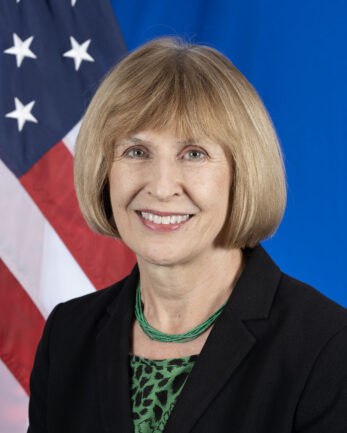
At her first press briefing in Ashgabat, the new U.S. Ambassador to Turkmenistan, Elizabeth Rood, outlined key areas of cooperation between the two countries. She paid particular attention to economic development and investment attraction.

Rood emphasized that the U.S. Embassy intends to actively engage with Turkmenistan’s government, private sector, and educational institutions to create new jobs and employment opportunities and diversify the national economy.

Rood also emphasized four critical areas of work: combating climate change, economic sector development, security issues, and promoting fundamental freedoms.

Regarding climate challenges, Rood emphasized Turkmenistan’s role in mitigating climate change and welcomed President Serdar Berdymukhamedov’s pledge to limit methane emissions.

Ambassador Rood also emphasized the importance of supporting civil society in Turkmenistan, including upholding fundamental freedoms and combating forced and child labor.

In addition, she expressed her intention to strengthen ties between the peoples of the two countries, noting her inspiration from the determination of Turkmen youth to learn exact sciences and the English language.

Kazakhstan Proposes to Abolish Compulsory Military Conscription

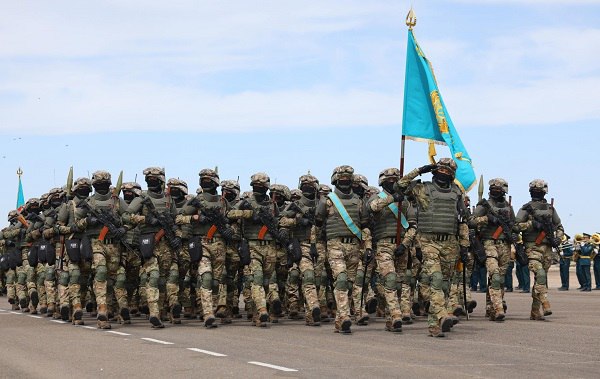
In Kazakhstan, activists have led calls to abolish compulsory military service by publishing a petition on the epetition.kz platform directed to the Ministry of Defense.

The petition has been provoked by recent tragic cases among servicemen, which, the document’s authors say, revealed severe problems in the Kazakh army. The petition emphasizes that the main issues are hazing and non-statutory relations, which exert strong pressure on conscripts, causing psychological trauma and, in some cases, suicide.

The authors are also concerned about soldiers’ inadequate training. They believe modern challenges and technologies can be effectively countered only by professional soldiers, not temporarily conscripted ones.

The authors cite weak medical and psychological supervision as one of the military’s critical problems, as it does not help conscripts adapt to army conditions. They propose a switch to a thoroughly professional army, which they believe would improve training and reduce the number of tragic incidents.

The petition will be open until October 4. To be considered by the government, a petition in Kazakhstan must garner at least 50,000 votes.

In recent years, Kazakhstan has observed an alarming increase in suicides among soldiers. In 2022, President Kassym-Jomart Tokayev ordered an investigation to identify the causes of these incidents. Hazing and psychological pressure remains one of the key causes of these tragedies.

Despite the measures taken, such incidents continue. Last month Kazakhstan was shocked by the death of a conscripted soldier in the Mangistau region. According to some reports, an officer shot the enlisted man in the face with a pistol.