• KGS/USD = 0.01144 0%
  • KZT/USD = 0.00194 0%
  • TJS/USD = 0.10879 -0.18%
  • UZS/USD = 0.00008 0%
  • TMT/USD = 0.28490 0%
  • KGS/USD = 0.01144 0%
  • KZT/USD = 0.00194 0%
  • TJS/USD = 0.10879 -0.18%
  • UZS/USD = 0.00008 0%
  • TMT/USD = 0.28490 0%
  • KGS/USD = 0.01144 0%
  • KZT/USD = 0.00194 0%
  • TJS/USD = 0.10879 -0.18%
  • UZS/USD = 0.00008 0%
  • TMT/USD = 0.28490 0%
  • KGS/USD = 0.01144 0%
  • KZT/USD = 0.00194 0%
  • TJS/USD = 0.10879 -0.18%
  • UZS/USD = 0.00008 0%
  • TMT/USD = 0.28490 0%
  • KGS/USD = 0.01144 0%
  • KZT/USD = 0.00194 0%
  • TJS/USD = 0.10879 -0.18%
  • UZS/USD = 0.00008 0%
  • TMT/USD = 0.28490 0%
  • KGS/USD = 0.01144 0%
  • KZT/USD = 0.00194 0%
  • TJS/USD = 0.10879 -0.18%
  • UZS/USD = 0.00008 0%
  • TMT/USD = 0.28490 0%
  • KGS/USD = 0.01144 0%
  • KZT/USD = 0.00194 0%
  • TJS/USD = 0.10879 -0.18%
  • UZS/USD = 0.00008 0%
  • TMT/USD = 0.28490 0%
  • KGS/USD = 0.01144 0%
  • KZT/USD = 0.00194 0%
  • TJS/USD = 0.10879 -0.18%
  • UZS/USD = 0.00008 0%
  • TMT/USD = 0.28490 0%
15 December 2025

Ashgabat Promotes Turkmen and Iranian Fashion and Textiles

A Turkmen-Iranian exhibition showcasing the two countries’ fashion and textile industries has newly opened at the Turkmenistan Academy of Arts.

Speaking at the event, Navid Rasouli, Cultural Counselor at the Iranian Embassy in Ashgabat, announced, “The fashion industry is rapidly developing and knows no stagnation as new generations always need updated clothes and stylish images. Iran and Turkmenistan have an opportunity to establish close cooperation in this field. The first joint fashion show and professional skills training can become a basis for demonstrating the international capabilities of both countries and contribute to the expansion of economic ties.”

Textile companies and famous brands represented in the exhibition, include seven from Iran alongside the Ashgabat Model House of the Ministry of Textile Industry and several other enterprises from Turkmenistan.

Comprehensive in its remit, the event brings together designers, embroiderers, needle workers, and weavers allowing visitors to discover a wide range of  fabrics, fashion and accessories currently being created with traditional and modern techniques in both countries.

In addition to providing information on courses, the exhibition also offers visitors classes on various types of needlework by Iranian master craftspeople.

Kyrgyzstan Introduces Law on Compulsory Home and Car Insurance

From September 2024, when re-registering cars, owners must provide a contract on compulsory civil liability insurance. The same applies to real estate. The law was adopted eight years ago, but has been delayed under public pressure.

According to the State Insurance Organisation (SIO), the introductory amount of car insurance is 1,680 KGS ($20). The final amount will be affected by driving experience, driver age, and engine displacement.

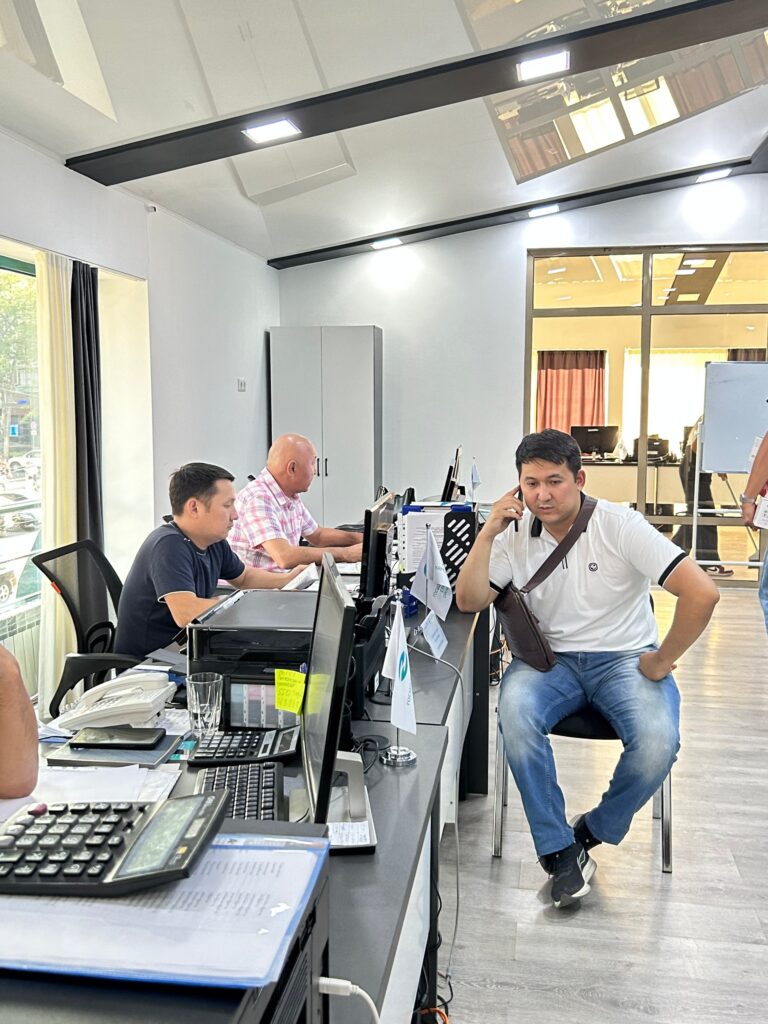
The legal department of the State Insurance Organization explained to The Times of Central Asia that a vehicle’s insurance policy will be required when it is re-registered with the state authorities.

“Employees of the State Insurance Organization are at the places of registration of motor vehicles throughout the country and will issue MTPL insurance policies on the spot. The average amount of MTPL insurance for passenger cars will range from 2,000 to 4,000 KGS ($25-45),” said Ulukbek Nishonov, head of the legal department of the State Insurance Organization.

Fifteen private insurance organizations will also insure cars.

The law on compulsory car insurance in Kyrgyzstan was adopted more than eight years ago. Nevertheless, no sanctions have been imposed for non-compliance with the law. Most Kyrgyz motorists considered compulsory insurance a “waste of money.”

Now, the authorities have figured out how to force everyone to insure their cars, even those without insurance policies or car registration. At the same time, ordinary citizens will not be fined for the lack of insurance. Officials claim that compulsory insurance is a social project.

It is worth noting that the law on compulsory real estate insurance also came into force on August 26, 2024. Here, just as in the case of car insurance, citizens will be obliged to insure their property against fire and natural disasters only when re-registering housing. In other cases, it can be done voluntarily. At the same time, the state holds a monopoly on residential property insurance.

EBRD to Support Pilot Project for Renewable Hydrogen in Uzbekistan

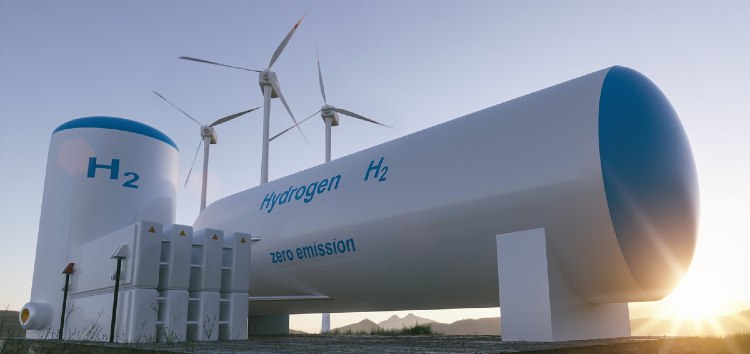
The European Bank for Reconstruction and Development (EBRD) will finance Central Asia’s first renewable hydrogen production project in Uzbekistan. The project includes the installation of a 20 MW electrolyzer and constructing a new 52 MW wind farm.

The EBRD is providing a $65 million (€58 million) financing package to ACWA Power UKS Green H2, which is developing, designing, constructing, and operating the facility. This company is jointly owned by ACWA Power and Uzkimyosanoat (UKS), a large state-owned chemical holding company.

Financing includes a $55 million senior loan from the EBRD and $10 million in concessional financing from Canada through the High Impact Partnership on Climate Change Special Fund (HIPCA). The EBRD also plans to provide an equity bridge loan of up to $5.5 million (€4.9 million) and up to $5.5 million (€4.9 million) for the project.

The project, supported by the Japan-EBRD Cooperation Fund, will help replace “grey” hydrogen, derived from natural gas and widely used in producing ammonia fertilizers in Uzbekistan, with renewable hydrogen. The latter is recognized as a critical alternative for decarbonizing the fertilizer sector. The facility is expected to make up to 3,000 tons of hydrogen annually, reducing annual CO2 emissions by 22,000 tons.

The Bank also noted that Uzbekistan, the leading recipient of EBRD financing in Central Asia, has already received about €5 billion under 164 projects, most of which support private entrepreneurship.

The Times of Central Asia has previously written that the Asian Development Bank (ADB) has announced the launch of a five-year partnership strategy with Uzbekistan from 2024 to 2028. The strategy will support Uzbekistan’s reforms in promoting the country’s transition to a green economy, supporting private sector development and competitiveness, and stimulating investment in economic capital.

Tajikistan Promises Toil and Trouble for Witchcraft Clients

Tajikistan is widening the war on warlocks.

The Tajik government has previously announced hard labor, heavy fines and other tough penalties for people convicted of fortune-telling, sorcery and witchcraft. Now it is targeting their customers.

Legal measures are being taken against more than 150 people suspected of paying soothsayers to commit “criminal acts,” the Ministry of Internal Affairs said on Wednesday.

The ministry did not provide details about the legal action, but said it will collect the data and photographs of people who go to fortune-tellers and sorcerers.

For years, Tajikistan has warned that fortune-tellers and the like are fraudsters seeking to bilk customers out of their money. There appear to be deeper concerns that deeply rooted beliefs revolving around the supernatural are a threat to stability.

Alarming human rights groups, the government has also banned clothing deemed to be foreign to Tajik culture, a purported reference to Islamic clothing such as the hijab. Tajikistan´s efforts to regulate religious expression are part of a bigger campaign against extremism, though critics fear such controls could end up pushing some people toward radicalism.

Moldova To Open Embassy in Kazakhstan

The government of Moldova has approved plans to open its first embassy in Kazakhstan’s capital of Astana.

The opening of the embassy is intended to expand Moldova’s diplomatic presence in Central Asia, and strengthen economic and cultural ties with Kazakhstan. Kazakhstan is an important regional economic player, with rich energy resources and a significant Moldovan diaspora.

According to the Moldovan Foreign Ministry, about 20,000 Moldovan citizens living in Kazakhstan currently have to seek consular assistance from the Moldovan diplomatic mission in Russia.

The ministry said that Kazakhstan is a promising market and an essential partner for attracting investments and developing bilateral trade. The opening of the embassy is expected to contribute to a more active political dialog, and create new opportunities for economic cooperation between the countries.

The decision also aligns with Moldova’s National Development Plan 2025-2027, which aims to expand its diplomatic and consular network worldwide. The country seeks to diversify its trade portfolio, particularly in the European Union or the EU’s immediate neighborhood.

Kazakhstan and Tajikistan to Cooperate Over Rare-Earth Metals

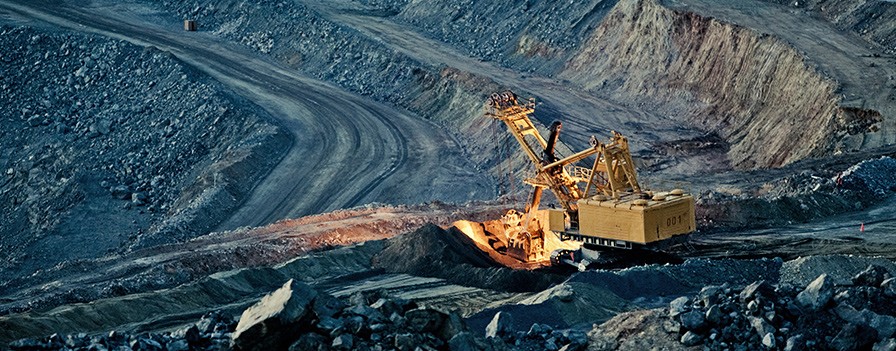
Kazakhstan’s national atomic company, Kazatomprom, the world’s largest producer of uranium, has announced a new strategic partnership with Tajikistan’s TajRedMet (Tajik Rare Metals) in the mining and processing of uranium and rare and rare-earth metals.

According to the parties’ agreement, the companies will collaborate in exploring, mining, and processing uranium and other rare and rare-earth metals, conducting research and development work, introducing innovative technologies, and training personnel.

Meirzhan Yussupov, CEO of Kazatomprom, commented: “This step is of great importance for strengthening the partnership between our companies. Although it is too early to talk about specific results, we are focused on promising joint projects in the uranium industry and rare and rare-earth metals, which can significantly benefit Kazakhstan and Tajikistan.”

As part of the agreement, TajRedMet representatives will soon visit Kazakhstan to inspect Kazatomprom’s production facilities and assess the potential for further cooperation in more detail.

According to an IAEA research paper, Tajikistan has significant mineral resources awaiting development, including rare metals, earth elements, and uranium. Several countries have expressed interest in the development of Tajikistan’s uranium resources. Russia was considering assisting Tajikistan in developing its uranium resources, as well as assisting in geological prospecting, with the aim of involvement in the subsequent extraction and possible processing of uranium. China’s Guangdong Corporation has also expressed an interest in participating in projects to develop Tajik uranium deposits. The Tajik government has also agreed to allow Indian companies to explore for uranium mineralization.

In his address to parliament in December 2023, Tajik President Emomali Rahmon ordered the government to focus on mining lithium, tungsten, nickel, and antimony, and develop a program for processing these metals domestically into finished products.