• KGS/USD = 0.01144 0%
  • KZT/USD = 0.00211 0%
  • TJS/USD = 0.10460 0.19%
  • UZS/USD = 0.00008 0%
  • TMT/USD = 0.28490 0%
  • KGS/USD = 0.01144 0%
  • KZT/USD = 0.00211 0%
  • TJS/USD = 0.10460 0.19%
  • UZS/USD = 0.00008 0%
  • TMT/USD = 0.28490 0%
  • KGS/USD = 0.01144 0%
  • KZT/USD = 0.00211 0%
  • TJS/USD = 0.10460 0.19%
  • UZS/USD = 0.00008 0%
  • TMT/USD = 0.28490 0%
  • KGS/USD = 0.01144 0%
  • KZT/USD = 0.00211 0%
  • TJS/USD = 0.10460 0.19%
  • UZS/USD = 0.00008 0%
  • TMT/USD = 0.28490 0%
  • KGS/USD = 0.01144 0%
  • KZT/USD = 0.00211 0%
  • TJS/USD = 0.10460 0.19%
  • UZS/USD = 0.00008 0%
  • TMT/USD = 0.28490 0%
  • KGS/USD = 0.01144 0%
  • KZT/USD = 0.00211 0%
  • TJS/USD = 0.10460 0.19%
  • UZS/USD = 0.00008 0%
  • TMT/USD = 0.28490 0%
  • KGS/USD = 0.01144 0%
  • KZT/USD = 0.00211 0%
  • TJS/USD = 0.10460 0.19%
  • UZS/USD = 0.00008 0%
  • TMT/USD = 0.28490 0%
  • KGS/USD = 0.01144 0%
  • KZT/USD = 0.00211 0%
  • TJS/USD = 0.10460 0.19%
  • UZS/USD = 0.00008 0%
  • TMT/USD = 0.28490 0%

UN Launches Projects to Improve Health and Environment in the Aral Sea Region

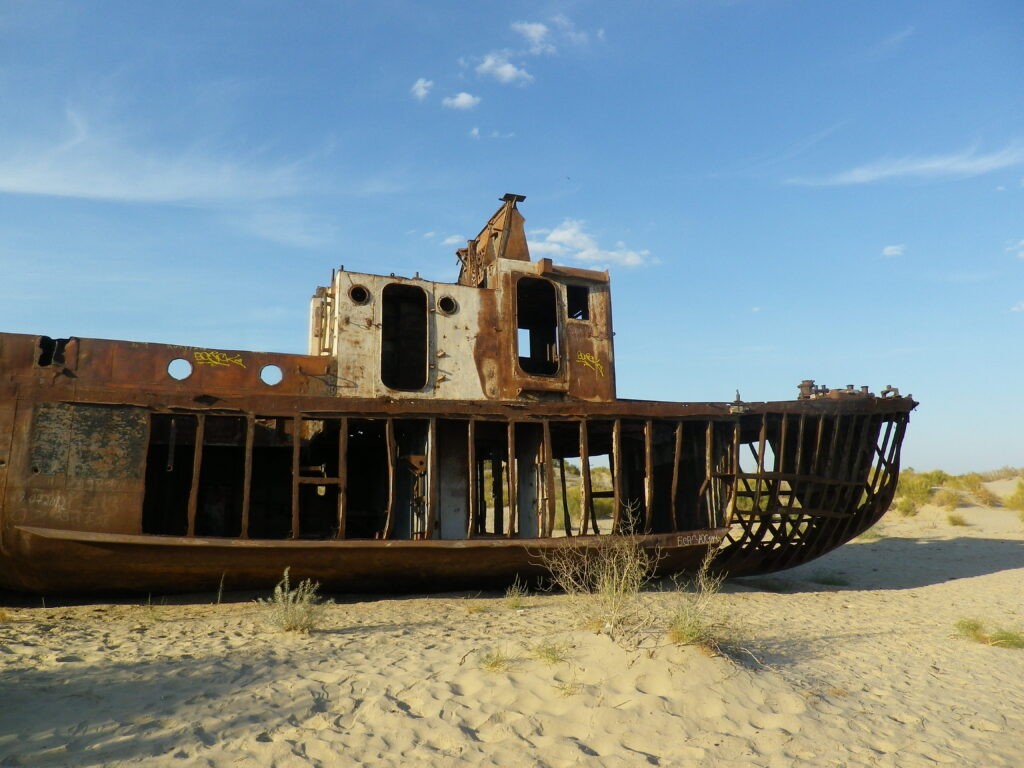
The UN has launched two new projects to address environmental and health issues in Karakalpakstan, Uzbekistan. These projects are “Enhancing Climate-Resilient and Safe Water, Sanitation, Hygiene, and Health Services for the Most Affected Communities in Four Districts of Karakalpakstan,” and the joint project between its development programme (UNDP) and its food and agriculture organization (FAO), “Building Knowledge and Skills of Local Partners and Communities to Address Environmental Insecurities through Innovative Air, Land, and Water Management Solutions in the Aral Sea Region.”

“The launch of these projects marks a significant milestone in our collective efforts to address the Aral Sea Region’s profound environmental and health challenges,” said Sabine Machl, the UN’s Resident Coordinator in Uzbekistan. “By fostering resilience through innovative solutions in water management, health services, and community empowerment, we are laying the groundwork for a sustainable future in Karakalpakstan.”

The project between the UNDP and FAO aims to increase the knowledge and skills needed by local partners and communities to solve environmental security problems. It also aims to develop practical solutions for managing air, land and water, enabling communities to adapt to and mitigate climate change. In addition, within the project’s framework, special attention will be paid to introducing new approaches to water treatment, forest restoration, and soil stabilization in the region.

These activities have the potential to directly benefit over 376,000 residents of the three northern districts of Moynaq, Kungrad, and Takhtakupir in Karakalpakstan, particularly women in at-risk communities. The indirect impact will extend to 200,000 more people and build on the results of the previous projects.

On 16 August, the UN programme “Laying the Foundations for People-Centered, Climate-Resilient Primary Health Care and Water, Sanitation, and Hygiene Practices at Healthcare Facilities and Schools” was officially completed.

During his visit to Karakalpakstan on August 19, Uzbek President Shavkat Mirziyoyev announced the establishment of the Aral Sea Region International Innovation Center to improve the ecosystem and create new varieties and seeds in a saline, water-less environment. $80 million will be allocated to mitigate the consequences of climate change in the Aral Sea region.

The Times of Central Asia has published several articles about the problems arising from the drying up the Aral Sea and the work being done to combat this.

Central Asia Takes Steps to Ward off Mpox after WHO Declares Emergency

Central Asian countries have prepared mpox test kits and taken other precautions since the U.N. World Health Organization said last week that the sharp increase in cases of the virus in Africa posed an international health emergency.

Kyrgyzstan and Kazakhstan are among countries in the region that say they have not registered any suspected cases of the virus. They are heeding the advice of WHO, which is appealing for a coordinated international response to prevent its wider spread. The U.N. health agency also declared a global health emergency because of mpox in 2022, and cases were reported around the world before declining.

Kyrgyzstan’s Ministry of Health said on Monday that it has increased sanitary and quarantine measures at airports, railway stations and border crossings, and is focusing on people coming from countries where cases of mpox have been reported.

“Today, sanitary and quarantine points are equipped with thermal imagers and contactless thermometers for the timely detection of people with fever,” the ministry said. It added that WHO had assisted with the delivery to Kyrgyzstan of 3,000 PCR tests for detecting mpox in 2022. Some 500 tests were available as of Monday and efforts are underway to procure more tests, according to the ministry.

Kazakhstan and Uzbekistan are also conducting similar precautionary measures.

Timur Sultangaziyev, Kazakhstan’s deputy health minister, said methods for detecting people infected with the mpox virus are based on the COVID-19 pandemic and treatment guidelines are in place, according to the Kazinform News Agency.

Health officials in Uzbekistan said they are planning for a 21-day medical observation period of anyone who has had contact with a patient sick with mpox. Like other Central Asian countries, they plan to build up their reserve of test kits for the virus. Medical specialists are also being trained in how to handle the disease.

Mpox has been reported in the Democratic Republic of Congo, or DRC, for more than a decade, with cases increasing each year, according to WHO. The number of cases reported so far this year is more than last year’s total, with more than 15,000 cases and at least 500 deaths, according to WHO. Some other African countries have reported a far smaller number of cases.

The DRC outbreak is being driven by two strains – one that mostly affects children, and a new one that “primarily affects adults and is spreading rapidly, sustained largely, but not exclusively, through transmission linked to sexual contact and amplified in networks associated with commercial sex and sex workers,” WHO said.

Mpox symptoms can include fever, skin rash, lesions and chills. Most treatment is aimed at relieving symptoms. The disease can spread through close contact with an infected animal or person.

More Mudflows Flood Homes in Kyrgyzstan’s Issyk-Kul Region

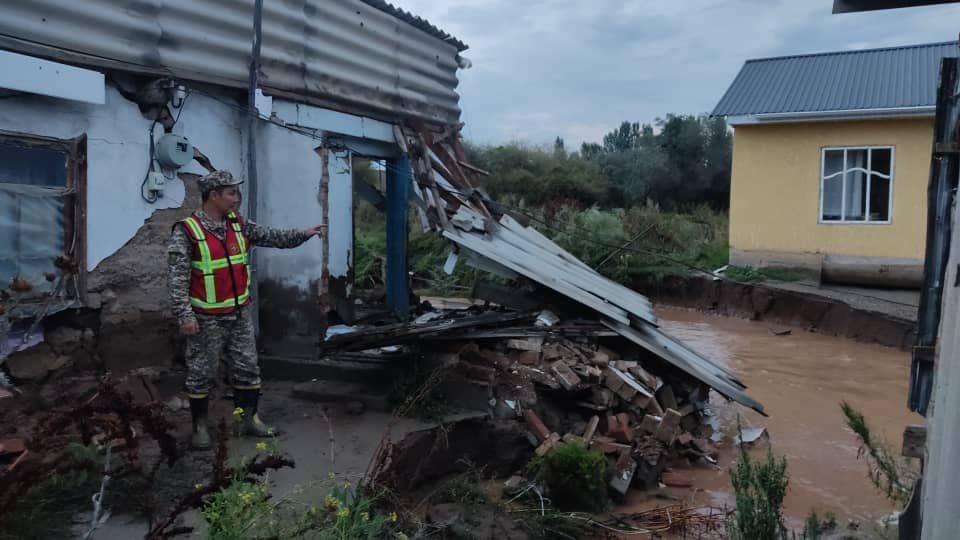
Powerful mudslides caused by heavy rains are again causing damage in Kyrgyzstan’s northern Issyk-Kul region. A state of emergency has been declared in three districts.

The mudflows descended in several locations in the south and north of the Issyk-Kul region, flooding highways and mountain passes. In the town of Cholpon-Ata, water from the canal has reportedly flooded the streets. Several resorts and vacation homes have also been flooded, and there are power outages in the region. Eyewitnesses have reported that Lake Issyk-Kul has turned green.

It is known that dozens of people have been evacuated from the flooded areas.

Seven hundred fifty-five rescuers and military personnel are clearing up the damage, but heavy rains are still forecast for the coming days. Other parts of Kyrgyzstan, such as Naryn and Jalal-Abad in the center of the country, are also susceptible to mudflows.

“We urge citizens to be vigilant and observe precautionary measures,” rescuers have appealed to citizens.

Russia Wants to Ban Migrants’ Families

Russia is considering a bill that could restrict the right of migrant workers to bring their families into the country. The initiative from LDPR deputies, led by Leonid Slutsky, has already sparked active discussions among politicians and society.

The main goal of the proposed law is to reduce the inflow of uncontrolled migration and the ensuing public tension. Particular reference is made to the many migrant families living in Russia who accumulate debts for public utilities and create enclaves where local laws and customs are often ignored. The bill suggests that with the exception of highly qualified specialists, the presence of a work contract or a patent, should no longer be a reason for migrants to move their families to Russia.

This bill is not the only measure aimed at tightening the migration policy in Russia. In 2022, a “controlled stay” system was introduced, strengthening control over migrants on the country’s territory.

In recent years, Russia has also introduced labor migration quotas limiting the number of jobs available to foreign nationals, especially in construction, trade, and other low-skilled sectors. These quotas were further tightened, resulting in fewer migrants entering the country.

Another measure was the introduction of compulsory health insurance for migrants, adding a financial burden to those coming to work in Russia. In addition, strict language and cultural integration requirements have been introduced, including mandatory Russian language training and exams on the country’s history and culture.

Such actions have drawn criticism from human rights activists, who believe that the restrictions could increase social tensions and make life difficult for migrants already living in Russia.

New York NGO Calls on Tajik Authorities to Release Journalist Ahmad Ibrohim

The New York-based press freedom NGO the Committee to Protect Journalists (CPJ) has called on the Tajik authorities to release journalist Ahmad Ibrohim. Ibrohim is the founder and editor-in-chief of Paiq, the only independent newspaper in Tajikistan’s Khatlon region.

According to Radio Ozodi sources, Ibrohim was detained on August 12. CPJ expressed concern that his arrest underscores the dangers journalists in Tajikistan face.

CPJ’s Program Coordinator for Europe and Central Asia, Gulnoza Said, said Tajik authorities should release Ibrohim and seven other journalists imprisoned for their professional activities, and ensure media freedom.

Officials have not yet provided information about Ibrohim’s detention, and his relatives refuse to comment. However, a source in the security services said that a criminal case had been opened against him under Article 320 of the Criminal Code (bribery), allegedly for attempting to bribe a government official to extend Paiq’s registration.

This is not the first instance of government pressure on Paiq. In 2014, the regional prosecutor’s office stopped the newspaper from operating, citing problems with renewing its registration. Despite this, Ahmad Ibrohim continued to work, remaining one of the few independent journalists in the region.

Kazakhstan and China in Talks on Feeding Lake Balkhash

The Kazakh Ministry of Water Resources and Irrigation announced on August 19 that Kazakhstan and China are drafting an agreement on dividing trans-boundary river waters between the two countries.

The main objective of the agreement is to ensure that the water in Kazakhstan’s Lake Balkhash remains at an optimal level.

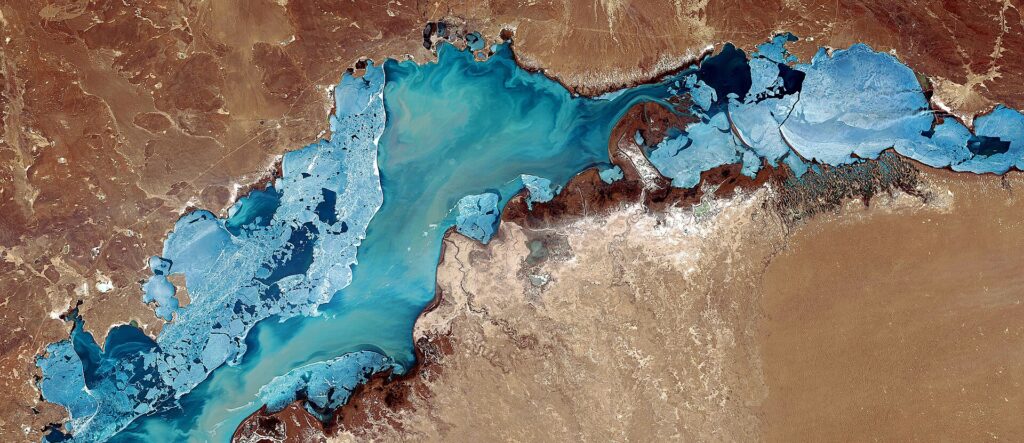
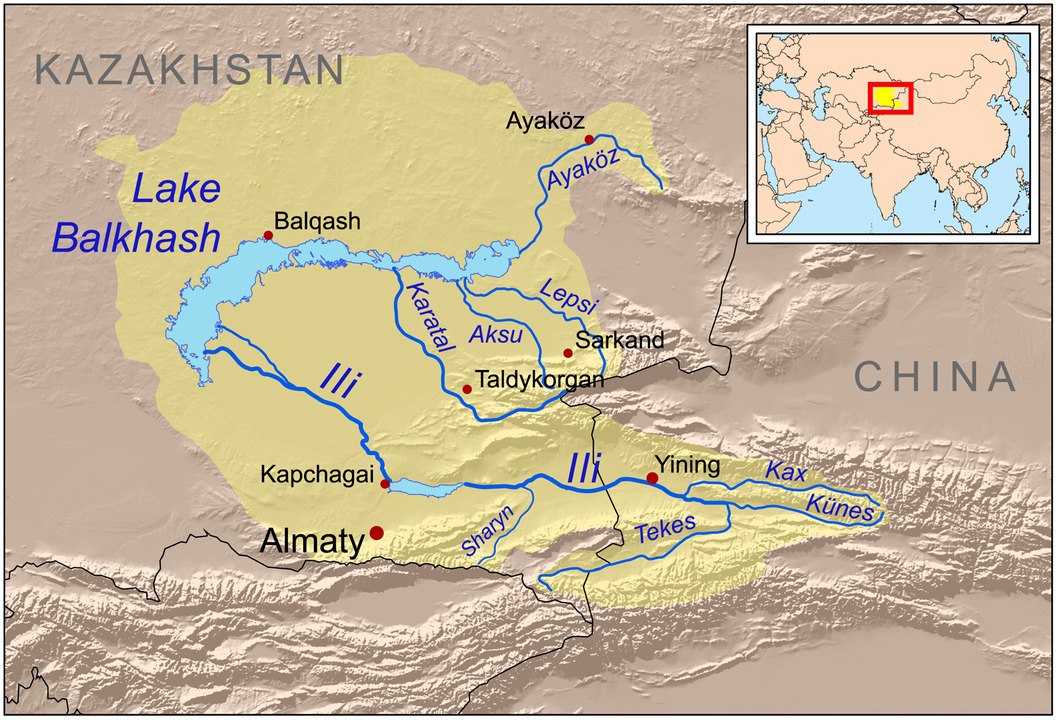
Located 280km northwest of the country’s largest city, Almaty, Lake Balkhash is the fifteenth largest lake in the world. It is fed by several trans-boundary rivers flowing from China, the largest of which is the Ili River, which provides about 80% of the lake’s water.

Image: Wikimapia

Environmentalists in Kazakhstan have been concerned about Lake Balkhash’s shallowing. Balkhash has been gradually drying up in recent years, including due to the decline in water volumes in the Ili River. Upstream China has extensively diverted the river over the past half century to produce hydroelectric power and agricultural crops on irrigated land. According to research, as of 2021 China was blocking 40% of the river’s inflow.

Moldir Abdualieva, a spokesperson of the Kazakh Ministry of Water Resources and Irrigation, said that the ministry has been paying great attention to providing Lake Balkhash with the necessary volume of water. “Since the beginning of this year, more than 12 billion cubic meters of water have been sent to the lake,” she said.

In May, it was reported that the water level in Balkhash had risen by 23cm since the beginning of the year due to increased rainfall and floods caused by snow melt this past spring.