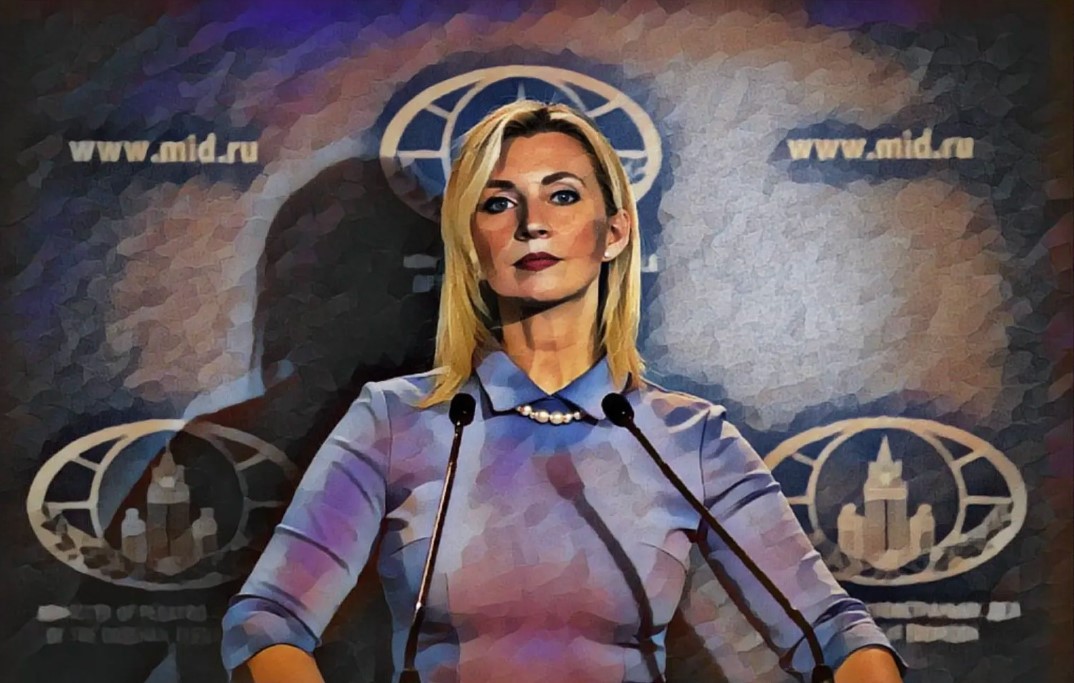
Russia’s Foreign Ministry moved on January 16 to distance the Kremlin from comments by television host Vladimir Solovyov after his remarks about potential military action in Central Asia provoked backlash across the region. Foreign Ministry spokesperson Maria Zakharova stated that comments by television presenters do not represent the official position of the Russian government and that Russia’s foreign policy is articulated only through authorized state channels, with relations with Central Asian countries described as based on partnership and respect for sovereignty.
The clarification followed criticism in Uzbekistan, Kyrgyzstan, and Kazakhstan after Solovyov suggested that Moscow could extend its “special military operation” framework beyond Ukraine and into Central Asia. In Kyrgyzstan, public calls emerged to restrict Solovyov’s entry into the country, while officials indicated that the government would respond differently if similar claims were made by Russian state officials rather than a media figure. In Kazakhstan, political commentators warned that rhetoric questioning sovereignty risked damaging relations with Russia, even in the absence of a formal diplomatic protest.
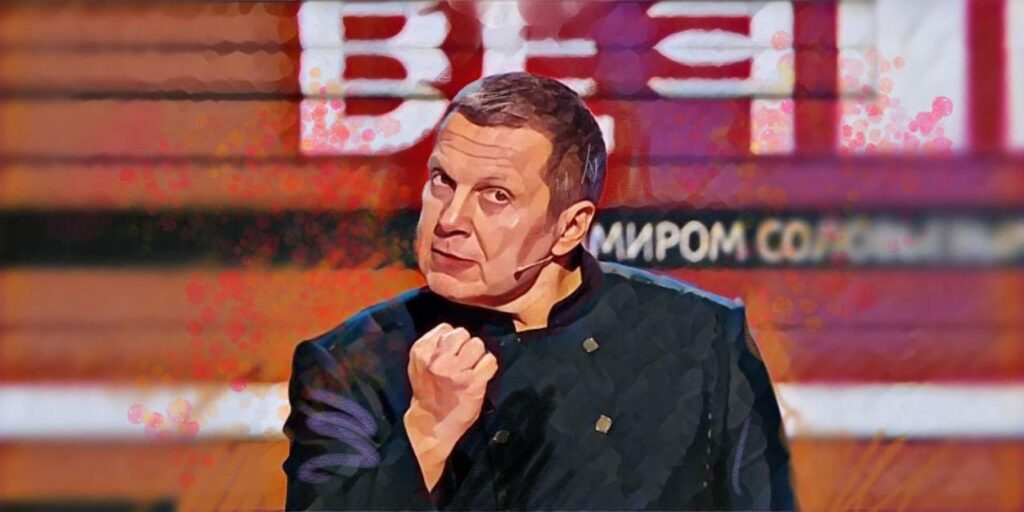
Solovyov made the remarks during a January 10 broadcast of his program “Solovyov Live.” During the segment, he described Central Asia as part of Russia’s sphere of influence and argued that international law should not constrain Moscow’s actions in territories it considers strategically important. He drew parallels with Russia’s military campaign in Ukraine and implied that states within Russia’s perceived geopolitical space could be treated differently from countries outside it.
The language resonated strongly in Uzbekistan, where academics, analysts, and commentators criticized the implication that sovereignty could be conditional. Public discussion focused on the suggestion that Central Asian states might face pressure based on historical ties rather than be treated as independent actors. Critics described the framing as inconsistent with the principles of statehood established after the collapse of the Soviet Union in 1991.
An Uzbek academic later issued a rebuttal rejecting the idea that Central Asia could be treated as a single external “zone” governed by different rules. The response emphasized that regional states have distinct political systems, alliances, and security priorities, and that none had delegated authority over those choices to outside powers.
The episode highlighted the influence of Russian political talk shows during wartime. Figures like Solovyov command large domestic audiences and operate in an environment where commentary often overlaps with geopolitical messaging. In Central Asia, such remarks attract close scrutiny regardless of whether they carry formal policy status, particularly when they echo language used by Russian officials in other conflicts.
Economic and social ties heighten that sensitivity. Millions of Central Asian citizens work in Russia, and remittances remain a significant factor in several regional economies. Russia also plays a role in regional security arrangements and energy transit routes. Statements implying that sovereignty could be overridden therefore carry weight far beyond television studios.
No Central Asian government has announced formal diplomatic measures in response to Solovyov’s remarks, and Moscow’s intervention appears to have contained the immediate fallout. The episode nonetheless shows how rhetoric shaped by the war in Ukraine readily carries over into Russia’s relations with its neighbors, where questions of influence and autonomy remain sensitive more than three decades after the Soviet Union’s collapse.