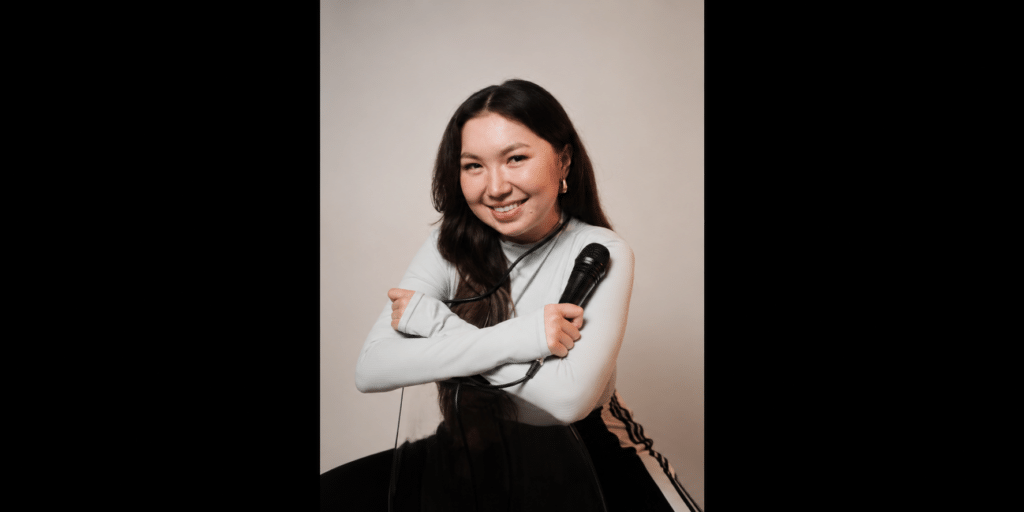
Elmira, a journalist from Astana, moved to St. Petersburg six years ago to study journalism. Since then, she has transformed from a reserved first-year student into a working reporter, navigating culture shock, social media censorship, and the outbreak of the war in Ukraine. In this candid interview, Elmira discusses Russian bureaucracy, casual racism, and finding her voice in the Russian media landscape. She also offers reflections for others considering a similar path.
TCA: Why did you choose to study in St. Petersburg rather than stay in Kazakhstan or go elsewhere?
Elmira: I applied before the war in Ukraine began. At that time, Russia seemed like a land of opportunity, where you could earn a decent living even without connections, which is rare in Kazakhstan. Plus, Russia offers state-funded spots for foreign students, as long as you pass the entrance exams.
Kazakh journalism programs felt underdeveloped to me; they lacked tradition, experienced faculty, and institutional history. In contrast, Russian journalism schools had all of that. Also, I wanted to write in Russian. My family always spoke Russian at home, and Kazakh was harder for me, an experience common among northern Kazakhs. Studying elsewhere was financially out of reach, and among CIS countries, Russia was the most appealing.
TCA: Why journalism? And did your expectations match reality?
Elmira: I’ve loved writing since childhood, school news, travel stories, anything. I imagined journalism as limitless creativity. In reality, it has even more constraints than other fields: editorial policies, laws, and censorship. Still, I wasn’t disappointed. Restrictions force you to innovate, and a strong story can always be told within the right format.
TCA: What were your first impressions of university life? Did you feel like part of an international community or an outsider?
Elmira: The university itself was a pleasant surprise. Many professors were open-minded and genuinely interested in students’ ideas. That made me feel I belonged.
But the student environment was tougher. Although classmates claimed, “We’re not racist,” jokes about Tajiks, Uzbeks, and Caucasians were common, and occasionally about Kazakhs too, disguised as “harmless humor.” These moments were alienating. You’re sitting in the same lectures, working on the same projects, but still feel like a stranger.
TCA: Was the Kazakh diaspora in St. Petersburg helpful during your adjustment?
Elmira: Definitely. The community is very supportive. Besides the consulate, groups like Atameken and Dostar host cultural events. I couldn’t volunteer, but I never missed Nauryz or Independence Day. Just being able to speak with fellow Kazakhs helped me feel at home.
TCA: What domestic or cultural challenges surprised you the most?
Elmira: Dorm life was tough. Once, I overheard roommates say, “How can you live with a Chinese woman? She must smell bad.” These moments were rare but memorable.
Still, there were warm experiences. In the dorm, I befriended students from Kyrgyzstan, Armenia, and Tajikistan. We cooked together, shared stories, and supported each other. That helped me to feel part of a community.
I was also heartened that many Russian students were genuinely curious about Kazakhstan. They asked about our traditions, holidays, food, and even wanted to learn Kazakh words. That interest helped bridge gaps.
TCA: What bureaucratic challenges did you face as a foreign student?
Elmira: Once I moved out of the dorm, everything was on me: registrations, medical checks, document translations, insurance. The queues at the MFC were endless, and staff often didn’t know the rules. There’s only one clinic in the city that handles medical exams for foreigners. I once waited there for nearly nine hours.
TCA: How did you transition from student to journalist?
Elmira: I started writing for Kazakhstani outlets in my first year. By graduation, I had a solid portfolio, which made getting internships and job offers easier. Editorial teams were welcoming and quite diverse.
TCA: How did the war in Ukraine, starting on February 24, 2022, affect you and your university environment?
Elmira: It was terrifying. I seriously considered dropping out, but my parents persuaded me to stay, and they were right. The first months were tense. Some friends criticized me for “staying in Russia,” even though I opposed the war.
At university, political discussions disappeared. Navalny’s name wasn’t mentioned. Topics like Chechnya were covered in vague terms. Censorship grew steadily, Instagram was no longer considered a source, and LGBT issues were whispered about.
TCA: How did media censorship and tech restrictions affect your work?
Elmira: At first, it was chaotic, VPNs failed, and services like Canva were blocked. Now, I pay for a reliable VPN and keep backups for essential tools. I avoid sensitive topics that could endanger sources or myself, but even cultural reporting is now reviewed under new laws.
TCA: Have you faced job discrimination as a foreigner?
Elmira: Not directly during interviews, but as a part-time layout designer, I noticed something. A Russian friend and I would apply for the same internships, same skills, and with similar portfolios. She got interviews, I got polite rejections. It likely wasn’t about qualifications but assumptions: that I might have an accent, misunderstand tasks, or not fit in.
TCA: Are there any advantages to being a foreigner in Russian media?
Elmira: Honestly? Not many. It’s riskier to tackle controversial topics. But I’ve found a niche, writing about cultural ties across CIS countries. My background gives me insight that others might not have.
TCA: What helped you overcome the challenges?
Elmira: Friends, above all. I met my future husband in St. Petersburg; he’s Russian. His support has been essential. We’re planning to move to Kazakhstan eventually and are saving for a home there.
TCA: How have intercultural relationships affected your family dynamic?
Elmira: Our families reacted differently. My Kazakh relatives were initially worried – interethnic marriages still raise eyebrows in Kazakh society. On Kazakh social media, there are constant posts criticizing women who marry foreigners, with bizarre claims about “diluting the nation.”
Thankfully, our families came around. They saw that we respect each other and maintain traditions. We approach cultural differences not as threats, but as opportunities to grow stronger together.
TCA: What advice would you give aspiring Kazakh journalists considering a move to Russia?
Elmira: Be realistic about the bureaucracy, registrations, health checks, and documents cost time and money. Expect cultural differences, and yes, everyday racism.
Most importantly, stay connected to Kazakhstan. The diaspora and Kazakhstani media can be a vital support system if things change.