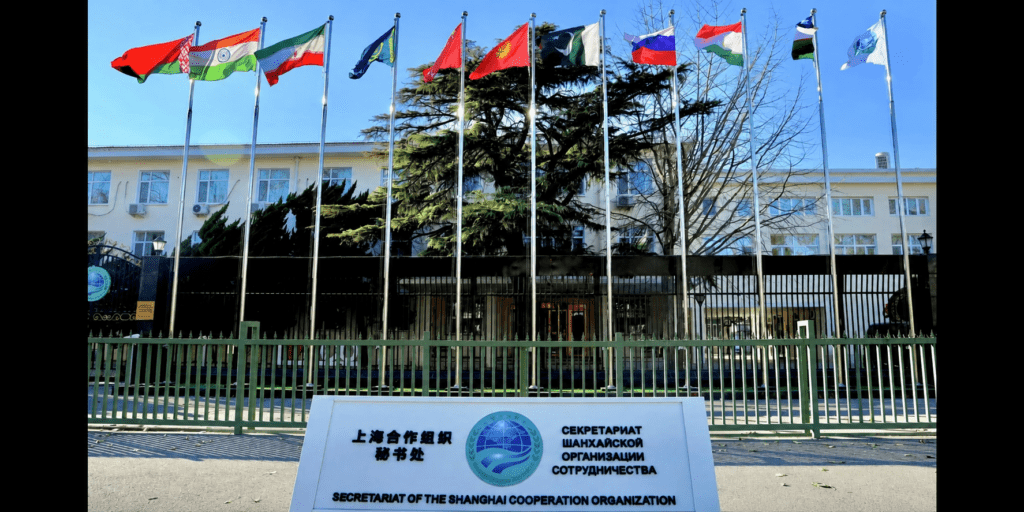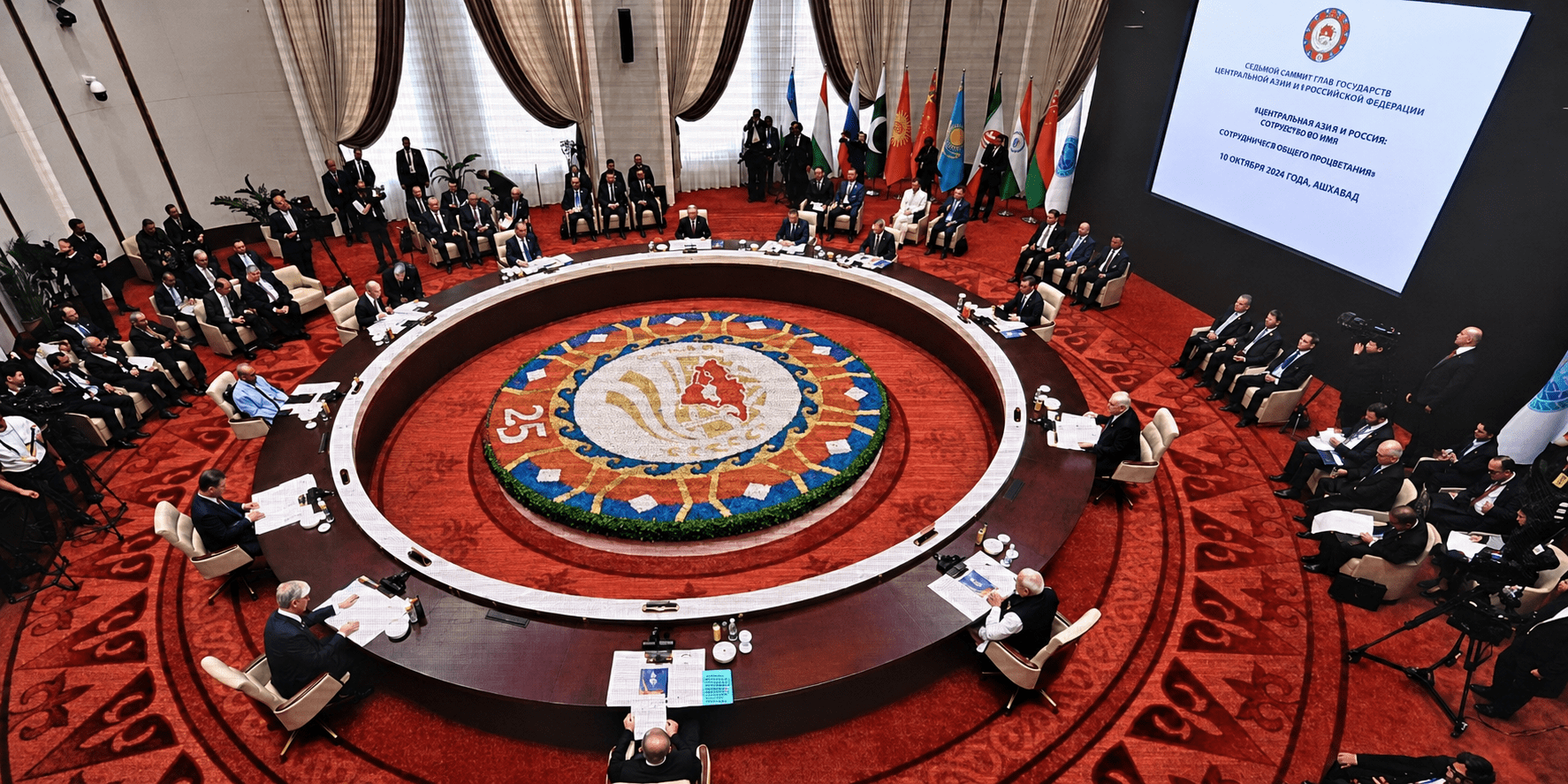
Leaders of the Shanghai Cooperation Organization adopted amendments to the bloc’s Charter and approved regulations for two security bodies in Bishkek on September 1, but stopped short of launching the proposed SCO Development Bank.
The official outcome list contains 28 documents. They include the Bishkek Declaration marking the SCO’s 25th anniversary, a statement on assistance to countries affected by emergencies, and measures covering transport, digital policy, energy, and climate cooperation.
For Kyrgyzstan, which used its fourth chairmanship to press for new financial and emergency response mechanisms, the results were mixed. The emergency statement gave political backing to a Kyrgyz initiative, while the bank remained under negotiation. Kazakhstan then made a competing offer to host its headquarters.
An institutional package
The member states signed a protocol amending the 2002 SCO Charter and approved regulations for the Universal Center for Countering Security Challenges and Threats. They also approved rules for the executive committee of the SCO Anti-Drug Center. The package included programs against drug addiction and synthetic narcotics through 2030, as well as amendments to the 2010 agreement on cooperation against crime.
The decisions continue an institutional reorganization begun at the 2025 Tianjin summit. That meeting approved agreements establishing the Anti-Drug Center in Dushanbe and a Universal Center based on the SCO’s existing regional counterterrorism structure in Tashkent.
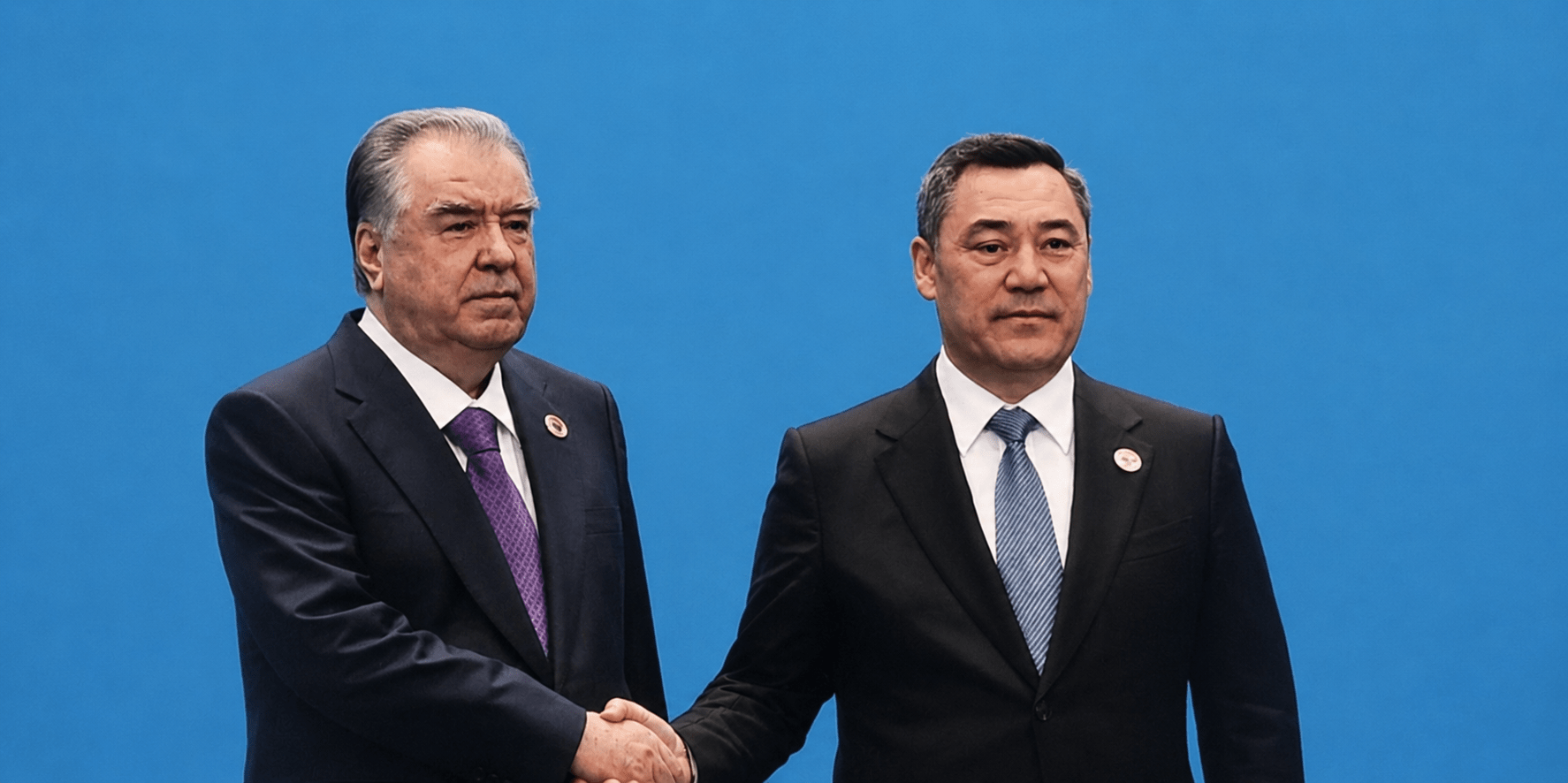
President Sadyr Japarov said the organization should remain free of bloc politics and confrontation. He called for the rapid launch of the Universal Center and said Bishkek had prepared the conditions for an SCO center against transnational organized crime. Opening the meeting, he said the anniversary should become the start of a new phase for the organization.
Bank progress, but no launch
The Bishkek Declaration records progress toward creating an SCO Development Bank among interested member states during Kyrgyzstan’s chairmanship, though the wording is qualified. The summit did not produce a founding agreement, capital commitment, or a launch date.
Japarov urged members to reach a practical decision on the bank and invited them to use Kyrgyzstan’s Tamchy Special Financial Investment Territory for joint projects. Kyrgyzstan had already proposed Bishkek as the bank’s headquarters.
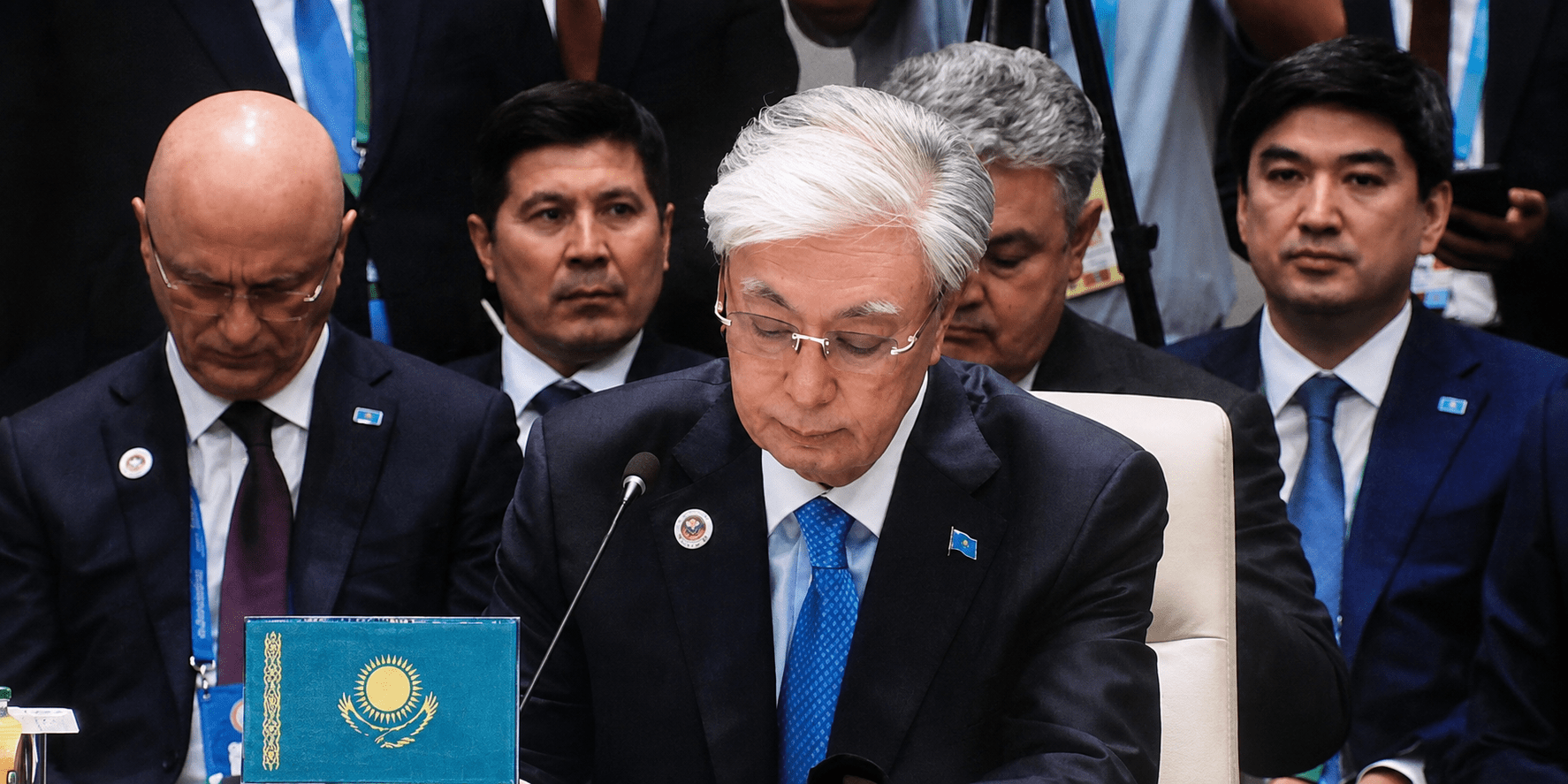
However, Kazakh President Kassym-Jomart Tokayev used his summit address to make a rival offer. Kazakhstan supports directing the proposed bank’s resources toward infrastructure, technology, and industry, he said. “If there is consensus among the member states, Kazakhstan could host this institution, its headquarters,” Tokayev said in the official transcript.
The two bids underline how much remains unresolved. Members reached political consensus to establish the bank in Tianjin last year, but its membership, governance, capital, and location are still being negotiated.
Kyrgyz emergency initiative advances
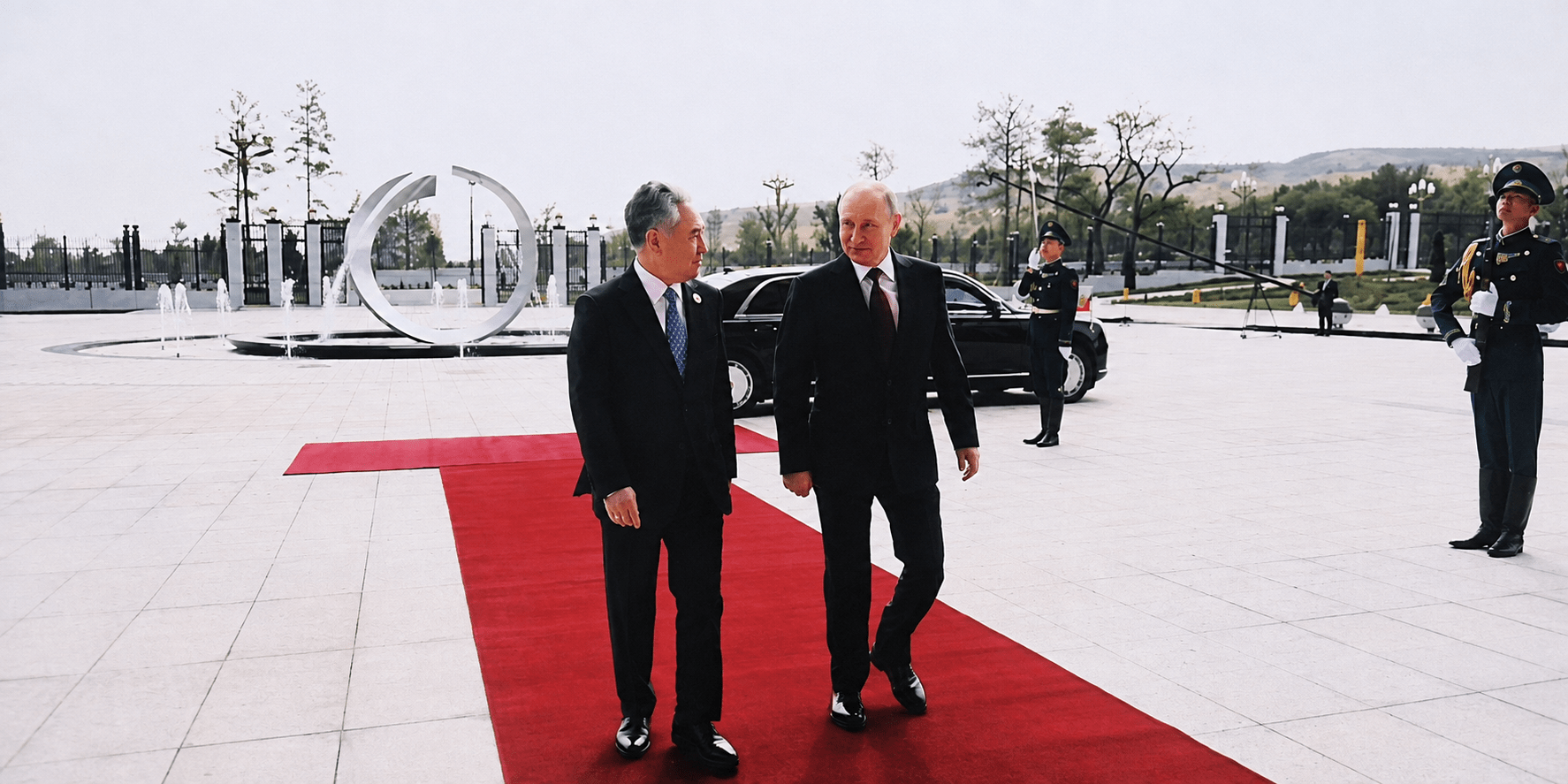
The heads of state adopted a separate statement on assistance to countries affected by emergencies. Kyrgyzstan had spent its chairmanship promoting an SCO assistance mechanism and, in May, sought support for a special account to finance emergency aid after major natural disasters.
The statement’s adoption is a clear political success for Bishkek. Its published title does not establish whether members accepted the proposed special account or how assistance would be funded. Those details will depend on the full statement and implementing rules.
Transport, digital policy, and climate
The summit also approved a 2026-2030 roadmap for ports and logistics centers. Japarov again highlighted the China-Kyrgyzstan-Uzbekistan railway as a major practical project, while Tokayev proposed an SCO transport-connectivity strategy through 2035 and a single digital transit platform.
The digital package included a 2026-2028 international information-security plan and a concept for regional data processing, computing, and artificial intelligence centers. Governments also signed separate memoranda on AI and cooperation in the information sphere, with Japarov warning that unequal access to technology should not become a new dividing line between member states.
On the environment, members adopted a biodiversity initiative and a 2026-2031 action plan, alongside a 2026-2030 Green Technology Corridor. A memorandum on climate cooperation was signed, but no dedicated agreement on water management, glaciers, or the proposed SCO Water Problems Analysis Center appeared in the 28-document list.
Iran, Afghanistan, and the missing language on Ukraine
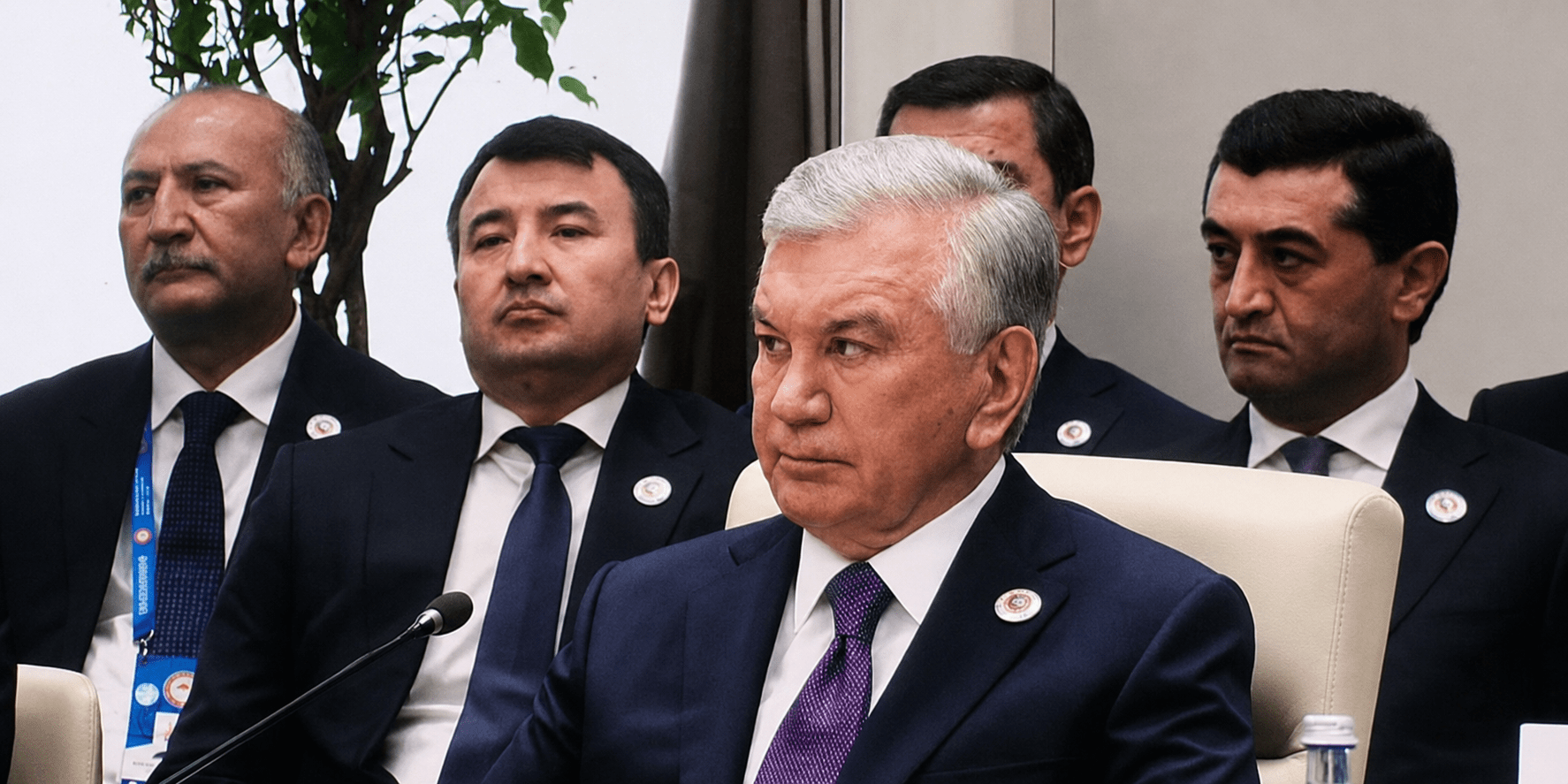
The declaration retained strong political language on Iran. It condemned military strikes on Iranian territory, backed Iran’s sovereignty, and offered condolences over the death of Supreme Leader Ali Khamenei. It also opposed unilateral coercive measures that conflict with the UN Charter and international law.
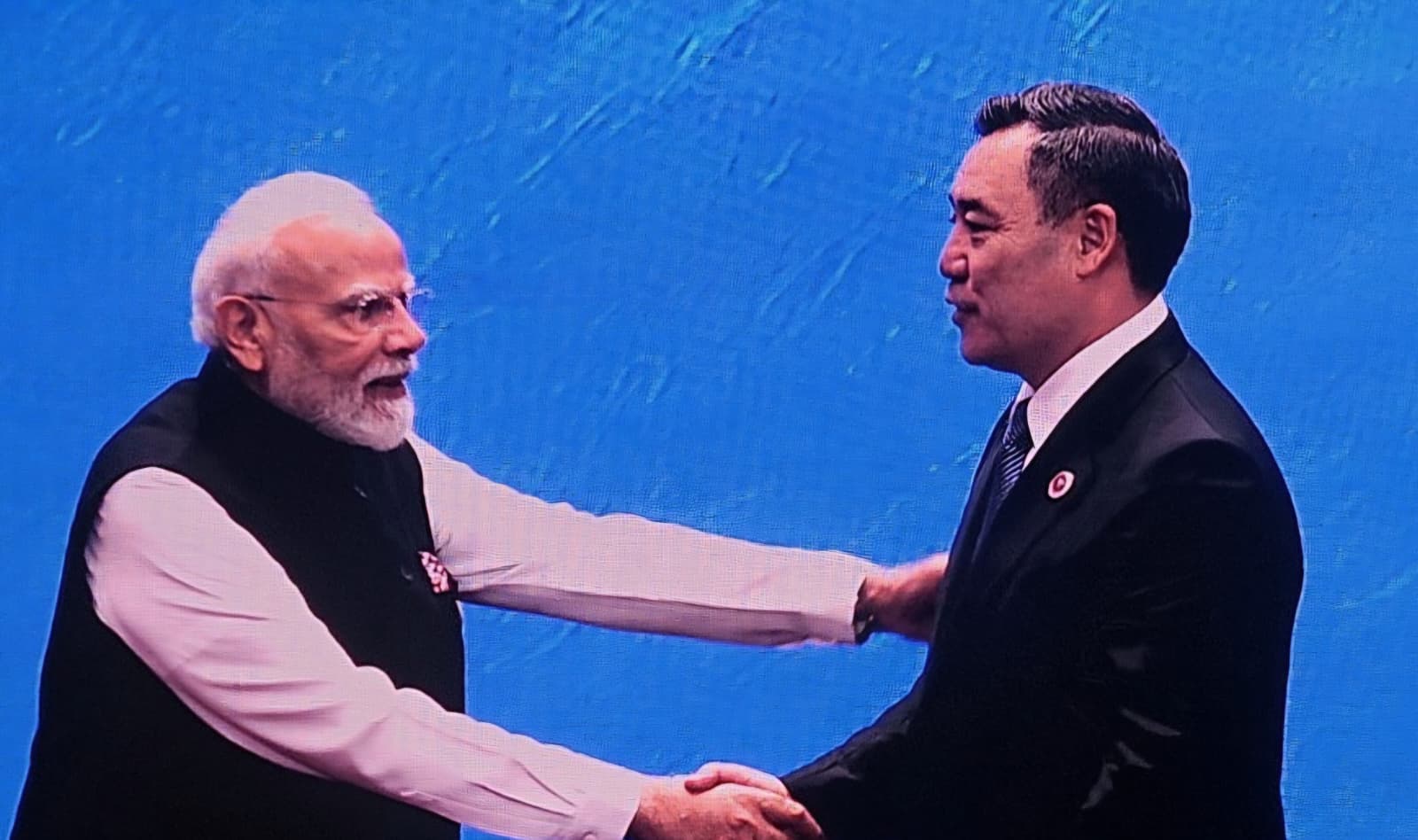
On Afghanistan, members supported an independent, neutral, and peaceful state free of terrorism, war, and drugs. Indian Prime Minister Narendra Modi said stability in Afghanistan was closely connected to security across Eurasia and called for the new SCO security centers to become practical instruments for coordinated action. In his summit address, he also demanded an end to double standards on terrorism and said connectivity projects must respect sovereignty and territorial integrity.
Ukraine was not mentioned in the declaration, but the sharpest public line on the war came from Modi’s bilateral meeting with Russian President Vladimir Putin. “Every day spent on war pushes humanity backwards, whereas every step taken towards peace fills humanity with new hope and enthusiasm,” Modi said. “We need to move from endless war to an end to the war, to a cessation of hostilities.” Putin replied that Russia was moving along that path, according to a Kremlin transcript.
Summit diplomacy beyond the declaration
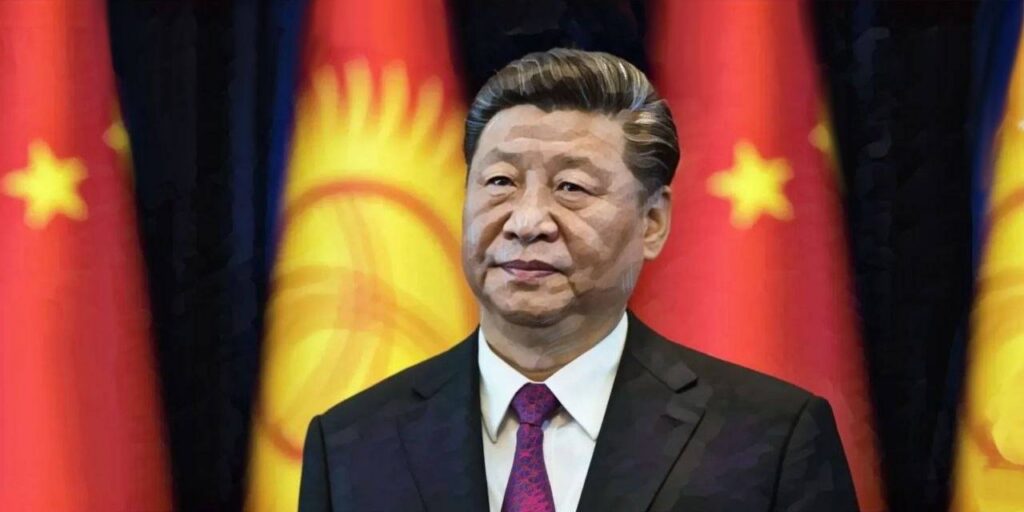
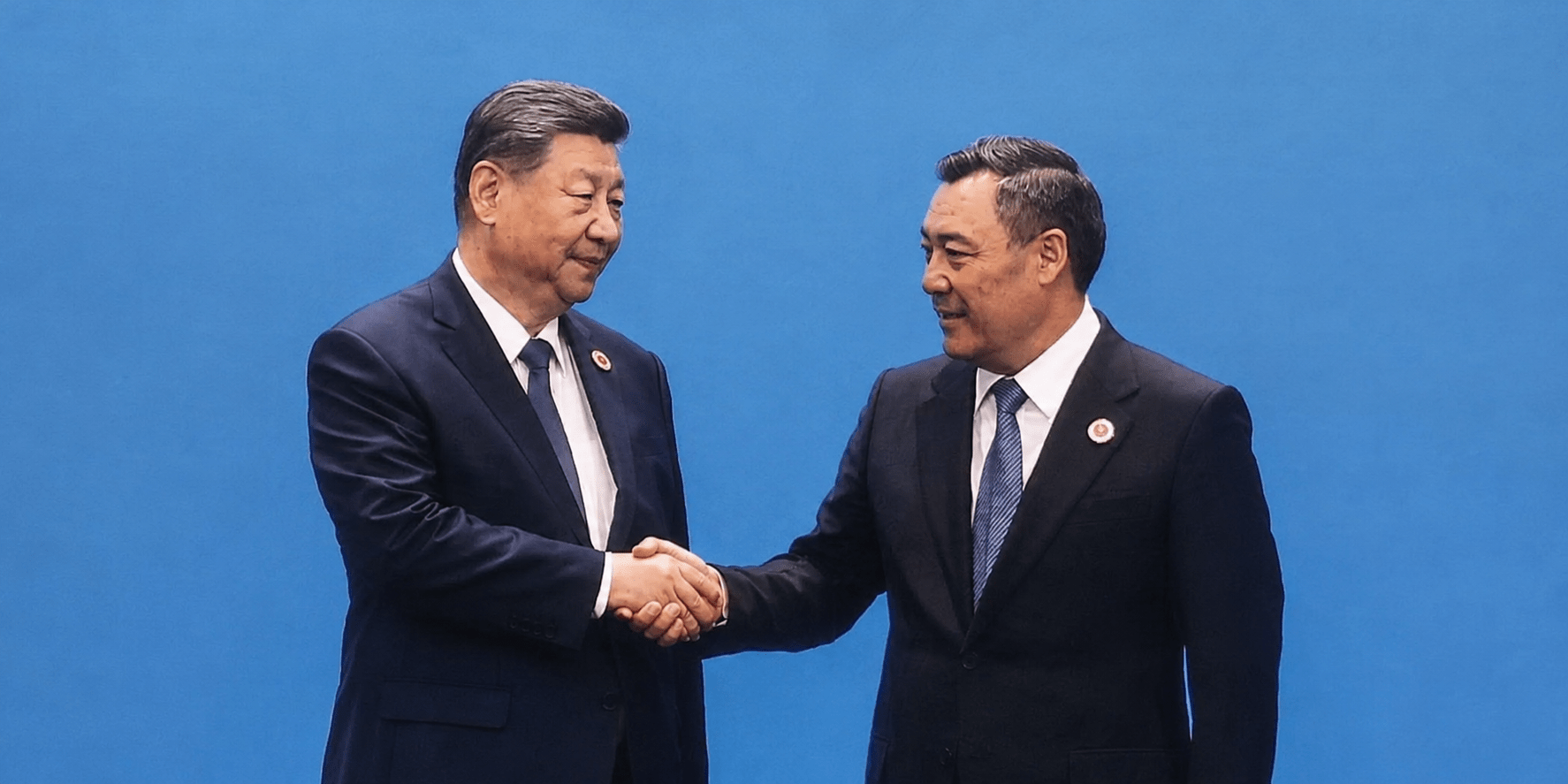
The multilateral meeting followed a dense bilateral program. Xi Jinping and Japarov signed a joint declaration on their countries’ comprehensive strategic partnership and a treaty on permanent good-neighborliness, friendship, and cooperation. Their talks once again placed the China-Kyrgyzstan-Uzbekistan railway at the center of the economic relationship.
Xi told the summit to prioritize development and security, while Modi pressed for cooperation built around security, connectivity, and opportunity. The differences inside the organization remained visible: the declaration carried hard language on Iran, omitted Ukraine, and recorded progress on the bank without resolving how it will work or where it will be based.
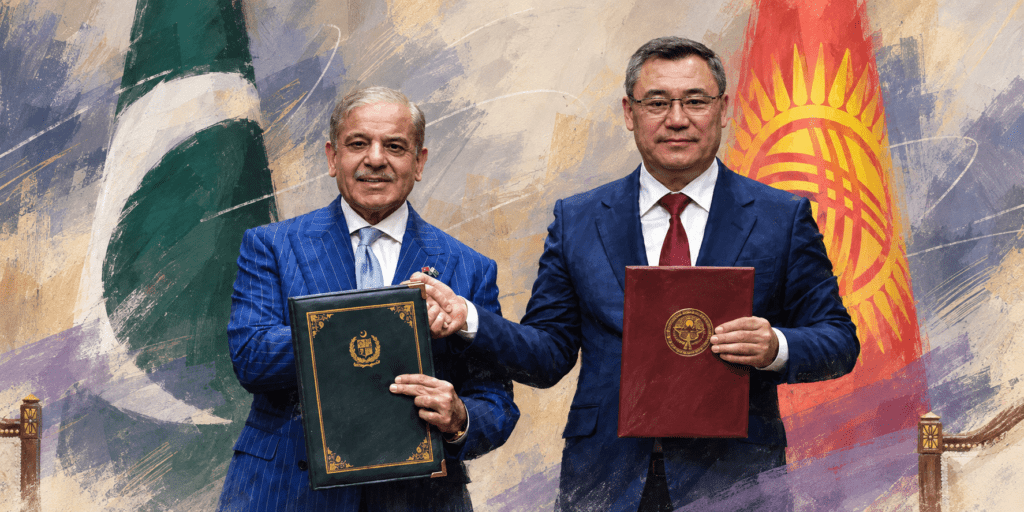
Pakistan now assumes the SCO chairmanship for 2026-2027 and is expected to host the next Council of Heads of State summit in Islamabad. Bishkek leaves it with an enlarged institutional structure and a long list of sectoral programs. But the Development Bank, potentially the SCO’s most consequential economic institution, is still a project rather than an operating lender.