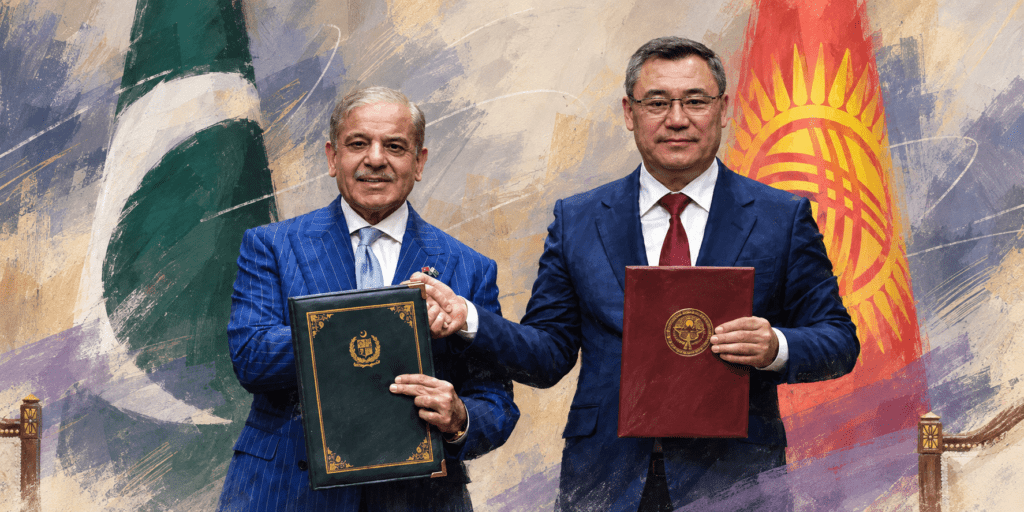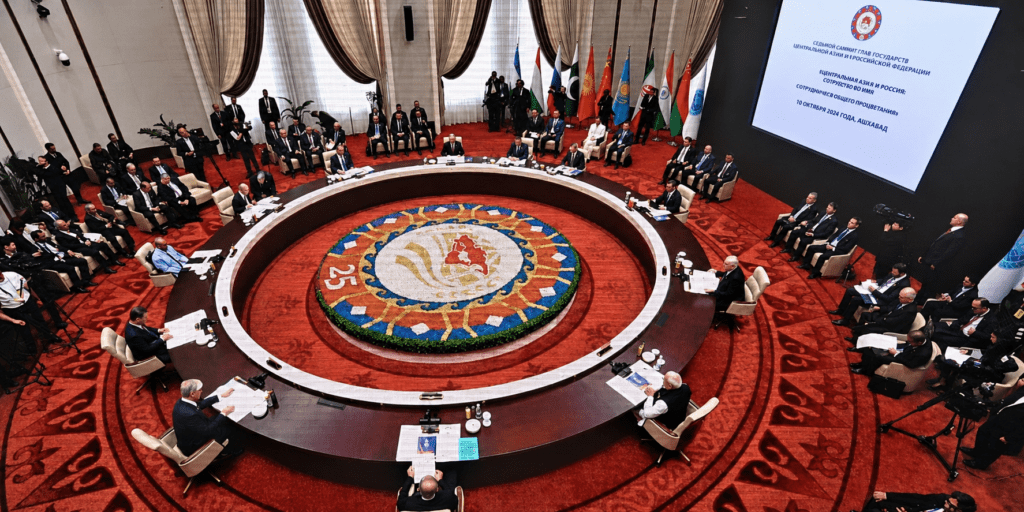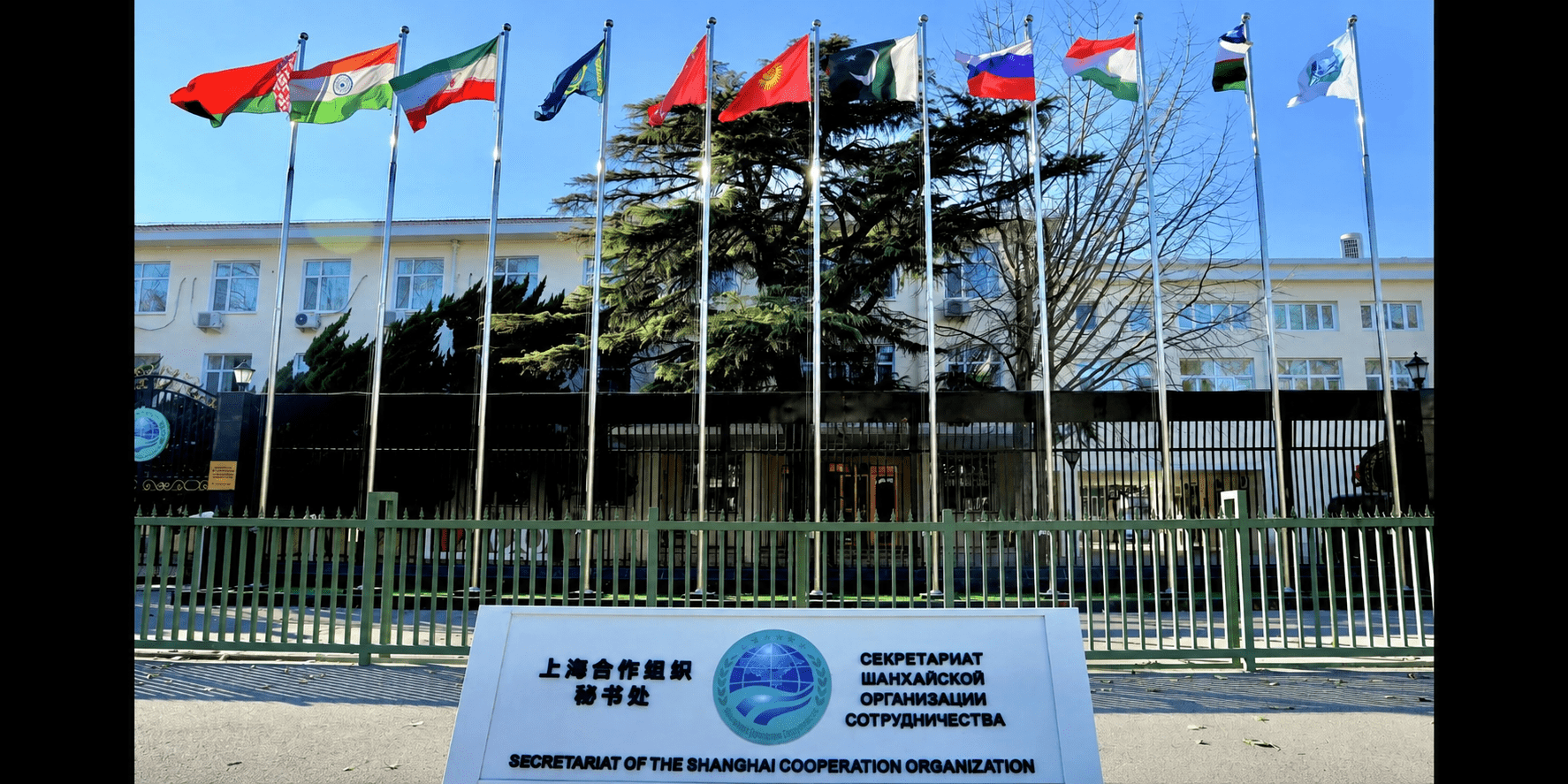
Leaders of the Shanghai Cooperation Organization’s ten member states are due in Bishkek on September 1 for the final summit of Kyrgyzstan’s 2025-2026 chairmanship. The meeting is expected to produce a Bishkek Declaration marking the SCO’s 25th anniversary, alongside thematic statements and other decisions.
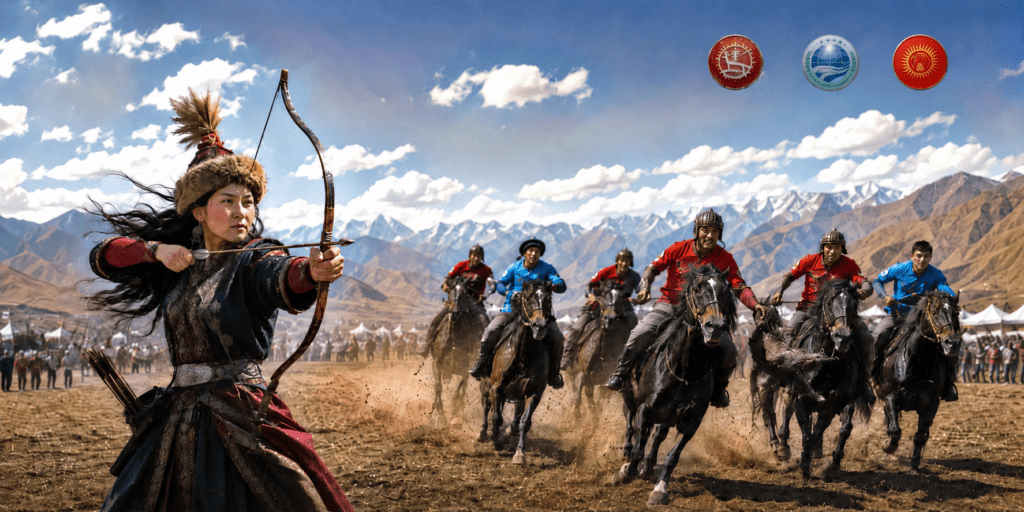
For Kyrgyzstan, the gathering is more than a turn in the organization’s rotating chairmanship. As many as 21 heads of state are expected in the country during the week, according to presidential spokesman Askat Alagozov. The summit coincides with Kyrgyzstan’s Independence Day and the August 31 opening of the World Nomad Games.
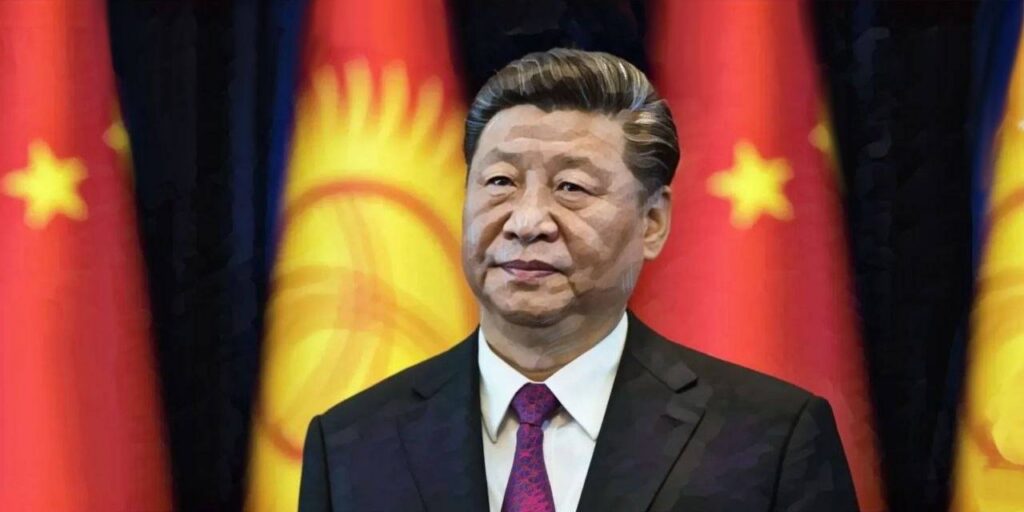
The member-state session will bring together Belarus, China, India, Iran, Kazakhstan, Pakistan, Russia, Tajikistan, and Uzbekistan, with President Sadyr Japarov as host. Chinese President Xi Jinping will also make a state visit, giving the summit a substantial bilateral program alongside the formal meetings.
Kyrgyzstan’s Diplomatic Week
The summit comes less than three months after Kyrgyzstan was elected to the UN Security Council for 2027-2028, its first term on the body. Hosting the SCO gives Japarov an opportunity to reinforce that diplomatic profile before the Security Council term begins in January.
The SCO’s foreign ministers reiterated in July that Central Asia is the organization’s core and backed a larger role for it in the region’s security and economic development. Their statement also praised Kyrgyzstan’s chairmanship and confirmed that the Council of Heads of State and SCO Plus meetings would take place in Bishkek on August 31 and September 1.
What Cholpon Ata Already Settled
At their July 24 meeting in Cholpon Ata, SCO foreign ministers approved the draft declaration and accompanying documents as a basis for the summit. The language is therefore largely negotiated before the leaders arrive, although the final package can still change.
The ministerial statement gives a clearer indication of the political agenda, supporting a multipolar world order and rejecting unilateral sanctions. It also calls for more intra-SCO trade. Terrorism, separatism, extremism, drug trafficking, and transnational organized crime remain its stated security priorities.
The statement says the SCO is entering a period of institutional reform, including changes to its legal framework and cooperation procedures.
A Development Bank Still Taking Shape
Economic cooperation will occupy a significant part of the summit. In Tianjin last year, interested member states reached political consensus to establish an SCO Development Bank. The institution is not yet operational. At the fourth consultation meeting in Shenzhen in June, delegates discussed its key elements and the next stage of negotiations.
A timetable or capital commitments announced in Bishkek would move the proposal beyond its current design stage. The bank could eventually provide another source of finance for infrastructure, but its structure and membership remain unsettled.
Currency diversification will also remain part of the discussion. The 2024 Astana Declaration called for gradual growth in the use of national currencies for settlements among interested members. Sanctions on Russia and Iran have increased the political importance of that effort, although the SCO has not created a common payment system.
SCO Plus, but Not a Single Bloc
The SCO has two observer states and 15 dialogue partners in addition to its ten members. SCO Plus allows selected partners and international organizations to join the wider discussion, but partner status does not guarantee attendance. Invitations are coordinated among the member states.
The expanded format increases the summit’s reach while exposing the differences inside the organization. India and Pakistan will again sit at the same table without a bilateral meeting having been announced. Iran’s President Masoud Pezeshkian will arrive as conflict involving his country and disruption around the Strait of Hormuz continue to affect energy markets and regional trade.
The July ministerial statement condemned military strikes on Iran and called for a political settlement. That shared wording does not mean the member states have identical interests. The declaration is therefore a better indication of what members can agree to say than of what they will actually do.
What Bishkek Can Deliver
Japarov is already assured a large diplomatic gathering and an anniversary declaration. More durable results could emerge from the bilateral meetings. Xi’s state visit is expected to include talks on the $4.7 billion China-Kyrgyzstan-Uzbekistan railway, now under construction after decades of discussion.
New financing or cross-border arrangements for the railway would give Kyrgyzstan a concrete outcome from the week. Progress on the Development Bank or agreed reforms to SCO institutions would add weight to the multilateral package.
The summit will not resolve the conflicts involving its members, but it places Bishkek at the center of Eurasian diplomacy as Kyrgyzstan closes its chairmanship. The scale of the gathering gives Japarov rare international visibility. The agreements announced in Bishkek will determine whether the summit leaves Kyrgyzstan with anything more durable than diplomatic attention.