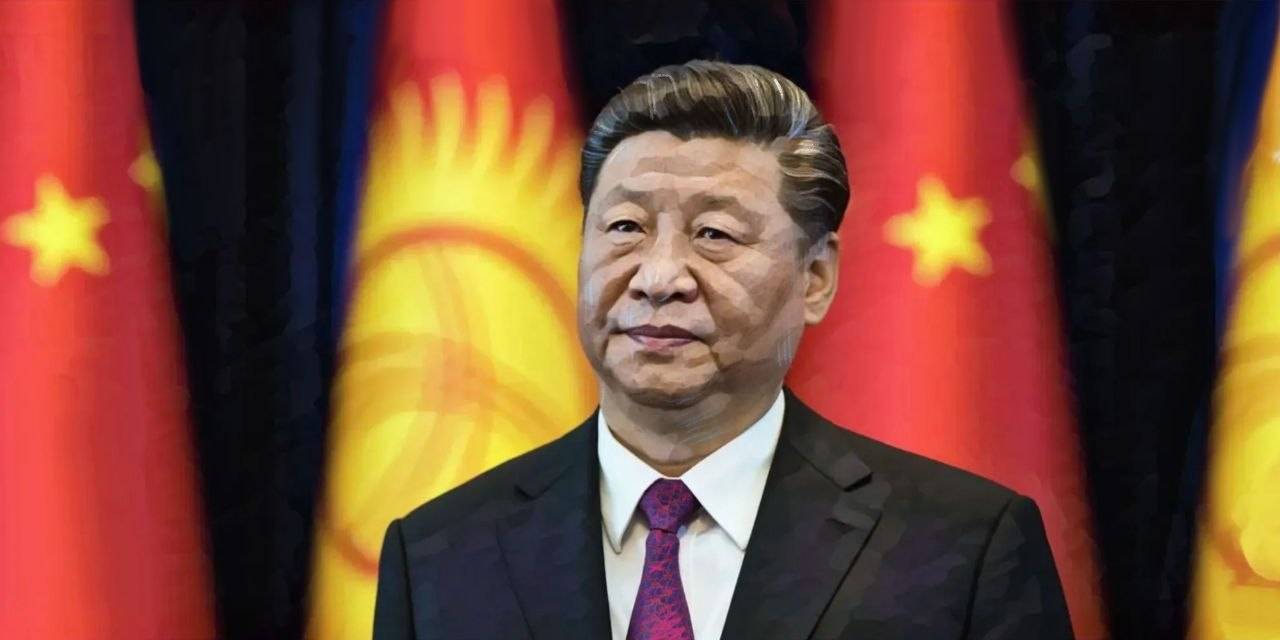
Chinese President Xi Jinping will attend the Shanghai Cooperation Organization summit in Bishkek and make a state visit to Kyrgyzstan, Beijing has confirmed. The trip, which also includes a state visit to Egypt, will run from August 30 to September 3. The formal meeting of the SCO Council of Heads of State is scheduled for September 1. As many as 21 heads of state are expected in Kyrgyzstan during the week, according to presidential spokesman Askat Alagozov.
Xi had long been expected to be among the leaders traveling to the Kyrgyz capital, but the formal confirmation turns attention from the guest list to the business that may be conducted around the main session. For Kyrgyzstan, the most consequential part of the visit may come in Xi’s talks with President Sadyr Japarov rather than in the summit hall.
The Times of Central Asia will be reporting from Bishkek as the delegations arrive, and from the opening ceremony of the World Nomad Games on August 31. Several visiting heads of state are expected to attend the ceremony, which will bring summit diplomacy and Kyrgyzstan’s biggest cultural showcase together on the eve of the SCO meeting. Kazakhstan’s President Kassym-Jomart Tokayev has already confirmed that he will be there.
The spectacle will be considerable, but the substance is likely to emerge in the bilateral meetings, signed agreements, and final documents released around the September 1 summit.
The State Visit and the Railway
The state visit format gives Xi and Japarov a bilateral program alongside the summit. The most prominent economic issue is likely to be the China-Kyrgyzstan-Uzbekistan railway, a project discussed for decades that is now under construction across some of Kyrgyzstan’s most difficult terrain.
The Kyrgyz authorities put the railway’s construction cost at about $4.7 billion. China holds 51% of China-Kyrgyzstan-Uzbekistan Railway Company LLC, while Kyrgyzstan and Uzbekistan each hold 24.5%. Roughly half of the cost is being financed through a 35-year Chinese loan to the company. The summit could bring clearer evidence of how quickly construction is progressing. Any new financing, contracts, or cross-border arrangements would be more significant than another general statement of political support.
The railway also places Kyrgyzstan inside a larger shift in regional trade. Commerce between China and the five Central Asian states passed $100 billion in 2025. Bishkek wants a larger share of that traffic and more of the value created along transit routes. Xi’s visit offers Japarov an opportunity to press the case for logistics hubs, local employment and supporting roads rather than transit alone.
The Documents Behind the Ceremony
The SCO’s national coordinators have been finalizing the outcome documents in the weeks leading up to the summit. Under Kyrgyzstan’s chairmanship, the SCO has emphasized regional stability and economic cooperation, alongside digital transformation, cyber threats, environmental policy, and cultural exchange.
SCO decisions require consensus, which tends to soften disagreements in final communiqués. Any agreements that specify funding, deadlines, or responsibility would give the Bishkek package more weight.
Bilateral Meetings Around the Summit
The summit will bring several difficult relationships into the same room. Indian Prime Minister Narendra Modi and Pakistan’s Shehbaz Sharif are both due in Bishkek, although no bilateral meeting between them has been announced. Russian President Vladimir Putin has said he plans to meet Modi during the SCO gathering.
Putin is also set to meet Iranian President Masoud Pezeshkian, with Iran’s ambassador to Moscow confirming plans for talks on the sidelines of the summit. Meanwhile, any meeting between Xi and Modi would come amid a cautious improvement in China-India relations after years of border tensions.
For Japarov, the concentration of leaders creates a dense bilateral calendar alongside the SCO program. Meetings announced in the final days before the summit may prove as important as the plenary itself, particularly where they produce agreements on infrastructure, trade, energy, or financing.
Bishkek Before September 1
The first major wave of officials is expected to arrive in the Kyrgyz capital on August 31. Manas International Airport will restrict scheduled passenger flights from 9 a.m. to 8 p.m. that day to accommodate aircraft carrying heads of state and official delegations. Restrictions will continue from 10 a.m. to 10 p.m. on September 1.
The September 1 session is expected to conclude with the Bishkek Declaration and a package of accompanying documents prepared during Kyrgyzstan’s chairmanship. Foreign ministers have already approved drafts of the declaration, thematic statements, and other decisions as a basis for the summit.
By then, however, much of the diplomacy may already have taken place in the meetings around it.