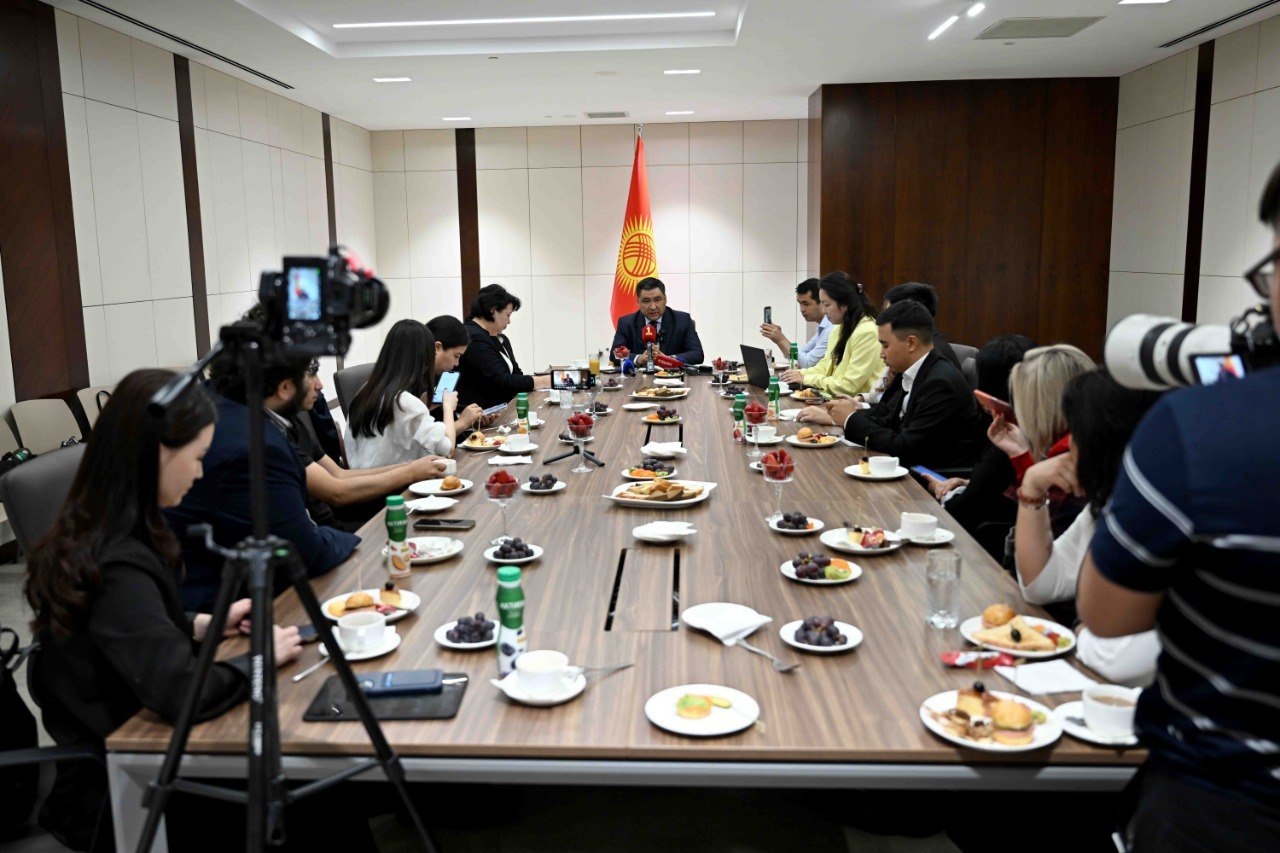
Small and medium-sized businesses now account for more than half of Kyrgyzstan’s economy, but entrepreneurs continue to face high borrowing costs, logistical bottlenecks and rising operating expenses, according to First Deputy Chairman of the Cabinet of Ministers Daniyar Amangeldiev.
According to Amangeldiev, the share of small and medium-sized enterprises (SMEs) in the national economy has reached 51.7%, making the sector one of the country’s key drivers of employment and domestic demand.
“The main obstacle at the moment is access to financing,” he said during a press conference in Bishkek.
Amangeldiev noted that average lending rates in Kyrgyzstan remain at around 19-20%, while the profitability of many businesses does not exceed 15%. As a result, borrowed capital becomes prohibitively expensive, limiting companies’ ability to expand.
The government is currently negotiating with the banking sector to reduce loan costs and has already allocated approximately $3.4 million to support small and medium-sized businesses. Authorities have also introduced interest-rate subsidies to expand entrepreneurs’ access to financing.
In addition to expensive credit, businesses continue to face logistical and customs-related difficulties. According to Amangeldiev, delays in certification procedures and border clearance disrupt supply chains and reduce trade turnover.
“While cargo remains stalled at the border, entrepreneurs’ financial resources are effectively frozen together with the goods,” he said.
The government is placing particular emphasis on the agricultural sector, which remains one of the country’s largest employers. The Cabinet of Ministers has instructed financial institutions to accelerate loan issuance for agricultural producers, noting that the speed of capital turnover is critical for agribusiness operations.
The Kyrgyz authorities are continuing efforts to bring more businesses out of the shadow economy. In 2024, the government abolished part of the voluntary patent-based trading system and required entrepreneurs, including small traders and some tax-exempt businesses, to use cash registers and digital fiscal systems.
The reforms triggered resistance among some entrepreneurs. However, authorities argue that increasing transparency in trade is necessary to broaden the tax base and modernize the economy.