Despite the ongoing war with Russia, Ukraine is attempting to intensify its diplomatic and economic ties with Central Asia. Kyiv is seeking the region’s de facto political support against Moscow, and aiming to rebuild trade relations with the former Soviet republics. But how do the Central Asian nations view Ukraine’s regional ambitions?
Ukraine’s Ministry of Foreign Affairs has recently launched a new department focused on Central Asia – a region that has traditionally been in Russia’s zone of influence. The move comes as no surprise, given that Kyiv is also actively seeking to make diplomatic inroads in Africa, a continent where the Kremlin harbors significant geopolitical ambitions.
But unlike in Africa, which represents relatively new ground for Ukraine — and where it struggles to compete with Russia’s growing influence — Kyiv appears to be in a stronger position in Central Asia. Ukraine and the countries of Central Asia share a common Soviet past, which has left its mark on their relations in various areas, including the economy, culture, and education. A Ukrainian diaspora also lives in all of the Central Asian states and serves as an important link between the nations.
That, however, does not mean that Kyiv’s diplomatic initiative will go flawlessly. Besides the ongoing war, geography is one of the biggest obstacles to Ukraine’s efforts to increase its presence in Central Asia. As a result of the conflict, the Eastern European nation can no longer use its old transport and trade routes to Central Asia through Russia.
Since 2022, trade between Ukraine and the regional countries has dropped significantly, as sending goods back and forth has become more expensive. To bypass Russian territory, products from Ukrainian manufacturers are now transported to Central Asia through countries such as Romania, Bulgaria, Turkey, Azerbaijan, and Georgia. Although these routes are functional, their profitability remains questionable.
Moreover, statistics show that Ukraine’s industrial production index collapsed from 101.7% in December 2021 to 69.3% in December 2024, which is why the war-torn nation is no longer among Central Asia’s major trading partners. In 2012, long before the war, trade turnover between Ukraine and Kazakhstan – Central Asian largest economy – amounted to $5.5 billion, while in 2023 it was only $391 million. At the end of 2023, Ukraine ranked 35th in Kazakhstan’s list of trading partners, while before the war, in 2021, it was the energy-rich nation’s 15th largest trade partner.
Economic ties between Ukraine and Kyrgyzstan are faring no better. According to Idris Kadyrkulov, Kyrgyzstan’s Ambassador to Ukraine, trade between the two countries has “mostly stopped” because many Ukrainian businesses have been hurt by the war, and shipping goods between Ukraine and Kyrgyzstan has become “at least three times more expensive than before the Russian invasion.”
That is why, under the current circumstances, strengthening economic ties between Ukraine and the Central Asian states does not seem realistic. Fully aware of this, Kyiv is counting on the regional nations’ economic support in the post-war era – an area in which Kazakhstan has already shown interest.
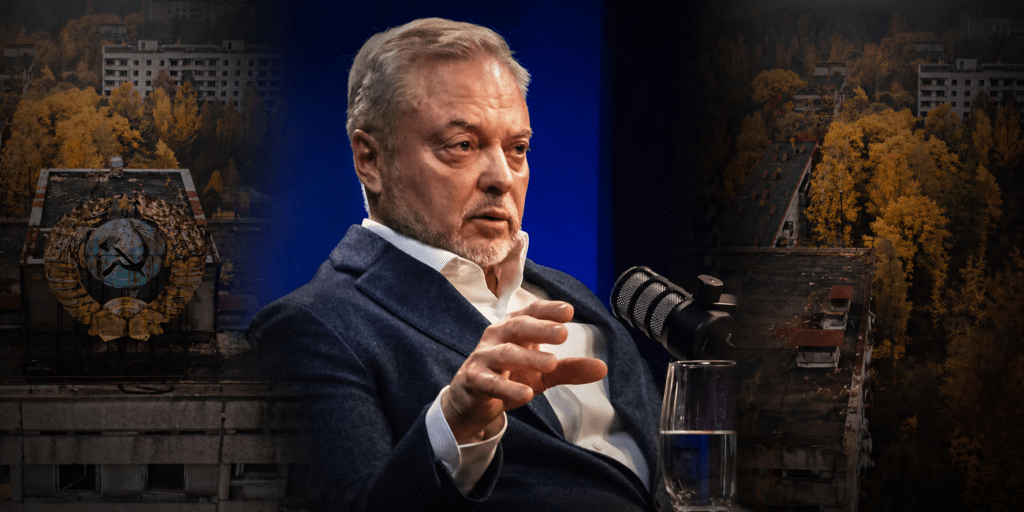
According to Viktor Maiko, the Ukrainian Ambassador to Kazakhstan, the largest Central Asian country, can take part in the post-war reconstruction of Ukraine, especially in areas such as energy, infrastructure, housing, hospitals, and schools. “Given the scale of destruction, Ukraine is looking for reliable and experienced partners,” Maiko stressed, expressing hope that Ukrainian companies will also come to work in Kazakhstan.
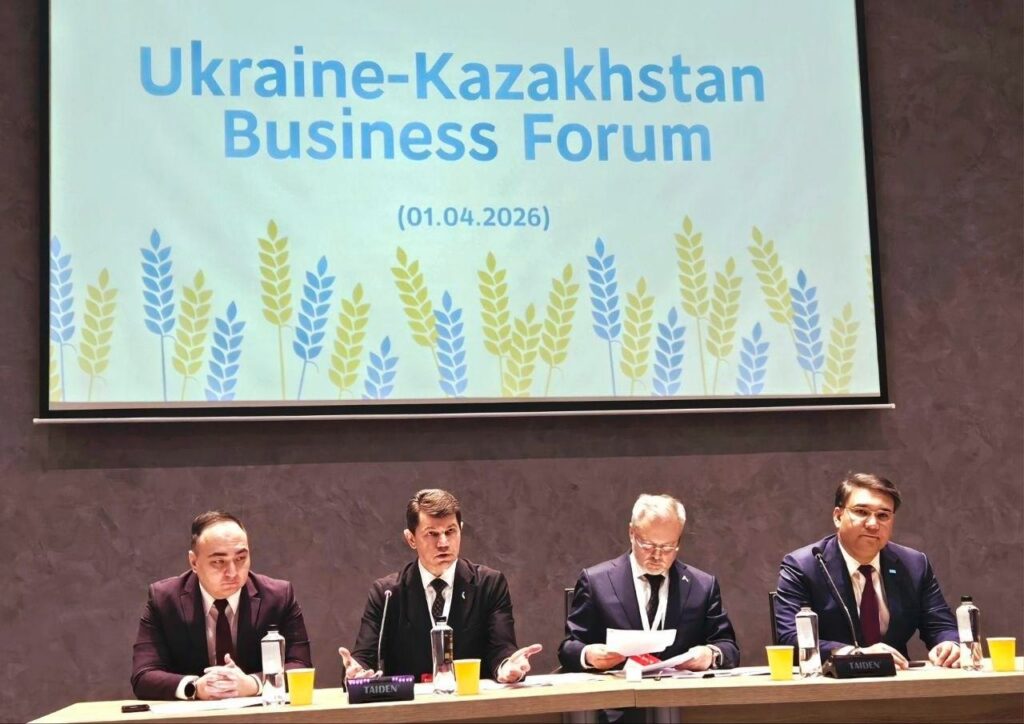
Indeed, despite the war, many Ukrainian enterprises continue to operate in Kazakhstan. As of August 1, 2024, 1,330 active firms with Ukrainian participation were registered in the largest Central Asian economy. The Ukrainian company UBC Group has even invested €60 billion ($69,5 billion) into the construction of a refrigerator plant in the Turkestan region.
Besides economic ties, Kyiv also appears to be seeking closer political relations with Central Asia. Last year, Ukrainian President Volodymyr Zelensky gave his first interview to Central Asian media, while last month he received credentials from Kazakhstan’s newly appointed ambassador to Ukraine, Tolezhan Barlybayev. Previously, in 2023, Zelensky’s top aide, Andriy Yermak, indirectly called on the Central Asian states to reconsider their multi-vector foreign policies, and “join the sponsors of a new, fairer, and safer world order.”
Ambassador Maiko, on the other hand, seems to have a more balanced approach regarding Central Asia.
“I will continue to stand by the position that Central Asia is a major, self-sufficient, and promising partner – politically, economically, and in terms of cultural and humanitarian cooperation – not only for Europe as a whole, but also for Ukraine,” he stressed.
The coming months will reveal whether Kyiv’s decision to focus more attention on Central Asia will lead to tangible progress in political and economic cooperation with Kazakhstan, Kyrgyzstan, Tajikistan, Turkmenistan, and Uzbekistan, or if it is primarily aimed at securing their support against Russia.
One thing is for sure – the countries of Central Asia will seek to continue cooperation with Russia when it serves their interests, while simultaneously strengthening ties with Western powers, China, and Turkey, as well as with Ukraine. But to preserve this delicate balance, they will likely have to refine their strategies and apply the most effective diplomatic measures.