Kyrgyzstan’s Cabinet of Ministers has confirmed that the country will continue importing electricity in 2026 to compensate for a persistent shortfall in domestic power generation, Deputy Energy Minister Altynbek Rysbekov said during a meeting of a parliamentary committee.
According to Rysbekov, Kyrgyzstan currently produces around 14.5 billion kilowatt-hours of electricity per year, while overall demand exceeds domestic supply by approximately 4.5 billion kilowatt-hours. To bridge the gap, the country imported about 4.3 billion kilowatt-hours of electricity in 2025, and officials expect similar volumes will be required next year.
Rysbekov said electricity imports remain necessary to meet consumption needs, particularly during periods of peak demand. Electricity is sold to households at a socially regulated tariff that does not fully reflect production and import costs, with the difference absorbed by the national power company, NENK, placing a continued strain on the utility’s finances.
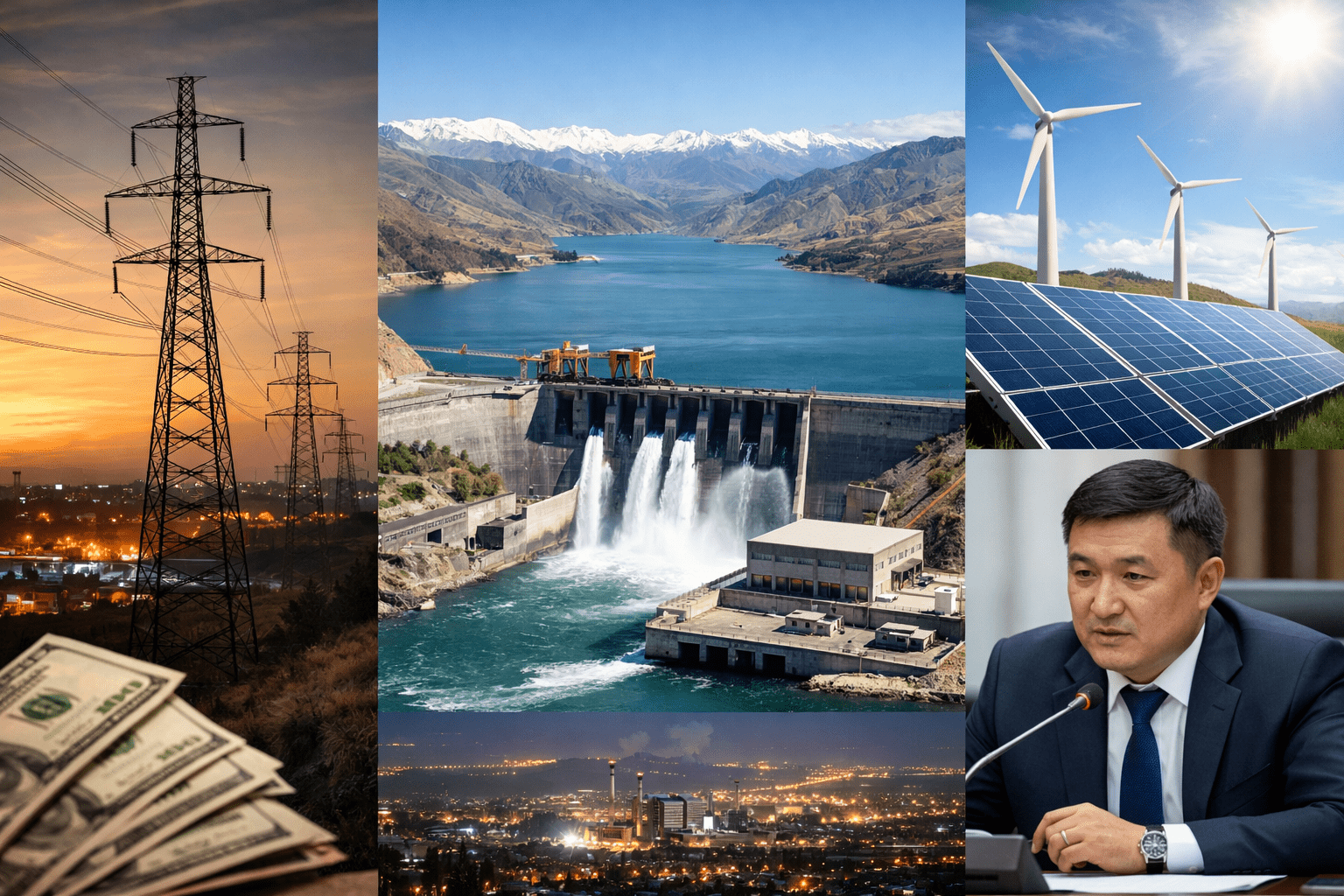
The deputy minister acknowledged that reliance on imported electricity reflects deeper structural challenges in Kyrgyzstan’s energy sector. The country remains heavily dependent on hydropower, with the Toktogul Hydroelectric Power Station alone supplying about 40% of the country’s electricity, leaving generation vulnerable to fluctuating water levels at major reservoirs. Reduced inflows and steadily rising domestic consumption have contributed to recurring electricity shortages in recent years.
Officials said the government’s medium- and long-term strategy is aimed at reducing dependence on electricity imports by expanding domestic generation capacity and diversifying energy sources. Rysbekov noted that efforts are underway to attract investment into renewable energy projects, including wind and solar power, alongside upgrades to existing infrastructure.
The Energy Ministry has previously said that increasing non-hydropower generation is essential to improving energy security and reducing seasonal risks, particularly during dry years. However, officials have cautioned that new capacity will take time to come online, making electricity imports unavoidable in the near term.
Kyrgyzstan has relied on electricity imports from neighboring countries during periods of deficit for much of the past decade, a pattern authorities say will continue until long-standing imbalances between supply and demand in the energy sector are addressed.