Kyrgyzstan coal is increasingly destined for China, as the country seeks to develop new transport links and infrastructure to grow exports to its western neighbour.
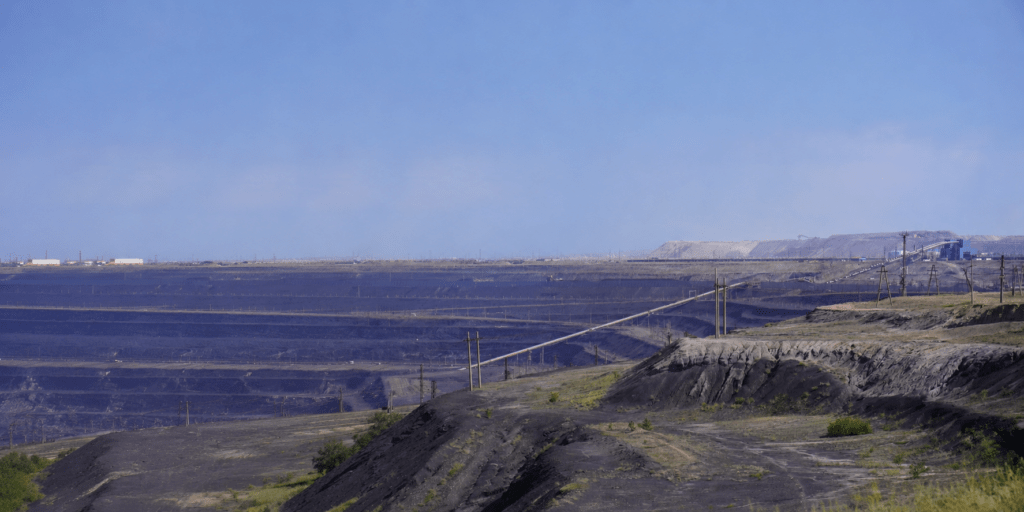
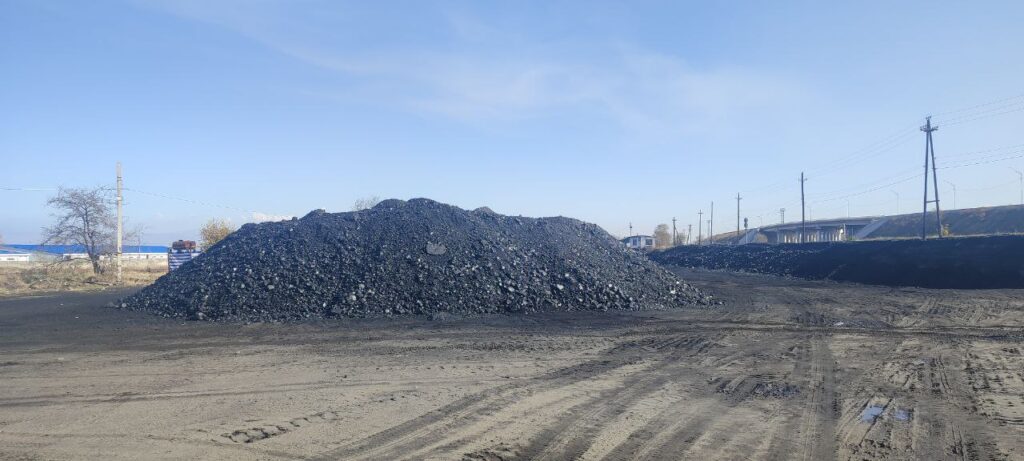
A new coal cleaning and enrichment line has begun operating at the Torugart-1 deposit in Naryn Region, near the Kyrgyz-Chinese border. The project is being implemented jointly by state-owned coal company Kyrgyzkomur and the Chinese company Dun-Sen.
According to Kyrgyzstan’s Ministry of Energy, the new equipment is intended to improve coal quality and reduce the environmental impact associated with coal extraction and preparation.
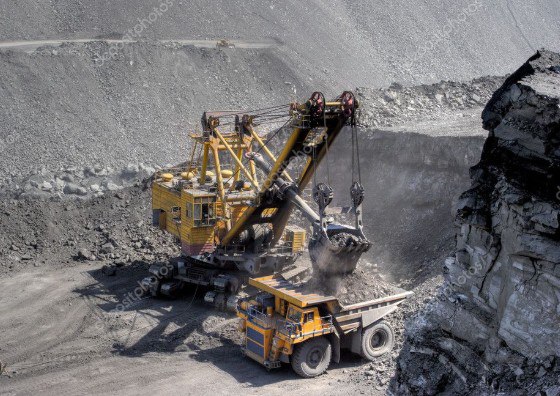
The agreement to jointly develop the Torugart-1 deposit was signed on May 13, 2025. Geological surveys confirmed reserves of approximately 423,400 tons of coal within a 54-hectare mining area. The deposit is being developed through open-pit mining, with production expected to exceed 100,000 tons in 2026. The Chinese company has invested around $2 million in the project.
“The launch of such facilities is strategically important for ensuring energy security, supplying the domestic market with high-quality coal, and supporting regional development,” Energy Minister Taalaibek Ibraev said.
Torugart-1 began operations in November 2025. Shortly after its launch, Chairman of the Cabinet of Ministers Adylbek Kasymaliev visited the site and instructed officials to ensure stable operations while accelerating the start of coal exports through the Torugart border crossing with China.
The development of Torugart-1 forms part of a broader strategy aimed at expanding Kyrgyz coal exports to China.
On May 20, 2026, officials launched a separate Kyrgyz-Chinese logistics project valued at $430 million in the village of Nura in Osh Region.
The project is being implemented through a partnership between Kyrgyzkomur and China’s Xinjiang Dacheng Yuanlong Technology. Its main objective is to facilitate coal exports from the Tekelik deposit through the Irkeshtam border crossing with China.
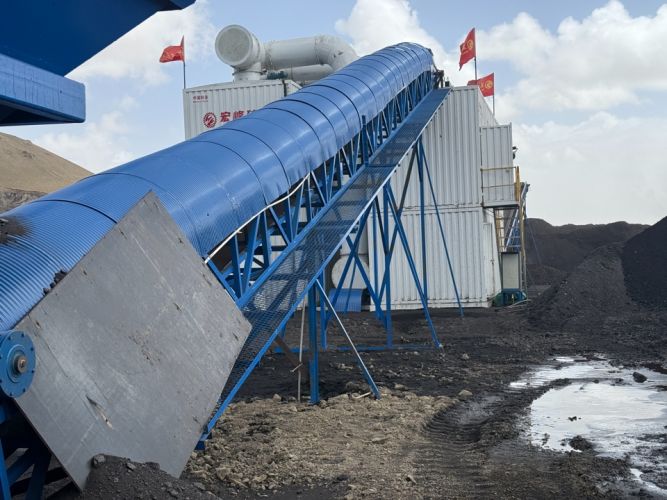
The planned logistics hub will occupy a 10-hectare site and include two coal processing plants, as well as a conveyor-belt transportation system designed to move coal directly toward export routes.
Once completed, the infrastructure is expected to handle up to 10 million tons of coal annually. The first phase includes construction of a 7.7-kilometer conveyor line, with long-term plans calling for an extension of up to 157 kilometers.
Kyrgyzstan’s push to expand coal production coincides with growing demand for Kyrgyz coal in China.
As previously reported by The Times of Central Asia, coal shipments to China have been rising, with the Torugart and Irkeshtam border crossings serving as the main export corridors.
On December 3, 2025, the Kyrgyz government introduced a six-month ban on coal exports by road in an effort to stabilize domestic supplies and prices. The coal push comes as Kyrgyzstan looks for ways to ease pressure on its power system, which remains heavily dependent on hydropower and vulnerable to winter shortages when electricity and heating demand rise.
However, the restrictions did not apply to exports passing through the Torugart and Irkeshtam border crossings, highlighting the delicate diplomacy involved in Kyrgyzstan’s dealings with Beijing.
The projects are significant for Kyrgyzkomur and for cross-border trade with China, although Torugart-1 remains modest in national terms. Its reserves of about 423,400 tons are small compared with Kyrgyzstan’s 2024 coal output of 4.396 million tons, while planned production of more than 100,000 tons in 2026 would represent only a small share of the country’s annual output.
Kyrgyzstan exported 1.1 million tons of coal worth $52.7 million in 2024. Uzbekistan remained the largest buyer, while shipments to China rose sharply. Chinese customs-based reporting put Kyrgyz coal imports at about 141,000 tons worth almost $7 million in 2024, before falling to 89,000 tons worth $4 million in 2025.
The latest investments suggest that Bishkek sees coal not only as a source of domestic energy security but also as a growing export commodity capable of strengthening economic ties with its largest neighboring market.