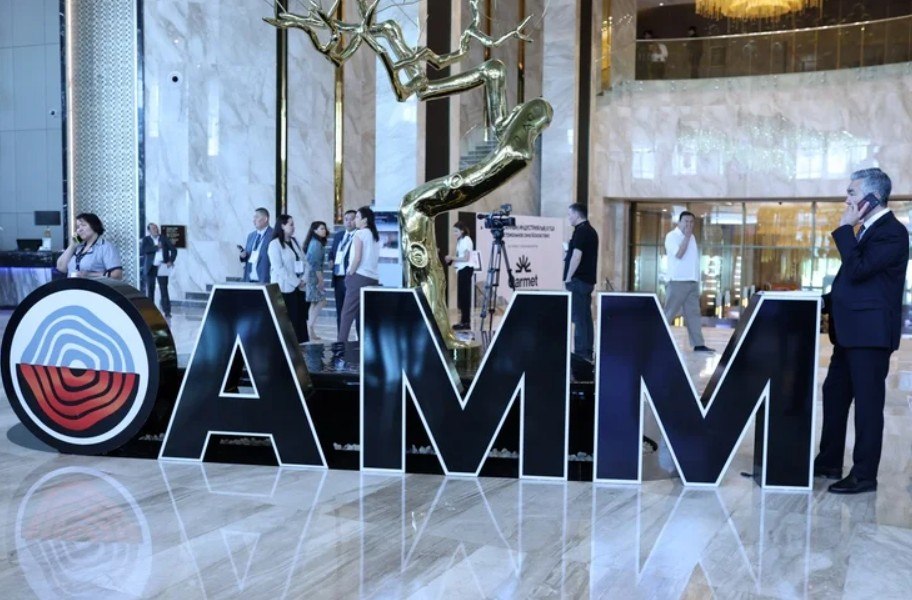
ASTANA — Kazakhstan used the opening of the Astana Mining & Metallurgy Congress 2026 to place its mining and metals sector at the center of a new industrial strategy built around critical minerals, processing, technology, and long-term foreign investment.
Addressing more than 1,500 participants from 16 countries, Prime Minister Olzhas Bektenov said Kazakhstan’s economy grew by 6.5% in 2025, while gross domestic product exceeded $300 billion for the first time. He tied that performance to President Kassym-Jomart Tokayev’s course toward a modern economy based on technology, investment, industrial development, and human capital.
For international investors, the speech presented Kazakhstan as a resource economy entering its next stage, not as a new market waiting to be discovered. Bektenov emphasized that major projects in subsoil use, metallurgy, and downstream processing require large capital commitments, long investment cycles, strong institutions, predictable regulation, and business confidence.
“The world is entering a new industrial era in which the development of energy systems, digital economy, AI, electric vehicles, microelectronics, and aerospace industry depends directly on reliable access to metals and mineral resources,” Bektenov said.
He described critical minerals as “the defining resources of the new industrial era,” placing Kazakhstan’s mineral base within the wider competition for inputs used in batteries, semiconductors, energy systems, electric vehicles, microelectronics, aerospace, AI, and the digital economy.
Bektenov said Kazakhstan possesses substantial mineral resource potential and ranks among global leaders in reserves of a wide range of minerals. Products from the country’s mining and metals sector, he said, are already in demand across major world markets. He argued that Kazakhstan is not starting from scratch. It has resources, operating mines, metallurgical capacity, export experience, and a government policy aimed at moving more of the value chain inside the country.
The most commercially significant announcement concerned exploration. Bektenov said Kazakhstan is implementing a large-scale geological exploration program, with detailed geological mapping expected to exceed two million square kilometers. At Tokayev’s instruction, the state alone plans to invest approximately $470 million in geological exploration between 2026 and 2028, an amount Bektenov described as comparable to total public spending on exploration over the previous two decades.
That spending is designed to strengthen the project pipeline and reduce early-stage uncertainty for investors. For mining companies, drilling firms, geological service providers, laboratory operators, equipment suppliers, and data companies, the expansion of geological coverage could create new entry points into Kazakhstan’s mineral sector.
Bektenov also pointed to digitalization as part of the government’s effort to modernize the sector. Kazakhstan has established a Unified Subsoil Use Platform that provides 22 public services, supports the issuance of licenses, and monitors the obligations of subsoil users. More than 4.6 million units of primary geological data have been digitized, including materials previously stored on paper, magnetic tapes, and photographic records.
The next step, he said, is the integration of artificial intelligence into geological exploration, data analysis, and production management. Bektenov framed this as a shift in the operating model of Kazakhstan’s mining industry, rather than a simple increase in extraction volumes.
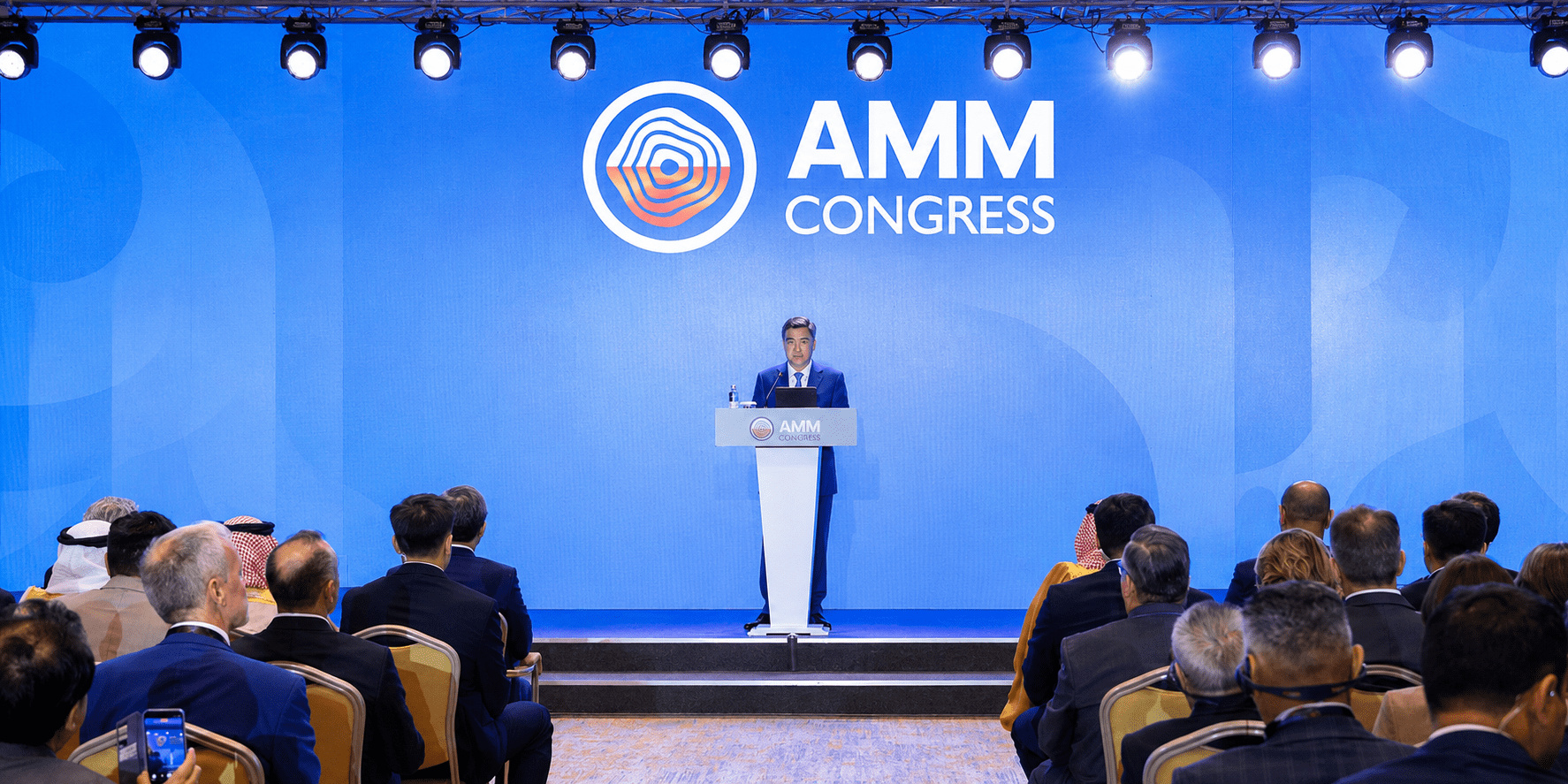
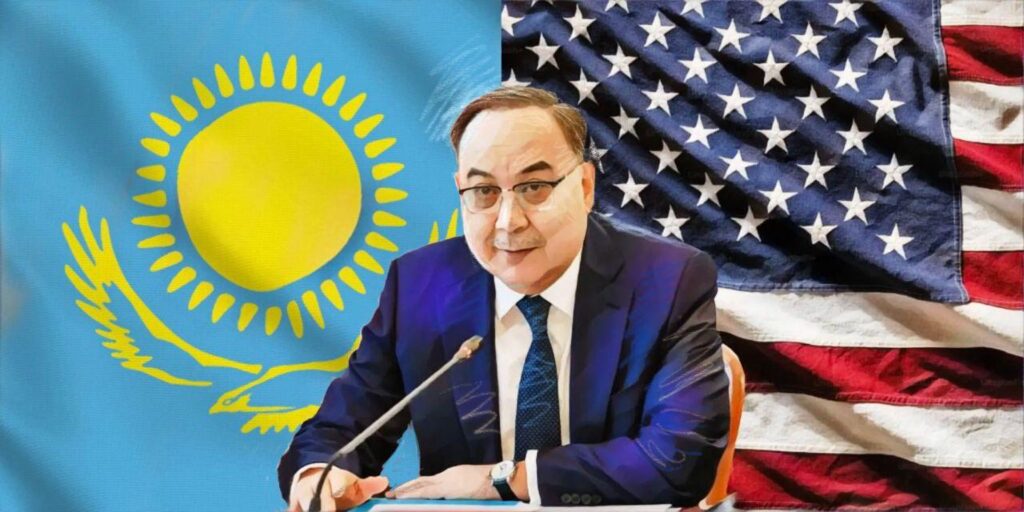
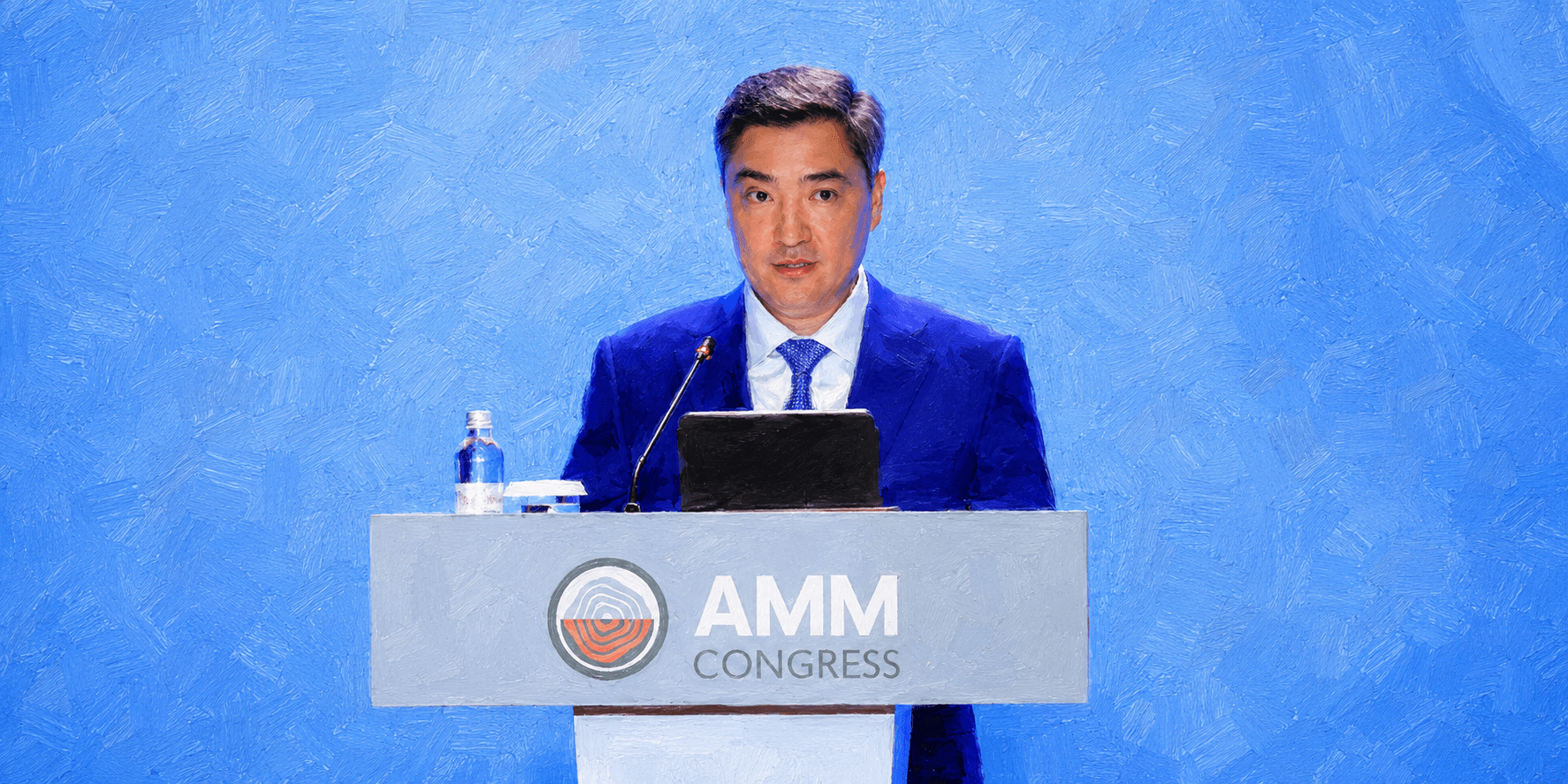
Prime Minister Olzhas Bektenov; image: TCA
The industrial direction is downstream. Bektenov said several large-scale facilities producing cathode copper, ferrosilicon, ferroalloys, and other products have been commissioned over the past two years, with total investment exceeding $1 billion. He also cited a copper smelter project in the Abai Region worth more than $1.5 billion, intended to process copper concentrate inside Kazakhstan rather than export it as raw material.
In the Pavlodar Region, a hydrometallurgical plant is under construction to process up to 300,000 tonnes of gold-copper concentrate and produce up to 15 tonnes of gold per year. Bektenov also highlighted Qarmet’s modernization program in the Karaganda Region, including plans to expand production of higher value-added steel products such as automotive-grade steel.
These examples were presented as part of Kazakhstan’s wider program of new industrialization. The government wants to use the country’s mineral base to support processing, manufacturing, technology transfer, and workforce development. That gives international investors an opportunity, but also sets expectations.
Bektenov said Kazakhstan is working with companies from the U.S., China, the European Union, Japan, South Korea, and other countries. He said Astana wants investment to come with long-term technology partnerships, localized production, technology transfer, and workforce development.
For investors, that points to opportunities beyond extraction, including processing technology, engineering, localization, and industrial training. Companies approaching the country only as a source of raw material will be out of step with the policy direction outlined at AMM 2026.
Bektenov also sought to address the institutional side of investment. He said long-cycle projects in mining, metallurgy, and downstream processing depend on strong institutions, predictable regulation, and business confidence. He linked that agenda to protection of private property rights and adherence to the norms and principles of international law.
“Kazakhstan is committed to strengthening its position as a reliable supplier of strategic raw materials, developing into a regional hub for processing and higher value-added manufacturing, and serving as a platform for major international projects in the fields of critical minerals and advanced technologies,” Bektenov said.
The speech positioned Kazakhstan as a country with choices in a tightening global minerals market. It has the resource base, industrial assets, state-backed geological program, and processing ambitions that foreign investors are seeking. The question for international companies is whether they can move quickly enough, and with enough industrial depth, to secure a role in Kazakhstan’s next phase of development.
For more on the Astana Mining & Metallurgy Congress and Exhibition 2026, see our special coverage.
See our complete special coverage of the developments strengthening Central Asia’s role in U.S. mineral supply chains.