Tajikistan has created a dedicated fund to reinvest money collected from tourists and travel companies in the country’s tourism industry. The move comes amid rising visitor numbers, with nearly 890,000 foreign tourists visiting the country in the first half of 2026, up 16.7% from a year earlier.
The tourist fee predates the fund, which the government formally established by a resolution adopted on July 1. The fund will be used to improve tourism infrastructure and service standards.
The money will be kept in a separate account at the Ministry of Finance’s Central Treasury, while the Tourism Development Committee is required to report to the government every six months on how the funds are used.
Tourism permit fees and fines for nonpayment will provide additional revenue. The fund will also receive 5% of the value of outbound tour packages sold to citizens of Tajikistan, channeling money from trips abroad into tourism development at home.
For foreign travelers, the fee depends on the type of accommodation and is based on Tajikistan’s “calculation indicator,” a government-set benchmark used for official charges.
In 2026, one calculation indicator is set at 78 somoni, or about $8.40. Under the current rates, the fee is 0.2 of the indicator per day at hotels and similar accommodation, and 0.15 at guesthouses and hostels. That works out to 15.6 somoni a day in the first category and 11.7 somoni in the second, roughly $1.70 and $1.30 respectively. The charge is small relative to the overall cost of a trip to destinations such as the Pamirs. The government resolution does not state how much revenue the fund is expected to collect.
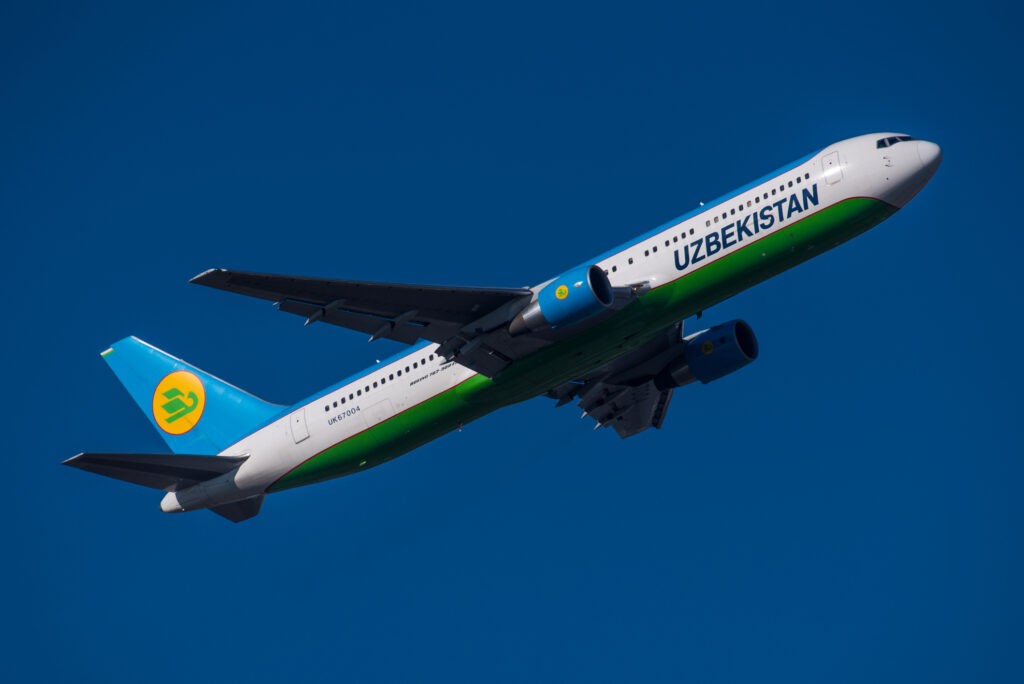
Uzbekistan was the largest source market, accounting for more than half of the total, or 510,400 tourists. Russia accounted for 175,800 and Kyrgyzstan for 89,000. Another 23,100 came from Kazakhstan and 22,700 from China. The committee expects Tajikistan to receive more than 2 million foreign tourists in 2026.
Russia remains one of the country’s main source markets. Russian tour operators report growing demand for the Pamir Highway and the Wakhan Corridor. The Fann Mountains and combined trips through Tajikistan and Uzbekistan are also popular. Operators cite expensive airfares and insufficient tourist infrastructure as obstacles familiar to independent travelers.
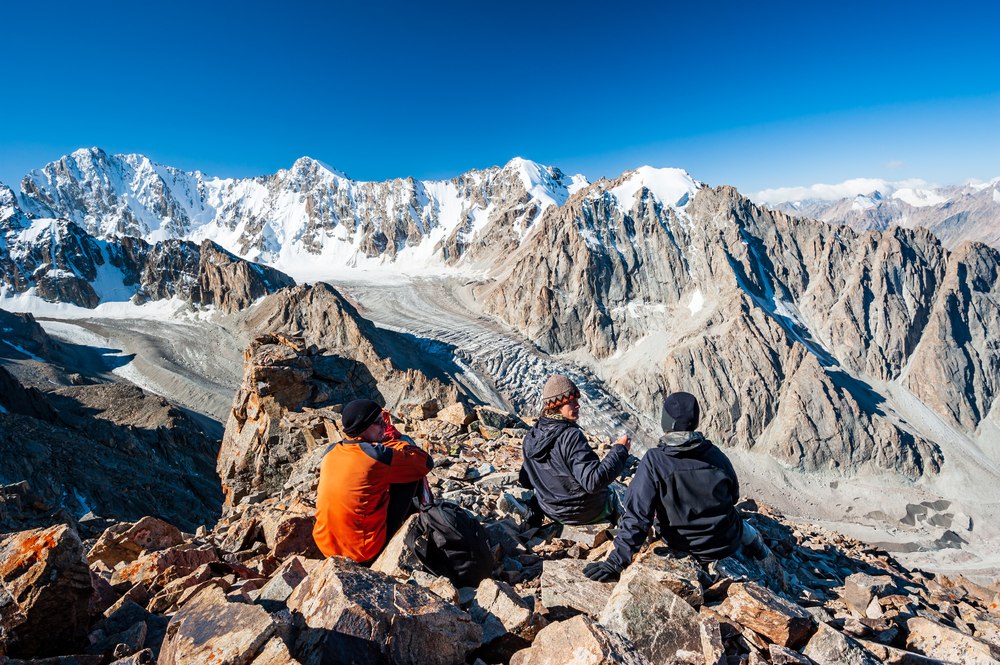
Tajikistan has difficulty competing with Uzbekistan for travelers drawn primarily by the architecture of its Silk Road cities. Its appeal lies elsewhere, particularly in trekking and road trips through the mountains.
Some infrastructure problems have eased in recent years as electronic visas and eSIM services have become available and more hotels and restaurants are operating. Tourist information centers have opened, and sections of the Pamir Highway are being repaired. Service quality outside Dushanbe and Khujand, however, remains uneven.
There are also security concerns for travelers heading toward the Afghan border. Some of the country’s most spectacular routes pass through the Gorno-Badakhshan Autonomous Region. After attacks from Afghan territory killed Chinese citizens in late 2025, Dushanbe increased security in border areas.
The fund’s effectiveness will depend on how much it raises and whether the earmarked revenue produces the infrastructure and service improvements it is intended to finance.