Archaeologists in southern Uzbekistan may have identified an exceptionally rare Hellenistic military camp at a site previously thought to be a small rural settlement. Dating back around 2,200 years, Iskandar Tepa may have functioned as a temporary base for Greco-Bactrian troops and could be the first such camp identified in Central Asia.
Alexander the Great conquered Bactria and Sogdiana in the late fourth century B.C., bringing Greek armies deep into Central Asia. After his empire fragmented, Greek-ruled states continued to control parts of the region for centuries.
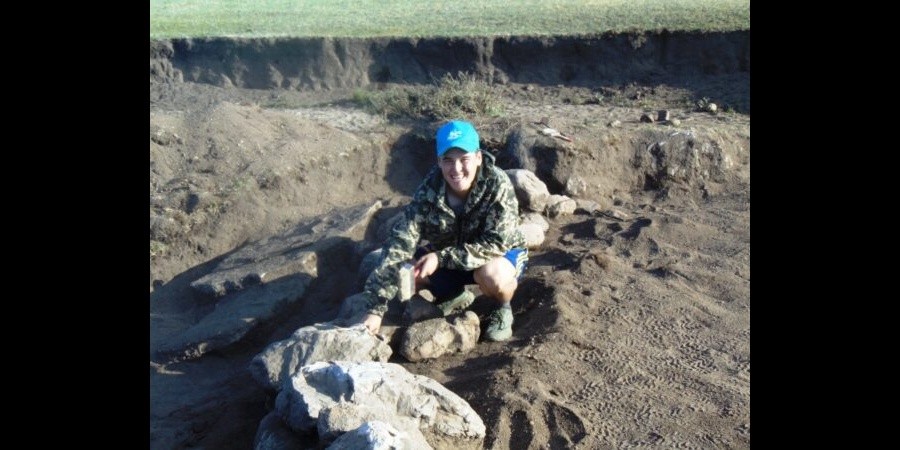
Iskandar Tepa is located in the Sherabad District of Surkhandarya Region, within the ancient borderlands between Bactria and Sogdiana. A Czech-Uzbek archaeological expedition identified the site in 2017. At first, it was interpreted as a Greco-Bactrian settlement, with later research suggesting it may have been a watch post. The mound had no known local name when archaeologists discovered it, so they gave it the working name Iskandar Tepa. Iskandar is the local form of Alexander, making the name equivalent to “Alexander’s Hill.”
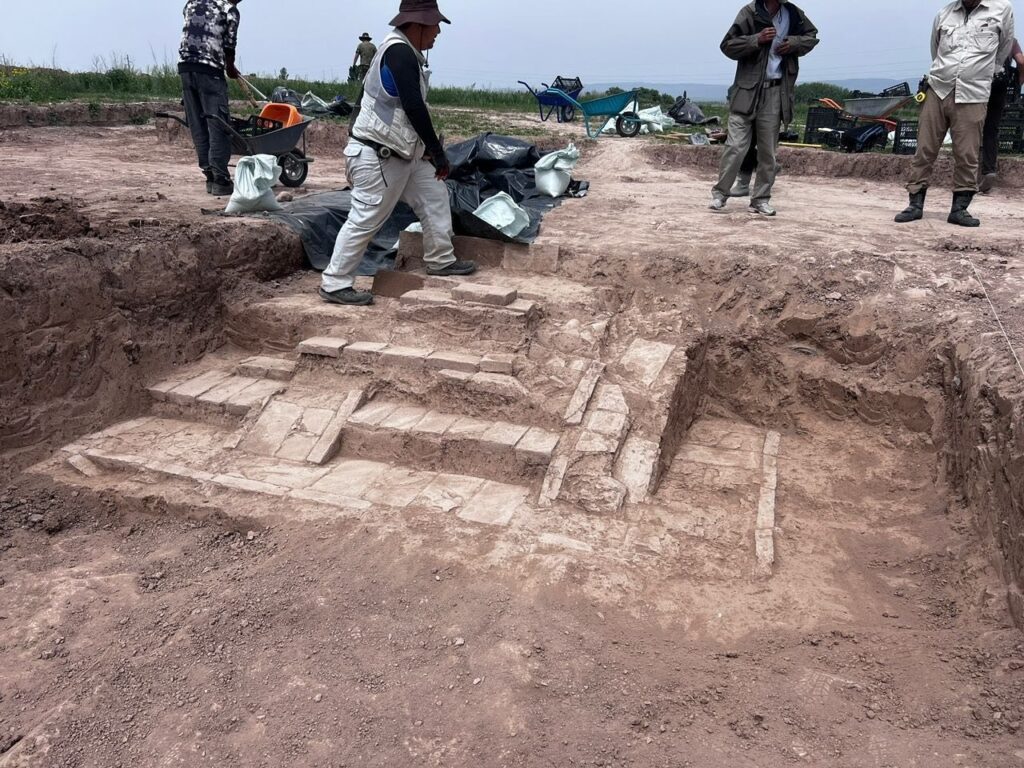
The latest research suggests the site had a different function altogether. Geophysical surveys and excavations indicate that Iskandar Tepa was probably occupied only briefly, perhaps as a temporary military camp. The findings were published in June 2026 in the Journal of Archaeological Science: Reports. The authors place the site in the Hellenistic period, while Archaeology Magazine dates the proposed military camp to the second century B.C.
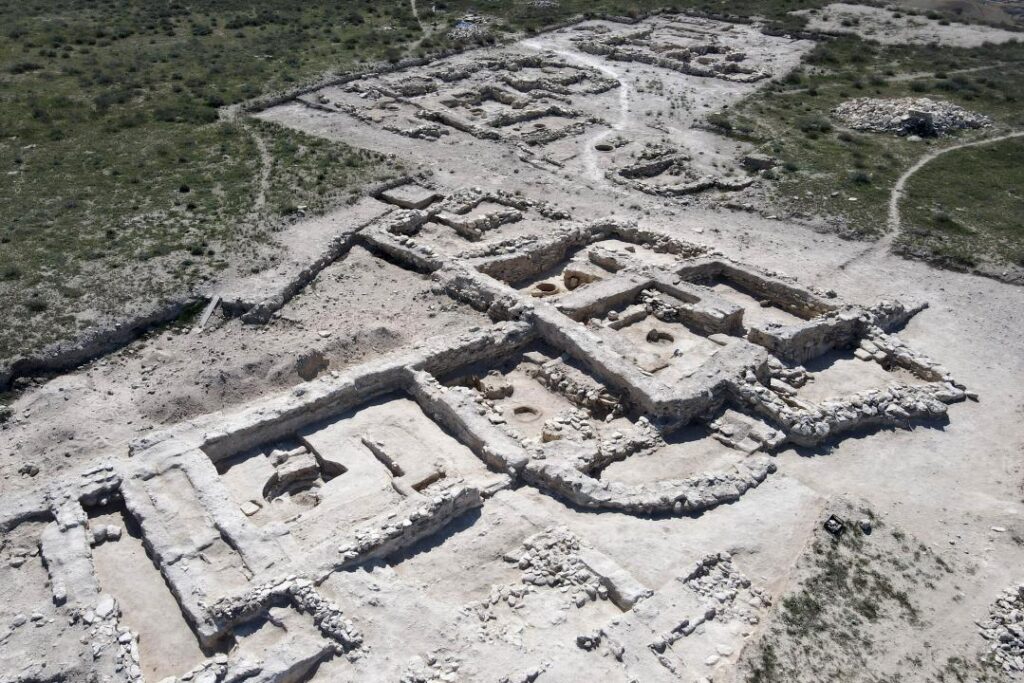
Iskandar Tepa’s layout supports the military interpretation. The site occupies a naturally protected hilltop. A perimeter ditch about 400 meters long enclosed an area of roughly 1.2 hectares and measured between 4 and 7 meters wide. However, researchers found little evidence of permanent buildings inside the enclosure. That combination is more consistent with a temporary fortified camp than with a permanent settlement.
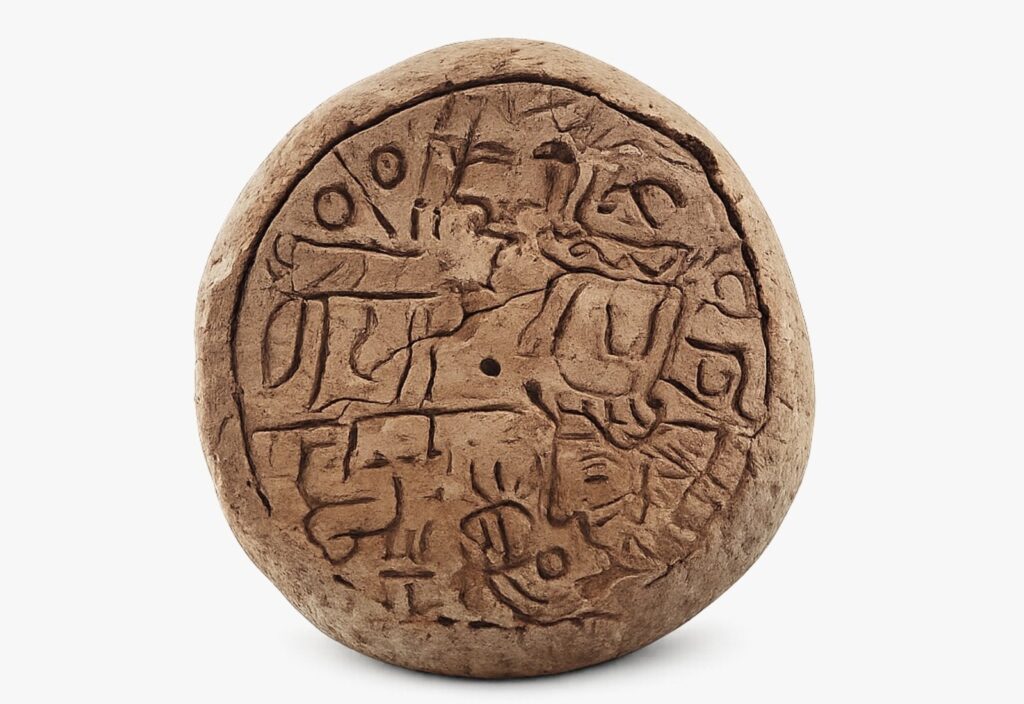
Coins associated with Hellenistic rulers help date the site. Considered alongside the site’s layout and other finds, the coins also support the interpretation that a military unit may once have occupied it.
Supplying water to the people stationed there would have been a separate challenge. Archaeologists found large ceramic storage vessels, known as khums, buried in the ground. They also identified what appears to have been a canal, up to 1.1 meters wide, that carried water from several kilometers away. Researchers suggest that the vessels may have been used to store water for a temporary garrison.
Geophysical surveys also revealed around 90 elongated pits. Many are interpreted as graves in a burial ground that developed after the main period of occupation at Iskandar Tepa or partly overlapped with it.
Temporary military camps from the Hellenistic period are extremely difficult to identify archaeologically because, unlike cities and fortresses, they left relatively few permanent structures. Iskandar Tepa could therefore reveal another side of the Hellenistic presence in Central Asia by showing how relatively small military units stationed far from major urban centers secured water and monitored the surrounding territory.
Southern Uzbekistan has also yielded evidence from a much earlier period. In 2025, researchers reported that people in the Surkhandarya Valley were harvesting wild barley around 9,200 years ago, adding Central Asia to the debate over humanity’s early transition toward agriculture.