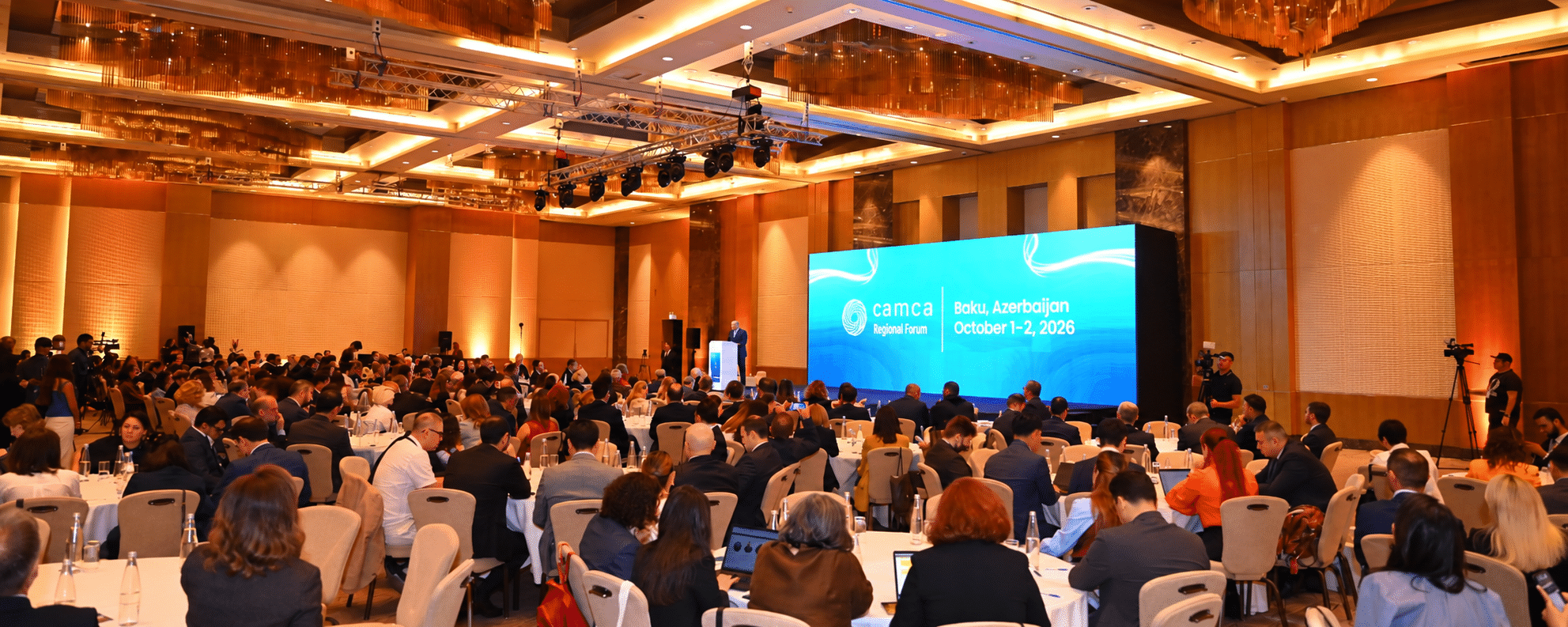
Central Asia is helping shape a wider regional agenda, one that connects trade and investment with technology, education, and security. In Baku, the CAMCA Regional Forum is bringing together the people who can carry that agenda forward, with the CAMCA Network helping turn shared interests into opportunities for cooperation.
Taking place on October 1–2 at the Fairmont Baku Flame Towers, the 2026 CAMCA Regional Forum convenes policymakers, business leaders, investors, educators, researchers, and entrepreneurs under the theme “The World and CAMCA: A Region at the Crossroads.” Its central question is how regional cooperation can expand economic opportunities and strengthen the capacity of countries and communities to shape their future.
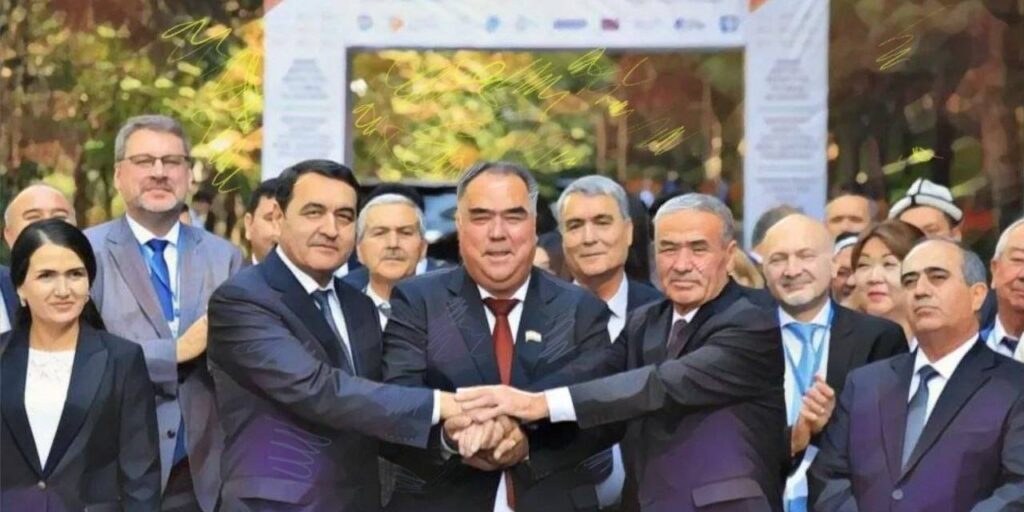
The CAMCA Network helps shape this conversation. As a co-founder and co-organizer of the forum, it connects professionals across Central Asia, Mongolia, the Caucasus, and Afghanistan. Its members contribute expertise, lead discussions, and bring the experience of working in the region into the program. They also give the forum continuity: relationships strengthened in Baku can support collaboration long after the gathering concludes.
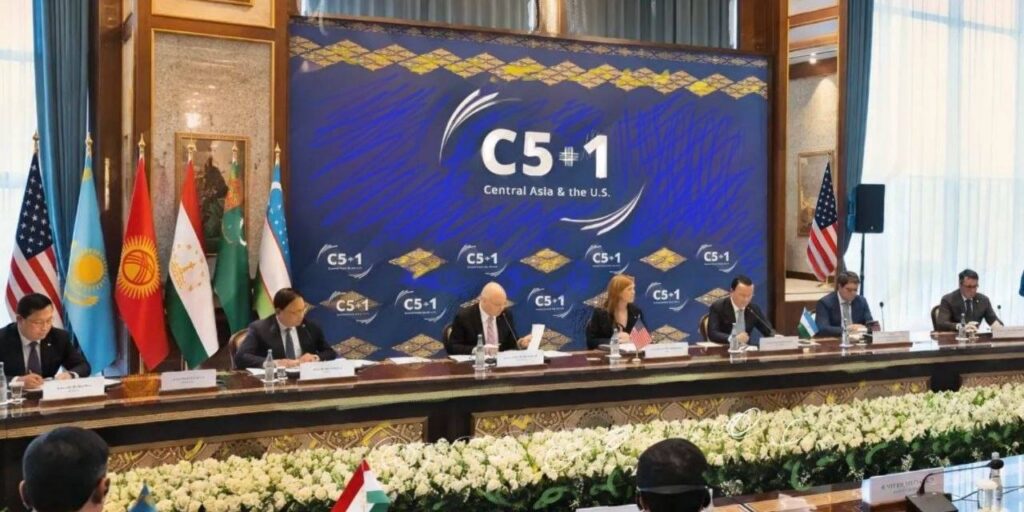
For Central Asia, that wider community matters. The five countries have distinct economic structures, resources, and international relationships. Cooperation must reflect those differences while identifying where shared effort can expand their choices. Connections with the Caucasus, Mongolia, and Afghanistan offer different opportunities and challenges, each deserving a place in the regional conversation.
The CAMCA Regional Forum’s discussions of global shifts through 2030 and greater Central Asia–Caucasus convergence address this strategic landscape. “From C5 to a Wider Framework” asks how a broader geography of cooperation might serve the region’s interests. The underlying issue is the ability of countries to shape their own decisions: how working with neighbors can strengthen their options in a changing international environment.
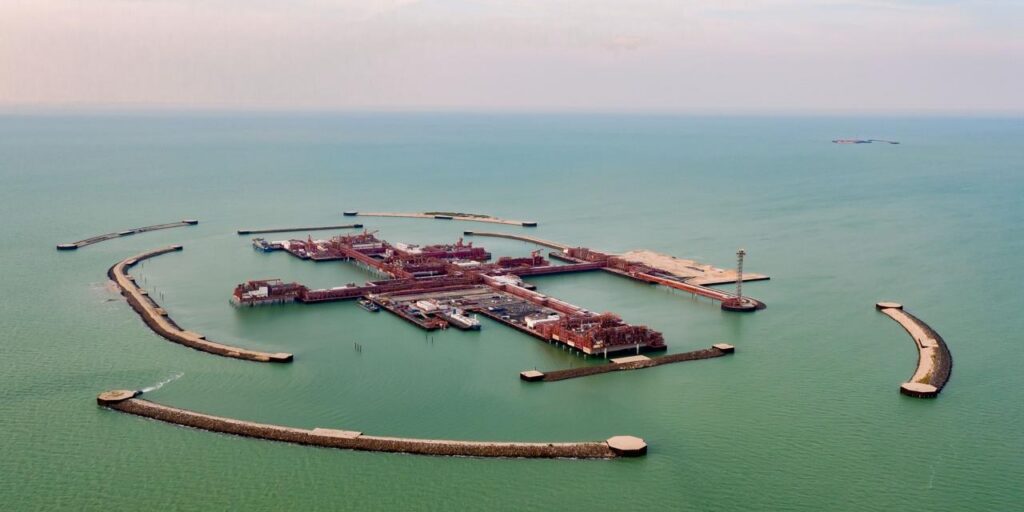
Economic connectivity provides a concrete test. Routes across the Caspian and through the Caucasus can help Central Asian countries reach additional markets and partners. Their value depends on dependable transport, workable procedures, and institutions able to coordinate across borders. Businesses need enough certainty to invest, plan, and build lasting commercial relationships.
Today’s discussion on connecting CAMCA to the world brings these questions together. For Central Asia, the opportunity extends beyond moving goods through the region. Better connections can support production, logistics, services, and investment within it. The strategic objective is to create more value locally and give regional enterprises a stronger place in wider markets.
The forum’s paired sessions on public policy and the private sector approach that objective from complementary directions. Governments influence the conditions under which companies operate. Businesses decide where to commit capital, develop products, and employ people. Bringing these perspectives together helps clarify which barriers require public action and where commercial initiative can move cooperation forward.
Technology adds another dimension. The discussion of artificial intelligence asks where CAMCA fits in a rapidly changing global economy. The Digital Silk Road roundtable connects that question with financial services and innovation. For entrepreneurs in Central Asia, digital connections can open access to customers, payments, financing, and partners across borders.
The investment and entrepreneurship sessions take the conversation further: how can promising ideas become businesses capable of growing beyond their home markets? Regional networks can help founders exchange experience, understand neighboring markets, and reach investors. These relationships are especially valuable where an entrepreneur’s ambition exceeds the opportunities available within a single country.
Education is essential to that growth. The roundtable on innovation, connectivity, and regional resilience links the development of skills with the region’s economic future. Technology and investment require people who can lead institutions, develop ideas, and collaborate across disciplines and borders. Creating opportunities for them is a long-term commitment.
Security conditions also shape what is possible. The forum’s discussion of the regional and global consequences of the Iran war places uncertainty alongside the economic agenda. Transport, investment, and development decisions depend on an understanding of the pressures facing the wider region. Strategic cooperation requires an honest assessment of both opportunities and vulnerabilities.
Culture, identity, and regional narratives complete this picture. Cooperation becomes stronger when people understand how their neighbors see themselves and their futures. The CAMCA Network’s work in media, education, business, and the creative industries creates channels for that exchange. Its members help regional voices reach one another and bring perspectives into discussions that might otherwise remain confined to a single sector or country.
As Director of the forum, I see the Network’s role as fundamental. It brings people with different responsibilities into a shared conversation and provides relationships through which they can continue working together. A policy discussion becomes more useful when informed by business experience; an entrepreneurial idea gains possibilities when it reaches an educator, investor, or partner elsewhere in the region.
As the forum continues in Baku, its purpose is to connect these perspectives with practical ambition. The closing statesmen’s conversation returns to CAMCA’s role in a changing world, a role that will depend on the choices its countries make and the capacity of its people to cooperate.
The measure of this gathering will emerge in the work that follows: partnerships developed, knowledge exchanged, and initiatives carried forward. The CAMCA Network gives that work a foundation. Our task is to strengthen it, so that a more connected region also becomes a region with greater opportunity.
Read more from our special coverage of the CAMCA Regional Forum in Baku here.
The views expressed in this article are those of the author and do not necessarily reflect the official policy or position of the publication, its affiliates, or any other organizations mentioned.