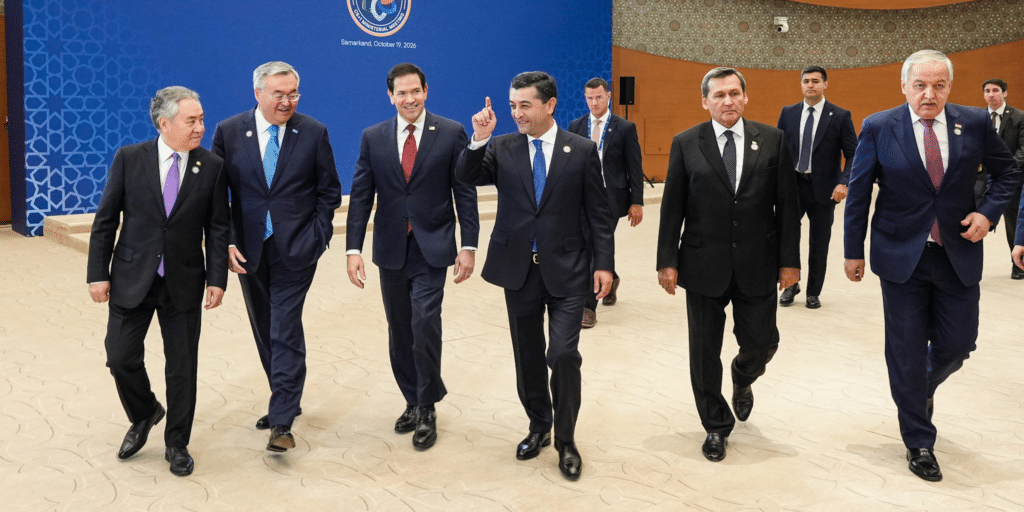
Foreign ministers from Kazakhstan, Kyrgyzstan, Tajikistan, Turkmenistan, and Uzbekistan have called for new, verifiable arms control mechanisms to prevent a nuclear arms race, warning that international disarmament efforts are losing ground.
In a joint statement issued on September 8 to mark 20 years since the signing of the Central Asian Nuclear-Weapon-Free Zone Treaty, the five governments expressed concern over stalled disarmament, the end of key agreements, and the modernization of nuclear arsenals. They urged nuclear powers to resume negotiations.
The statement comes seven months after New START, the last U.S.-Russian strategic nuclear arms treaty, expired on February 5. UN Secretary-General António Guterres said its expiration left the two countries without binding limits on their strategic nuclear arsenals for the first time in more than half a century.
President Donald Trump has criticized New START as a “badly negotiated deal” and called instead for a new, modernized arms control treaty that would include China.
The ministers also cited the failure of the Eleventh Review Conference of the Treaty on the Non-Proliferation of Nuclear Weapons, which ended without a consensus outcome on May 22.
Kazakhstan had already advanced a similar position. As TCA reported, President Kassym-Jomart Tokayev used the August 29 anniversary of the Semipalatinsk nuclear test site’s closure to call for negotiations among nuclear powers, the entry into force of the Comprehensive Nuclear-Test-Ban Treaty, and renewed multilateral action to reduce nuclear risks.
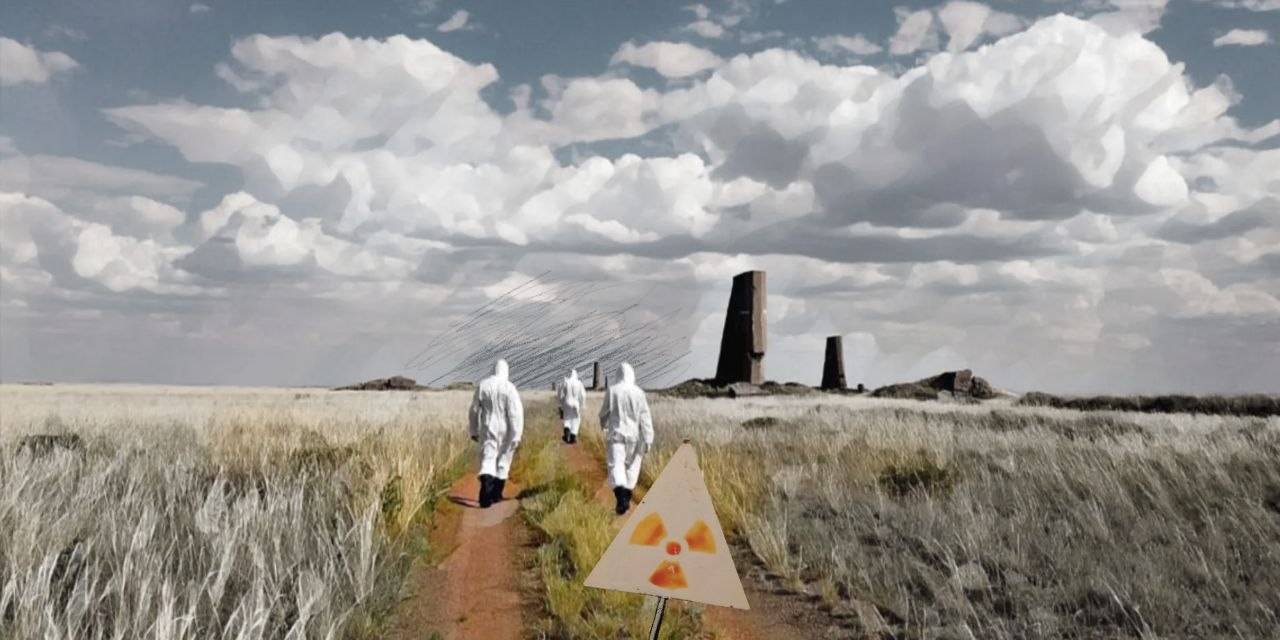
Kazakhstan’s connection to the issue extends beyond diplomacy. The Soviet Union conducted 456 nuclear tests at Semipalatinsk between 1949 and 1989. Kazakhstan closed the site in 1991 and subsequently relinquished the nuclear arsenal it had inherited after the Soviet collapse.
The regional treaty was signed in Semipalatinsk on September 8, 2006, and entered into force in 2009. It established the first nuclear-weapon-free zone located entirely in the Northern Hemisphere, directly bordering two nuclear-weapon states, Russia and China.
That history gives Kazakhstan a distinctive place in regional nuclear diplomacy. Uzbekistan originated the proposal for the zone, presenting it at the UN General Assembly in September 1993. The September 8 statement explicitly acknowledges Uzbekistan’s initiative while crediting all five countries with establishing the zone.
The statement also recognizes Kyrgyzstan for initiating the International Day for Disarmament and Non-Proliferation Awareness, observed annually on March 5, and Turkmenistan for chairing the December 2024 anniversary meeting in Ashgabat.
Kazakhstan has also helped coordinate cooperation beyond Central Asia. In August 2024, it hosted a conference in Astana with the UN Office for Disarmament Affairs to strengthen cooperation among nuclear-weapon-free zones, following an earlier meeting in 2019.
The five states also renewed their appeal for the United States to ratify a protocol providing security assurances to the region.
In May 2014, China, France, Russia, the United Kingdom and the United States signed the protocol on negative security assurances, committing not to use or threaten to use nuclear weapons against the five Central Asian treaty members. The other four signatories have ratified it. Washington has not.
The request is longstanding. The five governments made the same appeal in their 2021 anniversary statement.
The latest declaration comes less than a week after Mukhtar Tleuberdi returned as Kazakhstan’s foreign minister on September 2. He previously held the post from 2019 to 2023 and most recently served as ambassador to Austria and permanent representative to international organizations in Vienna, including the International Atomic Energy Agency.
The five governments now want further “institutional development” of the regional treaty and closer cooperation with other nuclear-weapon-free zones. The statement specifies no new institutions or implementation timetable.